Morocco During Ramadan (2026 Guide): What Tourists Should Know Before Visiting
(Local Travel Advice From a Moroccan Tour Guide)
If you have never been to Morocco during Ramadan, let me tell you something before you panic: you are not “coming at the wrong time.” You are coming during one of the most culturally rich and emotionally powerful months of the year.
Ramadan in Morocco is not only a religious event. It changes the mood of the country. It changes how cities move, how people behave, and how the day feels. It’s quieter in the morning, slower in the afternoon, and then suddenly, after sunset, Morocco becomes alive in a way that surprises most visitors.
This is why Ramadan can be one of the most beautiful times to travel here. But it can also confuse travelers who arrive without understanding what is happening. People think everything will be closed, that tourists won’t be welcome, or that Morocco becomes strict and uncomfortable.
Table of Contents
The truth is the opposite.
Morocco remains open, tourism continues, and travelers are welcomed just like always. But the schedule of the country shifts. Once you understand this rhythm, you can enjoy Morocco even more than in a normal month.
My name is Kamal El Otmani. I’m a Moroccan tour guide, and I’ve spent years guiding travelers through Marrakech, the Atlas Mountains, the desert, and across the country. In this guide, I’m going to explain exactly what tourists should expect when visiting Morocco during Ramadan, what changes, what stays open, and how to travel respectfully while still enjoying your holiday.
If you want to understand Morocco deeper, this is the guide you should read before you arrive.
What Ramadan Means in Morocco (And Why It Feels So Different Here)
Ramadan is the holiest month in Islam. During this month, Muslims fast from sunrise until sunset. That means no food, no water, no coffee, no cigarettes, and no chewing gum during the day.
But Ramadan is not just fasting. It’s a spiritual month. People focus on prayer, family, charity, and self-discipline. In Morocco, it becomes a month where the country feels more united. Families eat together. Neighbors share food. Mosques fill up. Even people who are not deeply religious still respect Ramadan because it is part of our identity.
For tourists, what you will notice first is the energy shift. Morocco becomes calmer in the daytime. People are more quiet, more focused, and more tired in the late afternoon. But after sunset, Morocco becomes lively. Restaurants fill. Streets become crowded. Kids play outside late. Families walk together. Markets stay open longer.
If you have only visited Morocco in summer or spring, Ramadan will feel like you are visiting a different Morocco.
Is Morocco Open During Ramadan?
Yes. Morocco is open during Ramadan.
This is the first thing I want to make clear because tourists worry too much. Airports operate normally. Trains operate normally. Buses operate normally. Hotels operate normally. Riads operate normally. Tour companies still run tours. Guides still work. Drivers still work. Tourist attractions still welcome visitors.
You can still visit Marrakech, Fes, Chefchaouen, the Sahara Desert, Essaouira, Agadir, Rabat, Casablanca, and everywhere else.
But the difference is that many local businesses change their opening hours. Some cafés and restaurants close during the day. Some shops open later. Some services slow down.
So yes, Morocco is open. But the daily rhythm is different.
This is important because if you arrive expecting Morocco to feel like Spain or Italy, you might get frustrated. But if you arrive expecting Morocco to feel like Morocco, Ramadan becomes something special.
If you want a complete travel planning guide before your trip, you can also read our full Morocco Travel guide
Is It a Good Idea to Visit Morocco During Ramadan?
Yes, it can be an amazing idea, and in some ways, Ramadan is even better than the peak tourist months.
During Ramadan, Morocco becomes less chaotic. Some cities feel calmer. The streets are less aggressive. You will often experience fewer tourist scams, because the atmosphere is more respectful. Hotels sometimes offer better prices. And the cultural side of Morocco becomes stronger.
But you must understand what you are coming for.
If your dream Morocco trip is about sitting in cafés all day drinking wine and partying late with alcohol, then Ramadan might not be your perfect match. Morocco is still fun, but it becomes more family-oriented.
If your dream trip is about culture, food, photography, history, and real Moroccan life, then Ramadan is a perfect time to visit.
Many travelers who visit during Ramadan tell me later that it was their most memorable Morocco trip, because they saw the country in a way that normal tourists never see.
What Tourists Should Expect: The Ramadan Rhythm (Morning, Afternoon, Night)
The biggest mistake tourists make is thinking the day will feel normal.
In Ramadan, Morocco has two lives. The daytime life and the nighttime life.
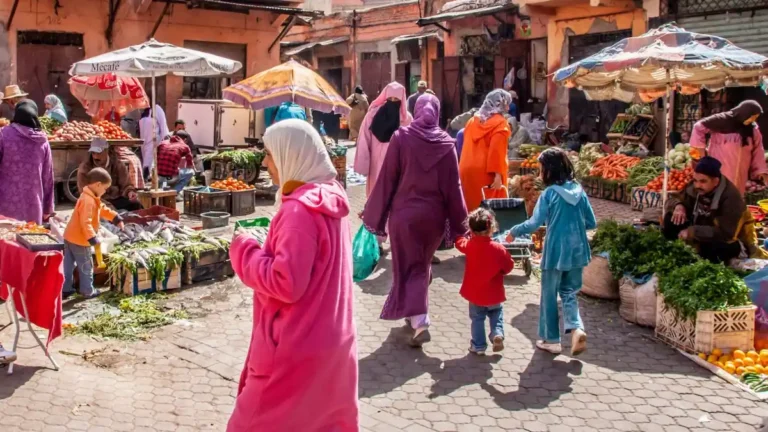
In the morning, everything is calm. People go to work. Shops slowly open. Streets are relaxed. If you like walking through the medina, the morning is one of the best times to explore.
In the afternoon, especially from around 3 PM to sunset, the country becomes slower. People get tired. Workers have less energy. Service can feel slower. You may feel the city becoming quieter.
Then comes the magic moment: sunset.
Right before sunset, you will notice something interesting. Traffic becomes crazy. People rush to buy bread, dates, milk, and sweets. Markets become crowded. You will see a lot of families carrying food bags. Taxis can be hard to find because everyone is trying to get home.
Then suddenly, the streets become silent.
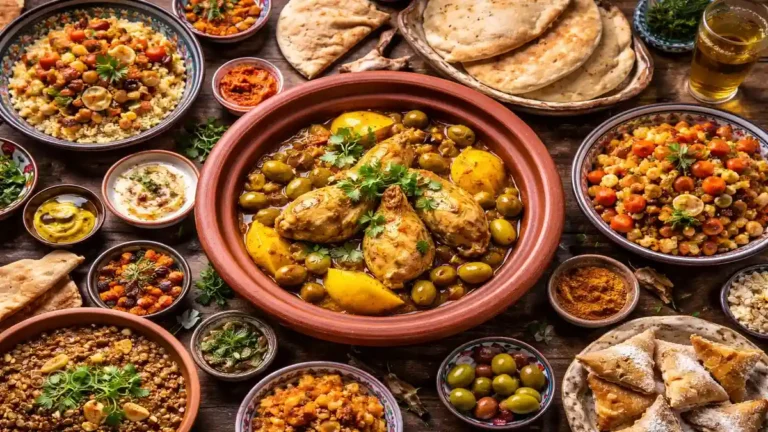
That silence is the moment of iftar, when Moroccans break their fast. Most people are at home eating harira soup, dates, chebakia sweets, and drinking mint tea.
After that, Morocco wakes up again.
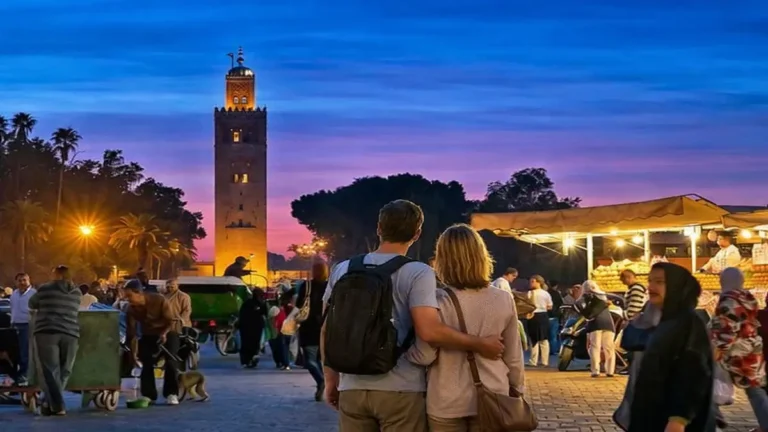
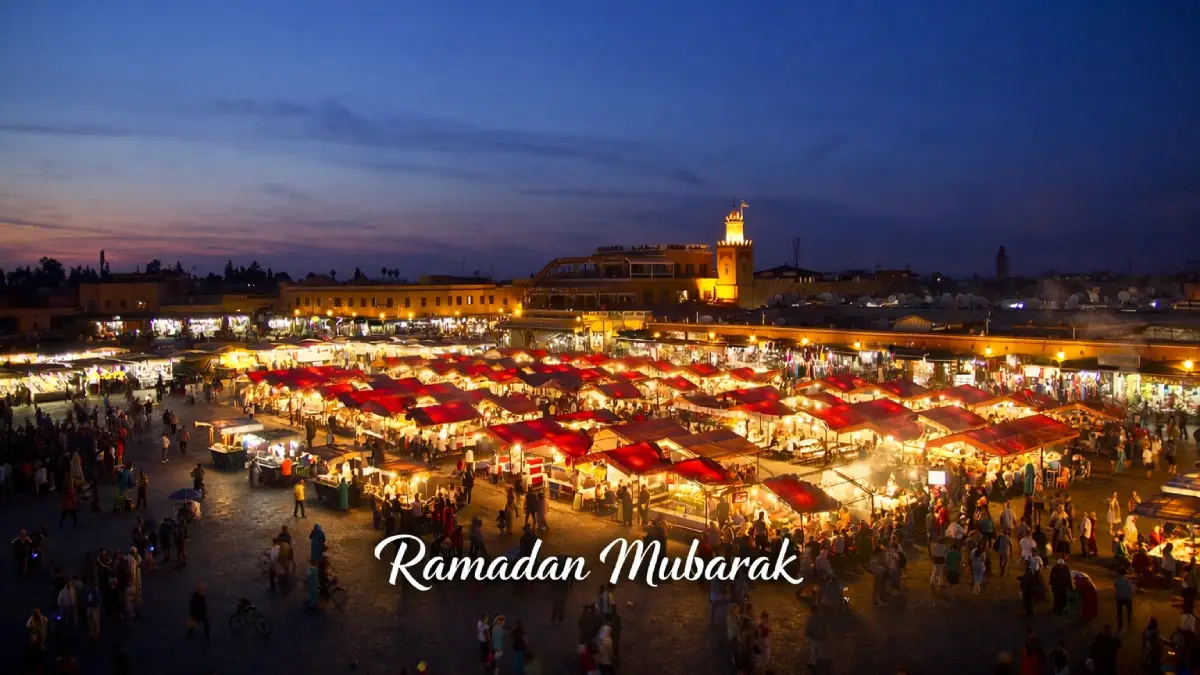
At night, the streets become full. Families go out. Shops reopen. People walk and socialize. Kids stay outside until late. Jemaa el-Fnaa becomes even more alive. Cafés fill. The energy returns, but in a different way. More relaxed, more social, and more local.
If you understand this rhythm, you will plan your trip smarter. And Morocco will feel easier, not harder.
At night, the streets become full. Families go out. Shops reopen. People walk and socialize. Kids stay outside until late. Jemaa el-Fnaa becomes even more alive. Cafés fill. The energy returns, but in a different way. More relaxed, more social, and more local.
Can Tourists Eat and Drink in Public During Ramadan?
This is the question tourists are scared to ask, but everyone thinks about it.
Yes, tourists can eat and drink during Ramadan. You are not expected to fast.
But Morocco is a respectful country, and Ramadan is a respected month. So the best approach is not “Can I do it?” but “How do I do it politely?”
In tourist zones like Marrakech Gueliz, Hivernage, Agadir beachfront areas, Casablanca city center, or inside hotels and riads, it is completely normal to eat and drink. Many hotels serve breakfast and lunch like usual.
But if you are walking inside the old medina of Fes, or in a small village in the Atlas Mountains, eating a sandwich openly in front of fasting locals is not a good look. It can feel disrespectful, even if nobody says anything.
My advice as a local guide is simple. If you need to drink water, do it quietly. If you need to snack, do it discreetly. Use your hotel or riad for bigger meals. And if you want to enjoy a coffee, look for places that serve tourists, because they exist.
Moroccans are friendly people. But respect is important. If you travel with respect, you will be welcomed even more.
Are Restaurants Open in Morocco During Ramadan?
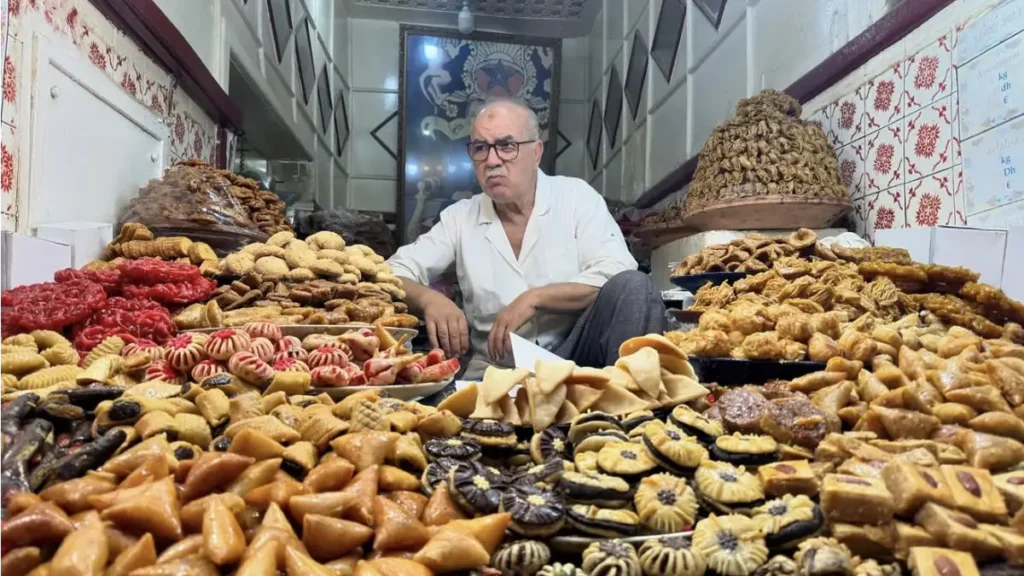
Yes, restaurants are open, but the answer depends on where you are.
In big cities like Marrakech, Casablanca, Rabat, Tangier, and Agadir, you will find restaurants open during the day. But many of them will be in tourist neighborhoods, hotels, or modern areas.
Inside traditional medinas, many small restaurants close until sunset. Street food stalls also operate less during the day because locals are not eating.
The real food scene starts after sunset.
This is why Ramadan can be a dream for food lovers. Because Morocco becomes obsessed with food at night. Families cook special dishes, bakeries prepare Ramadan sweets, and the smell of grilled meat and spices fills the streets.
If you are a traveler who loves local food, you will enjoy Morocco during Ramadan more than you expect.
If you are staying in Marrakech, this is also the perfect time to experience Jemaa el-Fnaa at night. The food stalls become even more atmospheric.
What Is Iftar in Morocco? (And Why Tourists Love It)
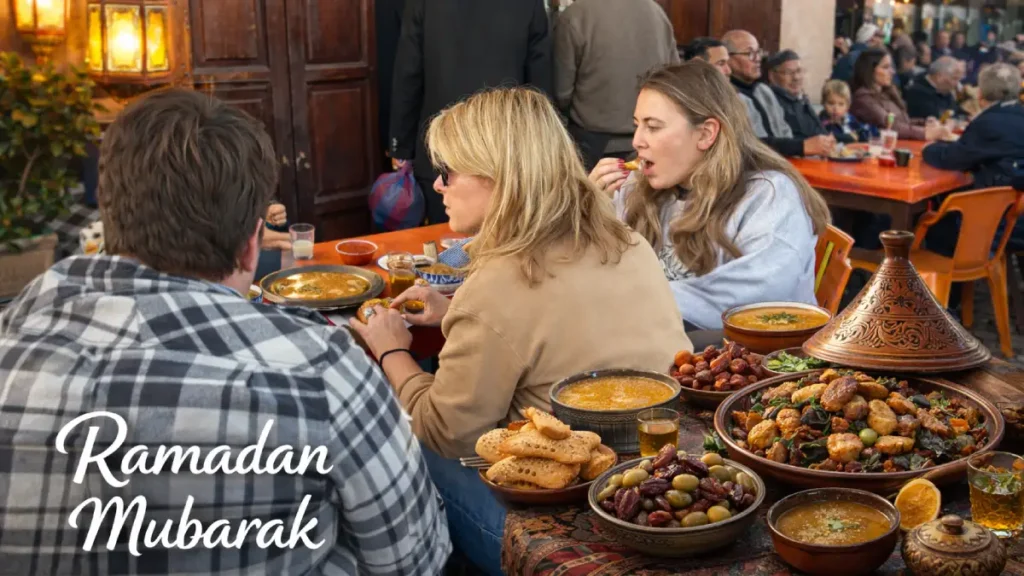
Iftar is the meal that breaks the fast at sunset. It is one of the most important daily moments of Ramadan.
In Morocco, iftar usually includes harira soup, dates, boiled eggs, bread, chebakia, and mint tea. Some families also prepare sweets like sellou and traditional pastries. After that, people might eat a bigger dinner later in the night.
For tourists, iftar can be one of the most beautiful cultural experiences in Morocco. It is not a tourist show. It is real Moroccan family life.
Some hotels and riads offer special iftar menus. Many restaurants also offer Ramadan meals. If you are visiting Morocco during Ramadan, I highly recommend you try iftar at least once, because it gives you a deeper connection with Moroccan culture.
This is the type of experience you remember for years.
What Happens Before Sunset in Morocco? (Important Travel Warning)
Now let me give you a real local tip that tourists don’t understand until they are stuck in traffic.
The hour before sunset is the worst time to move around.
People are rushing home. Taxi drivers are stressed. Streets are crowded. Shops are closing quickly. Everyone is focused on iftar.
If you try to take a long taxi ride during this time, you might wait longer. If you try to do shopping, you may find shops closing. If you plan a tour that ends too close to sunset, you may feel rushed.
So the best strategy is this: do your sightseeing in the morning and early afternoon, then relax at your riad before sunset. After iftar, go out again.
Are Souks Open During Ramadan?
Yes, the souks are open, but they follow Ramadan hours.
In Marrakech, the souks usually open late morning and close earlier than normal. But after iftar, many shops reopen, especially in busy tourist areas.
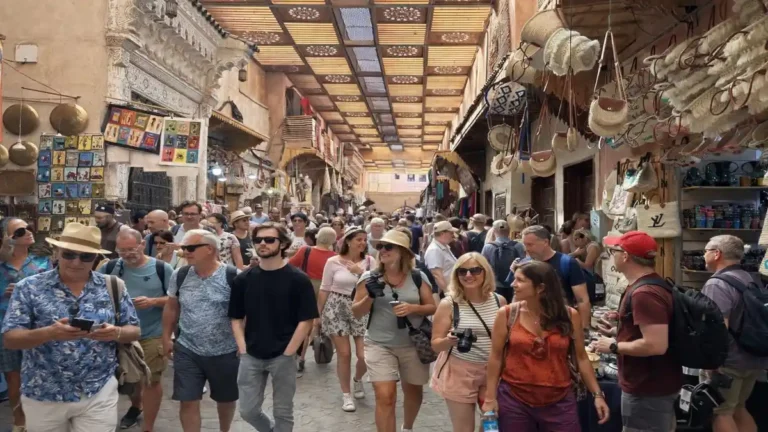
This is actually a good time to shop because the medina is less aggressive during the day. You can walk slower, take your time, and explore without feeling overwhelmed.
If you want to shop in Marrakech, you should also read our complete guide here: This page will help you avoid tourist traps, understand pricing, and shop like a smart traveler.
Is Marrakech Worth Visiting During Ramadan?
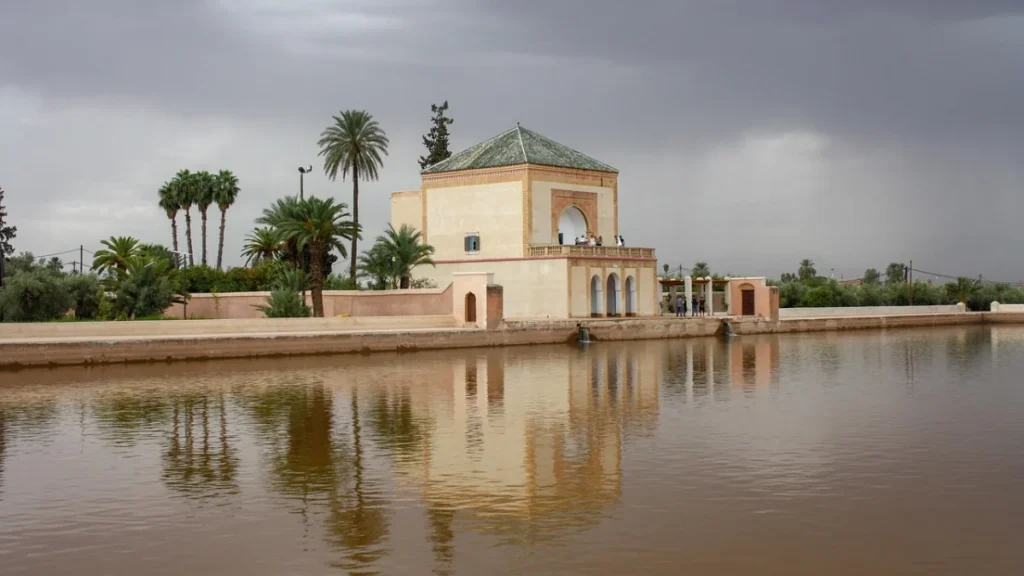
Yes, and honestly, Marrakech becomes even more interesting.
During the day, Marrakech feels calmer. The medina is less chaotic. You can explore Bahia Palace, Saadian Tombs, Ben Youssef Madrasa, and Dar El Bacha Museum without the same crowds.
But the real Marrakech experience during Ramadan starts at night.
After iftar, Marrakech becomes alive. Families walk around Jemaa el-Fnaa. The food stalls fill up. Street musicians play. The atmosphere becomes more Moroccan than tourist.
If you want to feel the true heart of Marrakech, Ramadan is one of the best times to visit.
And if you are traveling with family, Ramadan can actually make Marrakech easier because the daytime chaos becomes less intense. If you are planning a family trip, you should read this post: Marrakech With Kids
What Is Fes Like During Ramadan?
Fes during Ramadan feels deep, traditional, and spiritual.
Fes is already Morocco’s most cultural city, and Ramadan makes it even more authentic. The medina becomes quieter during the day. But after sunset, the city feels magical.
You will see people going to the mosque, families gathering, bakeries preparing special bread, and streets filled with the smell of harira soup.
If you want to experience Morocco beyond tourist style, Ramadan in Fes is one of the most unforgettable experiences you can have.
Chefchaouen During Ramadan: Calm and Peaceful
Chefchaouen is known for its blue streets, mountain atmosphere, and calm energy. During Ramadan, it becomes even quieter.
If you are looking for a relaxing Morocco trip, Ramadan is a good time to visit Chefchaouen. But keep in mind that daytime restaurants may be limited. Staying in a riad with breakfast included is a smart choice.
Chefchaouen is also a great destination for couples during Ramadan because it feels peaceful, romantic, and slow.
Can You Visit the Sahara Desert During Ramadan?
Yes, and you should.
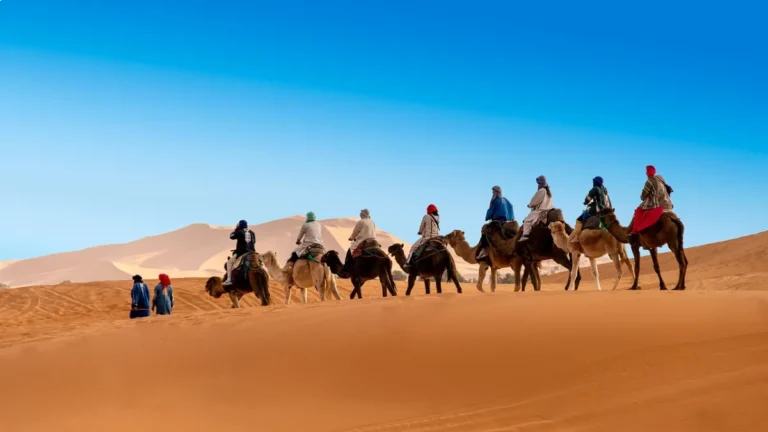
The Sahara Desert during Ramadan is a special experience. It feels quieter and more spiritual. Camps still operate normally, but the vibe is different. The evenings feel deeper. The silence feels stronger. The campfires feel warmer.
If you want to do a desert tour during Ramadan, the only thing you should do is book with a reliable company, because schedules can change slightly.
If you are planning a desert trip, you may also like our 3 Days Desert Tour from Marrakech
And if you want a full route that includes the desert, you can use our itinerary The Ultimate Two-Week Journey By a Local Guide:
What About Alcohol in Morocco During Ramadan?
Morocco is not a dry country, but Ramadan changes alcohol availability.
Some hotels and tourist restaurants still serve alcohol. Some supermarkets still sell it. But many places reduce alcohol sales, especially in traditional neighborhoods.
If you are someone who needs alcohol daily, Ramadan might feel limited. But if alcohol is not important for you, you will not notice any problem.
Many travelers enjoy Ramadan because it feels healthier and more cultural.
How Should Tourists Dress in Morocco During Ramadan?
Morocco is a conservative country in many areas, and Ramadan increases that sensitivity.
You don’t need to cover like a Moroccan woman, but you should dress respectfully, especially in medinas and villages.
During Ramadan, wearing revealing clothes can bring more attention than normal.
For men, simple t-shirts and long pants are fine.
For women, loose dresses, long skirts, or wide pants are perfect. A light scarf is always useful, not because you must cover your hair, but because it helps you feel comfortable and respectful in mosques or conservative streets.
This is not about strict rules. It’s about understanding the culture.When tourists dress respectfully, Moroccans treat them with even more kindness.
Is Morocco Safe During Ramadan?
Yes, Morocco is generally safe during Ramadan.
In fact, many travelers feel it is even calmer because people are more spiritual and respectful. But there is one thing you should understand.
Before sunset, some people are tired and stressed. Taxi drivers may be impatient. Service workers may have low energy. This is not danger. It is simply fasting fatigue.
The best way to avoid discomfort is to plan your day well. Don’t push yourself too hard in the afternoon. Rest, relax, and enjoy Morocco at night.
If you want to avoid common problems that tourists face, read our post here:
Are Tourist Attractions Open During Ramadan?
Yes, most attractions remain open, but with reduced hours.
Museums, palaces, gardens, and historical sites usually open normally in the morning and close earlier than usual. Sometimes they close around 4 PM or 5 PM.
So if you want to visit places like Jardin Majorelle, Bahia Palace, Ait Ben Haddou, or Volubilis, the best strategy is to go early.
Ramadan is actually a good time to visit attractions because there are fewer crowds.
Transportation in Morocco During Ramadan (Trains, Taxis, Private Drivers)
Trains run normally during Ramadan. The ONCF train system continues like usual, including routes between Casablanca, Rabat, Tangier, Marrakech, and Fes.
CTM buses also run normally.
Taxis are available, but the time before iftar is stressful. You may wait longer or pay slightly more.
If you want to travel between cities or do day trips, the smartest option during Ramadan is often a private driver. It gives you flexibility, comfort, and peace of mind, especially if you want to explore places like the Atlas Mountains, Essaouira, or the Sahara.
If you want stress-free transport during Ramadan, I recommend booking a trusted private driver or guided day trip in advance. You can check the best options here on GetYourGuide or Viator. These platforms usually offer flexible cancellation and reliable drivers, which is especially helpful during Ramadan travel periods.
Best Things to Do in Morocco During Ramadan (The Smart Way)
The best way to enjoy Morocco during Ramadan is to plan your trip around the country’s rhythm.
In the morning, explore medinas and historical sites. This is when the streets feel calm and the weather is comfortable.
Around midday, do cultural visits, museums, cooking classes, or guided tours.
In the late afternoon, relax. Enjoy your riad, take a hammam, swim if your hotel has a pool, or simply sit on a rooftop and watch the city slow down.
After sunset, go out and enjoy Morocco’s nightlife, but not nightclub nightlife. Ramadan nightlife is family nightlife. It’s food, tea, sweets, shopping, street energy, and community.
This is when Morocco becomes magical.
Best Cities to Visit in Morocco During Ramadan
If you want my honest guide recommendation, these are the best places for a Ramadan trip.
Marrakech is perfect if you want culture, nightlife after sunset, and strong tourist services.
Fes is perfect if you want deep tradition and authentic Moroccan atmosphere.
Casablanca and Rabat are perfect if you want modern life and restaurants that stay open during the day.
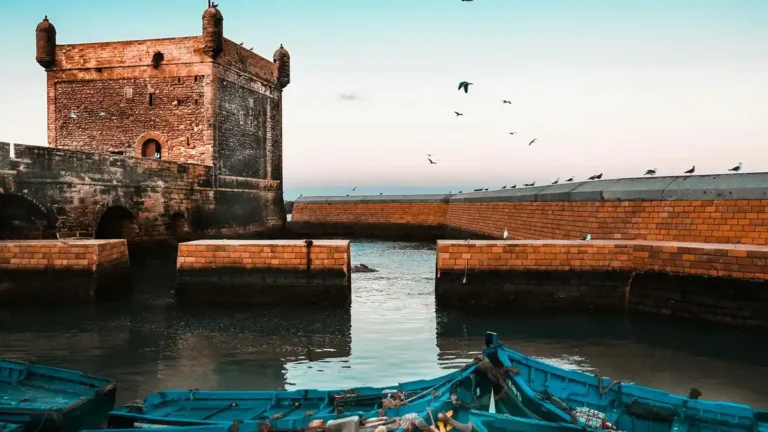
Essaouira is perfect if you want calm ocean air, relaxing cafés, and peaceful evenings.
The Sahara Desert is perfect if you want silence, stars, and a unique spiritual atmosphere.
If you are planning a multi-city trip, it’s very important to choose accommodation wisely because during Ramadan you want comfort and good location.
Where to Stay in Morocco During Ramadan (Important Local Advice)
This is one of the most important parts of Ramadan travel, and most tourists don’t realize it.
During Ramadan, your accommodation is not just a place to sleep. It becomes your safe base.
If restaurants are closed, you will eat at your riad. If the streets feel slow in the afternoon, you will relax at your hotel. If you want to enjoy Morocco at night, you need to stay somewhere walkable and comfortable.
This is why I always recommend travelers to book a riad or hotel with breakfast included during Ramadan.If you want help choosing the best areas and hotels for your route, read this guide here:
To compare prices, read real guest reviews, and secure flexible cancellation, I recommend booking your hotels early using trusted platforms like Booking.com. During Ramadan, the best riads in Marrakech and Fes can still fill up quickly, especially the ones with rooftop terraces and great locations.
Should You Book Tours During Ramadan?
Yes, and it can be a great idea.
Tour companies still operate, and many guides continue working. The main difference is timing. Some tours start later in the morning. Some guides prefer finishing before sunset. And desert tours may adjust dinner schedules slightly.
But honestly, Ramadan can be one of the best times for tours because Morocco feels more authentic.
I highly recommend booking tours like the Sahara Desert, Atlas Mountains, Agafay Desert, Essaouira day trip, and Marrakech guided medina tours.
If you want to book a reliable tour with flexible cancellation, check GetYourGuide and Viator for the most popular Morocco tours during Ramadan. They are usually the easiest platforms for tourists to use, especially if you don’t want to negotiate on the street.
Cultural Etiquette: How to Be Respectful During Ramadan
Moroccans are extremely welcoming. But Ramadan is a month of respect. So as a tourist, you should understand a few cultural details.
You don’t need to fast. You don’t need to change your religion. You don’t need to feel uncomfortable.
But you should avoid eating loudly in front of locals. You should avoid smoking in public streets. You should avoid walking around drunk or acting wild. You should dress a little more modestly than usual. You should speak politely and not argue aggressively with service workers, especially before sunset.
If you do these simple things, Moroccans will respect you, and you will feel the true warmth of the country.
And if someone tells you “Ramadan Mubarak,” you can smile and say it back. That small gesture makes a big difference.
Morocco During Ramadan With Kids: Is It Hard?
Actually, Morocco during Ramadan can be easier for families.
The streets are calmer in the day. Many attractions are less crowded. And children love the nighttime atmosphere after sunset.
The only thing you need to do is plan meals. Choose accommodation with breakfast, keep snacks in your bag, and don’t rely on random cafés during the day.
If you’re traveling with children, you should read our family guide here:
Common Tourist Mistakes During Ramadan (And How to Avoid Them)
The biggest mistake is not planning your day properly.
Tourists try to do everything in the afternoon, then they get stuck because shops close, taxis become busy, and everyone is rushing to iftar.
Another mistake is expecting cafés to be open like normal. In Ramadan, many cafés close until sunset.
Another mistake is choosing accommodation in the wrong area. If you stay too far from the medina or too far from restaurants, you might feel isolated.
And one more mistake is not understanding that Morocco becomes more alive at night. Some tourists go to bed early, then they miss the best part of Ramadan.
FAQs About Traveling to Morocco During Ramadan
Is Morocco closed during Ramadan?
No, Morocco stays open, but business hours change.
Can tourists eat during Ramadan in Morocco?
Yes, tourists can eat, but it’s best to be discreet in public spaces.
Are restaurants open in Marrakech during Ramadan?
Many are, especially in tourist areas and hotels, but some local places only open after sunset.
Is it safe to visit Morocco during Ramadan?
Yes, Morocco is safe, and many travelers find it calmer than usual.
Are tours still running during Ramadan?
Yes, tours still operate normally, but schedules may adjust slightly.
Can you visit the desert during Ramadan?
Yes, desert tours are available and can be one of the best experiences during this month.
Final Thoughts: Should You Visit Morocco During Ramadan?
If you want my honest answer as a Moroccan guide, yes. Morocco during Ramadan is worth it.
You will see the country in a deeper way. You will feel the cultural side of Morocco. You will experience the beautiful quietness of the mornings and the incredible energy of the nights. You will taste Ramadan sweets and traditional soups that most tourists never try. And you will witness a Morocco that feels more human, more family-centered, and more spiritual.
Ramadan is not a “problem month.” It is a special month.
If you travel with respect and good planning, your Ramadan trip to Morocco may become one of your most unforgettable travel experiences.
And if you ever need help planning your itinerary, booking a private driver, or organizing a desert tour, you can always reach out to me directly. Morocco is my home, and I love helping travelers discover it the right way.
Moroccan cousin is the best. 🇲🇦
Some links in this article may be affiliate links. This means I may earn a small commission at no extra cost to you if you book through them. I only recommend platforms and services that I personally trust for traveling in Morocco.