
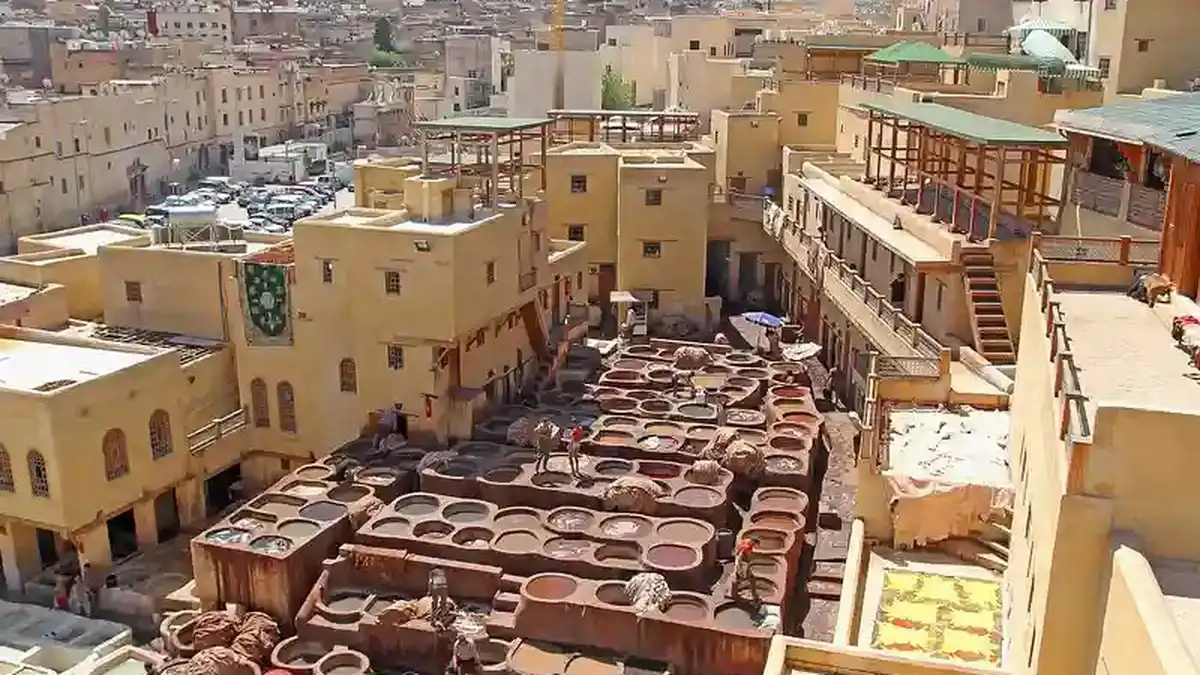
I’m Kamal, a licensed Moroccan tour guide, and Fes is one of the cities I always tell travelers not to rush. Marrakech often grabs your attention immediately. Fes works differently. You need time to walk, look, get a little lost and understand what is happening around you.
This Fes travel guide will help you plan the practical side of your visit: how many days to stay, where to stay, when to go, how to get around, what to eat, which day trips make sense and what first-time visitors should know before entering the medina.
Fes el Bali is one of the most fascinating old cities in Morocco, but it can also feel confusing when you first arrive. Narrow alleys twist in every direction, artisans work inside tiny workshops, donkeys carry goods through the streets and many riads are hidden behind doors you would walk past without noticing.
If Fes is part of a longer trip, start with my Morocco Travel Guide or compare routes in my Morocco Itinerary: 7, 10 or 14 Days. For now, this guide is about helping you enjoy Fes properly instead of simply checking it off your Morocco itinerary.
Table of Contents
Table of Contents
Fes Travel Guide at a Glance
| Best for | History, culture, traditional crafts, food and medina life |
| Ideal stay | 2 full days; 3 days if you prefer a slower trip |
| Best time to visit | March–May and September–November |
| Best area for first-time visitors | Fes el Bali or near Bab Boujloud |
| Getting around | Walk inside the medina; use petit taxis outside it |
| Good day trips | Meknes, Volubilis and the Middle Atlas |
| My advice | Do not rush Fes. Give the medina time to make sense. |
Why Visit Fes?
Fes is often described as Morocco’s spiritual and cultural capital, but what makes the city special is that so much of its history is still part of everyday life.
Inside Fes el Bali, you move between madrasas, mosques, fountains, souks and workshops where artisans still work with leather, wood, brass, ceramics and textiles. The medina is recognized as a UNESCO World Heritage Site, but it does not feel like an open-air museum. Families live here, people shop here, children go to school here and goods still move through streets that cars cannot enter.
For travelers interested in history, architecture, craftsmanship and traditional Moroccan life, Fes is one of the most rewarding cities in the country. Marrakech may be easier to understand immediately, but Fes often leaves a deeper impression once you give it time.
First Impressions of Fes
The first thing many travelers notice about Fes is how quickly the medina becomes confusing.
A wide street can suddenly turn into a narrow alley. Donkeys carrying goods pass beside you, workshops appear behind small doors and streets sometimes seem to disappear into each other. Google Maps can help, but it is not always reliable inside the oldest parts of the medina.
Do not worry if Fes feels overwhelming during your first few hours. That reaction is normal. After you begin recognizing gates, fountains, main streets and landmarks, the medina becomes much easier to understand.
For a first visit, I recommend spending at least half a day with a licensed local guide. A good guide does more than show you the way. They help you understand the architecture, religious history, crafts and neighborhoods you might otherwise walk past without noticing.
Best Things to Do in Fes at a Glance
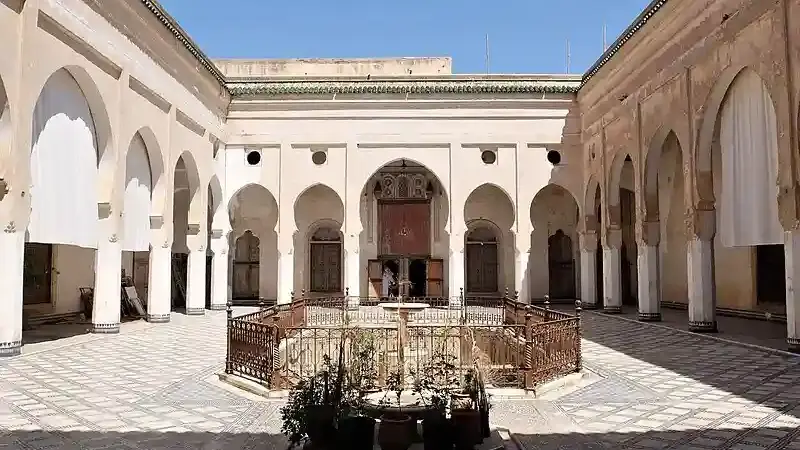
You do not need to see every attraction in Fes to understand the city. For a first visit, I would focus on a few places that show you the history, craftsmanship and atmosphere of the medina.
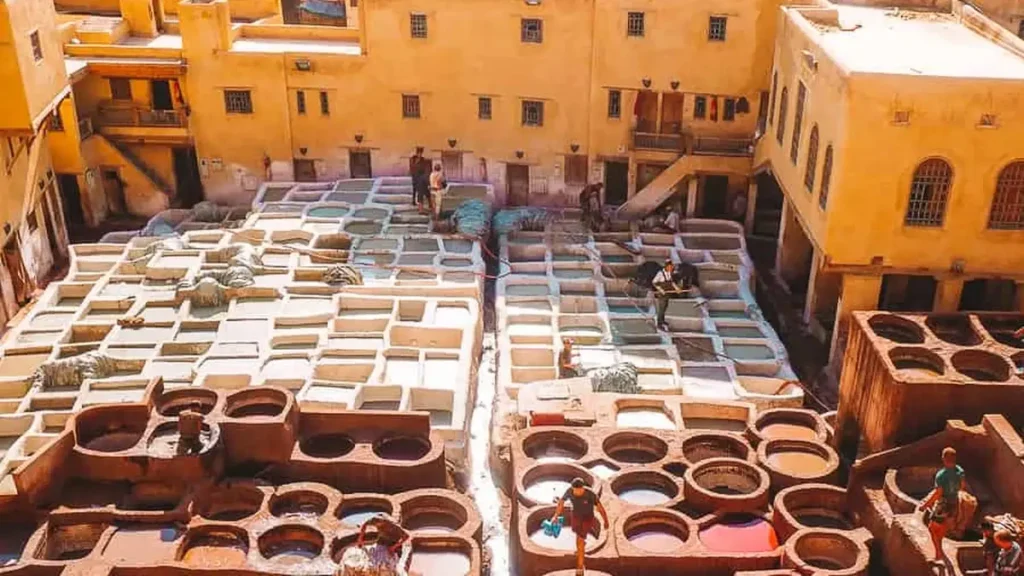
Start in Fes el Bali and enter through Bab Boujloud. From there, explore the main medina streets, visit Bou Inania Madrasa, see the Chouara Tanneries from one of the terraces, walk through the Al Quaraouiyine area and spend time around the souks and artisan workshops.
If you have more time, add the Nejjarine area, Fes Jdid, the Royal Palace gates and a viewpoint over the medina around sunset.
The important thing is not to rush between monuments. Fes is one of those cities where the streets between the sights are part of the experience.
For the full list of attractions, opening advice, local tips and the places I would prioritize on a first visit, read my Things to Do in Fes guide.
Where to Stay in Fes
For most first-time visitors, I recommend staying inside Fes el Bali or close to Bab Boujloud. You get the atmosphere of the old medina while still keeping restaurants, taxis and the main entrances relatively easy to reach.
A traditional riad is usually the best choice if you want the full Fes experience. Just check the exact location before booking. Some beautiful riads are hidden deep inside the medina, which can be wonderful once you settle in but less convenient with heavy luggage or a late-night arrival.
If you prefer wider streets, modern hotels, easier taxi access or you are traveling with a rental car, Ville Nouvelle may suit you better.
For neighborhood comparisons, riad recommendations and advice on choosing the right location, read my Where to Stay in Fes guide.
How Many Days Do You Need in Fes?
For most first-time visitors, I recommend 2 full days in Fes.
With two days, you have enough time to explore the main parts of Fes el Bali without rushing, visit the important historic sites, see the tanneries, spend time in the souks and enjoy the medina at a slower pace.
If you have 3 days, even better. The extra day gives you time for Fes Jdid, viewpoints, food, shopping or a day trip to places such as Meknes and Volubilis.
One day in Fes is possible if your Morocco itinerary is tight, but I would treat it as a highlights visit rather than a complete experience. The medina takes time to understand, and Fes is much more enjoyable once you stop trying to see everything quickly.
My recommendation is simple: 2 days for the essentials, 3 days if you want to enjoy Fes properly.
Best Time to Visit Fes
The best time to visit Fes is usually spring or autumn, especially from March to May and September to November.
These months are generally the most comfortable for walking inside the medina, where you can spend several hours on foot between narrow streets, souks, madrasas and viewpoints.
Summer can be very hot, especially in July and August. If you visit then, start sightseeing early, rest during the hottest part of the afternoon and choose accommodation with good air conditioning.
Winter can also be a good time to visit Fes if you prefer cooler weather and fewer crowds. Days can be pleasant, but mornings and evenings may feel cold, especially inside traditional riads.
For month-by-month weather and advice for the rest of the country, read my Best Time to Visit Morocco guide.
What to Eat in Fes
Fes is one of my favorite Moroccan cities for traditional food, especially if you want dishes with a strong Fassi influence and meals served in old riads.
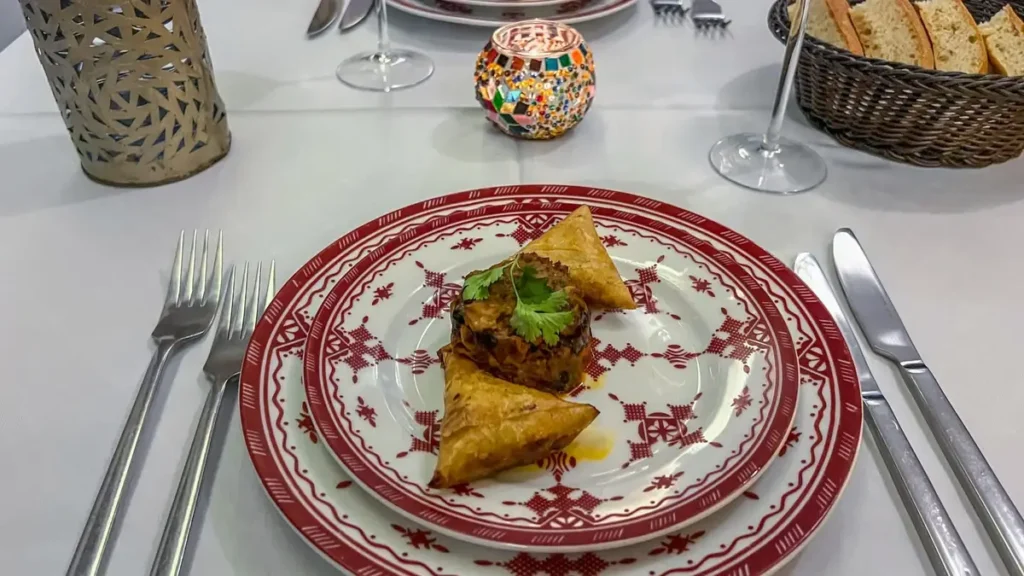
One dish I would try here is pastilla, the famous sweet-and-savory pastry that Fes is especially known for. You will also find tagines, couscous, harira, Moroccan salads, grilled meats and plenty of mint tea.
For your stay, I would mix the experiences rather than eat every meal in the same type of restaurant. Have one traditional riad dinner, try one simple local place and enjoy at least one rooftop meal or tea overlooking the medina.
Do not judge a restaurant only by how polished it looks. Some of the best meals in Fes are simple, family-style and based on recipes that have been cooked for generations.
For a deeper introduction to Moroccan dishes and what to order around the country, read my What to Eat in Morocco guide.
How to Get to Fes
Fes is well connected to Morocco’s main cities, and for most travelers the easiest options are train, flight or private road transfer.
If you are coming from Casablanca or Rabat, the train is usually the most practical choice. If you want to include a calmer city before or after Fes, my guide to visiting Rabat explains how to plan a one- or two-day stop in the capital. Fes is also connected by rail with Meknes and Marrakech, although Marrakech to Fes is a much longer journey and takes most of the day. For booking and arrival details, read my guide to travelling from Marrakech to Fes by train.
If you are traveling from Chefchaouen, there is no train connection, so you will need a bus, shared transfer, private driver or rental car.
Travelers arriving from the Sahara Desert usually reach Fes by road through the Middle Atlas. This is a long journey from the Merzouga area, but it fits naturally into many Morocco itineraries because you can travel from Marrakech through the desert and finish in Fes instead of backtracking.
Fes also has Fes-Saïss Airport, which is useful if you are flying into Morocco directly or connecting from another city.
For train routes, tickets, classes and station advice, read my Train Travel in Morocco guide. For a wider overview of buses, trains, rental cars and private transfers, see my Morocco Transportation Guide.
How to Get Around Fes
Inside Fes el Bali, you will mostly walk. Cars cannot enter most of the medina, and many of the streets are too narrow even for small vehicles.
Wear comfortable shoes because the lanes can be uneven, steep and slippery in places. Give yourself extra time because getting from one point to another often takes longer than it looks on a map.
For trips outside the medina, petit taxis are usually the easiest option. They are useful for reaching Ville Nouvelle, the train station, the Royal Palace area and neighborhoods outside the old city.
If you are staying inside the medina, ask your riad for the nearest accessible drop-off point. Many riads can also arrange someone to meet you and help with luggage, which is especially useful for late arrivals.
My advice is simple: do not try to use taxis inside the medina. Walk the old city, use taxis outside it, and arrange a clear meeting point when returning to your riad.
Is Fes Safe?
Fes is generally safe for travelers, including first-time visitors, but the medina can feel more intense and confusing than many people expect.
The main problems visitors usually deal with are getting lost, unofficial guides offering unwanted help, persistent sellers and occasional overcharging rather than serious crime.
Inside Fes el Bali, keep your phone and valuables secure in crowded areas, avoid following strangers into quiet alleys and be confident when saying no to help you did not ask for.
At night, I recommend using the busier medina routes and arranging a clear meeting point with your riad if it is hidden deep inside the old city.
For your first day, a licensed local guide can make Fes much easier to understand. Once you recognize the main gates, streets and landmarks, exploring independently becomes much more comfortable.
For broader advice on scams, valuables, transportation and traveling around the country, read my Is Morocco Safe for Tourists? guide.
Best Day Trips from Fes
Fes is a good base for exploring several places in northern and central Morocco, but not every destination works equally well as a day trip.
Meknes and Volubilis are my first choice. They combine easily in one day and give you a good mix of imperial-city history, countryside and Roman ruins without spending the whole day in the car.
The Middle Atlas, including Ifrane and the Azrou area, is another good option if you want forests, mountain scenery and a complete change from the narrow streets of the Fes medina.
Chefchaouen is possible as a day trip from Fes, but I prefer staying overnight if your itinerary allows it. Going there and back in one day means a lot of road time for only a few hours in the Blue City.
If your journey continues south toward Merzouga and the Sahara, I would not treat that as a day trip. It is a long transfer and works much better as the next stage of a Morocco itinerary.
For desert planning, see my Merzouga Sahara Desert Travel Guide and Erg Chebbi vs Erg Chigaga guide.
A Simple 2-Day Fes Itinerary
If you are using this Fes travel guide to plan two full days, I would use the first day to understand the old medina and the second day to explore beyond the main sights at a slower pace.
Day 1: Fes el Bali and the Main Medina
Start near Bab Boujloud in the morning and spend most of the day inside Fes el Bali. Visit Bou Inania Madrasa, walk through the souks and artisan areas, continue toward Al Quaraouiyine and see the Chouara Tanneries from one of the terraces.
Do not try to follow a strict minute-by-minute schedule. Stop for tea, look inside workshops and leave time for the streets between the monuments. For a first visit, this is the day when a licensed local guide can be especially useful.
Finish with dinner in the medina or a rooftop overlooking the old city.
Day 2: Fes Jdid, Local Life and a View Over the Medina
Use your second day for places outside the busiest part of Fes el Bali. Visit Fes Jdid and the Royal Palace gates, walk around the Mellah and then return to the medina for anything you missed on the first day.
Keep part of the afternoon free for shopping, food or simply wandering without a checklist.
If the weather is clear, finish near the Marinid Tombs or another viewpoint above the medina. Seeing Fes from above after spending two days inside its narrow streets helps you understand the city in a completely different way.
For a deeper list of sights and experiences, use my Things to Do in Fes guide.
Local Tips for Visiting Fes
Start your medina day early. Fes feels easier in the morning, before the streets become busier and the heat builds.
Wear comfortable shoes and carry some small cash. Many places inside the medina are easier with cash, and you will spend a lot of time walking on uneven streets.
Do not overload your day. Fes rewards slow travel more than a long checklist.
Choose your riad carefully. A beautiful place deep inside the medina can feel magical, but it can also be difficult with luggage, late arrivals or first-time navigation.
If you are using a guide, choose a licensed local guide rather than following someone who approaches you in the street.
Most importantly, do not judge Fes too quickly. Many travelers feel overwhelmed during the first few hours and completely change their mind by the second day.
Is Fes Worth Visiting? My View
Yes. Fes is one of the most rewarding cities in Morocco, especially if you are interested in history, craftsmanship, architecture, food and traditional medina life.
It is not always the easiest city for a first-time visitor. The streets can feel confusing, the medina is intense and the city asks for more patience than places such as Marrakech.
But that is also why Fes can become one of the strongest memories of a Morocco trip.
Give it at least two days. Walk slowly. Look inside the workshops. Sit somewhere quiet for tea. Let the city become familiar instead of trying to understand everything immediately.
For me, the most important advice in this Fes travel guide is not to treat Fes as a checklist of famous attractions.
FAQ About Visiting Fes
Is Fes worth visiting?
Yes. Fes is one of the best cities in Morocco for travelers interested in history, traditional crafts, architecture, food and medina life. It can feel intense at first, but giving the city at least two days makes a big difference.
How many days do you need in Fes?
I recommend 2 full days in Fes for most first-time visitors. Three days is better if you want a slower pace or plan to add a day trip to Meknes, Volubilis or the Middle Atlas.
Is Fes safe for tourists?
Fes is generally safe for tourists. The main issues inside the medina are getting lost, unwanted guiding, persistent sellers and occasional overcharging. Stay aware in crowded areas and use busier routes at night.
Can you visit Fes without a guide?
Yes, but I recommend a licensed local guide for at least part of your first day. Fes el Bali is complicated, and a good guide can help you understand the history, crafts and neighborhoods rather than simply finding your way around.
What is the best time to visit Fes?
Spring and autumn are usually the best times to visit Fes, especially March to May and September to November. Summer can be very hot, while winter is cooler and can be comfortable for sightseeing.
Where should first-time visitors stay in Fes?
For the traditional Fes experience, I recommend Fes el Bali or somewhere near Bab Boujloud. Ville Nouvelle is a better choice if you prefer modern hotels, easier taxi access or are traveling with a rental car.
What should I wear in Fes?
Wear comfortable walking shoes and practical clothing because you will spend a lot of time on foot. Fes is a traditional city, so modest clothing is a respectful and comfortable choice. Lightweight layers work well in warmer months, while winter evenings can be cold.
Is Fes better than Marrakech?
Neither city is better for everyone. Marrakech is generally easier for a first visit and has more polished tourist infrastructure, while Fes feels older, more traditional and more intense. I recommend visiting both if your Morocco itinerary allows it.