
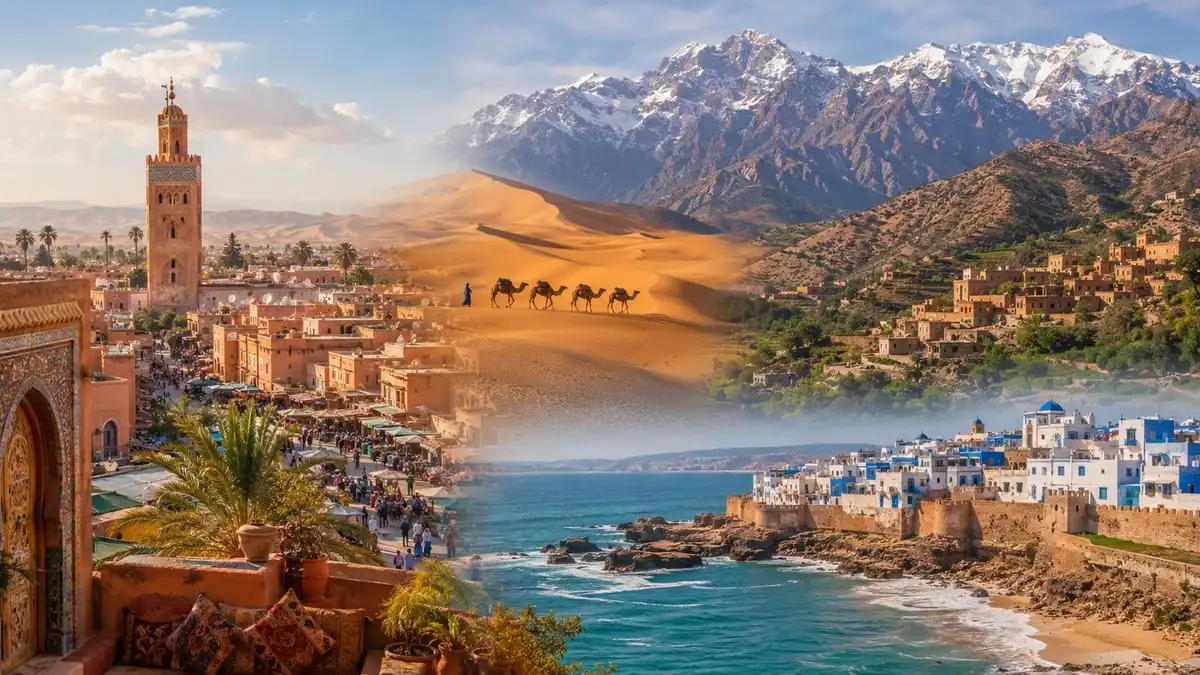
26 Best Places to Visit in Morocco: A Local Guide
Choosing the Best Places to Visit in Morocco is not only about picking famous cities from a list. Morocco is a country of strong contrasts. One traveler comes for Marrakech and the Sahara Desert. Another wants Fes, Chefchaouen, and the north. Someone else dreams about quiet coastal towns, Atlas Mountain villages, or hidden valleys where tourism still feels soft and local.
I’m Kamal, a licensed local tour guide based in Marrakech. I’ve guided travelers across Morocco since 2006, from private desert tours to city visits, mountain routes, and long country loops. So this is not a copy-paste list of Morocco destinations. This is my honest local guide to help you understand where to go, what each place is really good for, and how to build a trip that makes sense.
Morocco is a country where ancient medinas, Amazigh villages, desert landscapes, Atlantic towns, and modern cities can all be part of the same trip. If this is your first time planning a visit, start with my Morocco Travel Guide and Plan Your Trip to Morocco guides to understand routes, seasons, transport, and how much you can realistically fit into your time.
Table of Contents
Table of Contents
26 Best Places to Visit in Morocco at a Glance
The best places to visit in Morocco are Marrakech, Fes, Rabat, Casablanca, Tangier, Meknes, Chefchaouen, Essaouira, Asilah, Ifrane, Merzouga, Erg Chigaga, Agafay, Zagora, the Atlas Mountains, Ourika Valley, Imlil, Dades Valley, Todra Gorge, Ait Bouguemez, Akchour, Agadir, Taghazout, Dakhla, Safi, and Sidi Ifni. For a first trip, I would prioritize Marrakech, Fes, the Sahara Desert, Chefchaouen, and Essaouira.
If you have only 7–10 days, do not try to visit all 26. The right choices depend on your route, season, and travel style. Below, I’ll explain which destinations are worth prioritizing, how long to stay, and which places work best together.
Where I Would Go in Morocco in 2027
If you are planning a 2027 trip, start with the experience you want and the time you have. These are five places I would compare first. Choose a few that fit together; they are not a single short itinerary.
- Rabat for a calmer cultural stop: allow one full day or two days at an easier pace. It fits well into a northern rail route, but may be an unnecessary detour on a short Marrakech trip. Compare Rabat areas and hotels.
- Marrakech for a first visit: allow at least 2–3 nights for the Medina, gardens, food and shopping. Build in breaks from the busy souks, especially in hot weather. Choose your Marrakech neighborhood and riad.
- Fes for history and craftsmanship: allow at least 2 nights. Check access before choosing a Medina riad, because luggage and taxis need planning. Compare where to stay in Fes.
- Merzouga for the Sahara: make room for the journey as well as the camp night. It needs several days when combined with travel from Marrakech; it is not a realistic day trip. Compare Merzouga desert camps.
- Agadir for a beach and hotel break: allow 3 nights or more if relaxing is the purpose. Choose it for seaside comfort rather than an old Medina atmosphere. Compare Agadir areas and hotels.
How to Choose the Best Places to Visit in Morocco
The best places to visit in Morocco depend on how much time you have and the kind of trip you want. The biggest mistake I see travelers make is trying to fit every famous destination into one short itinerary. Morocco looks simple on a map, but the distances are real: Marrakech to the Sahara takes time, northern Morocco works better as its own route, and the coast and Atlas Mountains deserve more than a quick photo stop.
Before deciding where to go in Morocco, ask yourself one honest question: what kind of trip do you actually want?
For a first trip to Morocco, I would prioritize Marrakech, Fes, the Sahara Desert around Merzouga, Chefchaouen, and Essaouira if your route allows. Marrakech gives you the energy of the souks and medina, Fes offers deeper history and traditional culture, Merzouga gives you the classic Sahara experience, Chefchaouen brings a slower mountain atmosphere, and Essaouira adds a relaxed Atlantic break.
If you have 7 days, you need to be selective. With 10 days, you can combine several of Morocco’s best destinations without rushing too much. With 14 days, you have more room for the coast, smaller towns, mountain stops, and slower travel. The key is choosing places that work together geographically instead of building your trip around a long wish list.
If you need a day-by-day route, use my Morocco Itinerary 7, 10, and 14 Days guide to compare realistic itineraries.
My honest advice is simple: do not build your trip only around famous names. Build it around distance, season, comfort, and the feeling you want from the journey.
Best Cities to Visit in Morocco
Marrakech: Best for First-Time Visitors
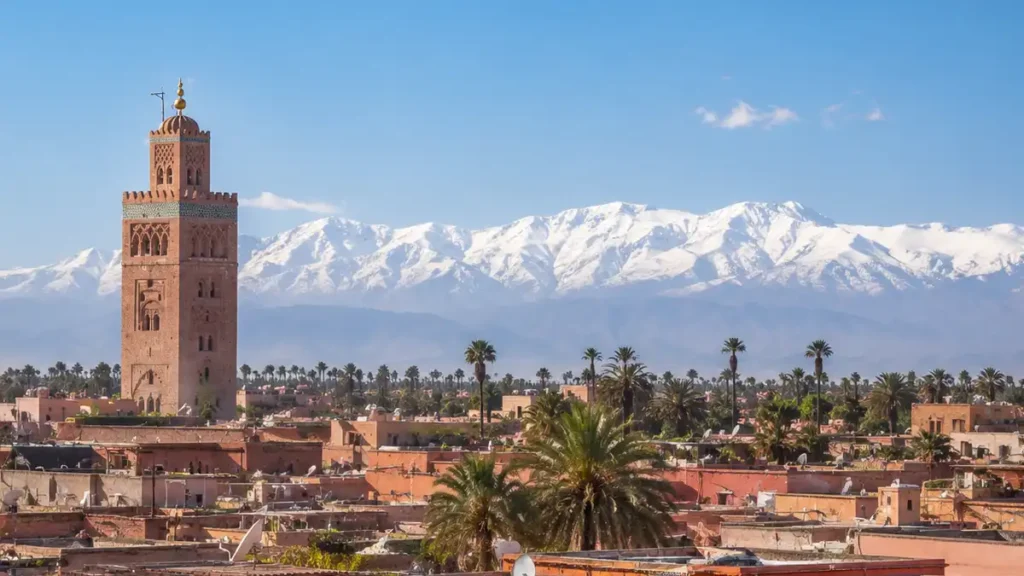
Marrakech is one of the best places to visit in Morocco for a first trip because it brings many sides of the country together in one place. You get historic sights, food, shopping, traditional riads, modern neighborhoods, and easy access to the Atlas Mountains and Agafay Desert. It can feel intense at first, but that energy is also part of what makes the city memorable.
The medina is the heart of Marrakech, with its souks, hammams, rooftop restaurants, palaces, street food, and Jemaa el-Fnaa. Outside the old city, Gueliz and Hivernage offer cafés, restaurants, gardens, and a more modern atmosphere, giving you a very different side of Marrakech.
Marrakech works especially well for first-time visitors, couples, food lovers, and travelers who enjoy shopping and having plenty to do from one base. I usually recommend spending at least 2 or 3 nights here before continuing to the mountains, desert, or another city.
My local advice is to stay inside or close to the medina if atmosphere matters to you, but choose the location carefully. A beautiful riad can still make your stay difficult if it is too far inside the alleys or inconvenient for taxis and luggage.
Read more in my Marrakech Travel Guide.
Fes: Best for History and Traditional Culture
Fes is one of the best places to visit in Morocco if you care about history, traditional craftsmanship, and old medina life. It feels very different from Marrakech: more traditional, less polished for tourism, and often more intense to navigate.
The medina is the heart of Fes, with narrow streets, artisan workshops, madrasas, fondouks, mosques, and traditional markets. This is a city where you come to understand craftsmanship, architecture, and the religious and cultural history that shaped Morocco over centuries.
Fes is especially good for history lovers, architecture, traditional crafts, and food. The medina can be confusing at first, so a knowledgeable local guide can add real value if you want to understand what you are seeing rather than simply follow the busiest streets.
My advice is to stay at least 2 nights. One quick day does not give Fes enough time.
Read more in my Fes Travel Guide.
Rabat: Best for a Relaxed City Break
Rabat is one of the best places to visit in Morocco if you want history and culture at a slower pace. As the capital, it feels calmer and more organized than Marrakech or Fes, with wide avenues, Atlantic air, and an easier rhythm for sightseeing.
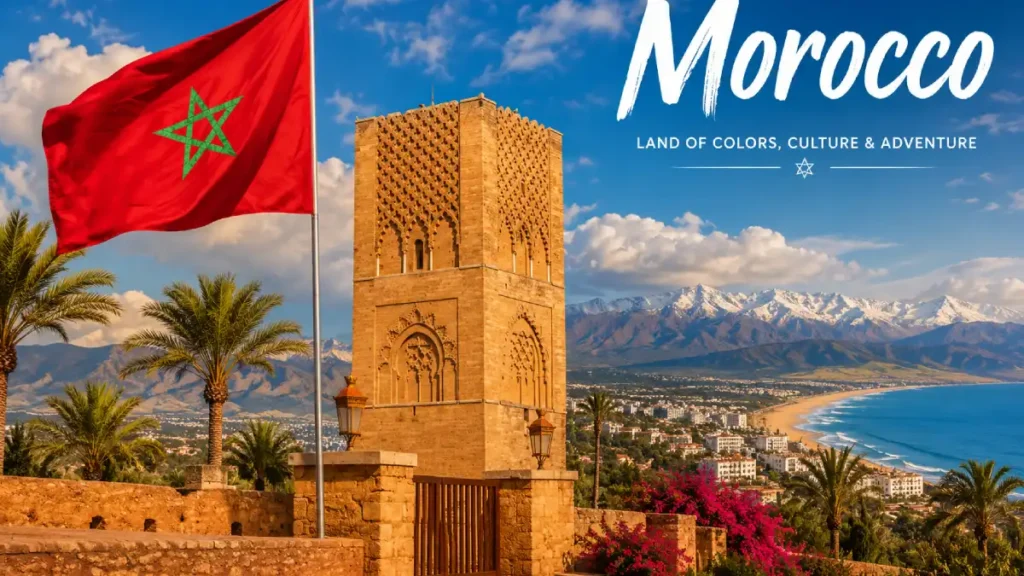
The main sights include Hassan Tower, the Mohammed V Mausoleum, the Kasbah of the Udayas, the medina, and the riverfront. What I like about Rabat is that you can see important monuments without the same level of crowds or pressure you find in Morocco’s busier tourist cities.
Rabat works especially well for couples, families, and history lovers. I usually recommend 1 or 2 nights, particularly if you are traveling between Casablanca, Tangier, and Fes.
Rabat features in Lonely Planet’s Best in Travel 2027 selections. For practical planning, read my Rabat Travel Guide. If you are staying overnight, compare Rabat hotels and riads by area before booking.
Casablanca: Best for Hassan II Mosque and a Short Stay
Casablanca is worth including if you want to see the Hassan II Mosque and experience a very different side of Morocco. As the country’s largest city and business center, it feels more modern and fast-paced than Marrakech, Fes, or Chefchaouen.
The Hassan II Mosque is the main reason I recommend stopping here. Its location beside the Atlantic is spectacular, and it is one of the few major mosques in Morocco that non-Muslim visitors can enter on a guided visit. Beyond the mosque, Casablanca has the corniche, restaurants, shopping areas, and busy neighborhoods that show how everyday life works in Morocco’s biggest city.
For most first-time visitors, I recommend one night. Casablanca works especially well at the beginning or end of a trip, particularly if you are flying through the city, rather than as a destination where you need several days.
Read more in my Casablanca Travel Guide.
Tangier: Best for Northern Morocco and Coastal Atmosphere
Tangier is one of the most interesting places to visit in northern Morocco because it combines Atlantic and Mediterranean influences with a long history of connections between Morocco and Europe. From parts of the coast, Spain lies across the Strait of Gibraltar, which gives the city a very different feeling from Marrakech or Fes.
The old medina, Kasbah, Café Hafa, corniche, marina, and nearby Cap Spartel make Tangier easy to enjoy over a short stay. The city also works well as a starting or ending point for a northern Morocco route, especially if you are combining it with Chefchaouen, Asilah, Rabat, or Fes.
Tangier is especially good for couples, solo travelers, coastal trips, and visitors arriving from Spain. I usually recommend 1 or 2 nights, which is enough time to explore the medina, enjoy the sea views, and experience the city without rushing.
Read more in my Tangier Travel Guide.
Meknes: Best for History and a Slower Pace
Meknes is one of Morocco’s four imperial cities, but it feels very different from Marrakech or Fes. It receives fewer visitors, which makes it a good choice if you want historic surroundings without the same level of crowds and tourist activity.
The city is known for its monumental gates, old walls, historic squares, markets, and quieter medina streets. Meknes also pairs naturally with Volubilis, the Roman archaeological site nearby, so the two can easily be combined in the same part of your trip.
Meknes works best for history lovers, slower travelers, and anyone interested in seeing a less touristy imperial city. You do not need several days here; one full day or an overnight stay is enough for most first-time visitors.
My advice is not to compare Meknes with Marrakech or Fes. Its appeal is exactly the opposite: it is quieter, easier to explore, and gives you a break from Morocco’s more intense cities.
Best Small Towns and Relaxed Destinations
Chefchaouen: Best for Scenery and a Slower Pace
Chefchaouen is one of Morocco’s most distinctive small towns, known for its blue-painted streets and setting in the Rif Mountains. It is especially popular with couples, photographers, and travelers who want a quieter stop after busier cities.
The center can feel very touristy, especially around the most photographed blue alleys. I always recommend walking beyond those streets, taking time to enjoy the mountain views, and exploring the quieter parts of town where the atmosphere feels more natural.
Chefchaouen works best as part of a northern Morocco route, especially with Tangier or Fes. For most travelers, 1 or 2 nights is enough to enjoy the town without rushing.
Read more in my Chefchaouen Travel Guide.
Essaouira: Best for a Relaxed Atlantic Break
Essaouira is one of my favorite places to recommend after Marrakech because the change of pace is immediate. The air feels cooler, the streets are easier to explore, and the whole city has a more relaxed rhythm.
The medina, fishing port, ramparts, seafood restaurants, surf culture, and Atlantic setting give Essaouira a character of its own. This is not a city where you need to rush between major monuments. The experience is more about walking the medina, watching the fishing boats, eating fresh seafood, and spending time by the ocean.
Essaouira works especially well for couples, families, solo travelers, food lovers, and anyone who wants a break from Morocco’s busier inland cities. I usually recommend at least 1 or 2 nights rather than treating it only as a quick day trip from Marrakech.
Read more in my Essaouira Travel Guide.
Asilah: Best for Art and Atlantic Calm
Asilah is a small coastal town in northern Morocco, close to Tangier, with whitewashed streets, colorful murals, old sea walls, and a relaxed Atlantic atmosphere. It feels quieter and more compact than many of Morocco’s better-known destinations.
The medina is easy to explore on foot, and much of Asilah’s charm comes from simply wandering, stopping for sea views, and discovering the artwork painted across its walls. It is especially enjoyable for travelers who like photography, art, and places that do not require a packed sightseeing schedule.
Asilah works best as a short stop on a northern Morocco route, usually for one night or a relaxed day visit from Tangier. I would not build a first trip around it, but if you are already in the north, it adds a peaceful coastal contrast.
Ifrane: Best for a Different Side of Morocco
Ifrane often surprises first-time visitors because it looks so different from the Morocco they imagined. The town has alpine-style architecture, wide streets, green spaces, and a much cooler climate than cities such as Marrakech or Fes. In winter, the surrounding Middle Atlas can even receive snow.
Ifrane is not a must-see on every first trip, but it works well if you are already traveling through the Middle Atlas or want a quieter stop between larger cities. The contrast itself is part of the experience.
Ifrane is best for families, nature lovers, winter trips, and travelers who enjoy seeing a less familiar side of Morocco. For most visitors, a short stop or one night is enough.
Best Desert Destinations in Morocco
Merzouga and Erg Chebbi: Best for the Classic Sahara Experience
Merzouga is the best-known gateway to the Sahara in Morocco and, for most first-time visitors, the easiest place to experience the large golden dunes they have imagined. The Erg Chebbi dune field rises directly beside the village, making the desert feel dramatic as soon as you arrive.
This is where you can take a camel ride at sunset, sleep in a desert camp, walk the dunes, watch the stars, or simply enjoy the silence of the Sahara. There is a wide range of accommodation, from simple camps to more comfortable options with private tents and bathrooms.
Merzouga works especially well for first-time Sahara visitors, couples, families, and photographers. My advice is to spend at least one night near the dunes rather than arriving, taking a quick camel ride, and leaving the same day. The overnight experience is what makes the long journey worthwhile.
If you are thinking about sleeping in the dunes, read my guide to the Best Desert Camps in Merzouga before booking.
Erg Chigaga: Best for a Remote Sahara Experience
Erg Chigaga is a better choice than Merzouga for travelers who want a more remote and adventurous desert experience. Reaching the dunes usually requires a 4×4 journey from M’Hamid or the Zagora side, so getting there feels like part of the adventure rather than simply arriving at a desert town.
The reward is space, silence, and far fewer visitors. The camps are more isolated, the landscape feels wilder, and the experience suits travelers who want to spend more time away from roads and busy tourism areas.
Erg Chigaga works especially well for adventure travelers, photographers, repeat visitors to Morocco, and anyone comfortable with longer travel days. I would choose it over Merzouga only if remoteness matters more to you than convenience.
If you are choosing between the two main dune areas, read my guide to Erg Chebbi vs Erg Chigaga.
Agafay Desert: Best for a Quick Escape from Marrakech
Agafay is a rocky desert landscape outside Marrakech, not the Sahara, and that distinction matters. You will not find the huge golden dunes of Merzouga or Erg Chigaga here, but you can still get open views, dry desert scenery, and a strong sense of space without traveling far from the city.
Agafay works well if you have limited time and want a sunset dinner, camel ride, quad biking, pool day, or an overnight stay in a desert-style camp. It is much easier to reach from Marrakech than the Sahara, which makes it a practical option for short trips.
I recommend Agafay for travelers who want a desert atmosphere without committing several days to the journey south. But if your dream is to see real Sahara dunes, choose Merzouga or Erg Chigaga instead.
Read more in my Agafay Desert Day Trip from Marrakech guide.
Zagora and the Draa Valley: Best for Palm Groves and a Quieter Desert Route
Zagora and the Draa Valley offer a very different experience from Merzouga. You will not find the same huge dune fields, but you do get long palm groves, old kasbahs, dry valleys, small villages, and beautiful southern landscapes along the route.
This area works well for travelers who care more about atmosphere, scenery, and a slower journey than about reaching the biggest dunes. The Draa Valley is especially beautiful at sunset, and the quieter camps and open skies can make the experience feel more peaceful than busier Sahara routes.
I recommend Zagora and the Draa Valley for couples, road-trip travelers, photographers, and anyone who wants a softer desert experience. If your priority is giant golden dunes, choose Merzouga instead.
Best Mountain and Nature Destinations
Atlas Mountains: Best for Scenery, Villages and Fresh Air
The Atlas Mountains are one of the best places to experience Morocco beyond its cities. From Marrakech, the scenery changes quickly as the road climbs into cooler valleys, terraced hillsides, and traditional Amazigh villages.
You can visit the mountains on a day trip, stay overnight in a lodge, walk between villages, or plan a longer trek. Ourika works well for an easy escape, while Imlil is better for hiking and higher mountain scenery.
The Atlas Mountains are a good choice for nature lovers, families, photographers, and travelers who want a quieter contrast to Marrakech, Fes, and the Sahara. Even one night in the mountains can make a Morocco itinerary feel more balanced.
Because the Atlas Mountains cover several very different regions, use my complete Atlas Mountains Morocco guide to compare the High Atlas, Middle Atlas and Anti-Atlas, including the best places to visit, realistic trip lengths and overnight options.
Ourika Valley: Best for an Easy Nature Escape from Marrakech
Ourika Valley is one of the easiest mountain escapes from Marrakech. It is close enough for a day trip and works well for travelers who want river views, waterfalls, mountain scenery, and a quick taste of village life without spending hours on the road.
The most popular area is around Setti Fatma, where you can walk near the river, stop for lunch by the water, or hike toward the waterfalls. The valley can become busy on weekends and holidays, so I usually prefer visiting on a weekday when possible.
Ourika is especially good for families, first-time visitors, and travelers with limited time. If you are planning the trip from Marrakech, read my full Ourika Valley Day Trip From Marrakech guide for transport, hiking, costs, and practical local advice.
Imlil: Best for High Atlas Hiking and Mountain Views
Imlil is a small High Atlas village best known as the main base for trekking Mount Toubkal, but you do not need to climb the summit to enjoy it. The surrounding landscape of stone villages, mountain trails, walnut trees, and steep valleys makes Imlil worth visiting even for a shorter stay.
You can come for a village walk, enjoy the mountain views, have lunch overlooking the valley, or stay overnight before a longer trek. The atmosphere is much quieter than Marrakech and gives you a closer look at life in the High Atlas.
Imlil works especially well for hikers, nature lovers, photographers, and travelers who want more than a quick mountain day trip. For serious trekking, weather, altitude, and trail conditions matter, so I recommend going with an experienced local mountain guide rather than treating the higher routes like a casual walk.
Dades Valley: Best for Road Trips and Dramatic Scenery
Dades Valley is one of the most scenic stops in southern Morocco, with old kasbahs, palm groves, dramatic rock formations, winding mountain roads, and the famous Monkey Fingers landscape.
Most travelers pass through Dades on the route between Marrakech and Merzouga, but I think it deserves more than a quick photo stop. Staying overnight gives you time to enjoy the valley when the day-trip traffic has gone and to explore the surrounding viewpoints at a slower pace.
Dades works especially well for road-trip travelers, photographers, couples, and anyone who enjoys landscapes more than busy city sightseeing. If your itinerary allows it, one night here fits naturally between Ait Ben Haddou or Ouarzazate and the Sahara.
Todra Gorge: Best for Canyon Scenery and an Easy Walk
Todra Gorge is one of the most dramatic natural stops in southern Morocco, with steep limestone walls rising on both sides of the narrow canyon near Tinghir. It is often included on the route between Dades Valley and Merzouga, which makes it an easy addition to a desert itinerary.
You do not need to be a serious hiker to enjoy it. A short walk through the gorge is enough to appreciate the scale of the canyon, while longer trails and climbing routes are available for travelers who want more adventure.
Todra Gorge works especially well for road-trip travelers, families, photographers, and anyone who wants a scenic break between longer driving days. I usually recommend stopping for a walk and, if your schedule allows, combining it with time in Tinghir or the nearby palm oasis.
Ait Bouguemez: Best for Quiet Mountain Villages and Slow Travel
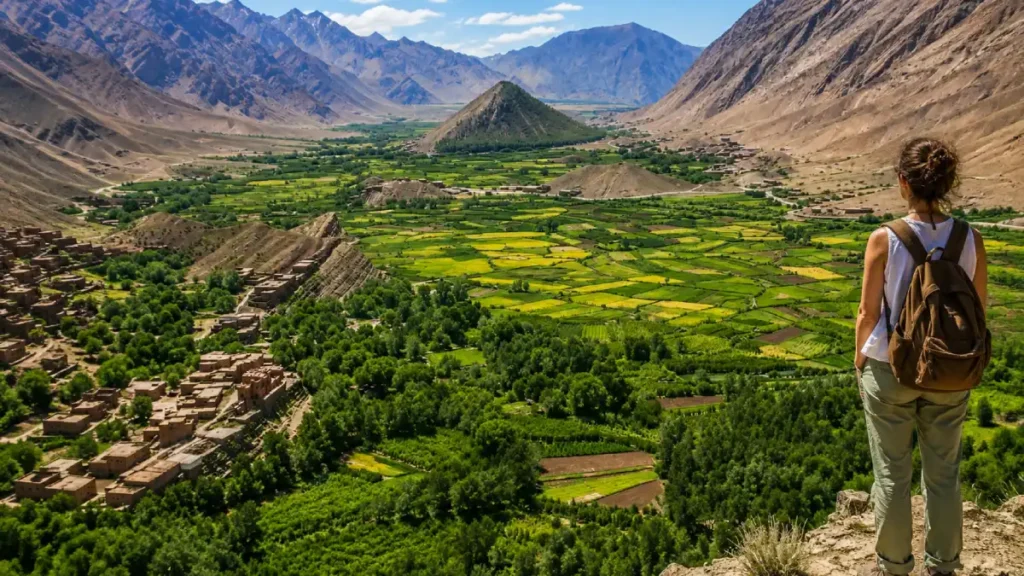
Ait Bouguemez, often called the Happy Valley, is one of the best places in Morocco for travelers who want mountain scenery without the crowds of the better-known routes. The valley is wide, green in season, and dotted with traditional villages, farmland, and walking paths.
This is a place to slow down. You come for village walks, open landscapes, simple guesthouses, local life, and the feeling of being far from Morocco’s busier tourist centers. It suits travelers who enjoy nature and quiet more than nightlife, shopping, or fast sightseeing.
I especially recommend Ait Bouguemez for repeat visitors, hikers, photographers, and travelers looking for a more peaceful side of Morocco. It takes more effort to reach, but that is also part of what keeps the valley feeling special.
Akchour Waterfalls: Best for Hiking and Nature Near Chefchaouen
Akchour is one of the best nature escapes in northern Morocco, with mountain trails, river scenery, and waterfalls not far from Chefchaouen. It adds a very different experience to a trip that might otherwise focus only on blue streets and medina sightseeing.
The area works best for travelers who enjoy walking and being outdoors. Depending on your time and fitness, you can choose a shorter riverside walk or spend longer exploring the trails and waterfall areas.
Akchour is especially good for hikers, couples, photographers, and travelers who want to combine Chefchaouen with a more active day in nature. I recommend wearing proper walking shoes and allowing enough time so the visit does not feel rushed.
Best Coastal Destinations in Morocco
Agadir: Best for Beaches and an Easy Resort Stay
Agadir is one of Morocco’s easiest destinations for a relaxed beach holiday. The city has a long sandy bay, modern hotels, restaurants, cafés, and a wide seafront promenade, so it works well for travelers who want sunshine and comfort without a complicated sightseeing schedule.
Agadir feels very different from Marrakech or Fes. Much of the historic city was destroyed by the 1960 earthquake, so you should not come expecting a large traditional medina or the same atmosphere as Morocco’s imperial cities. The experience here is more about the beach, resorts, seafood, and an easy coastal lifestyle.
Agadir works especially well for families, couples, beach lovers, and travelers who want a few relaxing days during a longer Morocco trip. I would choose it for comfort and beach time rather than deep history or traditional medina life.
Taghazout: Best for Surfing and a Laid-Back Coast
Taghazout is one of Morocco’s best-known surf towns, with Atlantic waves, beach cafés, yoga retreats, and a relaxed village atmosphere. It attracts surfers from around the world, but you do not need to surf to enjoy it.
The town works well if you want a slower coastal stop with easy beach time, casual restaurants, and a more social atmosphere than quieter places such as Asilah or Sidi Ifni. It has also become popular with remote workers and long-stay travelers, which gives it a different feel from traditional Moroccan beach towns.
Taghazout is best for surfers, couples, solo travelers, and anyone who wants a few easy days by the ocean. I usually recommend staying at least 2 nights if you want time to enjoy both the beach and the surrounding coast without rushing.
Dakhla: Best for Kitesurfing and Wild Coastal Scenery
Dakhla feels completely different from northern and central Morocco. Far in the south, desert landscapes meet a wide Atlantic lagoon, creating one of the country’s most unusual coastal settings.
The area is best known for kitesurfing, wind sports, seafood, and long stretches of open scenery. Even if you are not coming for water sports, the combination of desert, ocean, and quiet space makes Dakhla feel very different from Morocco’s busier cities and beach resorts.
Dakhla works especially well for adventure travelers, couples, photographers, and anyone looking for a less conventional Morocco experience. Because of the distance from the rest of the country, I would only include it if you have enough time to make the journey worthwhile.
Safi: Best for Ceramics and a More Local Atlantic Coast
Safi is not as famous as Essaouira or Agadir, but it has a strong local identity. The city is known for its ceramics, Atlantic coastline, fishing culture, and surf breaks, giving it a very different feel from Morocco’s more polished beach destinations.
One of the most interesting parts of Safi is its pottery tradition, especially around the pottery quarter, where you can see workshops and shops selling locally made ceramics. The city itself feels more working and less tourist-focused, which is exactly what some travelers appreciate.
Safi works best for travelers interested in crafts, surfing, photography, and a more everyday side of coastal Morocco. I would include it as part of a longer Atlantic road trip rather than make it a priority on a short first visit.
Sidi Ifni: Best for a Quiet and Different Atlantic Escape
Sidi Ifni is one of the quieter coastal towns I recommend for travelers who want to see a less touristy side of Morocco. Its Spanish-influenced architecture, Atlantic cliffs, old streets, and slower pace give the town a character that feels very different from Essaouira or Agadir.
The appeal here is not a long list of major attractions. It is the atmosphere: walking along the coast, watching the ocean, exploring the town slowly, and enjoying a place that still feels removed from Morocco’s busiest tourism routes.
Sidi Ifni works best for couples, photographers, road-trip travelers, and anyone who enjoys peaceful coastal towns. I would include it on a longer southern Atlantic route rather than make it a priority on a short first trip.
If you want to compare the coast before choosing where to stay, read my full guide to the best beaches in Morocco, where I explain which beaches are best for swimming, surfing, families, road trips, and relaxed Atlantic stays.
Best Morocco Destinations by Travel Style
First-Time Visitors
For a first trip, I usually recommend combining Marrakech, Fes, and the Sahara, then adding Chefchaouen or Essaouira if your route and time allow. This gives you a good mix of medinas, culture, landscapes, and desert without trying to see too much at once.
With around 10 days, Marrakech, Merzouga, Fes, and Chefchaouen can work well together if you are comfortable with some longer travel days.
Couples
Marrakech, Essaouira, Chefchaouen, and the Sahara are some of my favorite choices for couples. Marrakech offers beautiful riads and restaurants, Essaouira gives you a slower coastal break, and Chefchaouen is ideal for relaxed walks and mountain views.
For the desert, I would focus less on luxury labels and more on the overall experience. A well-paced route, a good camp, sunset in the dunes, and a quiet evening under the stars can be far more memorable than rushing there and back. Zagora and the Draa Valley are also good choices for couples who prefer a quieter southern route.
Families
For families, I usually recommend Marrakech, Essaouira, the Atlas Mountains, and Merzouga. Children often enjoy camel rides, desert camps, swimming pools, cooking experiences, and easy nature stops.
The most important thing is pacing. Avoid changing hotels every night, and leave enough time between longer driving days so the trip stays enjoyable for everyone.
Luxury Travelers
Marrakech is the strongest base for luxury travel, with excellent riads, resorts, restaurants, spas, and private experiences. You can then combine it with a mountain lodge in the Atlas Mountains or a comfortable Sahara camp with private tents and ensuite bathrooms.
Private drivers also make longer routes much easier, especially when your itinerary includes mountain roads, desert areas, or several stops. For luxury travelers, I recommend spending more time in fewer places rather than trying to cover the entire country quickly.
Adventure Travelers
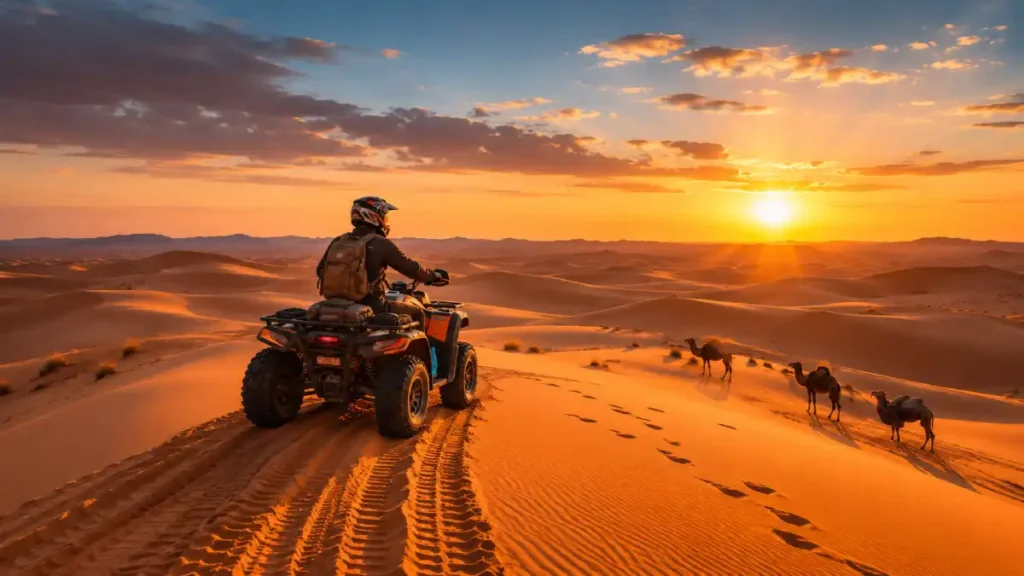
Adventure travelers have plenty of choices across Morocco. The Atlas Mountains are excellent for trekking, Todra Gorge for hiking and climbing, and Merzouga or Erg Chigaga for desert camping, camel rides, and 4×4 experiences.
For something different, Dakhla is one of the best places for kitesurfing, while Taghazout offers surfing on the Atlantic coast and Akchour adds hiking and mountain scenery to a northern Morocco route.
Culture Lovers
Fes is my first choice for travelers who want to understand Morocco’s history, craftsmanship, and traditional medina life. Marrakech offers a different kind of cultural experience, while Meknes and Rabat add imperial history at a slower pace.
Beyond the major sights, some of the best cultural experiences come from everyday details: artisan workshops, souks, traditional food, hammams, music, ceramics, carpets, and time spent inside the old medinas rather than simply moving from monument to monument.
Solo Travelers
Morocco can work very well for solo travelers, especially if you keep the route simple and stay in central, well-reviewed accommodation. Tangier, Rabat, Casablanca, Marrakech, and Fes are all connected by rail, which makes independent travel between the main cities relatively straightforward.
For a first solo trip, I recommend building the itinerary around a few well-connected places rather than trying to cover the entire country. If your route includes the Atlas Mountains, small villages, or the Sahara, organized transport or a trusted driver can make those sections much easier. Read my Morocco Transportation Guide before building your route.
Suggested Morocco Destination Routes
7 Days in Morocco
With 7 days, keep the route focused. A Marrakech-to-Sahara-and-Fes journey is possible, but you need to accept some long driving days. If you prefer a slower trip, choose either southern Morocco and the desert or a northern route built around Fes, Chefchaouen, and Tangier.
10 Days in Morocco
Ten days gives you much more flexibility. A strong first-time route can combine Marrakech, the Atlas Mountains, Ait Ben Haddou, Dades or Todra, Merzouga, Fes, and Chefchaouen. You will still cover plenty of ground, but the trip feels more balanced than trying to fit the same places into one week.
For detailed day-by-day options, use my Morocco Itinerary 7, 10, and 14 Days guide.
14 Days in Morocco
With 14 days, you can slow the journey down and include places that are difficult to fit into shorter trips. Marrakech, Essaouira, the Atlas Mountains, the Sahara, Fes, Chefchaouen, and northern cities can all work together with careful planning.
The extra time also gives you room for smaller stops and rest days, which often make a Morocco trip much more enjoyable than simply adding more destinations.
My Honest Local Advice
After years of guiding travelers around Morocco, the biggest advice I can give you is not to choose destinations simply because they are famous online. Choose places that work together and match the kind of trip you actually want.
Marrakech is exciting, but it can feel intense. Fes rewards travelers who give it time. Chefchaouen is beautiful, but I prefer it when you explore beyond the busiest blue streets. Casablanca is usually better as a short stop, while the Atlas Mountains and Sahara are worth slowing down for rather than squeezing into an already crowded itinerary.
Use trains where they make sense, especially between major northern cities, and consider private transport for mountain, desert, and rural routes where public connections become less convenient. During busy travel periods, I also recommend booking important accommodation and desert stays in advance.
Most importantly, do not rush Morocco. Some of the moments travelers remember most are not the famous sights at all: a quiet breakfast in a riad, tea in a mountain village, a roadside viewpoint, a conversation with someone local, or sunset after a long day on the road.
If you are not sure which places fit your time, budget, and travel style, you can message me on WhatsApp and I’ll help you understand what makes sense before you build the route.
FAQ About the Best Places to Visit in Morocco
What are the best places to visit in Morocco for first-time visitors?
For a first trip, I usually recommend Marrakech, Fes, the Sahara around Merzouga, Chefchaouen, and Essaouira if your time allows. Together, they give you a good mix of medinas, traditional culture, desert landscapes, mountains, and the Atlantic coast.
Which city is best to visit in Morocco?
For most first-time visitors, Marrakech is the easiest place to start because it combines historic sights, food, shopping, riads, and easy day trips. Fes is my choice if history, craftsmanship, and traditional medina life are your main priorities.
How many days do you need to visit Morocco?
Seven days is enough for a focused route, but 10 days gives you a much better balance between cities and the desert. With 14 days, you can travel more slowly and add places such as Essaouira, Chefchaouen, or smaller mountain and coastal stops. For detailed routes, see my Morocco Itinerary 7, 10, and 14 Days guide.
What is the best place in Morocco for the Sahara Desert?
For most first-time visitors, I recommend Merzouga and the Erg Chebbi dunes. The area is easier to reach and offers the classic Sahara experience with camel rides, desert camps, sunsets, and large golden dunes. Erg Chigaga is better if you want something more remote and adventurous.
What are some quieter places to visit in Morocco?
Essaouira, Asilah, Ait Bouguemez, Sidi Ifni, Meknes, and parts of the Draa Valley are good choices if you prefer a slower trip. They offer very different experiences, from Atlantic towns to mountain villages and southern palm valleys.
Can you see the Sahara Desert as a day trip from Marrakech?
No. You cannot properly visit the real Sahara dunes as a day trip from Marrakech. Merzouga and Erg Chigaga require long travel, and a proper Sahara experience usually needs at least 3 days. If you only have one day, Agafay Desert near Marrakech is the easier option, but it does not have the big Sahara dunes.
Should I visit Marrakech or Fes?
If it is your first trip and you want energy, food, shopping, riads, and easy excursions, I would choose Marrakech. If you care more about history, traditional craftsmanship, architecture, and old medina life, choose Fes. If your itinerary allows it, visiting both gives you two very different sides of Morocco.
Which part of Morocco is best to visit?
It depends on the experience you want. Marrakech and southern Morocco are best for combining cities, the Atlas Mountains, kasbahs, and the Sahara. Northern Morocco is better for Fes, Chefchaouen, Tangier, and a more cultural route, while the Atlantic coast is ideal if you want beaches, seafood, surfing, and a slower pace.