Morocco Packing List: What to Pack for Morocco by Season
Most travelers get their Morocco packing list wrong. Not because they do not care, but because they do not always understand how Morocco feels once they arrive.
Morocco is not one simple climate. In one trip, you may walk through hot medina streets, climb riad stairs, feel Atlantic wind on the coast, cross mountain roads, sit in taxis, visit desert camps, and wake up to cold mornings in places that looked warm in photos. This is why packing for Morocco is not only about clothes. It is about comfort, movement, weather, and real travel days.
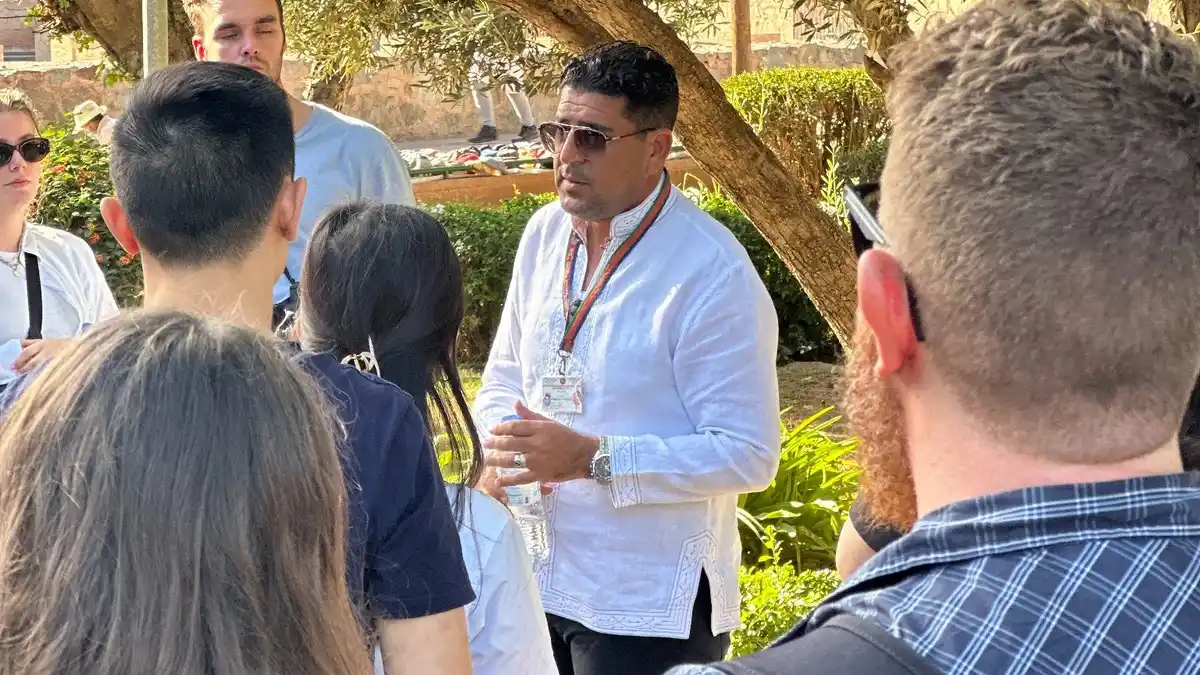
As a Moroccan local guide in Marrakech, I see the same packing mistakes again and again. Travelers bring too many clothes, the wrong shoes, no warm layer, or a huge suitcase that becomes difficult inside riads and old medinas. Others pack only for Instagram photos and forget they will actually be walking, sitting, bargaining, climbing stairs, taking trains, and moving between cities.
This Morocco packing list is written from real experience on the ground. I will show you what to pack for Marrakech, Fes, the Sahara Desert, the Atlas Mountains, the coast, and different seasons in Morocco. The goal is not to make packing complicated. The goal is to help you arrive prepared, comfortable, and ready to enjoy the country.
Before you pack, it also helps to understand how Morocco works as a trip. My Morocco Travel Guide gives a wider view of routes, travel style, transport, money, weather, and what to expect before you arrive.
Table of Contents
Table of Contents
Some links in this guide may be affiliate links. If you use them, I may earn a small commission at no extra cost to you. This helps support Kamal and Morocco Tips while keeping these local travel guides free for readers.
Quick Answer: What Should You Pack for Morocco?
For most Morocco trips, pack comfortable walking shoes, breathable clothes, light layers, sunglasses, sunscreen, a small day bag, a power adapter, a power bank, one warm layer for evenings, and working mobile data. If your trip includes the Sahara Desert, Atlas Mountains, or winter travel, bring warmer clothing than you first expect.
The most important rule is simple: pack for movement. In Morocco, you may walk through medinas, climb riad stairs, sit in taxis, travel between cities, visit monuments, shop in souks, and move between sun and shade in the same day. Clothes that feel comfortable all day are more useful than outfits that only look good for one photo.
A good Morocco packing list should make your trip feel easier. It should help you walk longer, move lighter, stay warm when the temperature drops, and avoid small daily problems that become annoying when you are far from your hotel.
What to Pack for Morocco at a Glance
Best use of this Morocco packing list: city travel, desert tours, mountains, coast, and seasonal trips
Most important item: comfortable walking shoes
Best fabrics: cotton, linen, breathable blends, and easy layers
For Marrakech and Fes: light clothes, modest comfort, sunglasses, small day bag, good shoes
For the Sahara Desert: warm layer, scarf, lip balm, sunglasses, power bank, offline maps
For the Atlas Mountains: closed shoes, layers, jacket or fleece, warmer clothes in winter
For the coast: light layers, wind protection, sunglasses, comfortable shoes
For summer: lightweight clothes, sun protection, hat, swimwear, breathable shoes
For winter: layers, warm jacket, socks, scarf, closed shoes
For your phone: power bank, adapter, charging cable, offline maps, and mobile data
Easy mistake: packing too many outfits and not enough practical layers
What to Pack for Morocco Depends on How You Move
One thing many packing guides do not explain clearly is this: packing for Morocco is not really about the country. It is about movement.
You do not stay still in Morocco, even when you think you will. You walk through medinas. You climb riad stairs. You step in and out of taxis. You sit on low cushions, café chairs, stone steps, and sometimes whatever is nearby. Your day moves between direct sun, shade, cool interiors, busy streets, rooftops, gardens, and long drives.
That is why clothes that seem fine in one moment can feel wrong an hour later. A heavy outfit may feel okay at breakfast, then uncomfortable in the souks. Weak sandals may look nice in the riad, then hurt after two hours on old stones. A big suitcase may feel normal at the airport, then become a problem when your riad is down a narrow medina lane.
When travelers ask me what to pack for Morocco, I do not start with fashion. I start with a simple question: will what you packed let you move comfortably for a full day?
If the answer is yes, you packed well. If the answer is no, Morocco starts to feel heavier than it should.
What to Wear in Morocco
You do not need special clothes for Morocco. You need versatile clothes.
In real life, most people here dress for daily comfort, social ease, weather, and movement. Travelers who match that energy usually feel comfortable. Travelers who pack as if Morocco requires a special costume often feel uncomfortable instead.
Loose clothes usually work better than tight clothes. Breathable fabrics work better than heavy fabrics. Layers are more useful than bulky single items. The best clothes for Morocco let you walk comfortably, sit easily, handle heat and shade in the same day, and add one layer without changing your whole outfit.
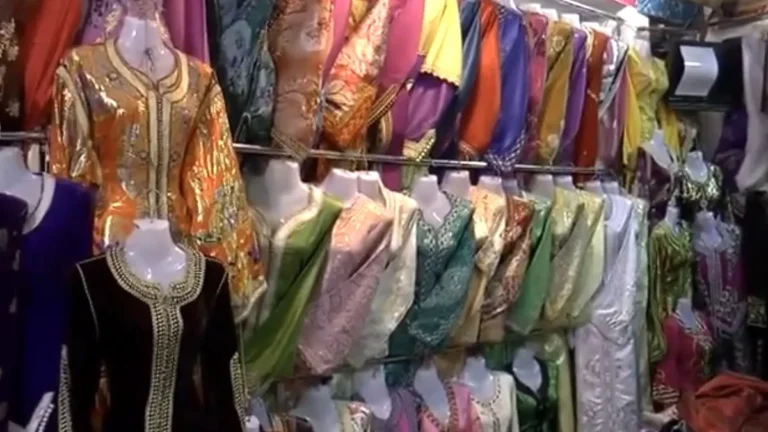
This is not about hiding yourself. It is about not fighting the environment. In cities like Marrakech, Fes, Rabat, Chefchaouen, Tangier, and Essaouira, you will feel better in clothes that are relaxed, respectful, and practical. That can mean loose trousers, cotton shirts, linen tops, midi dresses, long skirts, lightweight layers, or simple travel clothes that do not cling too much in the heat.
If you want a deeper guide about clothing, read my How to Dress in Morocco guide before your trip.
Packing for Marrakech, Fes, and City Travel
Marrakech and Fes reveal packing mistakes quickly.
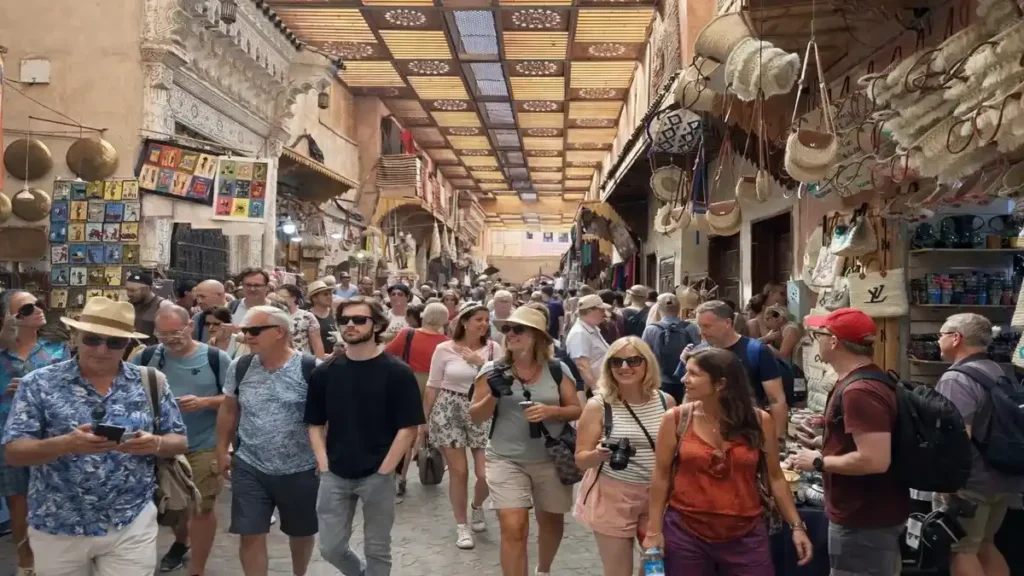
Inside the medinas, streets are uneven, narrow, busy, and full of life. You do not only walk from one monument to another. You walk, stop, turn, sit for tea, enter a riad, climb stairs, step back into the heat, cross a square, visit a rooftop, and continue again. This rhythm is beautiful, but it asks for practical packing.
Comfortable shoes matter more than almost anything else. In Marrakech, the stones of the Medina, the souks, the walk between restaurants and riads, and the long sightseeing days can be hard on your feet. In Fes, the old Medina has slopes, steps, and narrow lanes where weak sandals can become a problem very quickly.
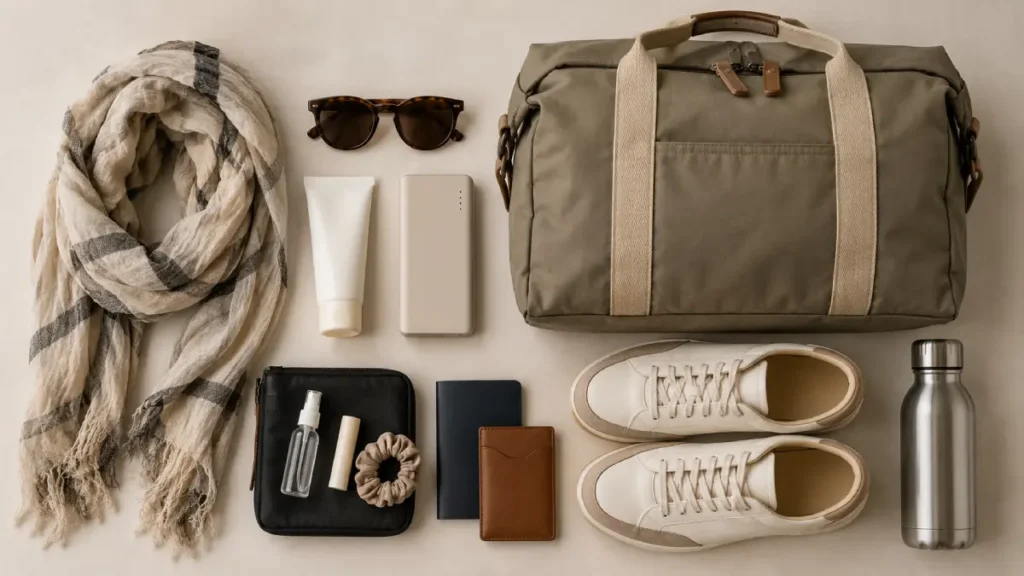
For city travel in Morocco, pack breathable clothes, comfortable shoes, sunglasses, a small day bag, and one light layer. A scarf can also be useful for sun, wind, or visiting more conservative spaces. You do not need to overpack, but you do need clothes that can move with you all day.
Riads are another detail many travelers forget. They are beautiful, but many have stairs, narrow corridors, and compact rooms. A huge suitcase is not always your friend here. If you are moving between cities, trains, taxis, and medinas, lighter luggage makes everything easier.
If Marrakech is part of your trip, read my Marrakech Travel Guide before you arrive. If you are going to Fes, my Fes Travel Guide will help you understand how the city feels on the ground.
Packing for the Sahara Desert
The Sahara is not just an activity. It is a full change of feeling.
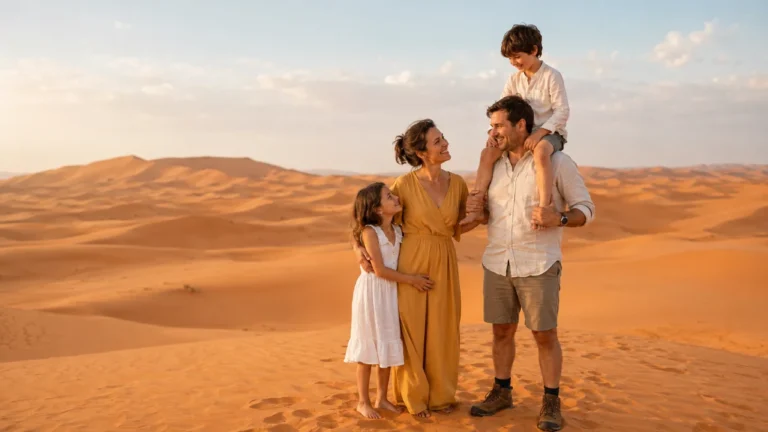
During the day, desert areas can feel warm, bright, and dry. At sunset, the temperature starts to change. At night, especially in winter, the cold can surprise travelers who packed only for warm daytime photos. This is one of the biggest mistakes I see on desert routes.
For the Sahara Desert, pack a warm layer, comfortable clothes for sitting and walking, sunglasses, sunscreen, lip balm, a scarf, closed or comfortable shoes, a power bank, and offline maps. The desert is dry, so lips crack, skin feels tight, and the throat can feel dry in the morning. These are small things, but in a quiet place they become noticeable.
A scarf is useful in the desert because it can protect you from sun, wind, and dust. It does not need to be complicated. A simple lightweight scarf can make the journey more comfortable, especially around Merzouga or Erg Chigaga.
For camel rides or camp evenings, avoid clothes that are too tight or difficult to move in. You want to sit comfortably, walk on sand, relax around camp, and enjoy the stars without thinking too much about your outfit.
Also, do not depend only on mobile signal in remote desert areas. Download offline maps, save your camp details, and keep your phone charged. A power bank is one of the small items that can save stress on long desert travel days.
If your trip includes the Sahara, read my 3 Days Desert Tour from Marrakech and Merzouga Sahara Desert Travel Guide before planning your route.
Packing for the Atlas Mountains
The Atlas Mountains are where many travelers understand why Morocco needs layers.
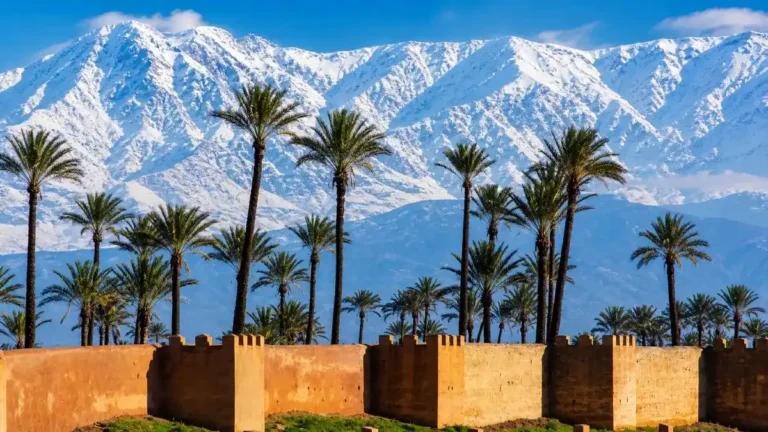
Even if Marrakech feels warm, the mountains can feel different. Weather changes quickly. Roads climb higher. Shade feels cooler. Villages, valleys, and mountain stops can be fresh, windy, or cold depending on the season.
For the Atlas Mountains, pack closed shoes, a warm layer, a jacket or fleece, and clothes that are easy to layer. In winter, bring more warmth than you think you need. Mountain mornings and evenings can be cold, especially if you are staying overnight or going higher into the mountains.
If you are doing a day trip from Marrakech, you do not need heavy hiking gear unless your activity requires it. But you should still avoid weak sandals, thin summer-only clothing, or outfits that only work in city heat. A good mountain packing plan is simple: comfortable shoes, flexible layers, sun protection, and something warm for the return drive or evening.
This is also where a small day bag becomes useful. Keep water, sunglasses, sunscreen, a scarf, phone charger, and a light jacket close to you instead of buried inside your main suitcase.
Packing for Morocco in Spring
Spring is one of the best times to visit Morocco, but it still needs smart packing. March, April, and May can bring warm days, cooler evenings, fresh mornings, and very different weather depending on your route.
In Marrakech and Fes, spring days can feel pleasant and sunny, but evenings may still need a light jacket. In the Atlas Mountains, weather can be cooler. In the Sahara Desert, days can be warm while nights still feel cold. On the coast, places like Essaouira, Casablanca, Tangier, and Rabat can feel windy.
For spring in Morocco, pack breathable daytime clothes, comfortable walking shoes, sunglasses, sunscreen, a scarf, and one or two layers for evenings. If your route includes the desert or mountains, bring a warmer layer too.
Spring is not difficult to pack for, but the mistake is thinking every day will feel the same. Morocco in spring rewards flexible packing.
Packing for Morocco in Summer
Summer packing depends strongly on where you are going.
Marrakech and Fes can be very hot in June, July and August. Midday walking can feel heavy, especially in the medina. Coastal places like Essaouira, Agadir, Taghazout, Asilah, and Tangier can feel more comfortable because of the Atlantic breeze, but the wind can surprise you in the evening.
For summer, pack lightweight cotton or linen clothes, breathable tops, loose trousers or skirts, comfortable sandals, walking shoes, sunglasses, sunscreen, a hat, swimwear, and a light scarf. Avoid heavy jeans, thick fabrics, and clothes that trap heat.
In hot months, your packing should help you move early, rest during the strongest heat, and go out again later in the day. You do not need many outfits. You need clothes that breathe and dry easily.
If you are still choosing your dates, read my Summer in Morocco and Best Time to Visit Morocco guides so you understand how summer feels in the cities, coast, mountains, and desert.
Packing for Morocco in Autumn
Autumn is one of the easiest seasons to pack for Morocco, especially October. But you still need layers.
September can still feel warm, especially in Marrakech, Fes, and southern Morocco. October is usually more balanced for cities, mountains, and desert trips. By November, evenings become cooler, and desert or mountain nights can feel cold.
For autumn in Morocco, pack light daytime clothes, comfortable walking shoes, sunglasses, a scarf, and one warm layer for evenings. If your itinerary includes the Sahara Desert, Atlas Mountains, Dades Valley, Todra Gorge, or remote areas, bring a warmer layer too.
The common autumn mistake is bringing only summer clothes. During the day, that may feel fine. After sunset, especially outside big cities, you may wish you had packed better.
Packing for Morocco in Winter
Winter in Morocco surprises many travelers.
The sun can feel warm during the day, especially in Marrakech, Rabat, and southern Morocco. But mornings and evenings are cold. Traditional riads, guesthouses, and mountain towns can feel colder than travelers expect because many Moroccan buildings are designed to stay cool.
This is perfect in summer. In winter, it means you need layers.
For winter in Morocco, pack comfortable daytime clothes, closed walking shoes, socks, a scarf, a warm jacket or fleece, and warmer clothes for desert or mountain nights. You do not always need a huge coat, but you do need enough warmth for early mornings, evenings, and cold interiors.
If you are visiting the Sahara Desert in December, January, or February, do not pack only for the photos you see online. Desert nights can be very cold. A warm layer, socks, and comfortable closed shoes make a big difference.
Winter is not hard to pack for. The mistake is thinking Morocco is warm all day and all night.
Best Shoes for Morocco
Shoes are the most important part of this Morocco packing list.
Every packing guide says “bring comfortable shoes,” but Morocco shows you why. The country invites you to walk constantly. In one day, you may walk on medina stones, smooth tiles, riad stairs, station platforms, pavement, sand, slopes, and uneven steps.
Bad shoes do not only hurt your feet. They change your behavior. You explore less. You get tired earlier. You avoid turning down another interesting street. You start looking down instead of around.
Good shoes disappear from your mind. That is exactly what you want.
For most travelers, one pair of comfortable walking shoes and one pair of sandals or lighter shoes is enough. If you are visiting the Atlas Mountains, desert areas, or doing longer walking days, closed shoes are usually better. For Marrakech and Fes, choose shoes that can handle uneven streets and long hours outside.
Do not bring brand-new shoes you have never tested. Morocco is not the place to discover that your shoes hurt after one hour. Before your trip, wear them at home, walk in them, and make sure they are comfortable.
If you buy one thing carefully before Morocco, make it your shoes.
Electronics and Travel Essentials
Electronics are not the main part of packing, but they can make your trip much smoother.
Bring your phone charger, a universal travel adapter, a power bank, charging cables, and any camera gear you truly use.
Coming from the US? See my recommended travel adapter for Morocco before you pack. Check that your charger accepts 100–240V: a plug adapter changes the plug shape, not the voltage. A power bank is especially useful for long sightseeing days, desert routes, train travel, and days when you are using maps, WhatsApp, photos, and translation.
Download offline maps before long routes, especially if you are visiting the Sahara Desert, Atlas Mountains, or small towns. Save your hotel address, riad contact, driver details, and booking confirmations where you can access them without internet.
A small day bag or crossbody bag is also very useful. You do not need anything huge. You just need something comfortable for your phone, wallet, sunglasses, sunscreen, lip balm, documents, water, and light layer.
Packing cubes can help if you are moving between several cities. They are not necessary, but they make your suitcase easier to manage, especially when you stay in riads with limited space.
Before your trip, it is also worth checking the forecast for your exact dates, because temperatures in Morocco can vary a lot between the coast, the cities, the mountains, and the desert. This is especially important if your route includes Marrakech, Essaouira, the Atlas Mountains, or Merzouga in the same trip.
It is also worth comparing travel insurance options for Morocco before you travel. Plans can change, routes can shift, luggage can be delayed, and small problems are easier to handle when you already have coverage.
Money, Cards, and Phone Data
Do not think only about clothes when packing for Morocco. Think about how you will pay, move, and communicate.
Carry one or two working cards, but do not depend only on cards. Morocco still uses cash for many daily things: taxis, tips, toilets, small cafés, souks, snacks, porters, and rural areas. Keep small Moroccan dirham bills whenever possible because big notes can be difficult for small payments.
Before you arrive, read my Money in Morocco guide and Can You Use Credit Cards in Morocco guide so you understand when to use cash and when cards work better. My Morocco Travel Costs guide can also help you plan a realistic daily budget.
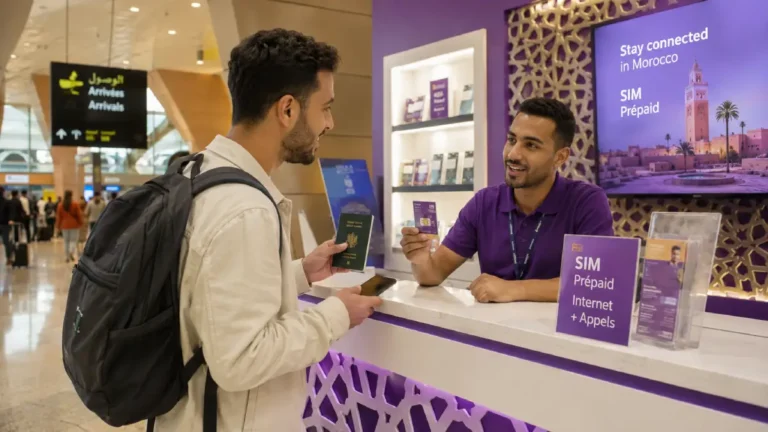
Phone data is also important. A working phone helps with maps, WhatsApp, train details, hotel messages, taxi pickup, restaurant reservations, and finding your riad inside the Medina. If you do not want to search for a SIM card after landing, read my Best eSIM for Morocco guide before your trip.
Transport is connected to packing too. If you are taking trains, buses, taxis, private drivers, or desert routes, keep your documents, cash, phone, charger, and light layer easy to reach. My Morocco Transportation Guide explains how to move around Morocco without stress.
What Women Should Pack for Morocco
Women often search for Morocco packing advice because they want honest answers, not dramatic warnings.
From guiding many women traveling alone, with friends, or with family, I can say this clearly: Morocco is easier when you feel comfortable and confident. Clothing helps with that.
Loose trousers, breathable tops, midi or maxi dresses, long skirts, light layers, scarves, and comfortable shoes usually work well. The goal is not to disappear. The goal is to move through the day without feeling self-conscious or uncomfortable.
A scarf is useful, but not because you must cover your hair everywhere. It is useful for sun, wind, cooler evenings, dusty desert roads, and some religious or traditional spaces. It is one of the easiest small items to bring.
Avoid clothes that are too tight, too heavy, or difficult to sit and walk in all day. In Morocco, comfort becomes confidence. When your clothes work with the environment, you relax faster and enjoy more.
What Men Should Pack for Morocco
Men should also pack for comfort, respect, and movement.
For most Morocco trips, men can pack breathable shirts, T-shirts, loose trousers, chinos, comfortable walking shoes, one light jacket, swimwear if needed, and a warmer layer for winter, mountains, or desert nights.
In hot months, avoid relying only on heavy jeans. They can become uncomfortable in Marrakech, Fes, and southern Morocco. Lightweight trousers are usually better for walking days. Shorts are common in tourist areas, hotels, and coastal places, but long lightweight trousers often feel more comfortable and more respectful in medinas, villages, and traditional areas.
For shoes, the same rule applies: comfort first. Morocco is not a place where you want weak sandals for every day. Bring shoes that can handle long walks, stairs, pavements, and uneven streets.
What Not to Pack for Morocco
A good Morocco packing list is also about what to leave behind.
Do not bring too many shoes. Most travelers only need one strong walking pair and one lighter option. Extra shoes take space and often stay unused.
Avoid heavy outfits that only work for one photo. Morocco is beautiful, but your clothes need to work for real travel days, not only one rooftop picture.
Do not bring uncomfortable sandals, stiff new shoes, or clothes that wrinkle badly if that bothers you. Also avoid packing too many “just in case” items. Morocco has shops, pharmacies, supermarkets, and markets in most cities. You do not need to bring your whole home.
I would also avoid expensive jewelry or anything you would feel worried about losing. Keep your packing practical and relaxed.
Big luggage is another mistake. Large suitcases can be annoying in riads, medinas, train stations, stairs, and taxis. If you can travel lighter, your whole trip will feel easier.
Morocco Packing Mistakes to Avoid
The same packing mistakes appear again and again.
Travelers overpack clothes and underpack comfort. They bring too many outfits, but not the right shoes. They bring summer clothes for winter desert nights. They forget a warm layer. They forget a power bank. They arrive with no mobile data and then struggle to find their riad. They bring huge suitcases into small riads and old medinas.
Another mistake is packing for one version of Morocco. Some people pack only for heat. Some pack only for the desert. Some pack only for Marrakech. But Morocco changes by region and season. The coast is not the same as the desert. The mountains are not the same as the Medina. A sunny day is not the same as a cold riad night.
The best packing is flexible. It gives you options without making your suitcase heavy.
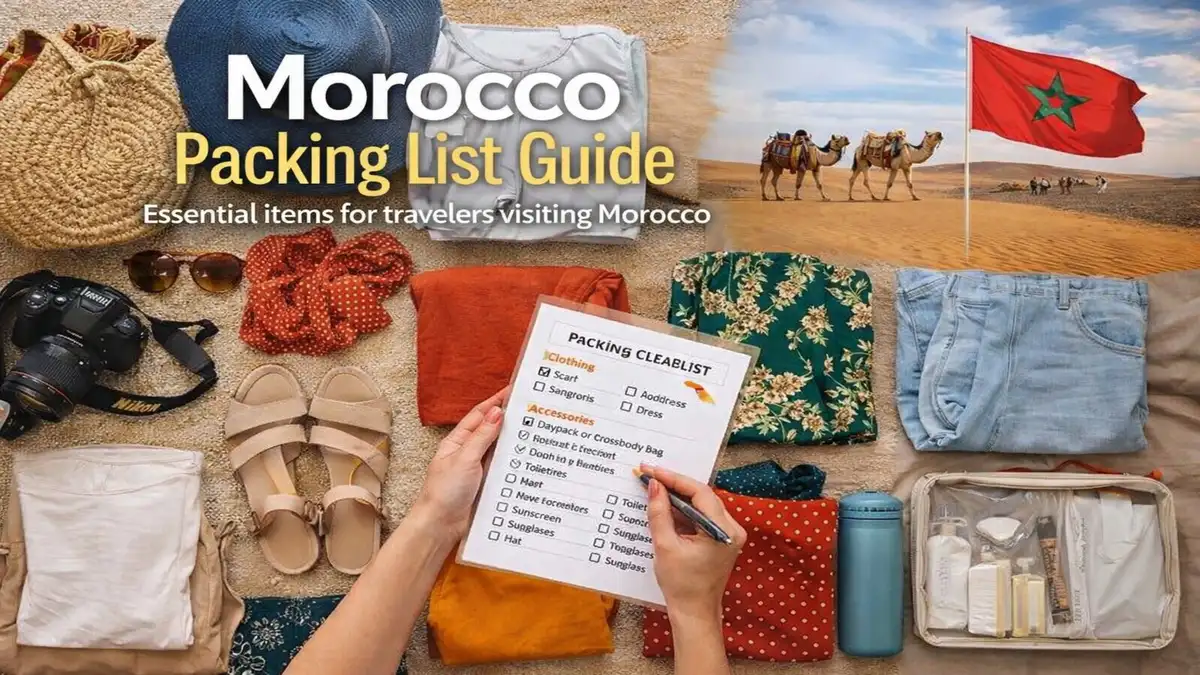
A Simple Morocco Packing List That Actually Works
Here is the simple version I would give a traveler before arrival:
Bring:
comfortable walking shoes
breathable tops
loose trousers, skirts, dresses, or easy everyday bottoms
one or two light layers
one warmer layer for evenings, winter, mountains, or desert
small day bag or crossbody bag
sunglasses
sunscreen
lip balm
scarf
power adapter
power bank
phone charger
basic medication you normally use
copies of important documents
one or two working cards
small backup cash
mobile data or eSIM plan
clothes you can rewear without thinking too much
Bring less of:
heavy outfits
extra shoes
bulky luggage
expensive jewelry
clothes that wrinkle badly
items you only packed “just in case”
anything that looks good in theory but feels uncomfortable in real life
Final Local Advice
A good Morocco packing list should not make you anxious. It should make you feel ready.
Ready to walk. Ready to sit anywhere. Ready for sun and shade. Ready for cool evenings. Ready for desert silence. Ready for medina streets, riad stairs, train stations, taxis, mountains, and long travel days.
I have guided travelers who packed perfectly and travelers who packed badly. The difference was never about money, brands, or travel status. It was always about awareness.
If you pack for movement, Morocco feels lighter. If you pack for comfort, Morocco feels easier. If you pack with intention, Morocco feels more welcoming.
That is the real purpose of this Morocco packing list. Not to bring more, but to understand how Morocco moves.
FAQ About What to Pack for Morocco
What should I pack for Morocco?
Pack comfortable walking shoes, breathable clothes, light layers, sunglasses, sunscreen, a small day bag, a power adapter, a power bank, and one warm layer for evenings. If your trip includes the Sahara Desert, Atlas Mountains, or winter travel, bring warmer clothes than you first expect.
What should women wear in Morocco?
Women should wear clothes that feel comfortable, practical, and respectful. Loose trousers, breathable tops, midi or maxi dresses, light layers, scarves, and comfortable shoes work well. The goal is comfort and confidence, not fear.
What should men wear in Morocco?
Men should pack breathable shirts, lightweight trousers or chinos, comfortable walking shoes, a light jacket, and swimwear if needed. In hot months, avoid relying only on heavy jeans because they can feel uncomfortable during long walking days.
What should I pack for Marrakech?
For Marrakech, pack comfortable walking shoes, breathable clothes, sunglasses, sunscreen, a small day bag, and one light layer for evening. The Medina is very walkable, and the old streets are not made for weak sandals.
What should I pack for the Sahara Desert?
For the Sahara Desert, pack a warm layer, sunglasses, sunscreen, lip balm, scarf, power bank, offline maps, and comfortable clothes for sitting, walking, camel rides, and camp evenings. Nights can be cold, especially in winter.
What should I pack for Morocco in winter?
Pack layers, closed shoes, socks, a scarf, a warm jacket or fleece, and warmer clothes for desert or mountain nights. Winter days can be sunny, but mornings, evenings, riads, and traditional buildings can feel cold.
What should I pack for Morocco in summer?
Pack lightweight breathable clothes, sunglasses, sunscreen, a hat, comfortable sandals or walking shoes, swimwear, and a light scarf. Avoid heavy fabrics and plan for heat, especially in Marrakech, Fes, and southern Morocco.
Do I need a scarf in Morocco?
A scarf is very useful in Morocco. It can help with sun, wind, dust, cool evenings, desert routes, and some traditional spaces. You do not need a special scarf, but a lightweight one is easy to pack and useful often.
What shoes should I wear in Morocco?
Wear comfortable walking shoes that can handle uneven streets, riad stairs, pavements, medina stones, station platforms, and long sightseeing days. Do not bring brand-new shoes you have never tested.
Can I wear shorts in Morocco?
Yes, shorts are common in tourist areas, hotels, coastal places, and some modern neighborhoods. But in medinas, villages, and traditional areas, lightweight trousers or longer bottoms often feel more comfortable and respectful.
Do I need an eSIM for Morocco?
You do not have to use an eSIM, but having mobile data when you land makes travel much easier. It helps with maps, WhatsApp, hotel messages, train details, taxi pickup, and finding your riad. Read my Best eSIM for Morocco guide before you travel.
Do I need cash in Morocco?
Yes, you should carry some cash in Moroccan dirhams. Cards work in many hotels, modern restaurants, and larger shops, but cash is still needed for taxis, tips, toilets, souks, cafés, small purchases, and rural areas. Read my Money in Morocco guide before your trip.