Eid al-Fitr in Morocco: Traditions, Food & Travel Tips (Local Guide)
Eid al Fitr Morocco is one of the most beautiful celebrations travelers can experience in the country. It marks the end of Ramadan, the holy month of fasting for Muslims, and brings families together across Morocco for prayer, traditional food, and joyful gatherings.
Table of Contents
Table of Contents
If you are planning to travel to Morocco during spring, you may notice a special atmosphere in the cities and villages. Streets become quieter in the morning, families prepare traditional sweets, and mosques welcome large crowds for the Eid prayer.
For travelers, Eid al Fitr Morocco is a fascinating cultural moment. Streets become quieter in the morning, families gather together, traditional sweets fill the tables, and mosques welcome large crowds for prayer.
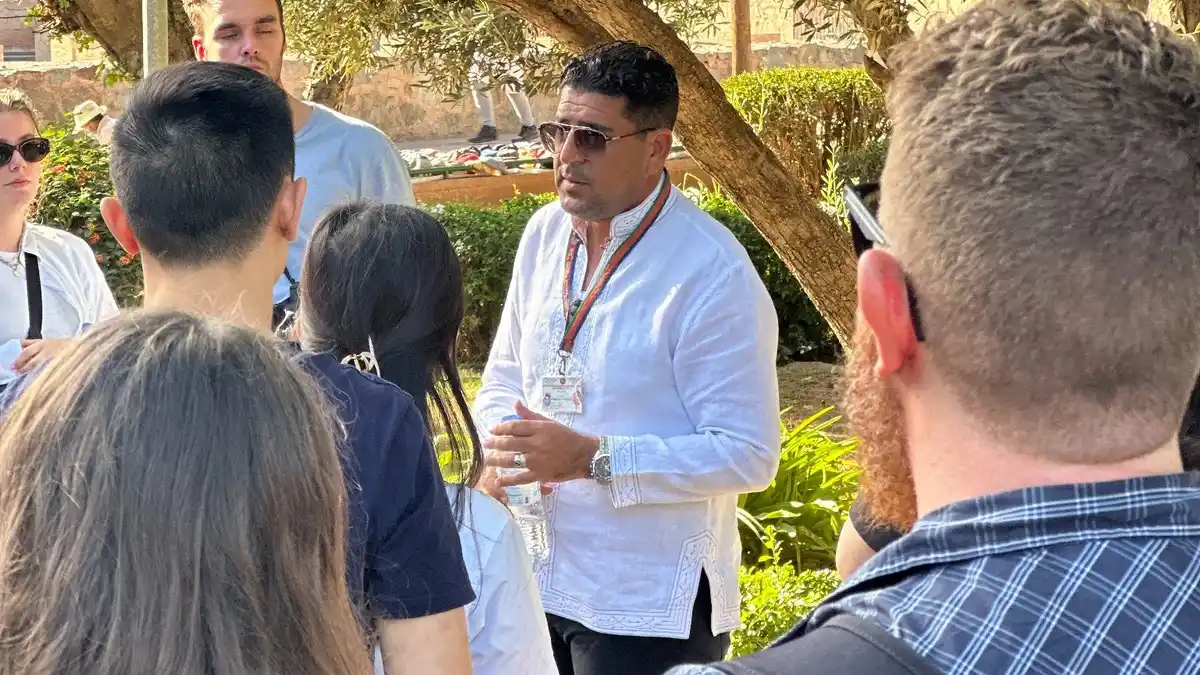
As a local tour guide in Marrakech who leads travelers across Morocco every week, I often receive questions like:
Is Morocco open during Eid?
Is it a good time to visit?
What should tourists expect?
The truth is that Eid can be a beautiful time to experience Moroccan culture if you understand how the country celebrates it. In this guide, I’ll explain Eid traditions in Morocco, food, travel tips, and what visitors should expect during the holiday.
If you are planning your trip, you can also explore our Complete Morocco Travel Guide for deeper travel advice and itinerary ideas:
What Is Eid al-Fitr?
Eid al-Fitr is the Islamic holiday that marks the end of Ramadan, a month during which Muslims fast from sunrise to sunset.
During Ramadan, daily life in Morocco changes slightly. Restaurants open later in the evening, families gather for the sunset meal called iftar, and mosques become more active during nighttime prayers.
When the fasting month ends, the country celebrates Eid al-Fitr a joyful day dedicated to prayer, family, and gratitude.
The word “Eid” means celebration or festival, while “Fitr” refers to breaking the fast.
Across Morocco, this day brings families together. Children receive gifts, relatives visit each other, and homes are filled with traditional Moroccan sweets.
Unlike tourist festivals, Eid in Morocco is very authentic and family-focused, which makes it an interesting cultural moment for travelers to witness.
When Is Eid al-Fitr in Morocco?
The date of Eid al-Fitr changes every year because it follows the Islamic lunar calendar.
Ramadan lasts 29 or 30 days, and Eid al Fitr Morocco begins when the new moon is sighted.
In Morocco, the official announcement usually happens the evening before the holiday when religious authorities confirm the moon sighting.
Because of the lunar calendar, Eid shifts about 10 days earlier each year in the Gregorian calendar.
Eid celebrations usually take place during spring, which is one of the best times to travel across the country. You can explore more destinations in our guide to spring in Morocco and the best places to visit.
Travelers visiting Morocco during late Ramadan should keep this in mind because the exact date of Eid may change slightly depending on the moon.
How Morocco Prepares for Eid
The final days of Ramadan are busy across Morocco.
Markets and souks become lively as families prepare for the celebration. People shop for:
- new clothes
- pastries and sweets
- gifts for children
- ingredients for Eid meals
Tailors work late to finish traditional clothing such as djellabas, kaftans, and gandouras that people wear on the holiday morning.
In cities like Marrakech and Fez, pastry shops fill their windows with traditional sweets. Many families also prepare these treats at home.
The atmosphere during these last days is festive, with a sense of excitement building toward the celebration.
The Morning of Eid al Fitr Morocco
Eid morning begins early.
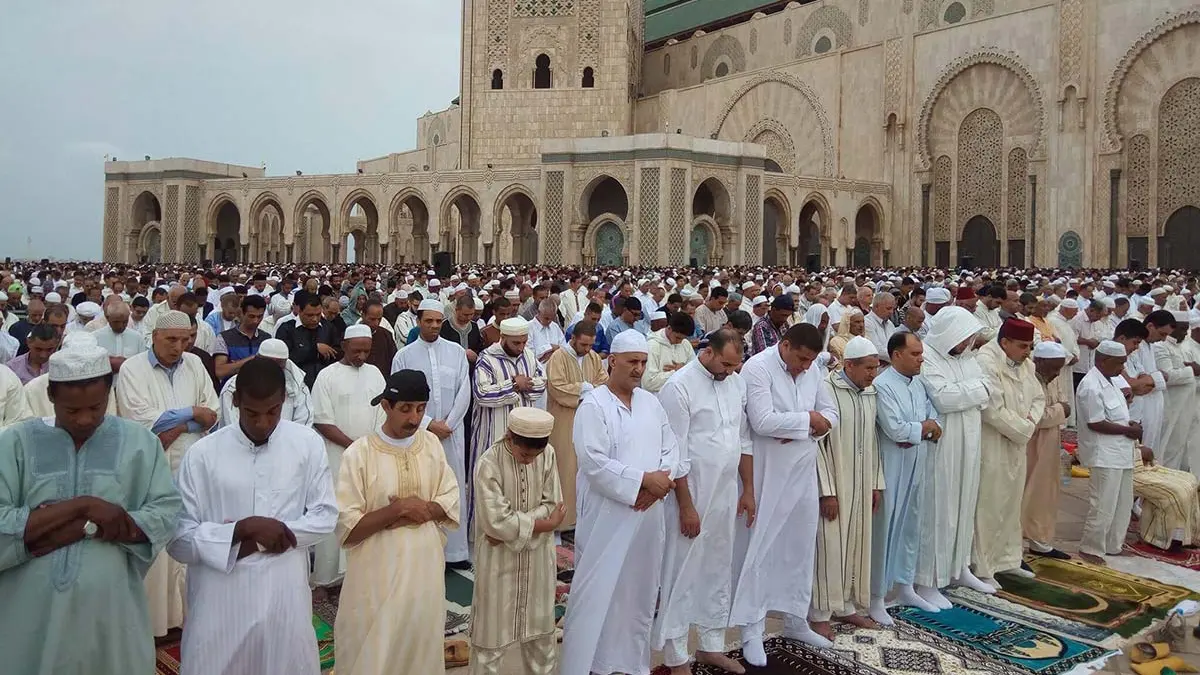
Before sunrise, many Moroccans wake up, dress in new or freshly prepared clothing, and head to the mosque for a special prayer.
Large crowds gather in mosques or open prayer areas across the country.
In Marrakech, many people attend prayer near the Koutoubia Mosque, where thousands gather in a peaceful atmosphere.
After the prayer ends, people greet each other with the phrase:
“Eid Mubarak.”
Neighbors and friends embrace, exchange blessings, and return home to celebrate with their families.
The rest of the day is usually spent visiting relatives and sharing meals together.
Traditional Moroccan Eid Food
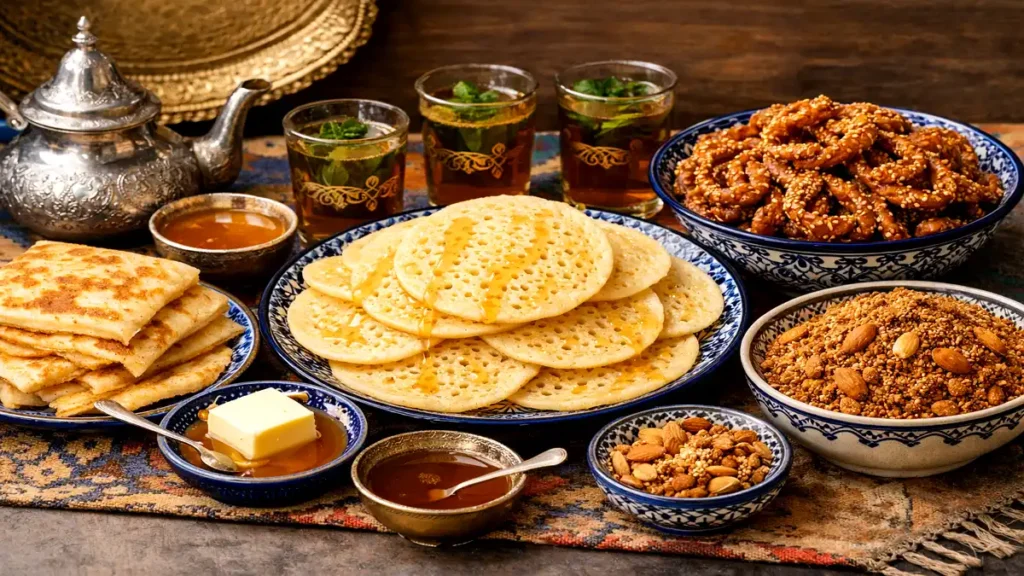
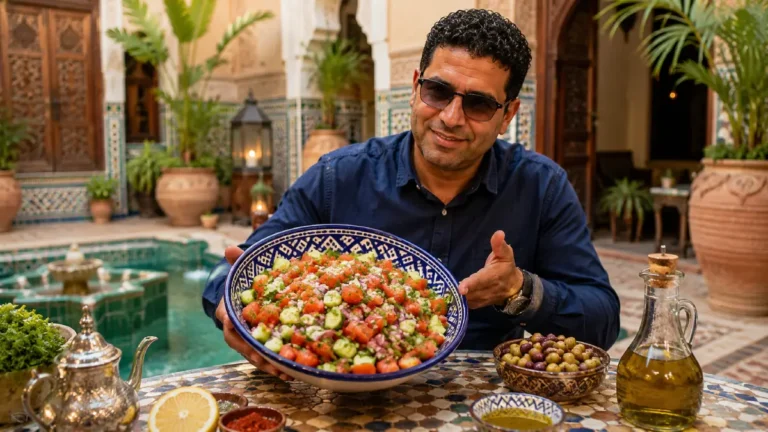
Food plays a central role in Eid al Fitr Morocco celebrations.
After a month of fasting, the first breakfast of Eid becomes a special moment for families.
Typical Moroccan Eid breakfast dishes include:
Msemen – layered Moroccan pancakes served with honey and butter
Baghrir – soft semolina pancakes with tiny holes that absorb honey
Chebakia – fried pastries coated in honey and sesame seeds
Sellou – a rich mixture of toasted flour, almonds, sesame seeds, and honey
Mint tea – the essential Moroccan drink
Homes are filled with the smell of pastries and fresh tea.
Guests often visit several homes during the day, meaning it’s common to taste many sweets and dishes throughout the celebration.
What Travelers Should Expect During Eid
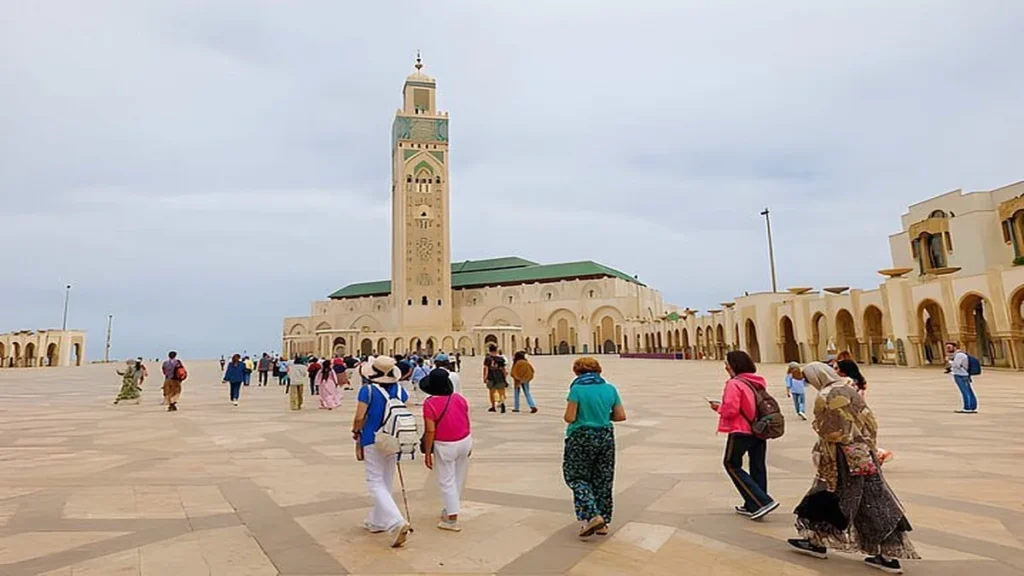
If you are visiting Morocco during Eid al Fitr Morocco celebrations, daily life may feel slightly different across the country.
The first day of Eid is typically quieter because families spend most of the time together.
You may notice that:
- small shops are closed
- local markets open later
- taxis can be busier
- many Moroccans are visiting relatives
However, tourist services usually continue operating.
Hotels, riads, and many restaurants remain open, especially in major destinations like Marrakech.
For travelers, the slower pace can actually be refreshing. Streets feel calmer, and the atmosphere is relaxed.
Is Morocco Busy or Quiet During Eid?
Many visitors expect Eid al Fitr Morocco to be extremely busy, but the reality is often the opposite.
The morning of Eid is usually very quiet in many cities because families are celebrating at home.
Tourist attractions such as gardens, palaces, and historic sites may still open, but the crowds are often smaller.
By afternoon and evening, life gradually returns to normal. Cafés reopen, visitors walk through the Medina, and street life becomes lively again.
For travelers who enjoy cultural experiences, this quieter atmosphere can be one of the most memorable moments of a trip.
Is Marrakech Open During Eid?
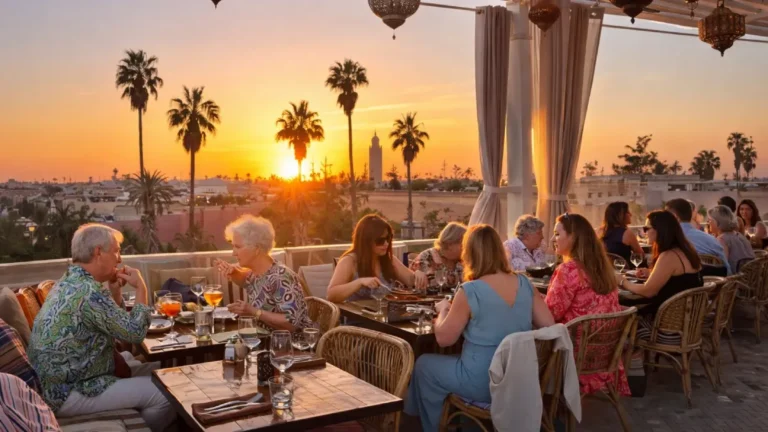
Yes, Marrakech remains active during Eid, especially in tourist areas.
Hotels and riads continue operating normally, and many restaurants reopen later in the day.
The Medina may feel quieter in the morning because locals are celebrating with their families.
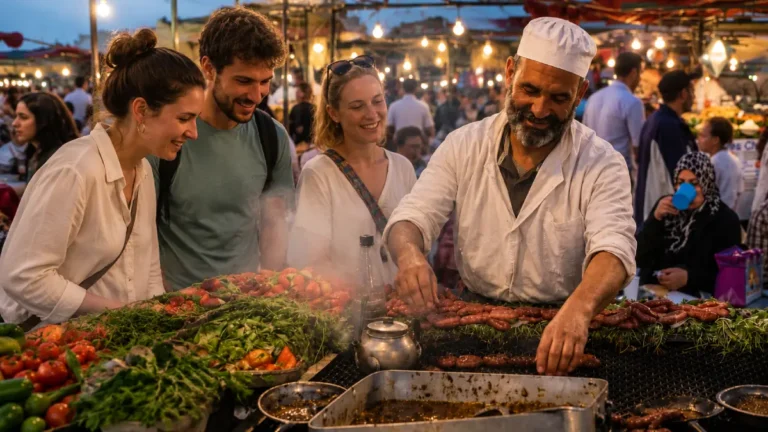
However, by evening, places like Jemaa el-Fnaa square return to their lively atmosphere with food stalls, musicians, and visitors.
If you are planning your visit, you can explore our detailed Marrakech Travel Guide:This guide explains the best neighborhoods, attractions, and travel tips for the city.
Where to Stay in Marrakech During Eid
Staying in a traditional riad during Eid can be one of the nicest ways to experience Marrakech. The Medina often feels calmer during the holiday, and that quieter atmosphere gives travelers a chance to enjoy the old city in a more relaxed way.
Riads are especially well suited to this time of year because they combine local character with comfort. Courtyards, rooftop terraces, and warm personal service often make the stay feel much more memorable than a standard hotel.
If you are visiting during Eid, I recommend booking in advance, especially for riads in good Medina locations. My Best Riads in Marrakech guide can help you choose the right area and style before you book.
Best Experiences to Do During Eid
Even during Eid, visitors can still enjoy many of Marrakech’s most memorable experiences. The city feels different during the holiday, often calmer in some areas and more family-focused in others, but there is still plenty to do.
Some of the best experiences during Eid include:
- Walking through the Medina and its historic streets
- Visiting gardens such as Majorelle Garden
- Exploring palaces and important historic landmarks
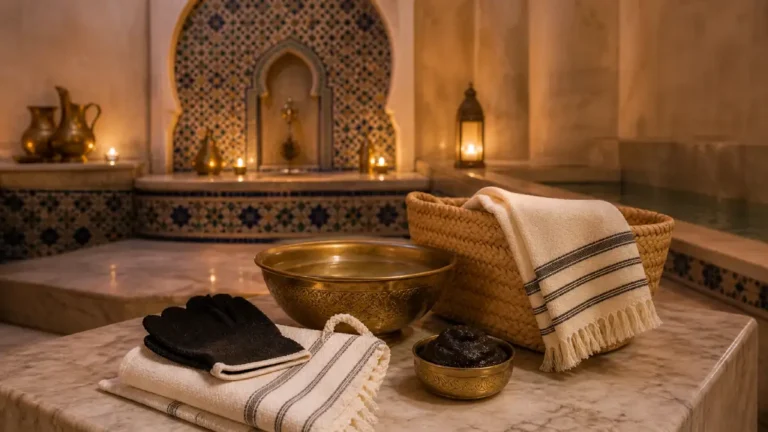
- Relaxing in a traditional hammam
- Taking a day trip to the Atlas Mountains
Many guided experiences also continue during the holiday, including cooking classes, cultural tours, and selected day trips.
If you want more ideas for planning your visit, read my Best Day Trips From Marrakech guide.
Planning Your Morocco Trip Around Eid?
If you are traveling during Eid, it helps to keep your route flexible and book the most important parts of your trip in advance, especially transport, stays, and key experiences.
Should You Visit Morocco During Eid?
Visiting Morocco during Eid can be a very rewarding experience.
The atmosphere feels warm, authentic, and culturally rich.
You may notice some businesses closing temporarily, but you will also witness Moroccan traditions at their most genuine.
If you enjoy learning about local culture and observing traditional celebrations, Eid can become one of the most memorable parts of your journey.
Best Places to Experience Eid in Morocco
Eid is celebrated across the entire country, but each place has its own atmosphere.
Marrakech offers a mix of tradition and tourism, making it easy for travelers to experience Eid while still enjoying restaurants and attractions.
Fez provides a deeply historic setting where traditions remain strong.
Smaller towns and villages often show the most authentic family celebrations, where hospitality and community are central.
No matter where you travel, the warmth of Moroccan hospitality is always present during Eid.
Travel Tips From a Local Guide
After guiding travelers across Morocco for many years, I always share a few simple tips for visiting during Eid.
Plan your transport in advance, because taxis and other local services can be busier than usual. Carry some cash as well, since smaller shops and cafés may not always accept cards during the holiday period.
It is also important to be respectful of prayer times, family gatherings, and the slower pace of daily life. During Eid, Morocco feels different in a good way. Streets, meals, and routines often follow a more personal and family-centered atmosphere.
Most importantly, do not try to rush through the experience. Eid is not only about sightseeing. It is a chance to understand Moroccan culture through celebration, hospitality, and everyday life.
FAQ –Eid al Fitr Morocco
Is everything closed during Eid in Morocco?
Many small shops close on the first day of Eid, but hotels, riads, and tourist services usually remain open.
Can tourists visit Morocco during Eid?
Yes. Morocco welcomes visitors year-round, and many travelers enjoy experiencing the cultural atmosphere of Eid.
How long does Eid last in Morocco?
The official holiday lasts one day, but celebrations and family visits often continue for two or three days.
Do restaurants open during Eid?
Many restaurants reopen later in the day, especially in tourist areas like Marrakech.
Final Thoughts
Eid al-Fitr in Morocco is more than a holiday. It is a moment when the country slows down to celebrate family, faith, generosity, and community.
For travelers, it offers something rare: the chance to witness Moroccan culture in one of its most meaningful and personal moments. You may notice quieter mornings, later openings, and a different pace from the usual travel routine, but that is part of what makes the experience so special.
If you arrive with curiosity, patience, and respect, Eid can become more than something you happen to see during your trip. It can become one of the moments that helps you understand Morocco more deeply.
Disclosure: Some links in this article may be affiliate links. If you book through them, I may earn a small commission at no extra cost to you. These partnerships help support Morocco Tips and allow me to continue sharing travel guides and local insights.