
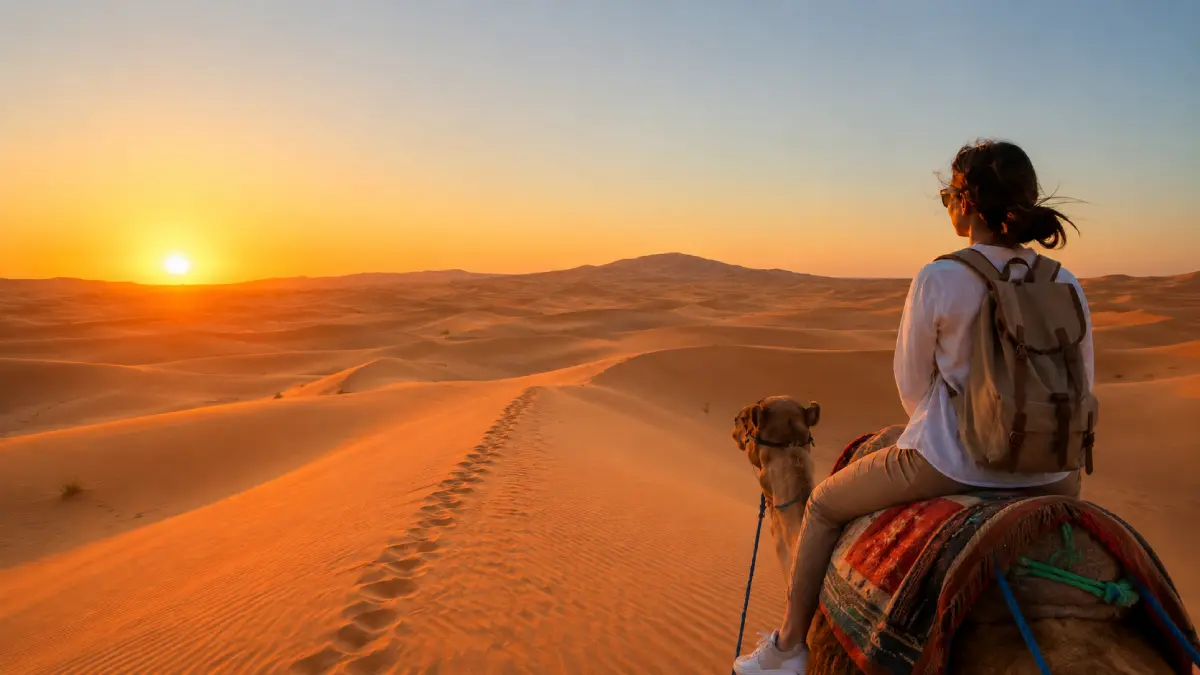
Morocco is a country you can visit all year, but the best time depends on where you want to go. Marrakech, Fes, the Sahara Desert, the Atlas Mountains, and the Atlantic coast do not feel the same in every season.
For most travellers, the best time to visit Morocco is spring, from March to May, and autumn, from September to November. These months bring warm but comfortable weather, clear light, good conditions for sightseeing, and some of the best moments for Sahara Desert trips.
As a local guide who travels across Morocco with visitors every week, I usually recommend spring for first-time travellers. The valleys are green, the mountains feel alive, Marrakech is warm without being too hot, and the desert is still comfortable before the serious summer heat arrives.
Autumn is also excellent, especially if your dream is a Sahara Desert trip, a Marrakech and Fes itinerary, or a longer journey across Morocco. The days are warm, the evenings are cooler, and travel feels easier after the summer heat.
That said, Morocco is not only a spring and autumn destination. Summer is the perfect season for Morocco’s Atlantic coast, especially Essaouira, Agadir, and Taghazout, where the ocean breeze keeps temperatures much more comfortable than inland cities. Winter can be beautiful for Marrakech, Fes, the Sahara, and travellers who want fewer crowds.
Best Time to Visit Morocco: Quick Answer
✅ Best overall: March to May and September to November
🌴 Best for first-time visitors: March, April, May, September, and October
🐪 Best for the Sahara Desert: October to April
🏙️ Best for Marrakech and Fes: March to May and September to November
🥾 Best for the Atlas Mountains: April to June and September to October
🏖️ Best for beaches and coast: June to September
🍃 Best for fewer crowds: January, February, November, and early December
💰 Best for lower prices: January, February, July, and August
🔥 Months to avoid for inland heat: July and August
Table of Contents
Table of Contents
Which Month Is Best for Your Trip?
If you’re short on time, this table can help you choose the best month based on the type of trip you’re planning. While spring and autumn are the best all-round seasons, some months are better for beaches, the Sahara Desert, hiking, or travelling on a budget.
| If you want to… | Best month(s) |
|---|---|
| Visit Morocco for the first time | April or October |
| Explore Marrakech and Fes | March–May, September–November |
| Visit the Sahara Desert | October–April |
| Hike in the Atlas Mountains | April–June, September–October |
| Enjoy beaches | June–September |
| Surf on the Atlantic coast | October–April |
| Find lower prices | January–February |
| Avoid the biggest crowds | November, early December |
After guiding travellers across Morocco for nearly two decades, I’ve found that April and October consistently offer the best balance for first-time visitors. These months offer the best overall balance of weather, road conditions and comfortable sightseeing across Marrakech, the Sahara Desert, the Atlas Mountains and the Atlantic coast.
What Is the Best Time to Visit Morocco?
The best time to visit Morocco depends on the kind of trip you want. For most travellers, spring (March to May) and autumn (September to November) offer the best balance of comfortable temperatures, sunny days, and ideal conditions for exploring the country’s diverse landscapes.
If you’re planning a classic Morocco itinerary that includes Marrakech, Fes, the Sahara Desert, the Atlas Mountains, and the Atlantic coast, these seasons make it easier to enjoy each destination without the extreme summer heat or colder winter nights.
As a licensed Moroccan guide, I recommend spring and autumn to most first-time visitors because they allow you to experience several regions comfortably in a single trip. However, every season has its advantages. Summer is perfect for Morocco’s Atlantic coast, while winter is an excellent choice for travellers seeking fewer crowds, pleasant daytime weather, and beautiful desert landscapes.
During these seasons, you can expect:
✅ Comfortable temperatures across most of Morocco
✅ Excellent conditions for Sahara Desert tours
✅ Pleasant weather for walking through Marrakech, Fes, Rabat, and Chefchaouen
✅ Green valleys and wildflowers in spring
✅ Clear skies and beautiful sunsets in autumn
✅ Great conditions for road trips between Morocco’s imperial cities, mountains, desert, and coast
While spring and autumn are the most popular seasons, every time of year offers something unique. Summer is perfect for beach destinations like Essaouira and Agadir, while winter is ideal for travelers looking for sunshine, fewer crowds, and spectacular snow-covered landscapes in the Atlas Mountains.
Best Time to Visit Morocco by Season
Each season offers a different side of Morocco. The best one for you depends on whether you’re dreaming of walking through ancient medinas, hiking in the mountains, relaxing by the Atlantic Ocean, or sleeping beneath the stars in the Sahara Desert.
| Season | Months | Weather | Best For |
|---|---|---|---|
| Spring | March–May | Warm, sunny, and comfortable | First-time visitors, cities, mountains, Sahara, road trips |
| Summer | June–August | Very hot inland, cooler on the coast | Beaches, surfing, Essaouira, Agadir, Taghazout |
| Autumn | September–November | Warm days and cooler evenings | Desert tours, sightseeing, photography, cultural trips |
| Winter | December–February | Mild days, cold nights | Winter sun, Sahara, fewer crowds, Atlas snow |
🌸 Spring (March to May)
If someone asks me when to visit Morocco for the first time, my answer is almost always spring.
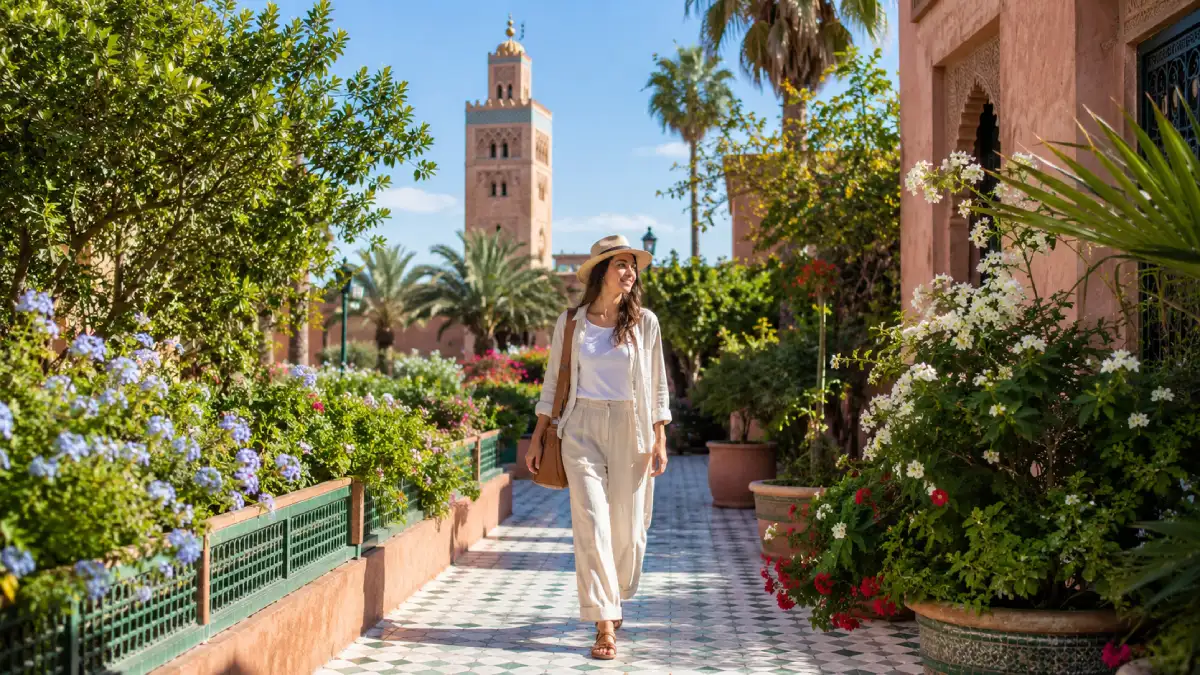
After the winter rains, the country becomes greener than many travelers expect. Almond trees blossom, valleys fill with wildflowers, and the High Atlas Mountains still wear snowy peaks while lower villages enjoy warm sunshine.
It’s also one of the best seasons for exploring Marrakech, Fes, Chefchaouen, Rabat, and the Sahara Desert without worrying about extreme temperatures.
Best for:
- First-time visitors
- Sahara Desert tours
- Atlas Mountain hiking
- Road trips across Morocco
- Photography
- Nature lovers
Planning a spring trip? Read my complete Spring in Morocco guide for weather, festivals, packing advice and itinerary ideas.
☀️ Summer (June to August)
Summer changes depending on where you travel.
Marrakech, Fes, and the Sahara Desert often exceed 40°C (104°F) during the hottest weeks, making midday sightseeing difficult.
The Atlantic coast tells a completely different story. Cities like Essaouira, Agadir, Taghazout, Asilah, and Tangier stay much cooler thanks to the ocean breeze. This is when many Moroccans head to the coast for their own holidays.
If you’re visiting in summer, I usually recommend spending more time near the ocean and less time in the deep desert.
Best for:
- Beaches
- Surfing
- Seafood
- Coastal road trips
- Evening markets
- Family holidays
Planning a summer trip? Read my complete Summer in Morocco guide for weather, coastal destinations, festivals, packing advice and practical travel tips. Traveling with children? My Morocco With Kids guide explains the best seasons for families, how summer heat affects the itinerary, and how I would plan the Sahara, coast and cities for children of different ages.
🍂 Autumn (September to November)
Autumn is another season I recommend with confidence.
The intense summer heat begins to fade, but the long sunny days remain. It’s one of the best times for traveling between Marrakech, the Atlas Mountains, the Sahara Desert, Fes, and Chefchaouen in a single itinerary.
Many photographers also love autumn because of the softer light and beautiful golden sunsets across the desert and mountains.
Best for:
- Desert camps
- Imperial cities
- Long road trips
- Hiking
- Photography
- Cultural festivals
Planning an autumn trip? Read my complete Autumn in Morocco guide for weather, Sahara Desert conditions, regional highlights and itinerary ideas.
❄️ Winter (December to February)
Winter surprises many travelers.
While Europe experiences freezing weather, much of Morocco still enjoys sunny days. Marrakech, Agadir, and the southern regions remain pleasant for sightseeing, although evenings can become cold.
The High Atlas Mountains receive snow, creating spectacular scenery around Imlil, Oukaïmeden, and the road over Tizi n’Tichka Pass.
The Sahara is also beautiful in winter. Days are comfortable for camel rides, but temperatures drop quickly after sunset, so warm clothing is essential.
Best for:
- Winter sunshine
- Sahara adventures
- Snow in the Atlas Mountains
- Fewer tourists
- Lower travel prices
- Peaceful city breaks
Planning a winter trip? Read my complete Winter in Morocco guide for weather, what to pack, desert adventures, Atlas Mountains snow and the best places to visit.
What is the Weather Like in Morocco?
Morocco doesn’t have one single climate. It has several. In the same week, you can see snow in the mountains, warm sunshine in the desert, and cool winds on the coast. Marrakech and Fes become hot in summer but stay wonderful in spring and autumn. Chefchaouen in the north often feels cool and fresh. Atlantic cities like Essaouira, Agadir, and Casablanca usually have an ocean breeze that makes travel easier. And the desert… ah, Merzouga. The Sahara can be extremely hot in July and August, but from October to April, it’s unforgettable: warm golden days, cold bright nights, and a silence you’ve never heard before.
Because Morocco’s weather changes so much between seasons and regions, packing smart makes a big difference. I always recommend checking my Morocco Packing List Guide so you know what to bring, from cool desert nights to warm city days.
Best Time for Different Experiences in Morocco
Every traveler comes to Morocco for something different. Some dream of riding a camel across the Sahara, others want to hike in the Atlas Mountains, relax on the Atlantic coast, or explore ancient medinas. Here’s when I recommend visiting based on the experience you’re looking for.
🐪 Best Time for the Sahara Desert
October to April
The Sahara Desert is at its best from autumn through spring. Days are comfortable for camel rides and exploring the dunes, while evenings are cool enough to enjoy dinner under the stars around the campfire.
As a guide, I generally avoid recommending traditional desert camps in July and August unless travelers fully understand how intense the daytime heat can be.
Recommended months: October, November, March, April.
For deeper planning check my Best Sahara Desert Tours guide.
🥾 Best Time for Hiking the Atlas Mountains
April to June and September to October
These months offer pleasant temperatures, green valleys, flowing rivers, and excellent visibility.
Spring is especially beautiful because many villages are surrounded by blossoms and wildflowers.
Winter hiking is possible but higher trails may be covered in snow.
For deeper planning in the Atlas Mountains, read my Atlas Mountains Day Trip from Marrakech guide.
🏙️ Best Time for Marrakech, Fes and Morocco’s Imperial Cities
March to May and September to November
Walking through the medinas is far more enjoyable when temperatures remain comfortable.
You’ll spend hours exploring souks, palaces, gardens and hidden streets without the exhausting summer heat.
For deeper planning in Morocco’s imperial cities, read my Marrakech Travel Guide and Fes Travel Guide.
🏖️ Best Time for Beaches and Surfing
June to September for beaches
October to April for surfing
Essaouira, Agadir, Taghazout and Imsouane stay cooler than inland Morocco thanks to the Atlantic Ocean.
Summer is ideal for relaxing by the beach, while autumn, winter and spring bring some of Morocco’s best surfing conditions.
If you’re planning a coastal trip, read my Essaouira Travel Guide for beach tips and seafood recommendations, or explore best beaches in Morocco Guide to discover the city’s best beaches, resorts, and family-friendly attractions.
📸 Best Time for Photography
March to May and September to November
These seasons offer softer light, greener landscapes, dramatic skies, and comfortable conditions for sunrise and sunset photography.
The golden dunes of Merzouga, the blue streets of Chefchaouen, the peaks of the Atlas Mountains, and the colorful alleys of Marrakech are at their most photogenic during these months.
For photography inspiration, explore my Chefchaouen Travel Guide, Marrakech Travel Guide, Merzouga Sahara Desert Guide, and 10 Most Beautiful Mountain Towns in Morocco.
🎉 Best Time for Festivals
Morocco celebrates cultural and music festivals throughout the year.
Some of my favorites include:
- Almond Blossom Festival (February)
- Rose Festival in Kelaat M’Gouna (May)
- Gnaoua World Music Festival in Essaouira (June)
- Fes Festival of World Sacred Music (June)
- Imilchil Marriage Festival (September)
If festivals are an important part of your trip, check the dates before booking because they can change slightly each year.
💰 Best Time to Visit Morocco on a Budget
January, February and November
Flights and accommodation are often cheaper outside the busiest spring and autumn travel periods. If you are flying from the United States, see my Flights to Morocco From the USA guide for current nonstop routes, airlines, and advice on comparing Casablanca and Marrakech arrivals.
You’ll also enjoy quieter attractions, making it easier to explore Morocco at a slower pace.
For deeper budget planning, read my Morocco Travel Budget guide, Morocco Travel Costs guide and Money in Morocco guide.
Best Time to Visit Morocco by Region
Morocco’s climate changes dramatically from one region to another. While spring and autumn are the best seasons for travelling across the whole country, each region has its own ideal time to visit.
If you’re planning a multi-day itinerary, choosing the right season for each destination will make your trip much more enjoyable. Travellers planning to explore several regions independently should also read my Rent a Car in Morocco Guide and Driving in Morocco guide for advice about vehicle choice, insurance, mountain roads, desert routes, and seasonal driving conditions.
Marrakech & Morocco’s Imperial Cities (Marrakech, Fes, Rabat & Meknes)
Best time: March to May and September to November
These historic cities are best explored on foot, so comfortable temperatures make a huge difference. During spring and autumn you can spend hours wandering through medinas, visiting palaces, relaxing in gardens, and enjoying rooftop cafés without the intense summer heat.
Summer often brings temperatures above 40°C (104°F), especially in Marrakech and Fes, making afternoon sightseeing much less enjoyable.
Perfect for:
- Walking tours
- Historic sites
- Souks
- Museums
- Rooftop restaurants
🐪 Sahara Desert (Merzouga, Erg Chebbi, Zagora & Erg Chigaga)
Best time: October to April
The Sahara is one of Morocco’s biggest highlights, but timing matters.
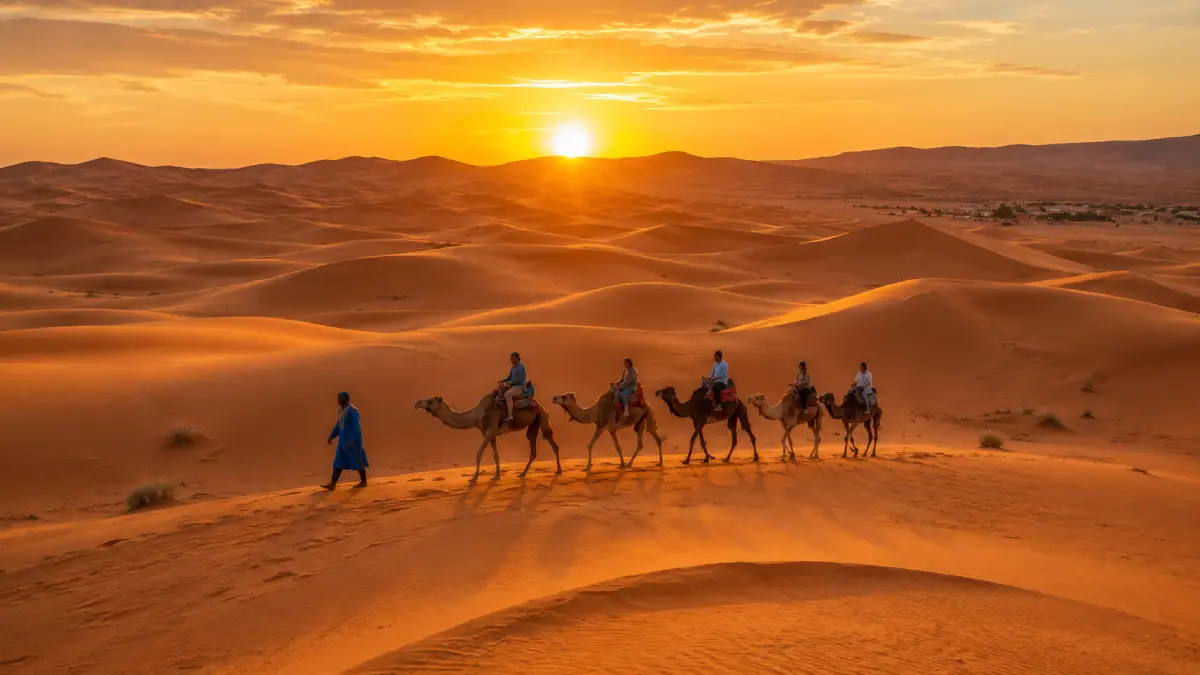
During autumn, winter, and spring, days are comfortable for camel trekking and exploring the dunes, while evenings are perfect for sitting around the campfire beneath clear desert skies.
As a guide, I always tell travelers not to choose their desert trip based only on hotel prices. Think about daytime temperatures, cold winter nights, driving distances, and the type of desert experience you want.
If you plan to spend a night in the dunes, March, April, October, and November usually offer the best balance of comfort and scenery.
Read also: Authentic Morocco Sahara Desert Tours for routes, camps, packing tips, and how to choose between Merzouga, Erg Chigaga, and Agafay.
🏔️ Atlas Mountains
Best time: April to June and September to October
The Atlas Mountains feel completely different from the rest of Morocco.
Spring brings green valleys, fruit blossoms, flowing rivers and comfortable conditions for village walks and lower-altitude hiking. Autumn usually offers clear skies, cooler temperatures and excellent visibility across the mountain landscapes.
Winter transforms the higher elevations, including areas around Imlil, Oukaïmeden and Tizi n’Tichka, but snow can affect roads, walking routes and access to some destinations.
Before choosing where to go, read my complete Atlas Mountains Morocco travel guide to compare Imlil, Ourika Valley, Ouirgane, Oukaïmeden and the different Atlas ranges.
You can also explore the most beautiful mountain towns in Morocco for more destination ideas.
🌊 Atlantic Coast (Essaouira, Agadir, Taghazout, Asilah & Casablanca)
Best time: Year-round
Morocco’s Atlantic coast enjoys one of the country’s most stable climates.
Even during the hottest months, the ocean breeze keeps temperatures pleasant compared to inland cities.
Summer is ideal for beach holidays, while autumn, winter, and spring attract surfers from around the world thanks to consistent Atlantic swells.
If you’re visiting Morocco during July or August, I often recommend spending more time on the coast instead of in Marrakech or the Sahara.
Perfect for:
- Beaches
- Surfing
- Seafood
- Family holidays
- Relaxing after a desert trip
🌿 Northern Morocco (Chefchaouen, Tangier & the Rif Mountains)
Best time: April to June and September to October
Northern Morocco stays cooler than much of the country, making it an excellent choice during late spring and early autumn.
Chefchaouen is especially beautiful when flowers bloom in spring, while Tangier enjoys pleasant temperatures almost all year thanks to its Mediterranean and Atlantic location.
The Rif Mountains are also ideal for scenic drives, short hikes, and photography during these seasons.
For deeper planning in northern Morocco, read my Northern Morocco Travel Guide, Chefchaouen Travel Guide, and Tangier Travel Guide.
💡 Local Guide Tip
When travellers ask me to plan a route across Morocco, I don’t start by choosing destinations—I start by choosing the right season. Once I know the time of year, I build an itinerary that makes the most of the weather, travel conditions and each region’s highlights.
I’ve seen the same itinerary feel completely different depending on the month. Visiting Marrakech, the Sahara Desert and the Atlas Mountains in April is a very different experience from doing the same trip in August. Choosing the right season often has a bigger impact than adding another destination to your itinerary.
Best Time to Visit Morocco’s Most Popular Cities
During my years guiding travelers around Morocco, I hear the same thing again and again: “Kamal, I didn’t expect every city to feel so different.”
That is the beauty of Morocco. Marrakech has energy. Fes has history. Chefchaouen has calm. Essaouira has the ocean. Merzouga has silence. The best time to visit depends on the feeling you want from each place.
Marrakech
Best time: March to May and September to November
Marrakech is beautiful when the weather lets you walk slowly. In spring, the gardens are full of color, the rooftops feel perfect in the evening, and the souks are easier to enjoy. In autumn, the heat becomes softer and the city feels alive again after the heavy summer.
In July and August, Marrakech can be very hot. If you visit then, start early, rest in the afternoon, and go out again before sunset when the city wakes up. For a closer look at late-autumn city planning, see my Marrakech in November guide.
Fes
Best time: March to May and October to November
Fes is a city you need to explore on foot. The medina is deep, old, and full of small streets, workshops, smells, sounds, and history.
Cooler months make Fes much easier to enjoy. In hot weather, the medina can feel heavy, especially for first-time visitors.
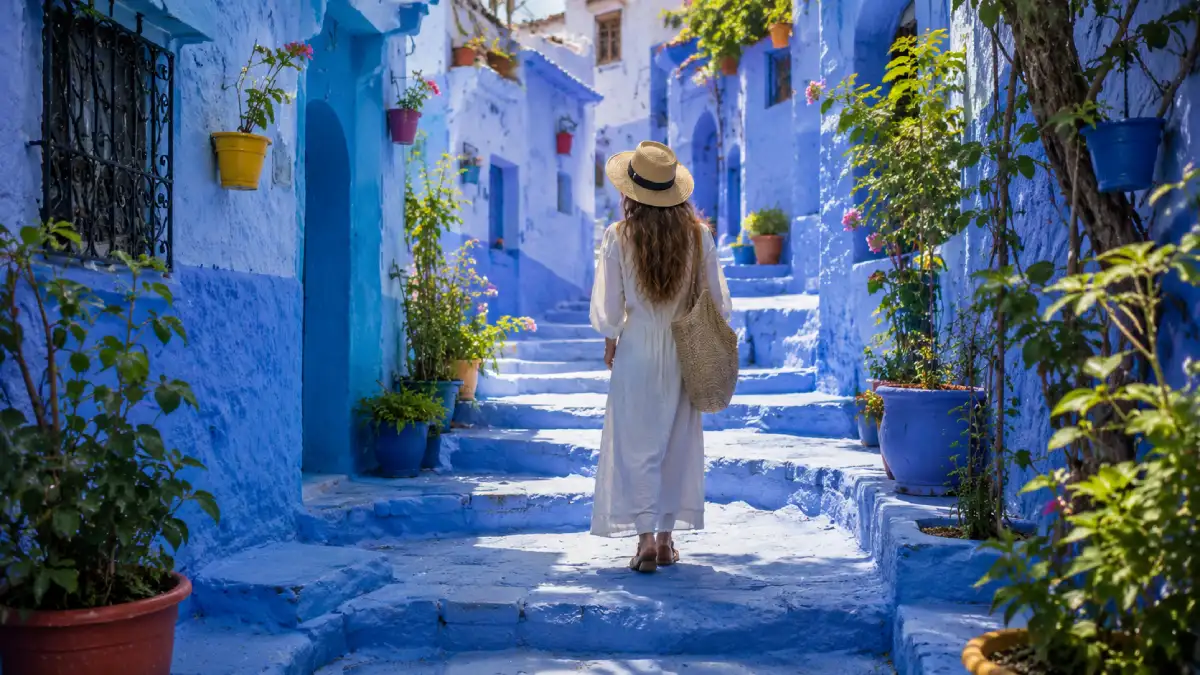
Chefchaouen
Best time: April to June and September to October
Chefchaouen is not a city to rush. You go there to walk slowly, drink tea, take photos, and enjoy the mountain air.
Spring and early autumn are my favorite times because the weather is fresh and the blue streets feel peaceful without too much heat.
Essaouira
Best time: May to September
When Marrakech becomes too hot, Essaouira feels like fresh air. Many Moroccans do the same thing: they go to the coast.
The wind, the seafood, the old port, and the relaxed streets make Essaouira one of the best summer escapes in Morocco.
Agadir
Best time: March to June and September to November
Agadir is good for travelers who want sun, beach, and an easier pace. It does not have the same old-medina feeling as Marrakech or Fes, but it is comfortable, especially for families and beach holidays.
These months give you warm weather without the hard inland heat.
Merzouga
Best time: October to April
Merzouga is magic when the weather is right. The dunes, the sunset, the camel ride, and the quiet night all feel better when the desert is not too hot.
I do not recommend the classic desert camp experience in July and August for most travelers. The desert is powerful, but summer heat can make it difficult to enjoy.
Casablanca
Best time: April to July and September to November
Casablanca is by the Atlantic, so the weather is usually milder than Marrakech or Fes.
It is a good city for Hassan II Mosque, the Corniche, seafood, and seeing Morocco’s modern side. You do not need many days here, but good weather makes the visit more pleasant.
Tangier
Best time: April to June and September to October
Tangier has a different feeling from the south of Morocco. You feel the sea, the hills, Europe nearby, and the old international history of the city.
Spring and autumn are excellent for the Kasbah, Cape Spartel, the Caves of Hercules, and relaxed café stops.
Local Guide Tip
Do not judge Morocco by one city. I always tell travelers this.
If you only see Marrakech, you miss the quiet side. If you only see the desert, you miss the old cities. If you only see the coast, you miss the mountains.
The best Morocco trips mix different regions, because that is when you understand how rich the country really is.
Best Time to Visit Morocco at a Glance
If you’re looking for one simple answer, April and October are usually the best months to visit Morocco. They offer the best balance of pleasant weather, comfortable sightseeing, Sahara Desert trips, Atlas Mountain scenery and coastal escapes. However, the ideal month still depends on the type of trip you’re planning.
| If you want… | Visit… |
|---|---|
| Perfect weather | March–May & Sept–Nov |
| Beaches | June–September |
| Surfing | October–April |
| Sahara | October–April |
| Hiking | April–June & Sept–October |
| Lowest prices | January & February |
| Fewer crowds | November & early December |
Month-by-Month Feel of Morocco
Morocco in January
January is a good choice if you want mild winter sunshine, quieter cities and lower prices. Marrakech, Fes and the Sahara are all enjoyable, although evenings can be cold. Read my complete Morocco in January guide for weather, packing tips and the best places to visit.
Morocco in February
February brings mild weather, fewer crowds and the beautiful Almond Blossom Festival in Tafraoute. It’s also a great month for Marrakech, the Sahara and Morocco’s Atlantic coast. Read my complete Morocco in February guide for weather, festivals, what to wear and itinerary ideas.
Morocco in March
March marks the start of spring, with greener landscapes, comfortable temperatures and excellent conditions for sightseeing across Morocco. It’s one of my favourite months for first-time visitors. See my detailed Morocco in March guide for weather, Ramadan travel, packing advice and the best places to visit.
Morocco in April
April is one of the best months to visit Morocco. Warm days, comfortable temperatures and excellent conditions make it easy to combine Marrakech, Fes, the Sahara Desert, the Atlas Mountains and the Atlantic coast in one itinerary. Explore my Morocco in April guide for weather, route planning, what to wear and local travel advice.
Morocco in May
May offers long sunny days, beautiful spring landscapes and some of the year’s best conditions for road trips, hiking and the Sahara Desert before summer arrives. Discover my complete Morocco in May guide for weather, festivals, packing tips and travel advice.
Morocco in June
June marks the beginning of summer. Inland cities become warmer, while coastal destinations such as Essaouira, Agadir and Taghazout remain comfortable thanks to the Atlantic breeze. Learn more in my Morocco in June guide for weather, festivals, Sahara advice and travel tips.
Morocco in July
July is one of Morocco’s hottest months, making the Atlantic coast a much better choice than inland cities for many travellers. If you’re planning a summer trip, read my complete Morocco in July guide for weather, beaches, what to wear and local advice.
Morocco in August
August is peak holiday season, especially along Morocco’s Atlantic coast. Coastal towns are lively, while inland destinations remain very hot. Read my complete Morocco in August guide for weather, beach destinations, crowds and travel tips.
Morocco in September
September brings the return of comfortable travel conditions across much of Morocco, making it an excellent month for road trips, cities and the Sahara Desert. Read my complete Morocco in September guide for weather, festivals and itinerary ideas.
Morocco in October
October is one of the very best months to visit Morocco, with warm days, cool evenings and ideal conditions for exploring cities, mountains and the Sahara. Read my complete Morocco in October guide for weather, packing advice and local tips.
Morocco in November
November offers pleasant temperatures, fewer tourists and excellent conditions for sightseeing, desert trips and coastal escapes. Read my complete Morocco in November guide for weather, travel costs and the best places to visit.
Morocco in December
December is a great month for winter sunshine, peaceful city breaks and comfortable Sahara Desert trips. Read my complete Morocco in December guide for Christmas travel, weather, what to wear and local advice.
Planning Your Trip to Morocco
Once you’ve decided the best time to visit Morocco, these guides will help you plan the rest of your trip with confidence.
Morocco Travel Guide – Plan your complete itinerary, discover the best destinations, and learn everything you need before visiting Morocco.
Marrakech Travel Guide – Explore the city’s top attractions, neighbourhoods, restaurants, gardens, and local travel tips.
Ouarzazate Travel Guide – Discover the gateway to the Sahara, famous kasbahs, film studios, and nearby desert routes.
Spring in Morocco – Learn what to expect during spring, including weather, festivals, the best places to visit, and practical travel advice.
Best Riads in Marrakech – Compare the best riads for every budget and choose the right place to stay in the Red City.
These guides work together to help you choose the right season, build your itinerary, find the best accommodation, and travel around Morocco with confidence.
Ready to book your trip? Here are the travel services I personally recommend for finding hotels, tours and flights.
If you’re travelling during spring or autumn, I recommend booking your accommodation and desert tour as early as possible. These are Morocco’s busiest travel seasons, and the best riads and camps often sell out well in advance.
And if you like to explore more on your own, you can also visit the official tourism website of Morocco. They share useful travel updates, festivals, and general information about different regions.
Mistakes to Avoid When Choosing When to Visit Morocco
Many travelers choose their travel dates based only on flight prices or hotel deals. After guiding visitors across Morocco for many years, I’ve learned that choosing the right season is often more important than finding the cheapest ticket.
Don’t judge Morocco by Marrakech weather
Many people check the weather in Marrakech and assume it’s the same everywhere. It isn’t. You can enjoy cool Atlantic breezes in Essaouira while Marrakech is above 40°C, or find snow in the Atlas Mountains while the Sahara enjoys warm sunshine.
Don’t underestimate the Sahara in summer
The Sahara Desert is one of Morocco’s greatest experiences, but July and August can be extremely hot. If your dream is sleeping under the stars and enjoying a camel trek, spring, autumn, or winter usually provide a much more comfortable experience.
Don’t forget warm clothes in winter
Winter days can feel pleasantly warm, but desert nights and mountain villages become surprisingly cold. A light jacket is not always enough, especially if you’re spending the night in the Sahara or visiting the High Atlas.
Don’t book everything at the last minute
Spring and autumn are Morocco’s busiest travel seasons. Popular riads, desert camps, and guided tours often sell out weeks or even months in advance. Booking early gives you more choice and usually better prices.
Match the Season to Your Travel Style
One thing I’ve learned after years of guiding travelers is that there is no single perfect month for Morocco. There is only the perfect month for the kind of trip you want.
A beach holiday, a Sahara adventure, a mountain trek, and a cultural city break all have different ideal seasons. That’s why I always plan the itinerary around the traveler’s interests first, then choose the best time of year to match.
My Advice as a Moroccan Guide
After guiding travelers across Morocco for many years, I’ve learned that choosing the right season is just as important as choosing the right itinerary. A well-planned trip isn’t about seeing the most places—it’s about experiencing each place at the right time. That’s when Morocco truly shows its best side.
FAQ About the Best Time to Visit Morocco
What is the best time to visit Morocco overall?
If you’re visiting Morocco for the first time, I recommend spring (March to May) or autumn (September to November). These months offer the best balance of comfortable weather, beautiful scenery, and ideal conditions for exploring cities, the Sahara Desert, the Atlas Mountains, and the Atlantic coast.
Is summer too hot to visit Morocco?
It depends on where you go. Marrakech, Fes, and the Sahara Desert can exceed 40°C (104°F) in July and August, making sightseeing difficult during the afternoon. However, coastal cities like Essaouira, Agadir, Taghazout, and Tangier stay much cooler thanks to the Atlantic Ocean.
Is winter a good time to visit Morocco?
Yes. Winter is one of my favorite seasons for travelers looking to avoid crowds. Marrakech, Fes, and the Sahara enjoy pleasant daytime temperatures, while the High Atlas Mountains are often covered in snow. Just remember that desert and mountain nights can be very cold.
When is the best time to visit the Sahara Desert?
The best time is October to April. During these months, daytime temperatures are comfortable for camel trekking and exploring the dunes, while evenings are perfect for enjoying dinner around the campfire beneath the stars.
When is the best time for hiking in the Atlas Mountains?
I recommend April to June and September to October. Spring brings green valleys and wildflowers, while autumn offers clear skies and excellent hiking conditions. Winter hiking is possible, but snow covers many higher trails.
When is the best time to visit Morocco’s beaches?
For beach holidays, the best months are June to September, especially in Essaouira, Agadir, and the Mediterranean coast. If you’re coming mainly to surf, October to April usually offers the best waves.
Is Ramadan a good time to visit Morocco?
Yes. Ramadan offers a unique cultural experience, although some restaurants, cafés, and shops may have shorter daytime opening hours. After sunset, cities become lively as families gather for iftar and the streets fill with local life. I simply recommend planning with a little more flexibility.
What is the best time to avoid crowds?
If you prefer quieter streets and lower prices, consider January, February, November, or early December. You’ll enjoy fewer tourists while still experiencing many of Morocco’s highlights.
Final Thoughts
People often ask me, “When is the best time to visit Morocco?”
My answer is always the same: it depends on the kind of trip you want.
If your dream is wandering through the souks of Marrakech, hiking in the Atlas Mountains, spending a night beneath the stars in the Sahara Desert or relaxing on the Atlantic coast, every season offers something different. The key is choosing the time of year that matches your travel style, interests and itinerary.
After guiding travellers across Morocco for many years, I’ve learned that the best trip isn’t about seeing the most places—it’s about visiting them at the right time. That’s why I always recommend planning your route around the season before booking hotels, tours or transport.
If you’re ready to take the next step, explore my Morocco Travel Guide for destination advice, suggested itineraries, transport tips and everything you need to plan your trip with confidence.
I hope this guide has helped you choose the best time to visit Morocco, and I look forward to welcoming you here one day.
See you in Morocco.
— Kamal
Official Licensed Moroccan Tour Guide