Morocco in January: Weather, Best Places & What to Wear
Morocco in January is good for city sightseeing, Atlantic surf and Sahara trips if you prepare for cold nights. Marrakech and Agadir can have pleasant sunny afternoons, while Fes feels colder and the High Atlas can have snow and ice. Choose your route for the season rather than expecting beach weather everywhere.
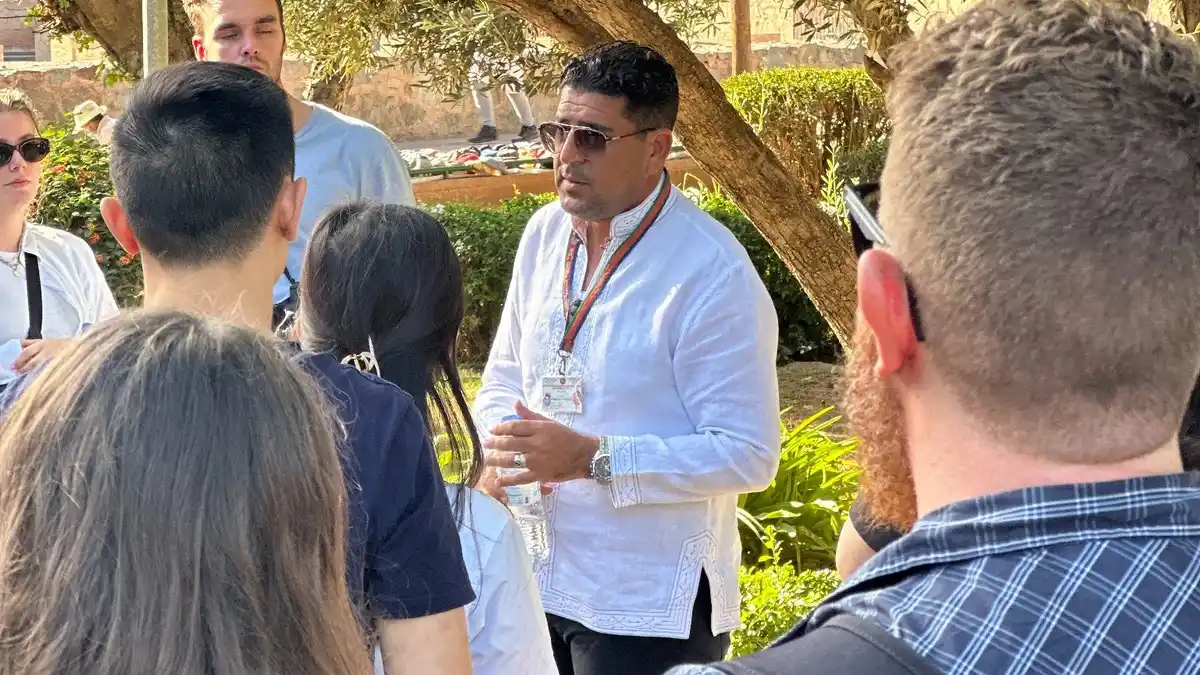
I’m Kamal, a licensed Moroccan tour guide based in Marrakech. My main advice for January is simple: book a room with dependable heating, carry an evening layer and leave flexibility for mountain roads. This guide helps you compare regions, choose where to go and pack for the trip.
Planning your first visit? Use my Morocco Travel Guide for the basics and Best Time to Visit Morocco to compare seasons.
Staying mainly in Marrakech? My Marrakech in January guide covers the city’s weather, what to wear, riad heating and day trips. This national guide helps you choose between regions and plan a wider Morocco winter route.
Table of Contents
Table of Contents
Quick Summary: Is January a Good Time for Morocco?
Yes, January is a very good time to visit Morocco if you plan your trip properly. Expect mild daytime temperatures around 16–22°C in many popular places, quiet medinas, good prices, and peak surf conditions on the Atlantic coast. But don’t come thinking Morocco is hot all day and all night. January evenings are cold, riads can feel chilly indoors, and the Atlas Mountains are real winter territory.
Morocco in January is best for travelers who want culture, photography, desert tours, food, hammams, city walks, and winter sun without summer crowds. It is not the best month if your dream is lying on the beach in swimwear every day.
Morocco Weather in January: What You Actually Feel
Morocco weather in January depends completely on where you go. This is the first thing I always explain to travelers.
Morocco is not one climate. In the same trip, you can walk under warm sun in Marrakech, see snow on the High Atlas Mountains, feel Atlantic wind in Essaouira, and sleep under a freezing desert sky in Merzouga.
January is generally one of Morocco’s coldest and wettest months but “cold” here does not mean the same thing everywhere. In Marrakech, the daytime can feel beautiful. In the mountains, it can be icy. In Agadir, you may be sitting outside with sunglasses. In Fes, the evening can feel sharp and damp.
Average January highs in Marrakech are around the mid-to-high teens Celsius, while coastal and northern cities are cooler or milder depending on wind and rain. January is also among the wetter months, with rain more likely in the north and along parts of the coast than in the southern desert areas.
For the bigger seasonal picture, my Winter in Morocco guide explains how December, January, and February compare for weather, Sahara Desert nights, Atlas snow, packing layers, riad comfort, and realistic itinerary planning. If you are comparing winter months, read Morocco in December and Morocco in February before choosing your dates.
The “Riad Factor”: The Thing Many Travelers Don’t Expect
This is my strongest January warning: many riads are beautiful, but they can be cold at night.
Traditional Moroccan houses were built for summer. Thick walls, inner courtyards, tiled floors, shaded rooms, and high ceilings help keep heat out during hot months. That is perfect in July and August. But in January, the same design can trap the winter chill inside.
Many travelers tell me the same thing: “Kamal, outside in the sun was perfect, but our riad was cold at night.”
This does not mean you should avoid riads. A good riad in Marrakech or Fes can be one of the most beautiful parts of your Morocco trip. But in January, choose carefully. Look for heating, good blankets, fireplaces, heated bathrooms if possible, and recent winter reviews. Don’t only trust the summer photos with orange trees and open courtyards.
My local advice: pack warm loungewear for the evening. Even if the day feels sunny, you will be happy to have thick socks, a warm jumper, and proper pajamas when you return to your riad after dinner.
Where you stay becomes more important in winter. Choosing from the best riads in Marrakech is not just about design anymore, but about comfort, heating, and location. A good riad in January changes your experience completely, especially at night.
Marrakech in January: Mild Days, Cold Nights
Marrakech is one of the easier Moroccan cities to enjoy in January. Afternoons are often mild and sunny enough for comfortable walking, while mornings and evenings are much colder. Nighttime temperatures can fall to around 5–9°C, so travelers still need a jacket and warm layers.
The most important winter detail is accommodation heating. Traditional riads can feel colder inside because of their tiled floors, shaded courtyards and high ceilings. Check that your room has dependable heating instead of choosing only from summer photographs. For a city-specific breakdown of temperatures, crowds, what to wear and riad heating, read my Marrakech in January guide.
Fes in January: Beautiful, Historic, and Colder Than People Expect
Fes is magical in winter, but it often feels colder than Marrakech. The medina is narrow, shaded, and old, which gives it a deep historic atmosphere but also makes January evenings feel chilly.
If you are visiting Fes in January, bring warm layers and comfortable shoes. The city is perfect for cultural travelers who want madrasas, tanneries, craft workshops, and real old-medina atmosphere. But don’t expect warm evenings outside. Plan your dinner close to your riad or arrange transport if you are staying outside the medina.
Also, in Fes, be careful with the famous “the way is closed” trick. Someone may tell you a street is blocked and offer to guide you another way. Sometimes it is helpful, but many times it is a small hustle. Smile, say thank you, and continue with Google Maps, your riad’s directions, or a licensed guide.
Agadir and Taghazout: The Warmest Winter Sun Feeling
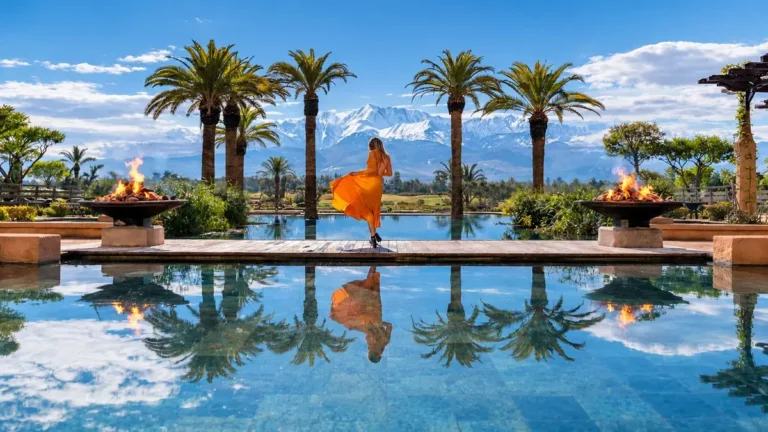
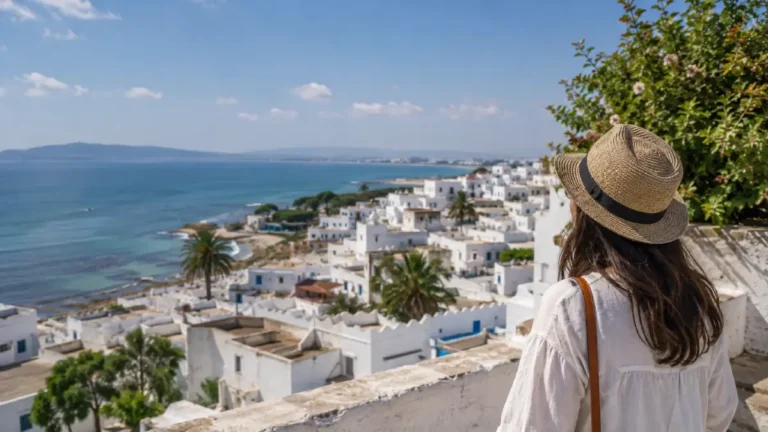
If you want Morocco winter sun, the Atlantic south around Agadir and Taghazout is often your best choice. It is not tropical beach weather like summer, but January afternoons can be very pleasant, especially when the sun is out and the wind is calm.
Agadir is easier for travelers who want hotels, a long promenade, modern comfort, and simple coastal walks. Taghazout is more relaxed, surf-focused, and younger in energy. For normal beach travelers, January may feel too cool for long sunbathing or swimming. For surfers, it is one of the strongest months of the year.
Essaouira in January: Beautiful but Breezy
Essaouira is one of Morocco’s most photogenic coastal towns in January. The blue boats, old ramparts, seagulls, seafood grills, and Atlantic light make it a beautiful winter stop.
But Essaouira is windy. Even in warmer months, the wind is part of the city’s personality. In January, it can feel fresh, especially in the evening. I recommend Essaouira in January for photography, seafood, medina walks, quiet cafés, and a relaxed break from Marrakech. I do not recommend it if your main goal is warm beach swimming.
Atlas Mountains in January: Real Winter, Not Just a View
Some links in this guide may earn a small commission at no extra cost to you. I only recommend services I trust for planning a Morocco trip.
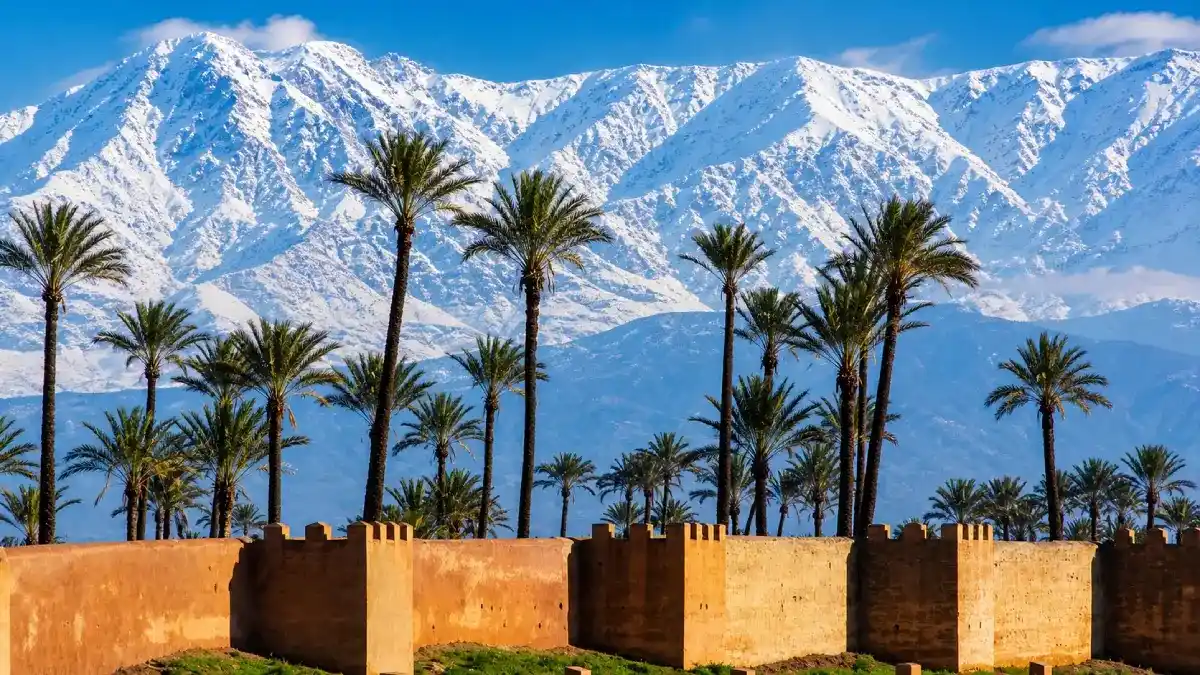
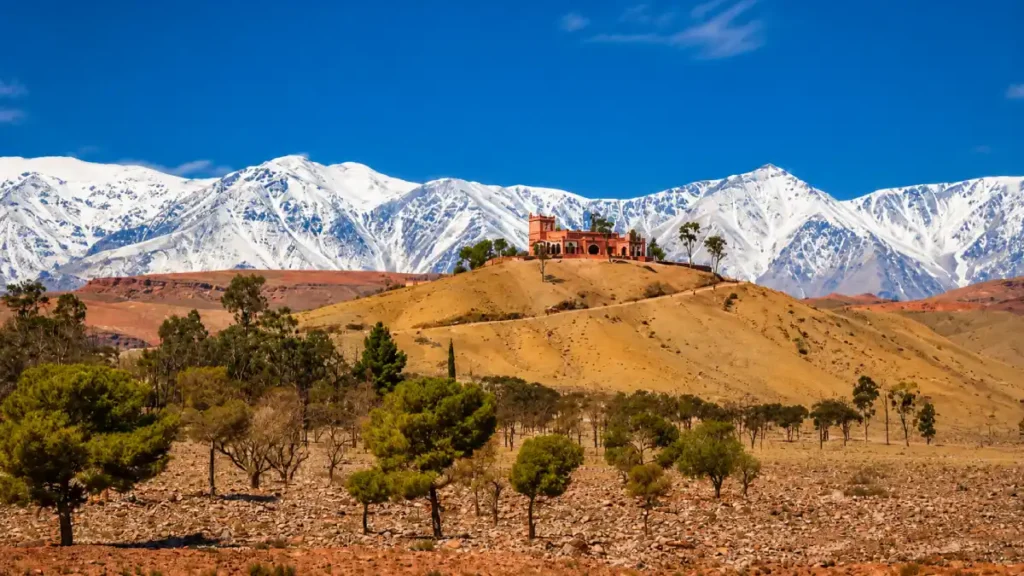
The Atlas Mountains in January are stunning, especially when the peaks are covered with snow. From Marrakech, even a day trip toward Imlil, Ourika, or the mountain valleys can give you a completely different feeling from the city.
But this is real winter territory. Roads can be affected by snow or ice, temperatures can drop below freezing, and hiking conditions can change quickly. I recommend Atlas Mountain trips in January mostly when the weather is clear.
For serious trekking, especially around Mount Toubkal, you should not treat January like a casual summer hike. Winter conditions can change quickly, with snow, ice, fog, and very cold temperatures at higher altitude. A licensed local mountain guide is required for Toubkal routes, and this is not just a rule — it is common sense in January. Go with someone who knows the trail, checks the weather, and understands when it is safe to continue and when it is better to turn back.
For travelers who want to climb Toubkal from Marrakech without organizing everything alone, I recommend the 2 Days Mount Toubkal Trek from Marrakech. It is a better fit than a simple day trip because it gives you time to reach Imlil, trek properly, stay overnight near the mountain, and attempt the summit with a local guide instead of rushing the experience. In January, check the tour details carefully and make sure winter conditions, guide support, meals, accommodation, and transport from Marrakech are clearly included.
This works well because Viator listings for 2-day Toubkal treks usually include guided trekking, Marrakech pickup or transport, refuge accommodation, meals, and mule support depending on the exact operator. Always check the current inclusions before booking, because each operator may offer a slightly different package.
Sahara Desert in January: Beautiful Days, Freezing Nights
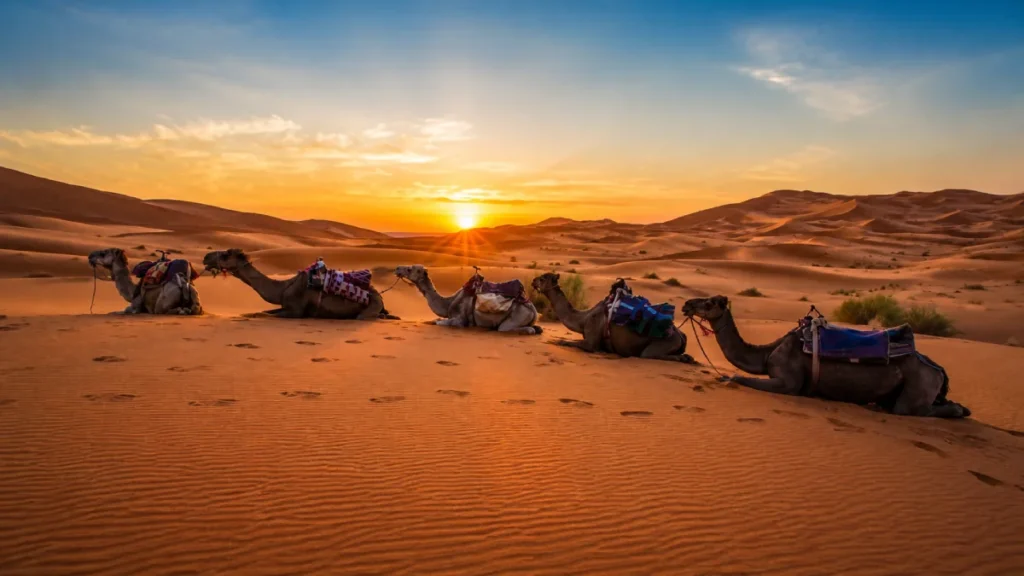
The Sahara in January is 100% worth it for the right traveler.
The light is soft. The skies are clear. The dunes around Merzouga and Erg Chebbi look beautiful for photography. Camel rides feel more comfortable than in summer because you are not fighting extreme heat. At night, the stars can be incredible.
But I want to be honest: the desert gets very cold after sunset. Sometimes it feels icy. If you are staying in a basic camp, you need to be ready for a cold night. A luxury desert camp makes a big difference in January because you usually get proper beds, thick duvets, private tents, and better bathroom comfort.
For January, I prefer private desert tours when possible. The daylight is shorter, and private transport helps you move at a better pace, avoid unnecessary commission stops, and arrive at the camp before dark. In winter, arriving late to a cold desert camp is not the best start to the experience.
Best Places to Visit in Morocco in January
The best places to visit in Morocco in January are not always the same places I recommend in spring or autumn. In January, you need to think about sunshine, daylight, road conditions, heating, and what kind of experience you want.
1. Marrakech: Best for Culture Without the Summer Heat
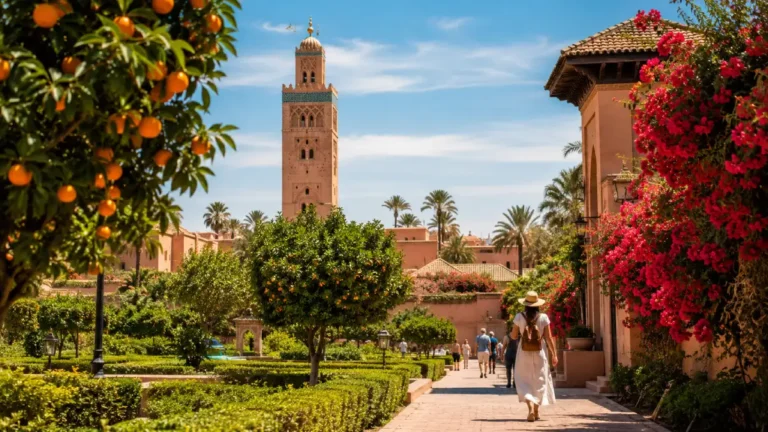
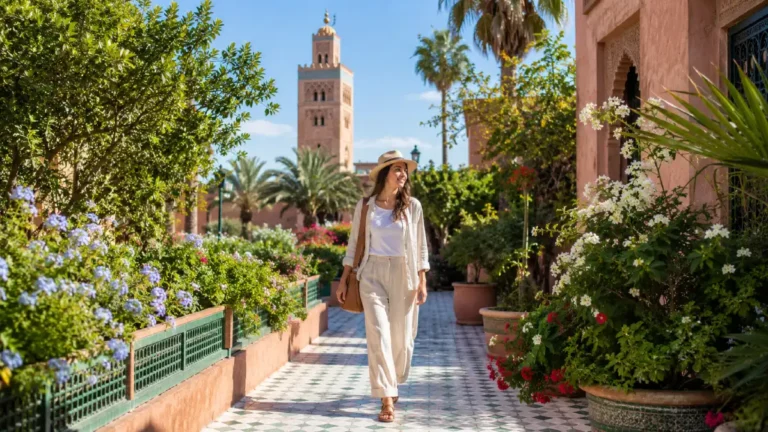
Marrakech is one of the best places to visit in Morocco in January because the city becomes easier to explore. In summer, travelers often get tired quickly. In January, you can walk longer, enjoy the souks, visit monuments, and take your time.
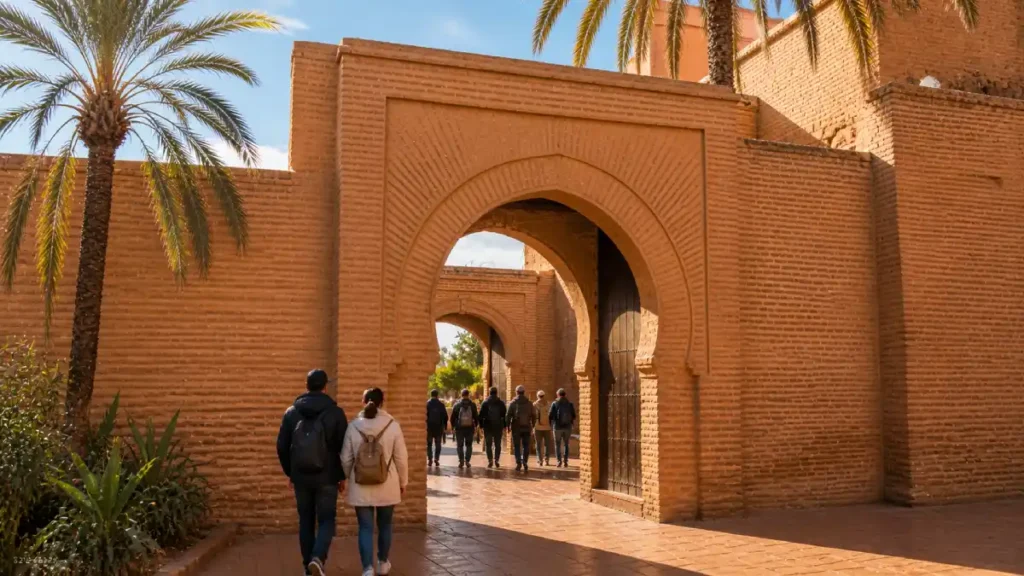
Start early at Ben Youssef Madrasa if you want quiet photos. Then move through the souks before they become busier. Around midday, rooftop terraces are at their best because the sun warms everything. Late afternoon is beautiful around Koutoubia and Jemaa el-Fnaa.
January is also a good time for gardens like Majorelle Garden and Le Jardin Secret, but remember that garden visits are nicer when the sun is out. If the day is cloudy or rainy, use that time for museums, hammams, cooking classes, or indoor shopping.
My honest advice: don’t overload your Marrakech day. Winter days are shorter, and evenings get cold. Choose a few strong places and enjoy them properly.
2. Taghazout and Imsouane: Best for Surfing Morocco in January
Surfing Morocco in January is a big reason many travelers come to the Atlantic coast. This is peak swell season, especially around Taghazout, Tamraght, and Imsouane.
Taghazout is the better base if you want surf schools, cafés, yoga places, guesthouses, and a social surf-town feeling. Imsouane is quieter and famous for its long wave, often described as one of the longest rides in Africa. For surfers, January can be excellent. For normal swimmers, the ocean feels brisk.
Beginner surfing conditions in Taghazout in January depend on the beach and swell size. Beginners should go with a proper surf school that chooses the right spot for the day. Don’t just rent a board and copy advanced surfers. The Atlantic can be powerful in winter.
For water sports, a 3/2mm wetsuit is usually recommended because the sea is cool, even when the sun feels warm.
3. Agadir: Best for Easy Winter Sun
Agadir is not the most traditional Moroccan city, but in January it has one strong advantage: comfort.
If you want sunshine, a long beach promenade, hotel facilities, cafés, and easy coastal walks, Agadir works well. It is especially good for travelers who don’t want the intensity of the medina every day.
You can use Agadir as a soft winter break between Marrakech and the surf coast. It is also practical for families or travelers who want modern hotels with heating, elevators, pools, and simpler logistics.
Swimming in January is possible for some people, but I would not sell Agadir as a hot beach holiday in the classic sense. Think winter sun, walking, seafood, and relaxed afternoons.
4. Essaouira: Best for Photography, Seafood, and Slow Travel
Essaouira in January is calm, atmospheric, and less crowded. The medina is easy to explore, the ramparts are beautiful in winter light, and the fishing port gives you real local scenes.
This is a good place if you want a slower pace after Marrakech. You can walk the beach, eat grilled fish, visit galleries, drink coffee near the port, and photograph the blue-and-white streets without feeling rushed.
But bring a windproof jacket. Essaouira is not the place to pretend you are in summer. January here is about mood, ocean air, and beauty, not hot beach life.
Many travelers place the coast at the end of their Morocco itinerary, using it as a way to slow down after more active parts of the trip.
5. Merzouga and Erg Chebbi: Best for Desert Silence and Stars
Merzouga is the gateway to the Erg Chebbi dunes, and January is one of the most peaceful times to visit. The desert feels wide and quiet. The camel trek is more comfortable than in hot months, and the sunset colors can be amazing.
A typical Marrakech to Merzouga desert tour takes at least 3 days, but honestly, 4 days is better if you don’t want to feel rushed. The distance is long, and in January the shorter daylight makes pacing more important.
If you only have 2 days, I would not recommend Merzouga from Marrakech. It becomes too much driving. Choose Agafay Desert instead for a closer desert-style experience, but understand that Agafay is rocky desert, not Sahara dunes.
In Merzouga, one local detail I love is nearby Rissani. It has a real market atmosphere, and on market days you may see the traditional donkey parking area, where local people leave their donkeys while they shop. It is a small detail, but it shows you real desert life beyond the camp photos.
As winter moves forward, the country starts to change again. If you are thinking about traveling a little later, read my Morocco in February guide to compare the weather, desert conditions, and best places before choosing your dates.
What to Pack for Morocco in January
What to pack for Morocco in January is one of the most important parts of planning. The mistake many travelers make is packing only for daytime sun.
You need layers. Not huge luggage, not winter expedition gear for the whole country, but smart layers that work from sunny afternoons to cold nights.
Daytime Packing for January
During the day in Marrakech, Agadir, and many southern areas, you may be comfortable in light layers. Bring sunglasses and sunscreen because winter sun can still be strong, especially in open places like the desert, rooftops, and mountain roads.
For normal sightseeing, pack:
- Long-sleeve shirts or light sweaters
- Comfortable walking shoes
- Sunglasses
- Sunscreen
- A light scarf
- A small day bag
- A reusable water bottle
Even in January, dehydration can happen when you walk all day in dry air.
Nighttime Packing for January
Evenings are different. This is where many travelers get surprised.
For January nights, pack:
- A warm jumper or fleece
- A proper jacket
- Thick socks
- Warm pajamas
- A beanie for the desert or mountains
- Gloves if you visit the Sahara or Atlas Mountains
- Thermal base layers for cold areas
If you are staying in a riad, add comfortable warm clothes for relaxing indoors. This is not a joke. What to wear in a Moroccan riad at night? Wear what keeps you warm, not what looks good for Instagram. A soft fleece, warm socks, and thermal pajamas can save your evening.
The Luxury Layer Secret: Moroccan Velvet Caftans and Djellabas
Here is a local tip I love: winter is the best time to enjoy Moroccan warm clothing.
A velvet caftan or a wool djellaba is not only beautiful; it makes sense in January. Moroccan families know how to dress for houses that feel cold in winter. If you buy a nice djellaba in Marrakech or Fes, you are not only buying a souvenir. You are buying something practical for cold riad evenings.
For women, a warm Moroccan caftan can feel elegant and comfortable in the riad. For men, a wool djellaba is one of the smartest winter garments in Morocco. It covers the body well and keeps warmth inside.
What to Pack for the Sahara in January
For the Sahara, pack more seriously. The desert may feel warm under the afternoon sun, but after sunset the temperature drops quickly.
Bring thermal shirts, leggings, a down jacket or heavy warm layer, scarf, beanie, gloves, warm socks, and good walking shoes. If you are doing a camel ride, a scarf helps protect you from wind and sand. For luxury camps, you will usually have heavy bedding, but you still need warm clothes for dinner, music around the fire, and stargazing.
Is the Sahara desert cold in January? Yes, especially at night. Don’t let the word “desert” fool you.
What to Pack for Surfing Morocco in January
For surfing Morocco in January, bring or rent a 3/2mm wetsuit. Surf schools in Taghazout and Imsouane usually provide wetsuits with lessons, but quality can vary. If surfing is a big part of your trip, check before booking.
Also pack flip-flops for the surf house, a towel, sunscreen, and warm clothes for after the session. Coming out of the Atlantic in January and sitting in the wind without a warm layer is not fun.
What to Pack for Atlas Mountain Trekking January
For Atlas Mountain trekking January conditions, you need proper winter preparation. For simple valley walks, warm layers and good shoes may be enough. For higher routes, especially Toubkal, you need winter gear, a licensed guide, and sometimes crampons or ice equipment depending on conditions.
Don’t decide mountain safety from a sunny photo online. Ask locally, check conditions, and respect the mountain.
If you want a full breakdown, follow your Morocco packing list guide to avoid common mistakes.
Must-Do Experiences in Morocco in January
January is not only about weather. It gives Morocco a different feeling. The country is quieter, more local, and easier to enjoy slowly.
Take a Marrakech Walking Tour Without Melting
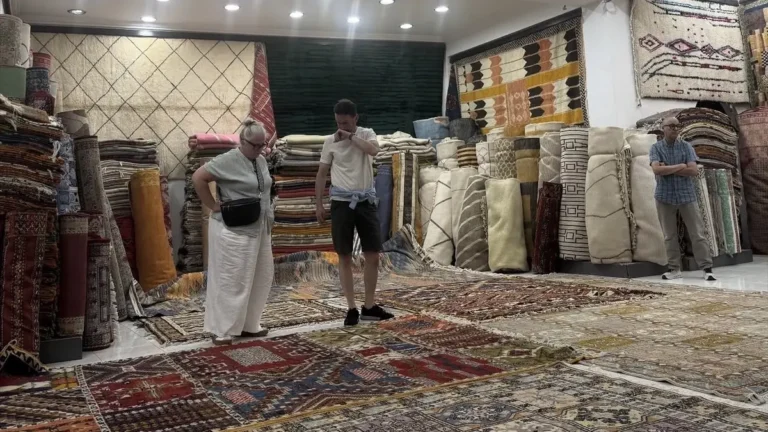
January is one of the best months for a Marrakech walking tour. You can spend hours in the medina without the summer heat. This is the time to explore the souks properly, understand the crafts, visit monuments, and stop for tea without feeling exhausted. If the souks are a big part of your Marrakech plan, read my full guide to the Marrakech souks before you go so you understand the different areas, what to buy, and how to shop without pressure.
In my tours, I like starting in the morning, then using midday for rooftops, hidden corners, and places where the sun feels good. January rewards travelers who move with the day, not against it.
Escape the Cold Into a Hammam
This is my personal January tip: go to a hammam.
There is nothing better than leaving the crisp winter air and entering a hot, steamy hammam with black soap, warm water, and traditional exfoliation. It warms your body in a way a hotel heater cannot.
You can choose a local hammam for a more traditional experience or a spa hammam if you want privacy and comfort. After a hammam in January, dinner feels better, sleep feels better, and your body thanks you.
Visit the Sahara Without the Summer Heat
Sahara desert tours in winter are popular for good reason. You avoid the dangerous summer heat, the light is beautiful, and the dunes feel peaceful.
But book wisely. For January, I recommend choosing a good camp, asking about heating or bedding, and avoiding itineraries that rush too much driving into too little time. A desert tour should not feel like punishment in a van.
If you are planning to sleep in the dunes, read my full guide to the best desert camps in Merzouga before you book. In January, the camp choice matters a lot because warm bedding, private tents, hot showers, and good evening service can completely change your Sahara experience.
Go Surfing on the Atlantic Coast
Atlantic coast surfing Morocco is strongest in winter. Taghazout, Tamraght, and Imsouane attract surfers from many countries in January because the swell is consistent.
If you are a beginner, book lessons. If you are intermediate or advanced, choose your base depending on the waves you want. Taghazout gives more variety and services. Imsouane gives a slower village feeling and long rides when conditions are right.
If you want to understand the coast better before choosing your base, read my full guide to the best beaches in Morocco. It explains which beaches are good for surfing, which ones are better for relaxing, and which coastal towns fit different travel styles.
Experience Amazigh New Year
Amazigh New Year, called Yennayer, is now officially recognized in Morocco as a national holiday on January 14. It celebrates Amazigh heritage, family, food, land, and cultural identity. Morocco’s official holiday calendar lists January 14 as Amazigh New Year, while January 11 marks the Anniversary of the Independence Manifesto.
For tourists, this does not mean every street becomes a festival, but it is a meaningful cultural moment. In Amazigh regions and cultural spaces, you may find special meals, music, community events, or decorations. If your trip includes the Atlas Mountains, Souss region, or Amazigh villages, ask locally about respectful ways to experience it. For dates, traditions, food and local meaning, read my complete Yennayer in Morocco guide.
Insider Travel Tips for January: Safety, Scams, and Better Choices
January is a great month, but small planning choices matter.
Book Heating, Not Just Beauty
When choosing hotels or riads in January, read reviews carefully. Search for words like heating, warm room, fireplace, cold, blankets, and winter. A beautiful riad with no heating can become uncomfortable at night.
Modern hotels are often warmer and easier in winter, while riads are more atmospheric. There is no right or wrong choice. Just know what you are booking. If you are staying in Marrakech, I recommend reading my full guide to the best riads in Marrakech before you book, because location, heating, access, and service matter even more in winter than the photos.
Use Private Transport When the Route Is Long
For long winter routes like Marrakech to Merzouga, private transport can be worth it. You get flexibility, better timing, fewer unwanted shopping stops, and more control over arrival time. If you are still deciding between private driver, shared tour, bus, train, or rental car, read my full Morocco transportation guide before you choose, because the right transport can completely change your January itinerary.
In January, daylight is shorter. Arriving at your desert camp before sunset makes the experience much better. You can enjoy the dunes, settle into your tent, drink tea, and prepare for the cold evening instead of arriving tired in the dark.
Be Careful With Stray Animals
This is important. Do not touch, feed, or play with stray dogs or cats, even if they look friendly. Recent official travel health advice has highlighted rabies risk connected to animal exposure in Morocco. The CDC advises travelers exposed to rabies in Morocco to seek medical care immediately, and Australian travel advice also warns travelers to avoid contact with dogs, cats, and other mammals and get urgent help after bites or scratches.
This does not mean you should be afraid in Morocco. It means you should be smart. Take photos from a distance, teach children not to touch animals, and act quickly if anything happens.
Don’t Fall for “The Way Is Closed”
In Marrakech and Fes, especially in the medina, someone may tell you, “This way is closed,” or “The market is this way,” or “Today the tannery is closed, I show you better.”
Sometimes people are genuinely helpful. But many times, this is a way to lead travelers to shops or ask for money.
My advice is simple: keep walking, smile, and say “la shukran” or “no thank you.” If you are lost, ask a shopkeeper, your riad, or a licensed guide. Don’t follow random street guides unless you are comfortable with the situation.
Choose Ethical Desert Tours
A cheap desert tour can become expensive in other ways: too much driving, poor camp conditions, rushed stops, uncomfortable vehicles, and pressure to buy things.
Choose desert tours that respect local communities, pay drivers and camp workers fairly, use good vehicles, and don’t treat the Sahara like a quick photo machine. The desert is not only dunes. It is home to Amazigh and Saharan communities with their own history, music, food, and dignity.
A good tour gives you comfort, but also respect.
If you’re planning your trip around the winter season, it helps to see how things shift across the months. December and January can feel similar in some places, but the overall rhythm is slightly different. You can get the full picture in our Morocco in December guide before you finalize your plans.
Is January Right for Your Morocco Trip?
For most travelers, I recommend a January route like this:
Start in Marrakech for culture and food. Add the Atlas Mountains only if the weather is clear. Continue to the Sahara if you have at least 3 or 4 days for the desert. Finish with Essaouira, Agadir, or Taghazout depending on whether you want calm coast, winter sun, or surfing.
That way, you follow the sun instead of fighting the season. If you are still not sure how many days you need, read my full Morocco itinerary for 7, 10, and 14 days because it will help you choose the right route for your time, your comfort, and the kind of Morocco experience you want.
Final Local Advice
The secret to enjoying Morocco in January is not pretending it is summer. The secret is using the season properly.
Walk the medina in the soft winter sun. Visit palaces without crowds. Drink mint tea on a rooftop at midday. Book a riad with heating. Wear warm layers at night. Take the desert seriously. Go to a hammam when the cold gets into your bones. And if you visit the mountains, respect the weather.
Morocco in January can be one of the most rewarding trips of the year when you plan it with local logic.
Some links on this page may be affiliate links. If you book through them, I may earn a small commission at no extra cost to you. I only recommend places and experiences I trust, use, and confidently suggest to the travelers I guide here in Morocco.
FAQs About Morocco in January
Is January a good time to visit Morocco?
Yes, January is a good time to visit Morocco, especially for city breaks, desert trips, cultural travel, photography, and surfing. Days are often mild and sunny, with fewer crowds than spring and autumn. The main thing to remember is that nights are cold, especially in riads, the desert, Fes, and the mountains.
How warm is Morocco in January?
In many popular areas, daytime temperatures are often around 16–22°C, depending on the region. Marrakech can feel very pleasant during the day, while nights may drop to around 5–9°C. The Atlas Mountains can be freezing, and the Sahara can become very cold after sunset.
What is Morocco weather in January like?
Morocco weather in January is mixed. You can have sunny days, cool mornings, cold nights, and some rain, especially in northern Morocco and coastal areas. Southern Morocco and the desert are usually drier, but the nights are colder than many travelers expect.
Does it rain a lot in Morocco in January?
January is one of the wetter months in Morocco, especially in the north and on parts of the coast. But rain often comes as showers rather than full days of heavy rain. Marrakech and southern routes usually still have many bright, usable days.
Can you swim in Morocco in January?
You can swim, but for most travelers the Atlantic feels cold in January. The water is often around 17–18°C, so short dips are possible, but it is not classic warm beach swimming. For surfing and water sports, a wetsuit is strongly recommended.
Is surfing Morocco in January good?
Yes, surfing Morocco in January is excellent, especially around Taghazout, Tamraght, and Imsouane. Winter brings consistent Atlantic swells, making it one of the best times of year for surfers. Beginners should book lessons because some winter conditions can be strong.
What to pack for Morocco in January?
For Morocco in January, pack layers. Bring light clothes for sunny daytime sightseeing, but also a warm jumper, fleece, jacket, thick socks, and warm pajamas for evenings. If you visit the Sahara or Atlas Mountains, add thermal layers, gloves, a beanie, and good shoes.
Is the Sahara desert cold in January?
Yes, the Sahara desert is cold at night in January, sometimes very cold. Daytime can be pleasant and sunny, but once the sun sets, temperatures drop quickly. Pack thermal layers, a warm jacket, gloves, scarf, and warm socks, especially if you plan to sit outside for music or stargazing.
Can you visit the Sahara in January?
Yes, January is a beautiful time to visit the Sahara if you are ready for cold nights. The dunes are peaceful, the light is excellent for photography, and camel rides are more comfortable than in summer. I recommend choosing a good camp and avoiding rushed itineraries.
Are shops and souks open in Morocco in January?
Yes, souks, shops, restaurants, and most attractions are open in January. January is not a long shutdown period in Morocco. Some public holidays, such as January 11 and Amazigh New Year on January 14, may affect certain offices or schedules, but tourist areas usually continue operating.
Do I need a guide for the Atlas Mountains in winter?
For serious trekking, especially around Mount Toubkal, yes, you need a licensed local guide. Winter conditions can include snow, ice, and sudden weather changes. Even for easier mountain trips, local advice is important in January because road and trail conditions can change quickly.