Is Marrakech Safe for Tourists? Honest Local Advice (2026 Guide)
Is Marrakech safe for tourists? This is one of the most common questions travelers ask before visiting the city.
If you’re planning a trip to Marrakech, it’s normal to wonder about safety. Almost every traveler asks me this before arriving, and I hear the same question again and again: “Is it really safe?”
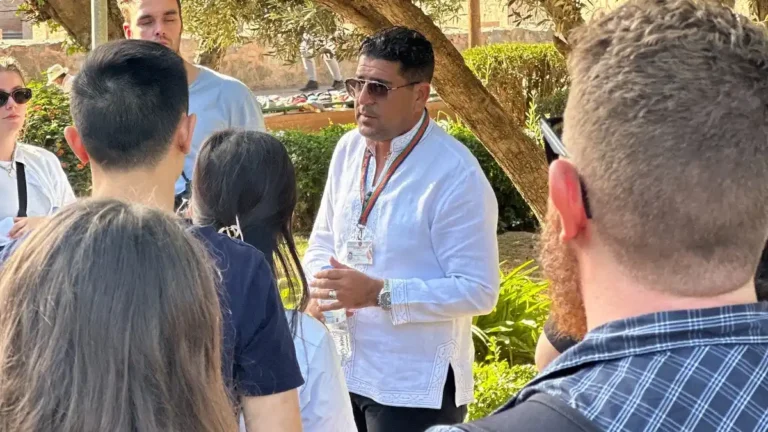
I live here and work as a tour guide in Marrakech. I spend my days walking through the Medina with visitors from all over the world, including couples, solo travelers, families with children, and older guests. This article is based on what I see in real life, not on headlines or stories copied from the internet.
Marrakech is not a dangerous city, but it can feel confusing at first. The streets are busy, people talk to you, and the Medina doesn’t work like European city centers. For many visitors, that first impression creates stress, even when nothing bad is happening.
If you’re looking for broader advice beyond Marrakech, you can also read my complete Safety in Morocco guide, where I explain how travel safety works across the country.
What I’ve noticed is simple. The first day can feel intense. By the second day, most people feel much more comfortable. Once travelers understand what is normal here and what is not, the fear disappears and the city becomes enjoyable.
This guide is not written to scare you, and it’s not written to say everything is perfect. It’s here to explain how safety in Marrakech actually works, what situations confuse tourists, and how to move around the city with confidence and common sense.
I’ll share honest advice, real examples, and practical tips I give to my own guests every week, so you can enjoy Marrakech without unnecessary worry.
My Real Experience Guiding Tourists in Marrakech
I don’t judge safety in Marrakech from theory or online research. I judge it from what I see every week while guiding real people through the city.
Most travelers arrive a little tense. They walk carefully, hold their bags tightly, and watch everything around them. This is normal, especially if it’s their first time in North Africa. What always surprises them is how quickly that feeling changes.
After a few hours walking together in the Medina, people relax. They start asking questions about daily life instead of worrying about every small interaction. By the end of the first day, many tell me they feel safer here than they expected.
In all my years guiding in Marrakech, serious safety issues with tourists are extremely rare. What happens much more often are small, harmless situations that feel uncomfortable only because visitors don’t understand what’s normal here. A shopkeeper insisting you look at something. A man offering directions when you didn’t ask. A motorbike passing too close in a narrow street.
These moments are not danger. They are part of how the Medina functions.
I guide families with children, older couples, solo travelers, and women traveling alone. They walk the same streets, visit the same places, and eat in the same restaurants. With basic awareness and simple habits, they move around without problems.
One thing I always notice is this: tourists who slow down, observe, and don’t panic enjoy Marrakech much more. Those who arrive expecting trouble tend to feel stressed even when nothing is happening.
Marrakech is a city where daily life happens in public. People work, talk, argue, laugh, and sell things in the street. For visitors, this openness can feel intense at first, but it doesn’t mean it’s unsafe.
What really matters is understanding the difference between feeling uncomfortable and being in danger. Most visitors confuse the two during their first hours in the city.
What Is Actually Safe in Marrakech (and What Is Often Exaggerated)
One of the biggest problems with reading about Marrakech online is that normal situations are often described as serious risks. This creates fear where there shouldn’t be any.
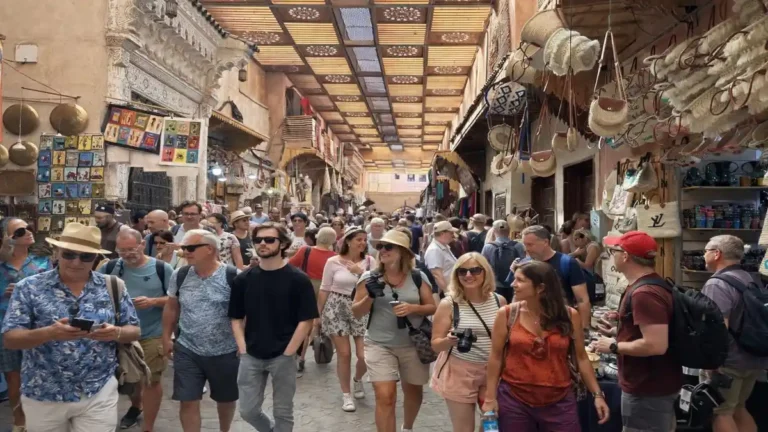
Walking in the Medina during the day is safe. Locals, shopkeepers, families, and workers are everywhere. You’ll see children walking to school, people carrying groceries, and vendors opening their shops. This daily life doesn’t stop because tourists are present. You’re simply walking through a living neighborhood, not a theme park.
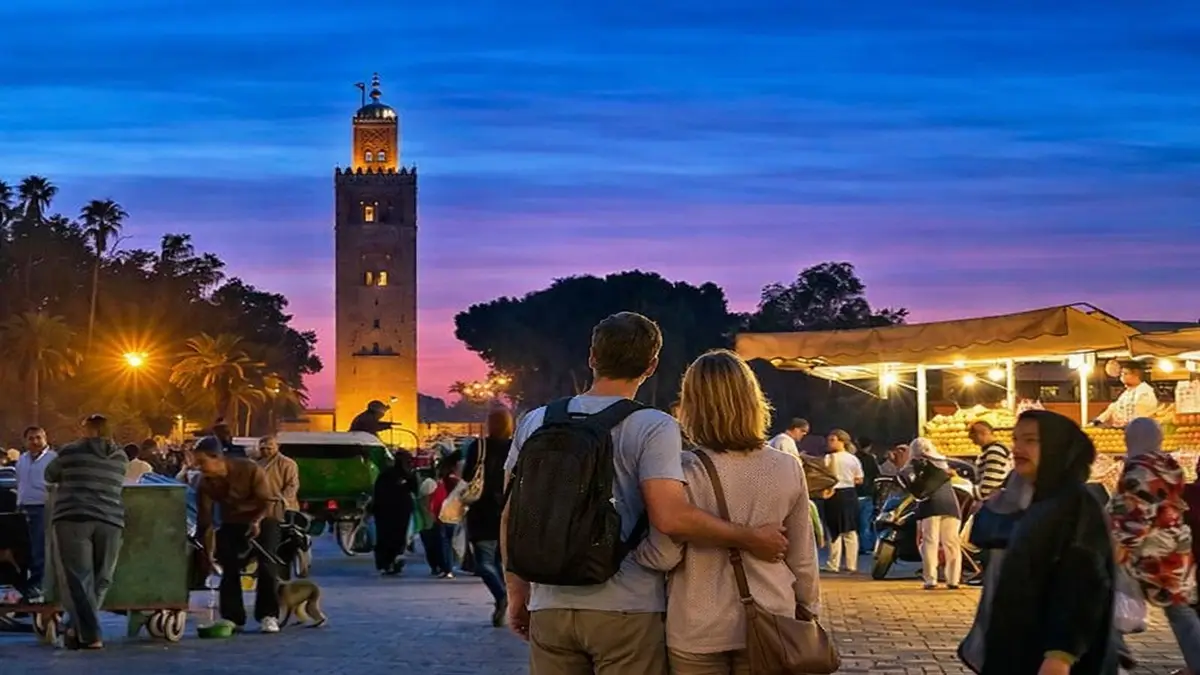
Jemaa el-Fna is another place that gets exaggerated online. During the day, it’s open and relaxed. In the evening, it becomes crowded and noisy, but it’s still full of families, visitors, and performers. The crowd can feel overwhelming, but crowds are not danger. Like in any busy square in the world, you just keep your belongings close and stay aware.
Eating in restaurants, cafés, and riads is very safe. Marrakech has a long tradition of hospitality, and places that serve tourists depend on good reputation. Problems related to food safety are rare, especially if you choose busy spots where locals and travelers eat regularly.
Taxis, when used properly, are also safe. The issue tourists face is usually price confusion, not safety. Agreeing on the fare or asking the hotel to arrange a taxi avoids most problems.
What is often exaggerated online are situations like people talking to you, offering help, or inviting you into shops. These moments are not threats. They are part of how business and communication work here. Ignoring politely or saying no is usually enough.
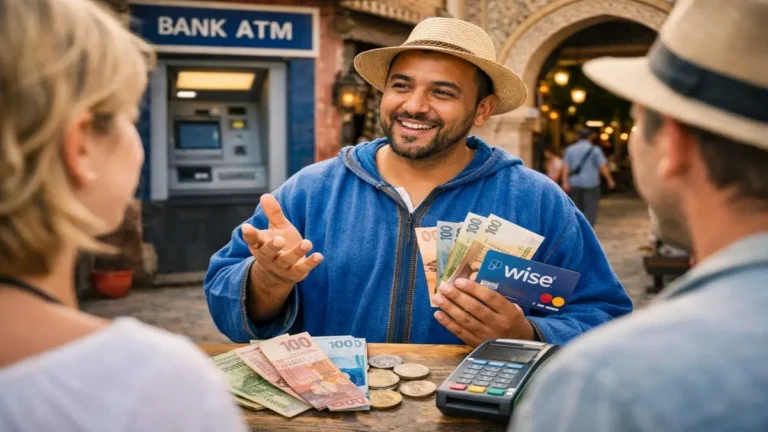
Many of the worries tourists have in the Medina are similar to concerns about prices, money, and daily transactions, which I explain in detail in my Money in Morocco guide.
Another exaggerated fear is getting lost. The Medina is confusing, even for Moroccans from other cities. Getting lost doesn’t mean you’re in danger. It simply means you’re in the Medina. Most streets eventually lead back to main paths.
If you need help, ask women or shopkeepers who are sitting inside their stores. They are usually honest and helpful. Avoid following people who approach you too quickly or insist on guiding you somewhere. A calm question to the right person makes a big difference.
Many visitors discover that once they understand how the city works, the answer to is Marrakech safe for tourists becomes much clearer.
Situations Tourists Often Misunderstand
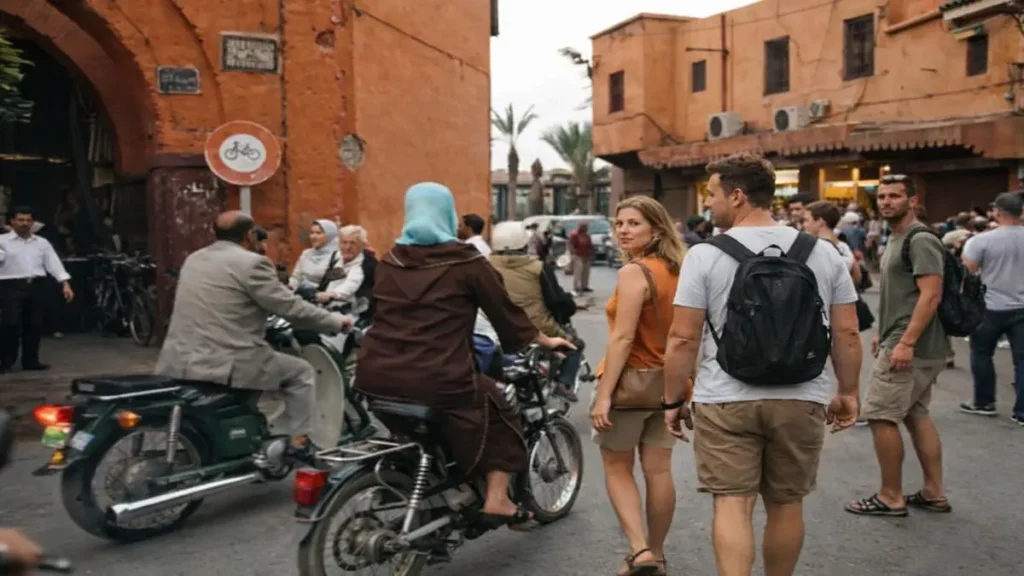
Many situations that make tourists uncomfortable in Marrakech are not dangerous. They are simply unfamiliar.
One common example is shopkeepers talking to you as you walk past. In the Medina, calling out to customers is normal. It doesn’t mean you’re being targeted or followed. Most of the time, a simple “no thank you” and continuing to walk is enough. There’s no need to explain yourself or stop.
Another situation is people offering directions. Some are genuinely trying to help, others expect a small tip. This doesn’t make them bad people, but it can create confusion. If someone approaches you very quickly and insists on guiding you, it’s better to politely refuse and ask someone who is not moving, like a shopkeeper or a woman standing nearby.
Motorbikes are another surprise for visitors. They pass through narrow streets and sometimes come close. This feels stressful at first, but it’s part of daily life in the Medina. You’ll quickly notice that locals step aside calmly. Doing the same keeps things simple and safe.
You might also experience moments where someone stares or watches you. In Marrakech, especially in older neighborhoods, tourists still attract attention. This curiosity is not aggression. It’s usually harmless and short-lived.
The key in all these situations is staying calm and confident. When travelers panic, situations feel bigger than they really are. When they act relaxed and aware, things pass quickly.
If shopping in the Medina feels confusing, my Marrakech Souks Guide explains how prices, directions, and interactions really work.
Scams vs Real Danger: Knowing the Difference
One of the biggest mistakes travelers make in Marrakech is confusing scams with danger. They are not the same thing.
Many of the situations tourists worry about are explained in more detail in my Morocco travel scams guide, where I break down common tricks and how to avoid them calmly.
A scam usually involves money, not personal safety. It might be someone asking for a higher price, offering help and expecting a tip, or selling something that is not as good as promised. These situations can be frustrating, but they don’t usually put you at risk.
Problems involving personal safety are uncommon for visitors, especially in busy areas where daily life is happening around you. Most uncomfortable moments tourists describe later come from misunderstandings, not from real threats.
For example, bargaining is part of shopping in the souks. Paying more than you expected doesn’t mean something bad happened. It usually means the price wasn’t clear from the start. Once you understand this, shopping becomes much more relaxed.
Another common situation is someone offering to guide you somewhere. Sometimes they expect a small payment, sometimes they don’t. If you’re not interested, you can simply say no and continue walking.
What actually deserves attention are situations that feel pushy or rushed. If someone insists you follow them, tries to move you away from busy streets, or pressures you to decide quickly, it’s better to step back and leave. These moments are not common, but awareness is always useful.
Safety for Women, Couples, and Families in Marrakech
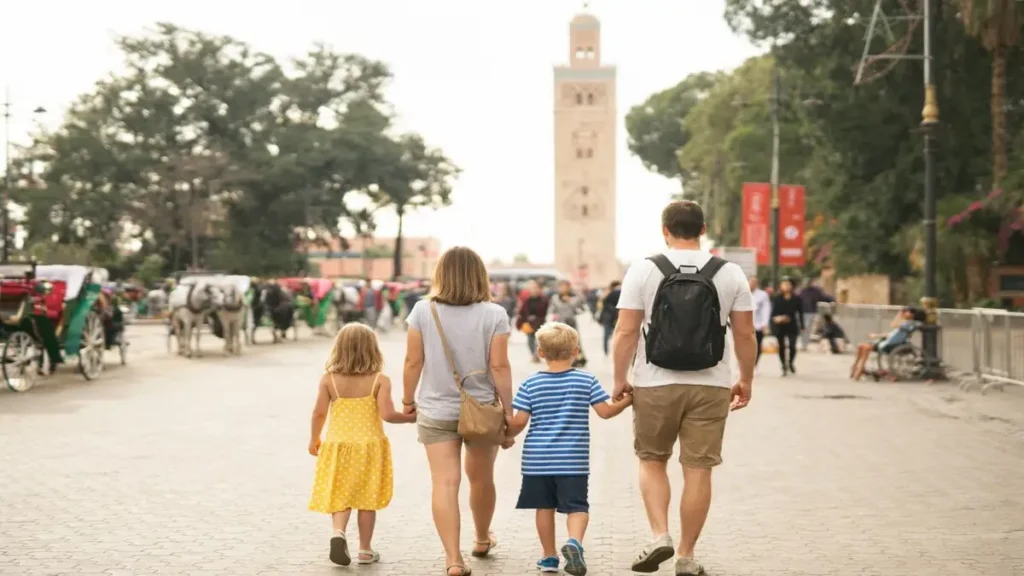
Women traveling in Marrakech often worry about harassment more than anything else. In reality, most attention comes in the form of comments or looks rather than physical behavior. It can feel uncomfortable, especially in busy areas, but it rarely goes further than words. Dressing modestly helps reduce attention, but confidence and ignoring comments are usually more effective than responding.
For solo women, the best approach is to move with purpose. Knowing where you’re going, even if you’re not completely sure, makes a big difference. Sitting in cafés, visiting museums, and walking through busy streets during the day are generally comfortable experiences.
Couples usually blend in easily, especially when walking together. Holding hands or showing affection is fine in modern areas, but keeping it discreet in the Medina shows cultural respect and avoids unnecessary attention.
Families with children are very well received in Marrakech. Kids often attract positive attention, smiles, and friendly gestures. Restaurants, riads, and public spaces are used to families, and traveling with children tends to create a relaxed atmosphere rather than tension.
Evenings are safe to enjoy when you stay in lively areas. Walking to dinner, returning to your riad, or spending time in Jemaa el-Fna is normal. As in any city, quiet streets late at night are best avoided, especially if you’re unsure of your location.
Choosing the right area near the Medina, or in areas like Gueliz or Hivernage, also affects how comfortable your stay feels, which I explain in detail in my guide on where to stay in Marrakech.
Travelers planning several days in the city may also find my Marrakech Travel Guide useful for choosing where to stay and how to plan each day calmly.
When Marrakech Feels Safest (Time of Day & Atmosphere)
Marrakech feels most comfortable when daily life is active and visible. During the morning and afternoon, streets in the Medina are busy with shopkeepers, deliveries, and locals going about their routines. This constant movement creates a natural sense of ease for visitors.
Early evening is also pleasant. Cafés fill up, main paths stay lively, and people walk to dinner. This is when many travelers enjoy strolling, shopping a little, or sitting outside without feeling rushed.
If you’re planning your days around busy and comfortable hours, this list of things to do in Marrakech helps you choose activities that fit the rhythm of the city.
Late at night is different. Once shops close and foot traffic slows, some small streets become quiet. Nothing dramatic changes, but the atmosphere does. If you’re unfamiliar with the area, it’s better to stick to main routes or arrange transport back to your riad or hotel.
Weekends and holidays feel busier and more relaxed at the same time. More families are out, public spaces feel social, and the city feels open rather than tense.
For travelers who want a relaxed first introduction, I also recommend a Marrakech city walking tour, which helps many visitors feel comfortable from day one.
Frequently Asked Questions About Safety in Marrakech
Is Marrakech safe for tourists right now?
Yes, for most visitors the answer to is Marrakech safe for tourists is positive when basic awareness and common sense are used.
Yes. Marrakech is open, active, and welcoming to tourists. Most visitors move around without problems, especially when they stay in busy areas and use basic awareness.
Is it safe to walk around Marrakech alone?
Walking alone during the day is generally fine, especially in busy parts of the Medina, Gueliz, and Hivernage. At night, it’s better to stick to main streets or take a taxi if you’re unsure of the area.
Is Marrakech safe for women traveling alone?
Yes, many women travel alone in Marrakech. Some attention or comments can happen, especially in tourist areas, but serious issues are uncommon. Staying confident, ignoring comments, and choosing active streets makes a big difference.
Is Jemaa el-Fna safe at night?
Jemaa el-Fna is crowded and lively in the evening. The noise and movement can feel overwhelming, but it’s generally safe. Like any busy square, keep your belongings secure and stay aware of your surroundings
Are scams common in Marrakech?
Small scams related to prices or services exist, mainly in tourist areas. They are usually about money, not personal safety. Knowing how bargaining and tipping work helps avoid most problems.
Is it dangerous to get lost in the Medina?
No. Getting lost is common and part of the experience. Most streets lead back to main paths. Asking shopkeepers or women nearby for directions is usually the best option.
Should I book a guided tour for my first day?
Many travelers find that starting with a guided city walk makes the rest of their trip easier. It helps with orientation, understanding local habits, and feeling comfortable moving around on your own afterward.
Do I need travel insurance for Marrakech?
Travel insurance is recommended for any international trip. Not because Marrakech is unsafe, but because travel delays, health issues, or lost luggage can happen anywhere
Final Advice From a Local Guide (And How I Can Help)
Marrakech is not a city you need to fear. It’s a city you need to understand.
Most worries disappear when travelers slow down, stay aware, and accept that daily life here doesn’t work like Europe or North America. Busy streets, people talking to you, and getting lost once or twice are part of the experience, not signs of danger.
If there’s one piece of advice I give to every guest, it’s this: don’t let online stories shape your entire trip. Marrakech rewards calm travelers who observe first and react second. When you do that, the city feels welcoming, not stressful.
If you want extra peace of mind, having a local guide for part of your stay makes a real difference. Walking the Medina with someone who understands how things work helps you avoid confusion and enjoy the city without pressure.
For travelers who prefer booking in advance, I also offer a Marrakech city walking tour on Viator, which many guests find reassuring for their first day. It’s a relaxed introduction to the Medina, history, and daily life, without rushing or forced shopping.
(If you book through my Viator link, I earn a small commission at no extra cost to you. It helps support this site and keeps the advice honest.)
I also recommend travel insurance for any trip. Not because Marrakech is dangerous, but because unexpected things can happen anywhere, from flight delays to lost luggage.
(If you choose to use my recommended insurance links, I earn a small commission at no extra cost to you.)
If you’d rather keep things personal, you can also contact me directly for a private walk through the Medina. No pressure, no shopping traps just real guidance from someone who lives here.
Marrakech doesn’t need to be rushed or feared. When you approach it with patience and curiosity, it becomes one of the most rewarding cities to explore.