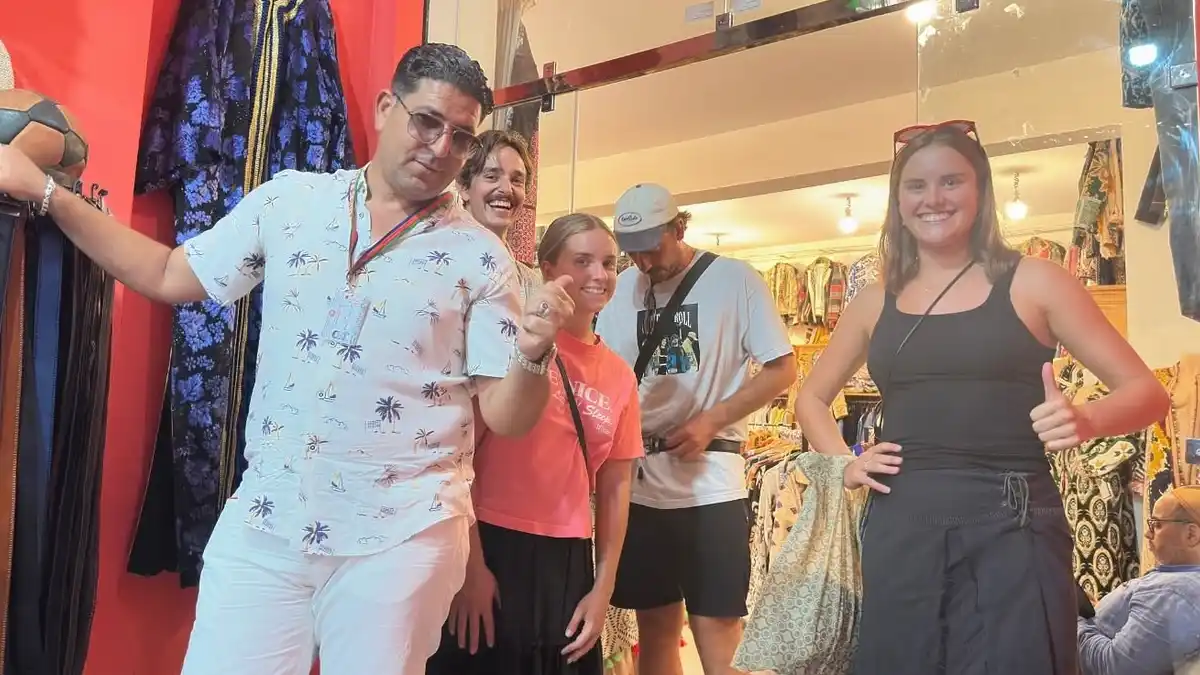
Things to Do in Marrakech: Best Sights & Local Experiences
Things to do in Marrakech go far beyond checking famous monuments off a list. The city is at its best when you mix historic sights with the souks, local food, rooftops and experiences that help you understand how Marrakech actually feels.
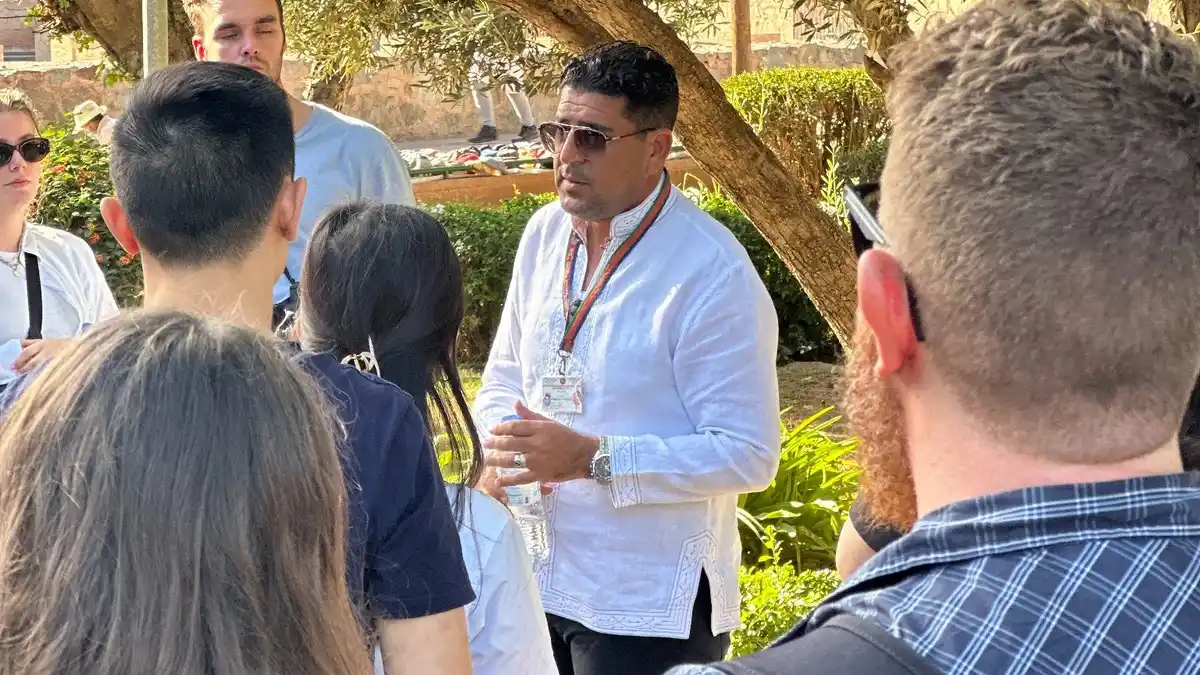
I’m Kamal, a licensed Moroccan tour guide based in Marrakech, and in this guide I’m sharing the sights and experiences I recommend most to first-time visitors, from Jemaa el-Fna and Bahia Palace to hammams, cooking classes and quieter corners of the Medina.
If this is your first trip and you also need help with where to stay, how many days to spend, transport and practical planning, start with my Marrakech Travel Guide.
Table of Contents
Table of Contents
Jemaa el-Fna – The Heart of the City
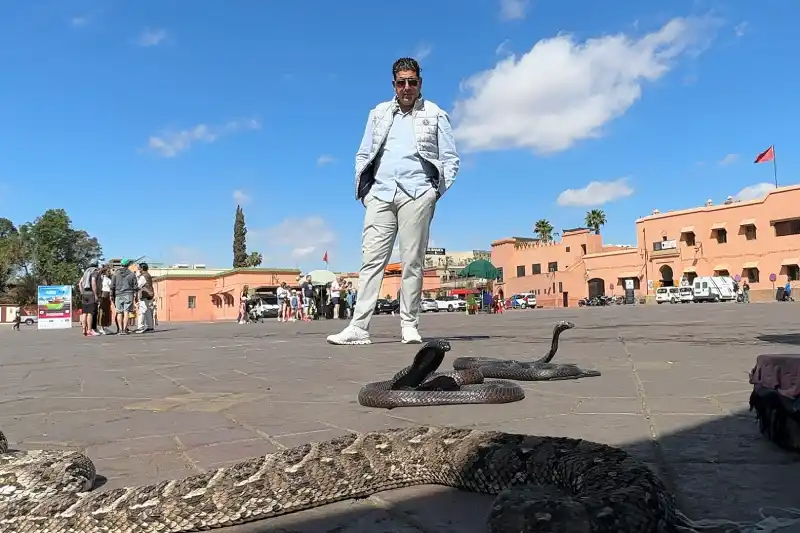
Jemaa el-Fna is the heart of Marrakech and one of the first places I recommend experiencing properly rather than simply walking through. During the day, the square feels busy but relatively open, with juice sellers, locals passing through and performers preparing for the evening.
The atmosphere changes completely as sunset approaches. Food stalls begin setting up, smoke rises above the square, drums and music become louder, and small crowds gather around storytellers and performers. This change from day to night is what makes Jemaa el-Fna such a memorable part of Marrakech.
I recommend arriving in the late afternoon, walking around before sunset and staying long enough to see the square come alive after dark. Do not feel pressured to stop at the first food stall or restaurant someone recommends. Walk around, observe the atmosphere and choose calmly.
Jemaa el-Fna can feel chaotic on a first visit, but that energy is part of the experience. Spend some time simply watching what is happening around you instead of trying to rush through it.
Koutoubia Mosque and Gardens
Koutoubia Mosque is Marrakech’s most recognizable landmark and one of the easiest places to use for orientation around the Medina.
Non-Muslim visitors cannot enter the mosque, but the exterior and surrounding gardens are still worth seeing. I like this area most in the early morning or late afternoon, when the light is softer and the gardens feel calmer.
The minaret has shaped Marrakech’s skyline for centuries, and once you spend a little time in the city, you start using it as a visual reference point while walking around.
You do not need a long visit here. Combine Koutoubia with Jemaa el-Fna, which is only a short walk away.
Bahia Palace
Bahia Palace is one of the most beautiful historic sights in Marrakech and one of the places I recommend most for first-time visitors.
The palace is known for its courtyards, carved cedar ceilings, painted wood, stucco and traditional Moroccan tilework. Rather than rushing through every room, take your time and look at the small architectural details.
I recommend visiting earlier in the day if possible. It becomes much less enjoyable when the courtyards are packed, and the decoration is easier to appreciate when you have a little space.
Allow around 45 minutes to 1 hour for a relaxed visit, then continue toward the Mellah or the souks.
Ben Youssef Madrasa
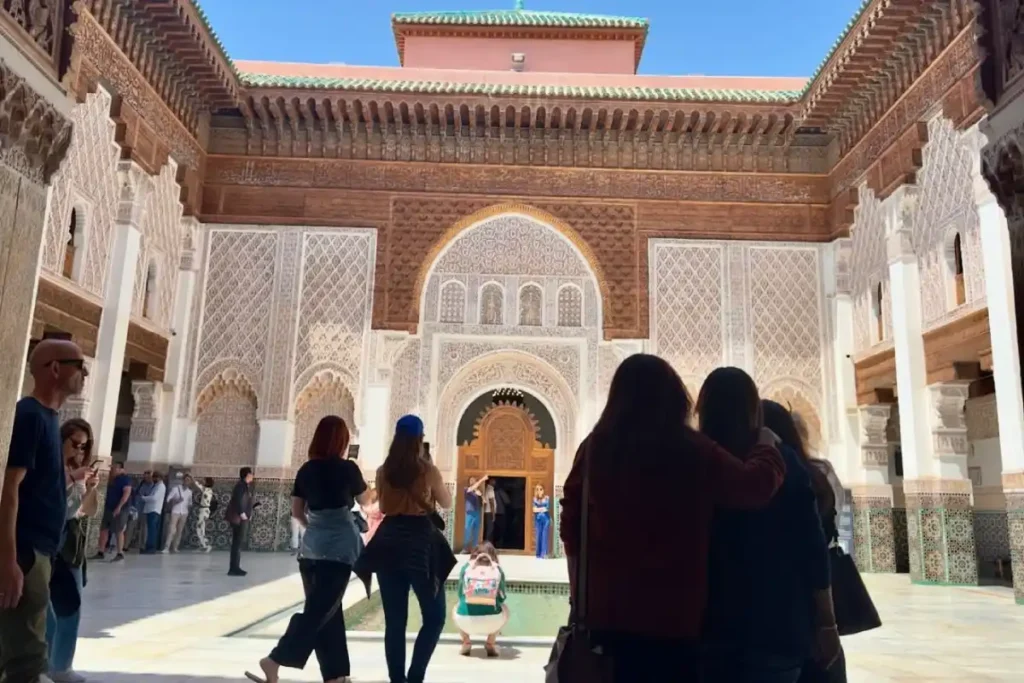
Ben Youssef Madrasa is one of the most impressive historic buildings in Marrakech and one of my favorite stops for architecture.
The former Islamic school is known for its carved cedar wood, stucco, zellige tilework and peaceful central courtyard. The contrast between the busy Medina outside and the quiet interior is part of what makes the visit special.
Take your time here. Look up at the ceilings, walk through the small student rooms and spend a few minutes in the courtyard rather than rushing only for photos.
It works very well in the same morning as the souks and nearby Medina sights.
Visit Jardin Majorelle
Jardin Majorelle is one of Marrakech’s most famous gardens and a good change of pace after spending time in the Medina.
The garden is known for its deep blue architecture, cactus collections, palms, bamboo and shaded paths. It is relatively compact, so the experience is more about slowing down and enjoying the colors and atmosphere than spending several hours sightseeing.
I recommend visiting earlier in the day when possible, especially during busy periods. It can become crowded, and the garden feels much more peaceful when you have space to walk slowly and enjoy the details.
Jardin Majorelle is outside the Medina, so it works well combined with Gueliz or the nearby Yves Saint Laurent Museum. For current opening hours and official visitor information, check the official Jardin Majorelle website.
Visit the Saadian Tombs
The Saadian Tombs are one of Marrakech’s most important historic sites and a good stop if you enjoy architecture, decoration and royal history.
The complex contains the tombs of members of the Saadian dynasty, including beautifully decorated chambers with carved plaster, marble and traditional tilework.
The most famous room is the Chamber of the Twelve Columns, but the gardens and smaller tombs are also worth taking time to see.
I recommend visiting earlier in the day when possible, because the narrow spaces can feel crowded once larger groups arrive.
You do not need a very long visit here, and it combines easily with the Kasbah area and El Badi Palace.
Explore El Badi Palace
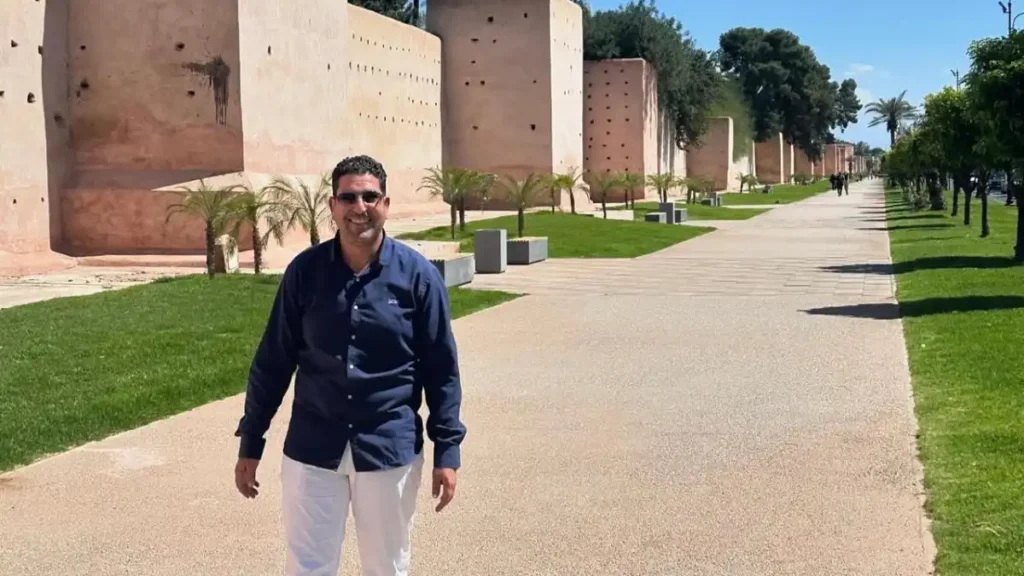
El Badi Palace feels very different from Bahia Palace. Instead of richly decorated rooms, you find huge open courtyards, ruined walls and the remains of what was once one of Marrakech’s grandest palaces.
I like this stop because it helps you understand the scale of the old royal city without feeling like you are walking through another similar monument.
Climb to the higher viewpoints if they are open. From there, you can get a good sense of the palace layout and the surrounding Kasbah area.
Allow around 45 minutes for a relaxed visit. It works especially well combined with the Saadian Tombs and the Mellah.
Explore the Souks of Marrakech
The souks are one of the best things to do in Marrakech, even if you are not planning to buy anything.
The narrow lanes are filled with spices, leather goods, lamps, rugs, metalwork, baskets and small workshops where artisans still work by hand. Part of the experience is simply walking, observing and seeing how different sections of the market connect.
Getting slightly lost is normal. Walk calmly, keep a general sense of direction and do not feel pressured to enter every shop.
If you want to buy something, bargaining is expected, but keep it friendly. I recommend asking the price first, deciding what the item is worth to you and only negotiating seriously if you are interested in buying.
The souks are busiest around the main routes near Jemaa el-Fna. If you want a calmer experience, go earlier in the morning before the Medina reaches its busiest point. If you want a deeper guide to navigating, shopping and bargaining in the Medina, read my Marrakech Souks Guide.
For a visit tailored to what you want to find, explore the markets with me on a private Marrakech shopping tour. I help you navigate the craft streets, compare quality and discuss prices without pressure to buy. See the tour details and request availability for your date and group size.
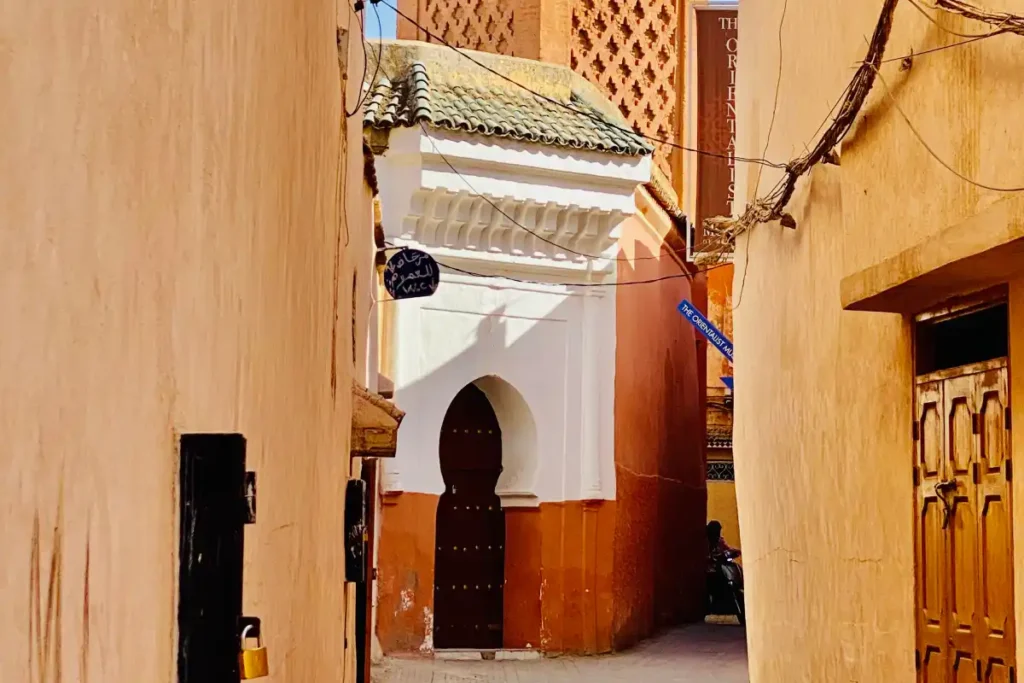
Things to Do in Marrakech Beyond the Main Sights
Once you have seen the main Medina highlights, there are several quieter or more unusual experiences that show a different side of Marrakech.
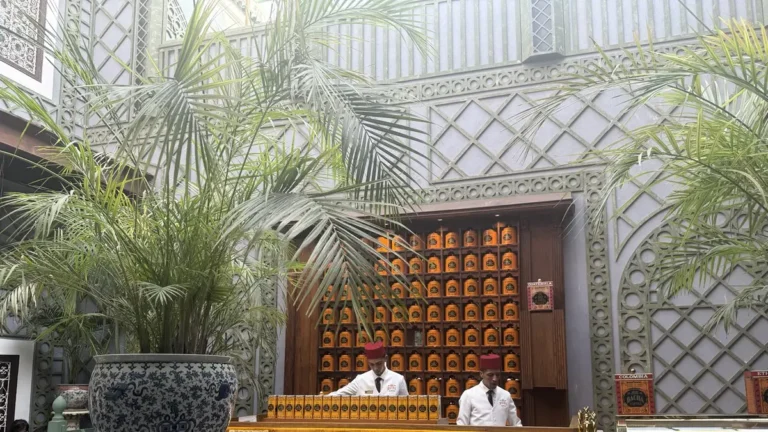
Dar El Bacha is worth visiting for its elegant architecture, decorative details and calmer atmosphere. If you want to stop for coffee inside the palace, read my Bacha Coffee Marrakech guide for prices, waiting times and tips for planning your visit.
Le Jardin Secret is one of my favorite places to take a break from the intensity of the Medina. The gardens, water and shade make it a good stop in the middle of a busy sightseeing day.
The Mellah, Marrakech’s historic Jewish quarter, gives you another perspective on the city and feels different from the main souk streets.
For something completely different, a hot air balloon ride in Marrakech can be a memorable early-morning experience, especially on a clear day when you can see toward the Atlas Mountains.
These stops work well because they add variety. Marrakech is not only busy squares and crowded souks; some of its best moments come from quieter places where you can slow down and notice more.
Experience a Traditional Moroccan Hammam
A traditional hammam is one of the most memorable cultural experiences you can have in Marrakech.
The basic ritual usually includes steam, black soap, rinsing and a strong exfoliating scrub. For first-time visitors, it can feel unfamiliar at the beginning, but that is part of the experience.
You can choose between a simple local hammam and a more polished spa-style experience. If it is your first time, I usually recommend a clean, well-reviewed hammam or spa where the process is explained clearly and you can relax without worrying about what comes next.
A hammam is especially good after a long day walking through the Medina. It gives your body a break and also introduces you to a tradition that is still part of everyday Moroccan life. If you want help choosing between traditional hammams and more polished spa experiences, read my Best Hammams in Marrakech guide.
Eat Local Food in Marrakech
Food is one of the best ways to experience Marrakech beyond the main sights.
Start with dishes such as tanjia, tagine, couscous, harira, Moroccan salads and fresh bread. Tanjia is especially connected to Marrakech and is one of the local dishes I recommend trying while you are here.
The best meals are not always in the busiest tourist areas. I usually look for places with a steady flow of local customers, simple menus and food that is being prepared fresh rather than restaurants relying only on location or aggressive invitations.
Jemaa el-Fna food stalls can be fun for the atmosphere, but traditional restaurants, small local places and rooftops can give you a calmer experience.
For specific places I recommend, read my Where to Eat in Marrakech guide.
See Marrakech from a Rooftop
One of the easiest ways to appreciate Marrakech is to see it from above.
From a rooftop, the Medina feels completely different. The streets seem calmer, the light becomes softer in the late afternoon, and on a clear day you may even see the Atlas Mountains in the distance.
I recommend going shortly before sunset so you can enjoy the city in daylight, watch the colors change and stay as the evening atmosphere begins.
You do not need an expensive rooftop for this. Sometimes a simple terrace with mint tea is enough.
If you are visiting in winter, my Marrakech in January guide explains when rooftops feel comfortable, what to wear and why evenings need warmer layers.
If you want ideas for what to do after sunset, read my Marrakech Nightlife Guide.
Take a Moroccan Cooking Class
A cooking class is one of the best experiences in Marrakech if you want to understand Moroccan food instead of only eating it.
Good classes usually include an introduction to local ingredients and spices, hands-on preparation and time to sit down and eat what you have cooked.
Some classes also include a visit to a neighborhood market, which can make the experience more interesting because you see how ingredients are chosen before they reach the kitchen.
I recommend choosing a smaller class where you can actually participate rather than simply watch. It feels more personal and gives you a much better chance to ask questions and learn techniques you can use again at home.
If you prefer to book experiences in advance, you can compare guided tours, cooking classes, hammams and other Marrakech activities before your trip.
Compare Activities in Marrakech
FAQ About Things to Do in Marrakech
What are the best things to do in Marrakech for first-time visitors?
For a first visit, I recommend Jemaa el-Fna, Bahia Palace, Ben Youssef Madrasa, the souks, Koutoubia Mosque and Gardens, a rooftop sunset and a traditional Moroccan hammam.
What is the best time to visit Jemaa el-Fna?
Late afternoon is my favorite time. Arrive before sunset so you can see the square change from its daytime atmosphere into the much busier evening scene.
Are the Marrakech souks worth visiting if I do not want to shop?
Yes. The souks are worth exploring for the workshops, architecture, colors and everyday life even if you do not buy anything.
Is Bahia Palace worth visiting?
Yes. Bahia Palace is one of Marrakech’s best historic sights for traditional architecture, courtyards, carved ceilings and Moroccan decorative work. I recommend going early before the largest crowds arrive.
Is a hammam worth doing in Marrakech?
Yes, especially if you want an experience beyond sightseeing. First-time visitors may prefer a well-reviewed hammam or spa where the process is explained clearly.
Are cooking classes in Marrakech worth it?
Yes. A good cooking class lets you learn about Moroccan ingredients, spices and traditional dishes while taking part in the preparation yourself.
If Marrakech is only one stop on a wider trip, my Morocco Travel Guide covers the main cities, transport, planning, culture and practical advice for traveling around the country.
Final Thoughts on Things to Do in Marrakech
The best things to do in Marrakech are not only the famous monuments. The city becomes much more memorable when you combine places like Bahia Palace and Ben Youssef Madrasa with the souks, local food, a hammam and time on a rooftop.
Do not try to fit everything into one day. Choose the experiences that interest you most and leave enough time to enjoy the Medina between them.
Marrakech can feel intense at first, but once you slow down and understand its rhythm, the city becomes much easier to enjoy.
Disclosure: Some links in this article may be affiliate links. If you choose to book or purchase through them, I may earn a small commission at no extra cost to you. I only recommend experiences and accommodations that I genuinely believe add value to your trip.