Things to Do in Rabat: Best Sights & Local Experiences
Things to do in Rabat go well beyond one or two famous monuments. Morocco’s capital has the Kasbah of the Udayas, Hassan Tower, Chellah, the Medina, museums, gardens and the Bouregreg waterfront, all close enough to combine without spending the whole day moving across the city.
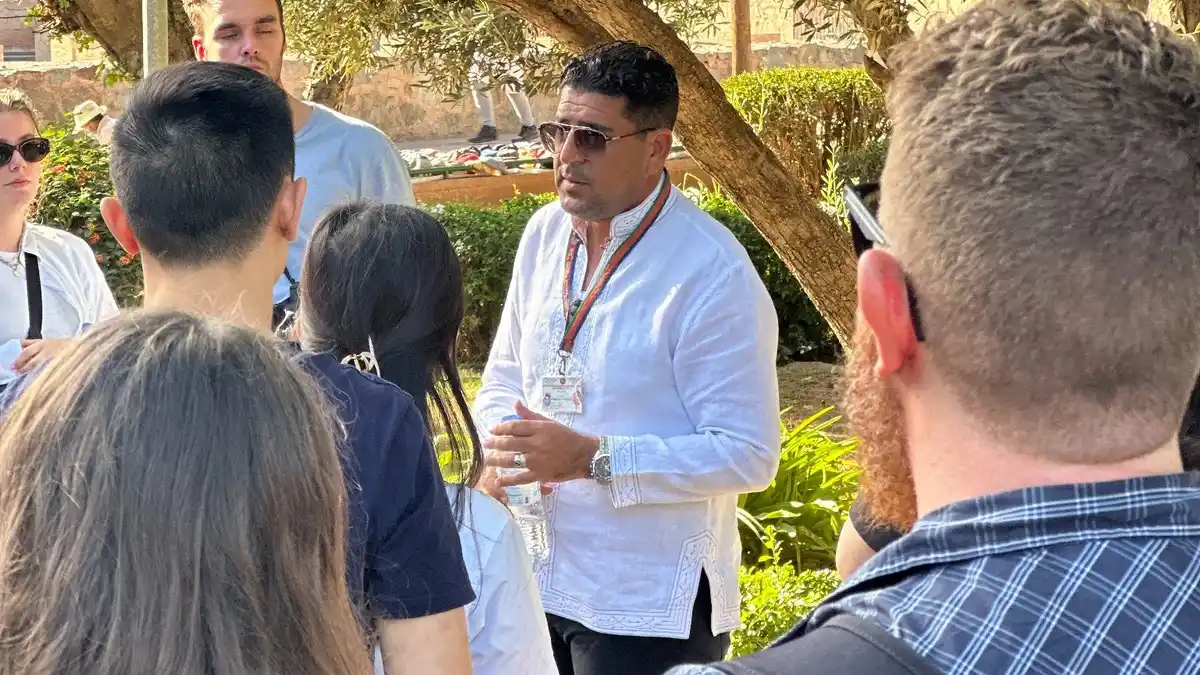
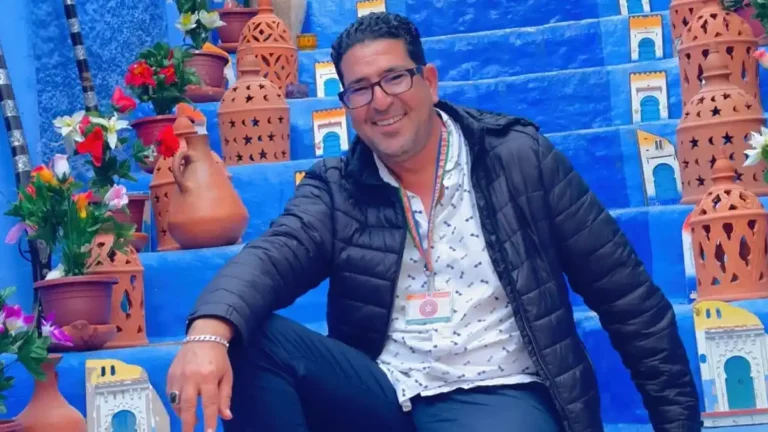
I’m Kamal, a licensed Moroccan tour guide, and when I show visitors Rabat, I usually mix the major historic sights with places where you can slow down and see how the city feels today.
What I like about Rabat is that you do not need to rush. You can walk through the Kasbah in the morning, visit Hassan Tower, spend time at Chellah and still finish the day beside the Bouregreg.
Below are the sights and experiences I would prioritize on a first visit, plus a few places worth adding if you have more time.
If you still need help with trains, the airport, how many days to stay or getting around, start with my Rabat Travel Guide.
Table of Contents
Table of Contents
Explore the Kasbah of the Udayas
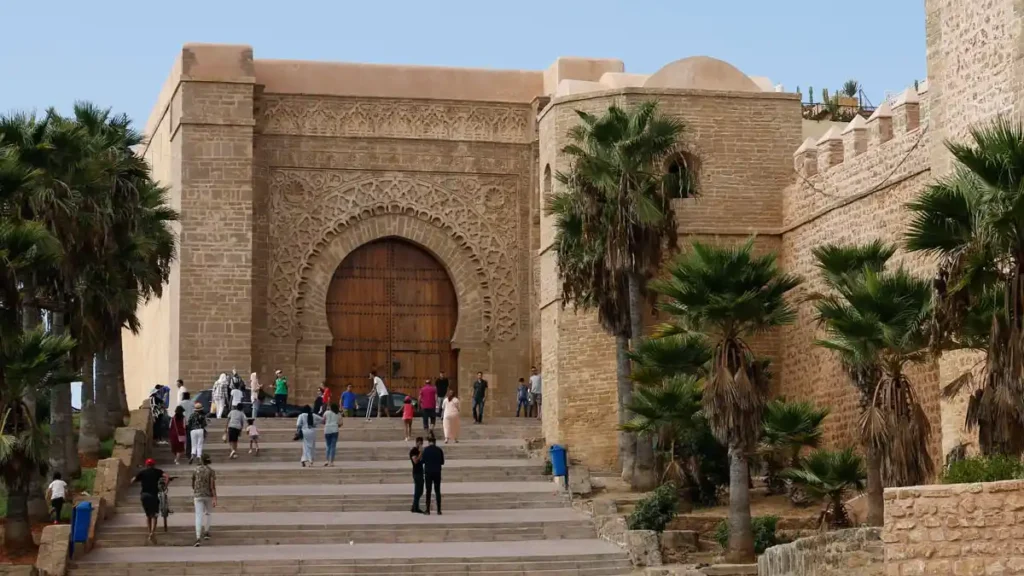
When I show visitors the Kasbah of the Udayas, I usually start with the setting. It sits above the mouth of the Bouregreg River, with views toward Salé and the Atlantic, and it is one of the easiest places in Rabat to understand how important this position was.
The site began as a medieval fortress and was later developed by the Almohads in the 12th century. The walls and monumental gate still show the defensive role the Kasbah once played.
Inside, the atmosphere changes quickly. The streets become narrower, the houses are mostly white and blue, and the pace feels much slower than in central Rabat.
I recommend walking without trying to follow a strict route. Spend some time around the main gate, continue through the residential streets and stop at the viewpoints overlooking the river and Atlantic.
The Andalusian Garden is also worth a short stop. It is a calm place to sit for a few minutes before continuing through the Kasbah.
My tip: go in the morning or later in the afternoon. The light is better, the streets are more pleasant to walk and you can enjoy the viewpoints without rushing.
For me, the Kasbah is not a place that needs a long checklist. Give yourself time to walk, look at the architecture and remember that people still live here.
Explore Rabat Medina and Rue des Consuls
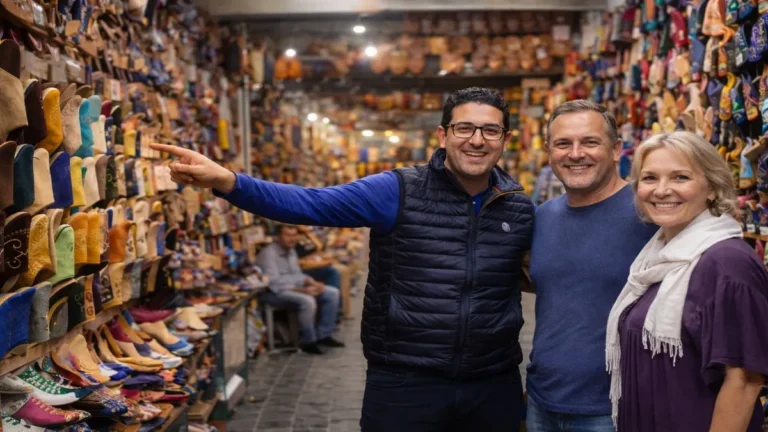
Rabat’s Medina is smaller and easier to walk than the old cities of Fes or Marrakech, which is one reason I enjoy taking visitors through it.
You can enter without needing a strict route. Walk through the main shopping streets, look into the smaller lanes and continue toward Rue des Consuls, one of the best-known streets in the old city.
Rue des Consuls has a long connection with trade and diplomacy, and today you will find shops selling carpets, leather goods, embroidery, jewellery and other Moroccan crafts.
The Medina is also a good place to see everyday life in Rabat. It feels less focused on tourists than some of Morocco’s larger souks, so you can walk without feeling that every street is trying to sell you something.
I would combine the Medina with the Kasbah of the Udayas because the two areas are close enough to explore in the same part of the day.
My tip: do not rush through only to shop. Walk a few side streets, look at the old doors and buildings and give yourself time to see how people actually use the Medina.
Visit Hassan Tower and the Mausoleum of Mohammed V
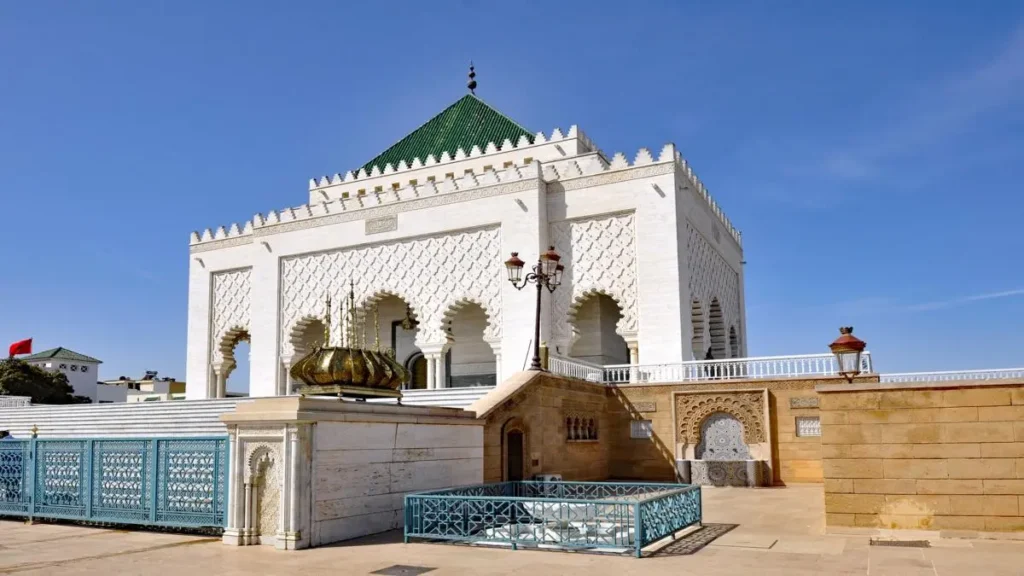
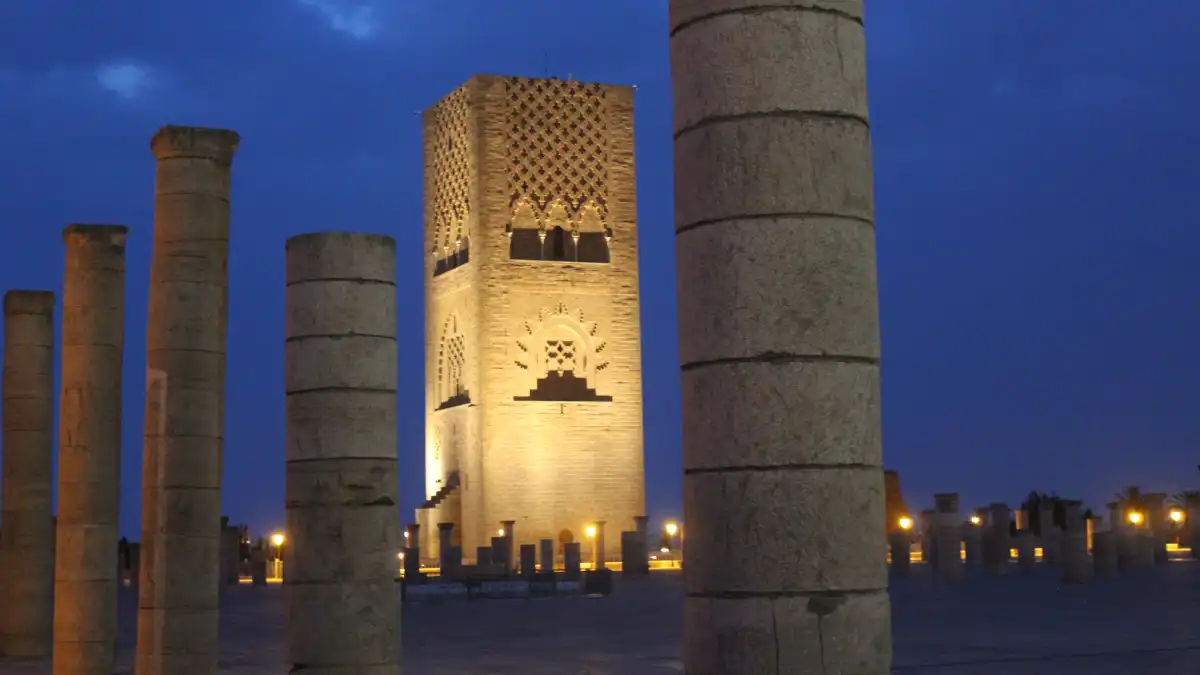
Hassan Tower and the Mausoleum of Mohammed V are two of the most important landmarks to see in Rabat, and I usually visit them together because they share the same open complex.
Hassan Tower dates from the late 12th century, during the reign of the Almohad ruler Yaqub al-Mansur. It was planned as the minaret of an enormous mosque, but the project was never completed. The rows of stone columns around the tower show how ambitious the original mosque was meant to be.
A few steps away, the Mausoleum of Mohammed V belongs to a much more recent period of Moroccan history. It contains the tombs of King Mohammed V and his sons, King Hassan II and Prince Moulay Abdallah.
Take a few minutes to look at the craftsmanship inside, especially the carved plaster, marble, cedarwood and traditional Moroccan decoration. The atmosphere is usually much quieter than outside.
I recommend treating the mausoleum respectfully. Dress appropriately, keep your voice low and follow any instructions from the guards, especially if access changes during official events.
My tip: visit in the morning or later in the afternoon. The open square has very little shade, and the light around Hassan Tower is much better outside the middle of the day.
You do not need hours here. For most visitors, enough time to walk around the columns, see Hassan Tower properly and enter the mausoleum gives you a very good understanding of the site.
Walk Along the Bouregreg River and Marina
After visiting the Kasbah or Hassan Tower, the Bouregreg waterfront is a good place to take a break from monuments and simply enjoy the city.
The river separates Rabat from Salé, and from the waterfront you get a very different view of both cities. You can walk beside the marina, stop for coffee or watch the small boats crossing between the two sides.
I particularly like this area later in the afternoon, when the temperature drops and more local families come out for a walk.
If you have time, you can also cross toward Salé and see Rabat from the opposite side of the river. The tram is another easy way to move between the two cities.
My tip: come here toward sunset after your main sightseeing. You do not need a fixed route or much planning — just walk along the water and stop wherever the view looks good.
The Bouregreg works especially well at the end of a busy day because it shows you a more everyday side of Rabat away from the major monuments.
Visit Chellah
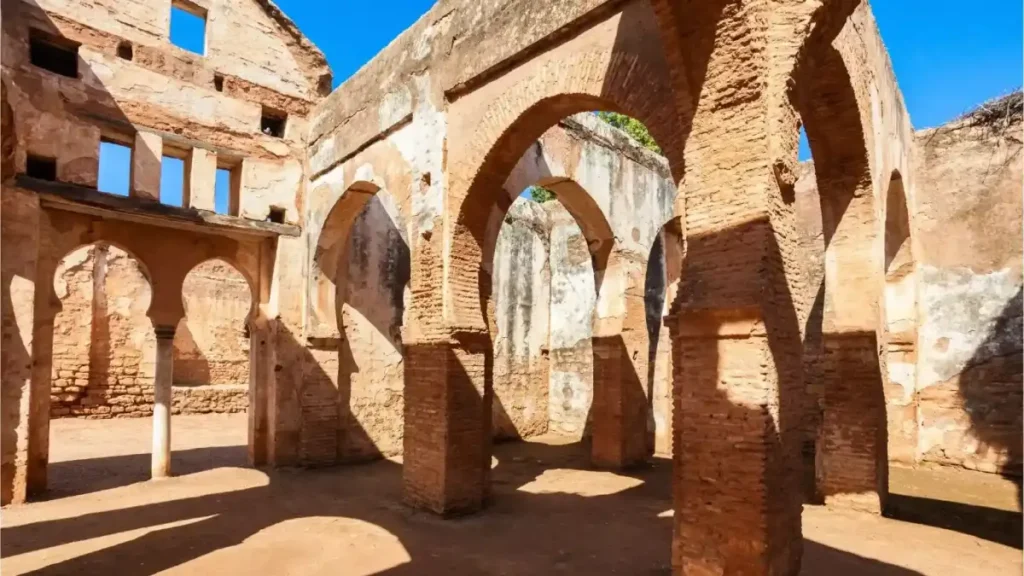
Chellah is one of the places in Rabat where you can see several layers of history in one visit.
The site includes remains from the Roman settlement of Sala Colonia as well as later Marinid structures from the 14th century. That mix is what makes Chellah different from many other historic sites in Morocco.
When I visit with travelers, I usually tell them not to rush. The ruins, old walls, gardens and storks all work together to create the atmosphere of the place.
You can still see Roman remains, Islamic-era architecture and the outlines of old religious buildings, but Chellah is also enjoyable simply as a quiet place to walk.
I recommend visiting in the morning or later in the afternoon, when the light is better and the site feels more comfortable.
My tip: wear good walking shoes because some paths are uneven, and give yourself enough time to stop and look rather than trying to move through the whole site quickly.
If you enjoy history, Chellah is one of the strongest places to visit in Rabat because it shows how the city developed long before it became the modern capital you see today.
Visit Rabat’s Best Museums
Rabat has several good museums, but if your time is limited, I would choose one or two that match your interests rather than trying to visit all of them.
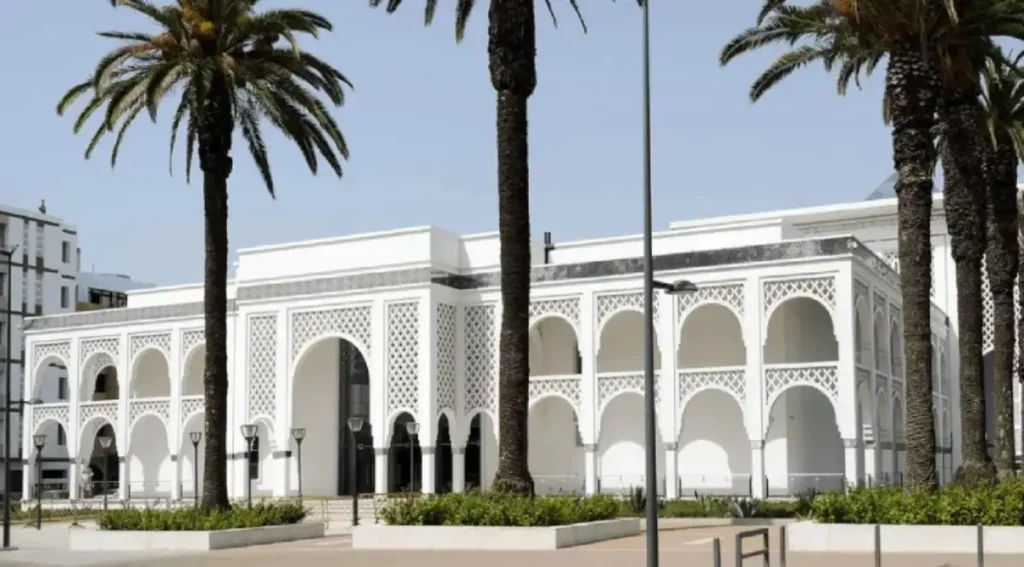
Mohammed VI Museum of Modern and Contemporary Art
This is the Mohammed VI Museum of Modern and Contemporary Art I recommend most often for travelers who want to see a more modern side of Morocco.
The collection focuses on Moroccan modern and contemporary art, with works by important Moroccan artists as well as temporary exhibitions. The building is also easy to visit and works well as a break between outdoor sights.
My tip: this is the best choice if you enjoy art or want something different after spending the morning around Rabat’s historic monuments.
Museum of History and Civilizations
If you are more interested in archaeology and ancient history, choose the Museum of History and Civilizations.
Its collections cover Morocco from prehistoric periods through the Punic, Roman and Islamic eras, so it is especially useful after visiting Chellah.
You do not need to study every display. I would focus on the pieces that help connect the history you have already seen around Rabat.
National Jewellery Museum in the Udayas
If you are already visiting the Kasbah of the Udayas, this museum is easy to add without crossing the city.
The collection is dedicated to Moroccan jewellery and personal adornment, including Amazigh pieces and examples showing different materials, techniques and regional traditions.
My tip: choose this one if you enjoy traditional craftsmanship, jewellery or Moroccan decorative arts. It also fits naturally into the same visit as the Kasbah and Andalusian Garden.
See Rabat From the Mohammed VI Tower
The Mohammed VI Tower is one of the newest landmarks on the Rabat-Salé skyline, rising beside the Bouregreg River.
Its public observatory is now open to visitors and gives wide views over Rabat, Salé and the river.
The tower is 250 meters high with 55 floors, making it the tallest building in Morocco. Observatory visits use timed tickets, so I recommend checking availability and booking ahead.
My tip: this is a good choice after you have already seen Rabat’s historic sights and want something completely different. I would especially consider it later in the day when the light over the city is softer.
See the Royal Theatre of Rabat
The Royal Theatre of Rabat is one of the newest landmarks along the Bouregreg and one of the most distinctive modern buildings in the capital.
Designed by the late architect Zaha Hadid, the building has a flowing shape that looks very different from Rabat’s historic monuments. It is another good example of how the city is developing around the Bouregreg while keeping the old city close by.
You do not need to attend a performance to appreciate the architecture from outside, but if there is a concert, theatre performance or cultural event during your stay, it can be an interesting addition to an evening in Rabat.
I would not put it ahead of the Kasbah, Hassan Tower or Chellah on a first visit. Think of it as something to add once you have covered the historic highlights.
My tip: combine it with the Bouregreg area or Mohammed VI Tower rather than making a separate trip across the city just for the building.
Try Local Food and Cafés in Rabat
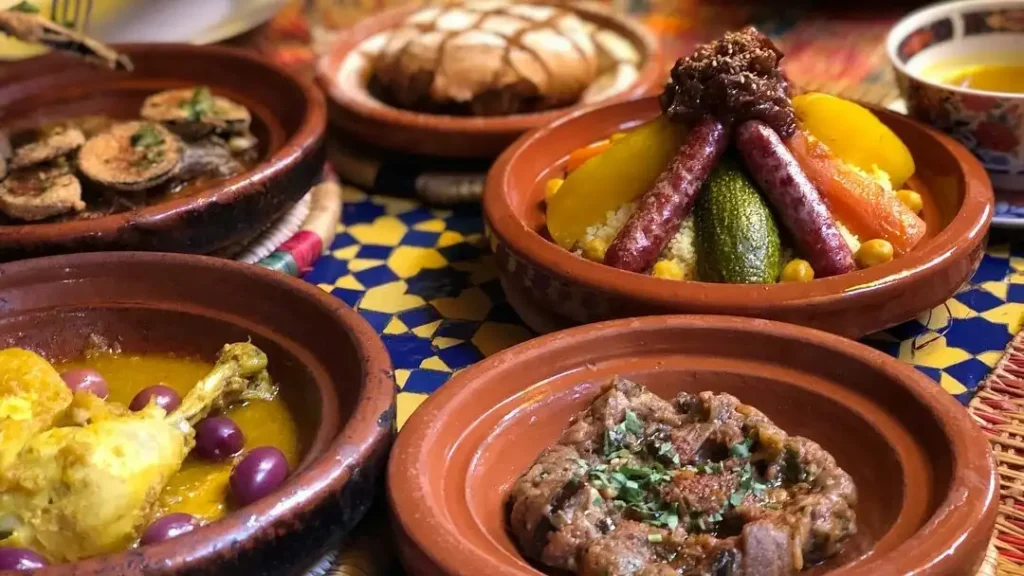
Rabat is a good city for eating without having to plan every meal around famous restaurants.
You will find classic Moroccan dishes such as tajines, couscous, grilled meats, salads and kefta, along with plenty of seafood because of Rabat’s Atlantic location.
For a more local meal, I usually look for simple restaurants where Moroccan families and office workers are eating rather than places built mainly for tourists.
Agdal has plenty of modern cafés and restaurants, while the Medina works better if you want something more traditional. Around the Bouregreg, cafés are especially pleasant later in the afternoon.
If you are in Rabat on a Friday, look for couscous around lunchtime. It is still an important weekly tradition in many Moroccan families and restaurants.
My tip: do not choose a restaurant only because it has the best view. Check where locals are eating, keep the order simple and leave room for mint tea or coffee afterward.
My Final Advice on Things to Do in Rabat
Rabat is easiest to enjoy when you do not try to squeeze every attraction into a few hours.
For a first visit, I would prioritize the Kasbah of the Udayas, Hassan Tower and the Mausoleum of Mohammed V, Chellah, the Medina and some time around the Bouregreg.
If you have more time, add one museum and one of Rabat’s newer landmarks such as the Mohammed VI Tower or Royal Theatre.
What makes Rabat different is the mix. You can move from medieval walls and Roman remains to modern architecture and everyday city life without traveling far.
If you still need help planning how many days to stay, trains, the airport or getting around, use my Rabat Travel Guide.
If you are staying overnight, my Rabat Hotels guide compares the best areas and accommodation options.
For planning beyond Rabat, see my Morocco Travel Guide for routes, transport and practical advice across the country.
Explore Rabat With a Local Guide
If you prefer to explore Rabat with a guide, you can compare tours that include places such as the Kasbah of the Udayas, Hassan Tower, Chellah and the Medina. Check the exact itinerary, pickup details and recent reviews before booking.
Compare Rabat Guided Tours and Experiences on Viator
Disclosure: Some links in this guide may be affiliate links. If you book through them, I may earn a small commission at no extra cost to you. It helps support Morocco Tips and keeps the advice free.
FAQ: Things to Do in Rabat
What are the best things to do in Rabat for a first visit?
For a first visit, I would prioritize the Kasbah of the Udayas, Hassan Tower and the Mausoleum of Mohammed V, Chellah, the Medina and a walk along the Bouregreg. If you have more time, add a museum, Mohammed VI Tower or the Royal Theatre.
Is Chellah worth visiting?
Yes, especially if you enjoy history and quieter places. Chellah combines Roman remains, later Islamic architecture, gardens and views in one site, and it feels very different from Rabat’s busier landmarks.
Can I visit the Kasbah of the Udayas and Hassan Tower on the same day?
Yes. They are easy to combine on the same sightseeing day, and I would normally include the Medina and Bouregreg area as well.
What are the best free things to do in Rabat?
Walking through the Medina, exploring the streets of the Kasbah, enjoying the Bouregreg waterfront and seeing Hassan Tower from the surrounding complex are some of the easiest ways to enjoy Rabat without spending much.
Which museum should I visit in Rabat?
For modern art, I would choose the Mohammed VI Museum of Modern and Contemporary Art. For archaeology and ancient history, choose the Museum of History and Civilizations. If you are already in the Kasbah, the National Jewellery Museum is easy to add.
Do I need a guide to visit Rabat’s attractions?
No. You can visit the main sights independently. A guide becomes more useful if you want deeper historical context at places such as Chellah, Hassan Tower and the Kasbah rather than simply seeing the monuments.