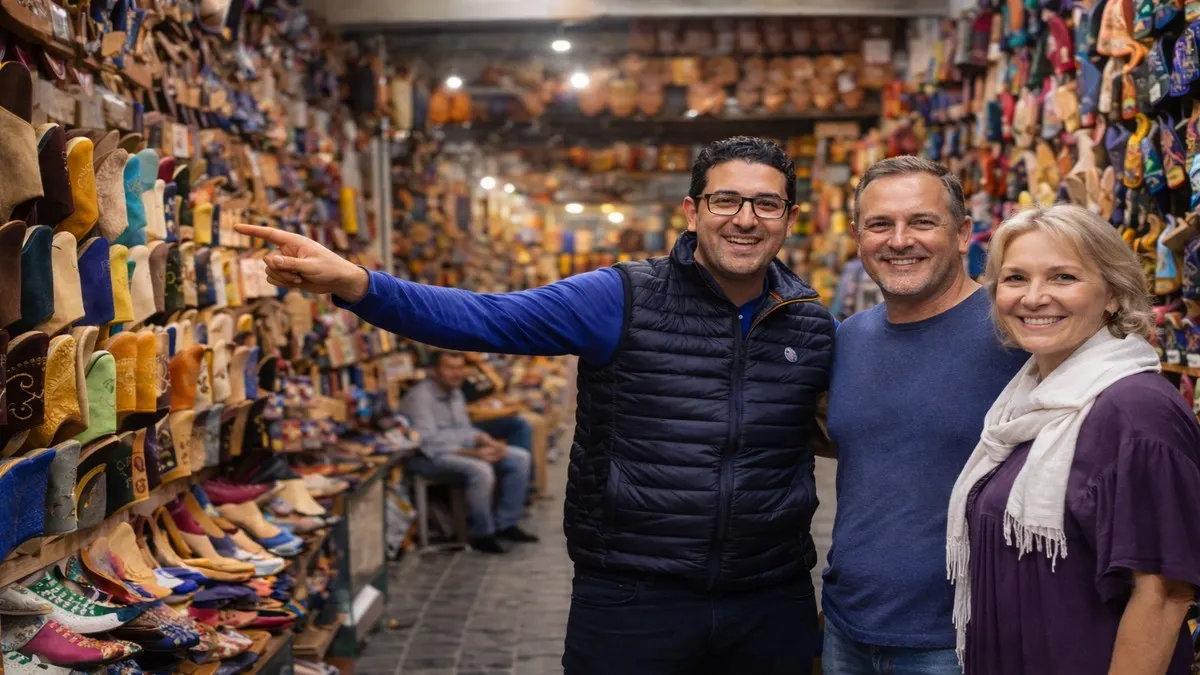
Private Marrakech Shopping Tour with Kamal
Looking for a private Marrakech shopping tour? Explore the souks at your own pace, compare Moroccan crafts and get help with the questions that matter before you buy.
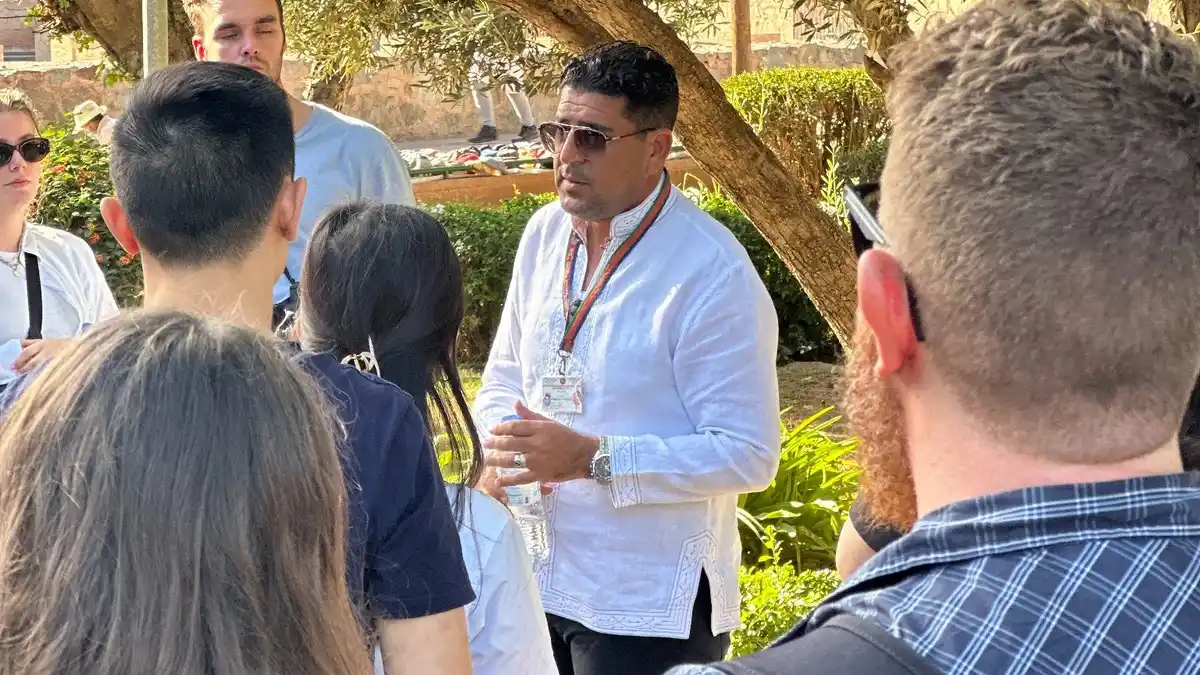
I’m Kamal El Otmani, a nationally licensed Moroccan tour guide based in Marrakech. I have guided travelers since 2006 and became officially licensed in 2018. Shopping tours are a central part of my work, from helping visitors choose small souvenirs to taking time over a special rug.
€60 total for a private group of 2–4 people · 3–4 hours · Pay on arrival.
Tell me your travel date, group size and what you would like to find. We can plan a private souks tour around your interests, with no obligation to purchase anything.
Prefer email? Email Kamal or use my contact form.
Private Marrakech Shopping Tour at a Glance
| Tour style | Private walking tour for you and your own group |
| Focus | Souks, Moroccan crafts, artisan shopping and help comparing quality |
| Route | Adapted to your interests, budget and walking pace |
| Price and availability | €60 total per private group of 2–4 people. Contact me for solo travelers or groups of 5 or more. |
| Duration | 3–4 hours |
| Start time | Agreed with you before booking |
| Meeting point | Confirmed before booking; include your hotel or riad in your message |
| Language | English; ask about other languages when enquiring |
| Payment | Pay on arrival for direct bookings |
| Shopping | No obligation to buy anything |
What Guests Say About the Shopping Tour
Morocco Nomadic Travel’s shopping-tour listing on Viator displays 5.0/5 from 22 reviews across Viator and Tripadvisor, plus a Badge of Excellence. Checked on October 4, 2026. Here are short excerpts from guests who mention Kamal or describe their shopping experience.
“Kamal was an amazing guide”
susan_a · October 2024 · Review displayed on Viator
“He helped us with bargaining”
donna_r · May 2024 · Review displayed on Viator
“very flexible and patient with us”
Tiffany · February 2026 · Review displayed on Viator
Read the full shopping-tour reviews on Viator. These reviews cover the agency’s platform-booked experience; platform prices, inclusions and booking terms may differ from the direct €60 walking tour.
Why Explore the Souks With Me?
A good shopping walk starts with listening. Some guests want a leather bag or a few gifts. Others want to understand rugs, compare materials or visit craft streets without feeling rushed. I choose the route around those interests.
My role is to help you navigate, ask useful questions and compare what you are being offered. A higher price does not automatically mean better quality, and a low price is not a bargain if the item is wrong for you.
I am also the founder of Morocco Nomadic Travel and the person behind Morocco Tips. You can read traveler reviews of Morocco Nomadic Travel on TripAdvisor and learn more about my background on my About page.

What Happens on a Private Souks Tour?
Before we meet, tell me what interests you, your approximate shopping budget and how much walking you are comfortable with. You do not need a shopping list, but a little direction helps me make the time useful.
Depending on the agreed meeting point, we may begin near Jemaa el-Fna and walk into streets such as Souk Semmarine. This gives you a first look at different crafts before we focus on the products you want to explore.
We can then continue toward Souk El Attarine or smaller specialist streets. Stops depend on your interests and which shops or workshops are open. This is a flexible walk, so a rug-focused visit will feel different from an afternoon choosing gifts.
Along the way, I explain the surroundings as well as the products. The Marrakech medina is a working historic neighborhood, and its crafts, conversations and everyday life are part of the experience.
For an introduction to the market areas before your visit, read my Marrakech souks guide.
What Can You Buy on a Marrakech Shopping Tour?
Rugs and textiles: take time to compare materials, weaving, size and finish. If you have measurements or photos of your room, bring them. Still deciding? My guide to whether Moroccan rugs are worth buying for your home explains what to consider before committing. Read my guide to buying a Moroccan rug in Marrakech before making a larger purchase.
Leather goods and babouche slippers: look at stitching, lining, closures and comfort as well as color. Two similar-looking bags can be very different when you examine the details. Read my guide to buying leather in Marrakech for checks to make before choosing a bag.
Lanterns, ceramics and homeware: consider the finish, weight and how you will get the item home. Ask about safe packing before paying for anything fragile. Read my guide to buying ceramics in Marrakech for checks on condition, intended use and packing. For lanterns, my guide to buying lanterns in Marrakech covers size, metalwork, intended use and bringing your piece home.
Jewelry: if rings, bracelets or necklaces are your priority, we can allow time in Souk Siyyaghin. My guide to buying silver jewelry in Marrakech explains the questions to ask about metal content, finishing and receipts before choosing a piece.
Argan oil and cosmetic products: decide whether you want food oil, cosmetic oil or a blend before comparing bottles. My guide to buying argan oil in Marrakech explains what to check on labels, how to compare quantities and how to pack your purchase for the journey home.
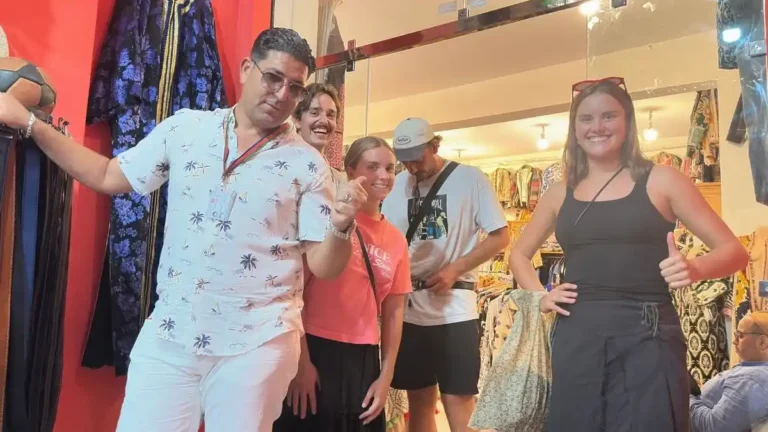
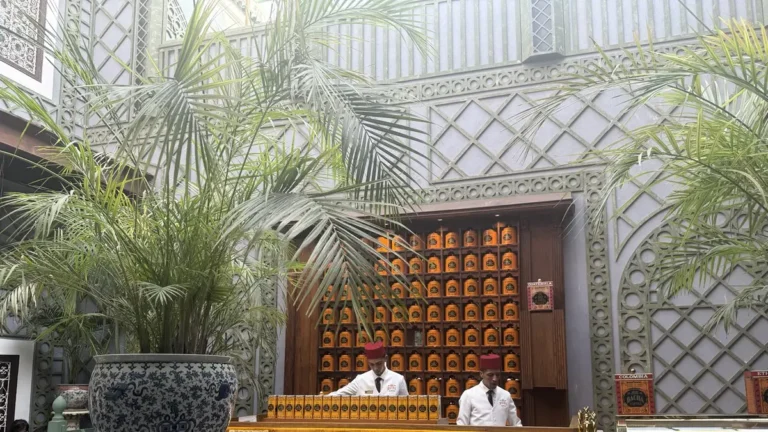
Spices, clothing and smaller gifts: these can be good choices when luggage space is limited. Choose things you will use or enjoy rather than buying simply because a seller offers a discount. For spice shopping, my guide to buying spices in Marrakech covers Rahba Lkdima, comparing prices by weight and questions to ask before the packets are filled. If a kaftan is on your list, read my guide to buying a kaftan in Marrakech for fabric, fit and alteration checks before you choose.
My What to Buy in Morocco guide covers souvenir ideas and indicative prices. For carpet shopping, you can also read where to buy rugs in Marrakech.
How I Help With Quality and Bargaining
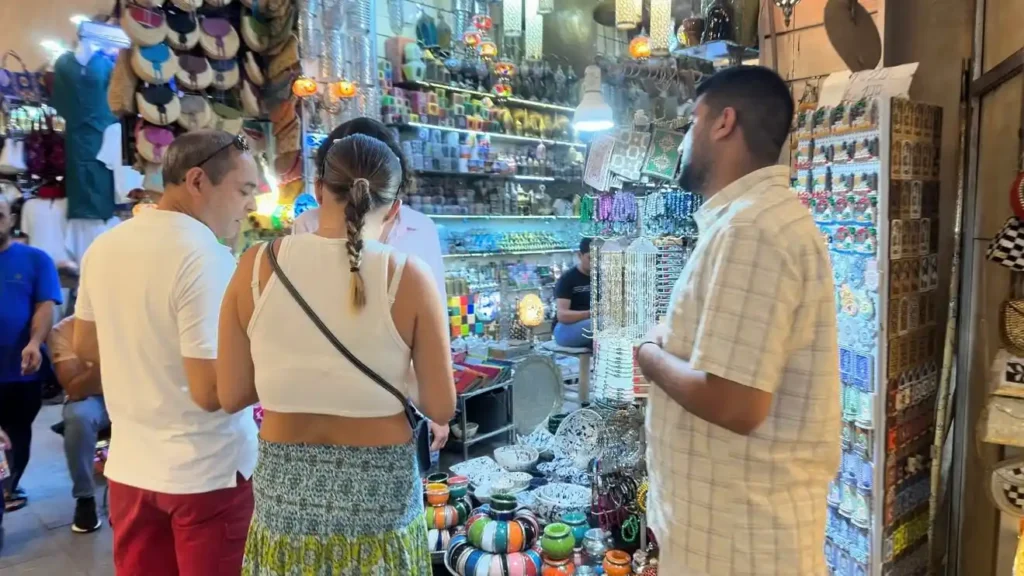
There is no single correct price for every rug, bag or lantern. Materials, workmanship, size and the seller’s asking price all matter. My approach is to compare first and discuss price when you know what you actually want.
We ask questions, look closely and take our time. If you like an item, I can help you discuss an offer respectfully. If the explanation or price does not make sense to you, you can leave.
I do not promise the lowest price in Marrakech or guarantee every seller’s claims. The useful part of having a guide is being able to ask better questions, understand the conversation and make your own decision with less pressure.
Price, Meeting Point and Booking Arrangements
The private Marrakech shopping tour costs €60 total for a group of 2–4 people, not €60 per person. For solo travelers or groups of 5 or more, contact me for a quote. Send your preferred date, group size, available time and shopping interests to check availability. Include your hotel or riad so we can discuss where to meet.
Pay on arrival for direct bookings. We confirm your date, start time, meeting point, guide and total price in writing before the tour. Cancellation and date-change terms are agreed in that confirmation. If your plans change, contact me as soon as possible.
Included: your private guided walk, a route adapted to your interests, shopping and bargaining advice, and help communicating with sellers.
Not included in the €60 walking-tour price: purchases, shipping, vehicle transport, refreshments or admission fees. Any extras are agreed separately before booking.
If you want me personally to guide you, mention that in your enquiry so we can check my availability before you commit.
How to Book Your Shopping Tour
- Send your date, group size, hotel or riad, and shopping interests on WhatsApp or by email.
- I check availability and confirm your start time, meeting point, guide and booking terms in writing.
- Meet your guide and pay on arrival. Enjoy a private walk with no obligation to buy.
Who Is This Tour For?
This tour suits first-time visitors who want help finding their way, couples choosing something for their home, families looking for gifts and travelers interested in Moroccan crafts. Solo travelers are welcome too.
You do not need to be a serious shopper. Some people mainly want to understand the souks and watch the craft traditions around them. Others have one specific purchase in mind. Tell me which kind of visit you would enjoy.
If you prefer exploring independently, my souks guide will help you prepare. For the rest of your stay, see things to do in Marrakech.
A Few Practical Tips Before We Meet
Wear comfortable shoes and bring water. The lanes can be busy, surfaces uneven and afternoons warm. Mention any mobility concerns before booking so we can discuss the route.
Carry only what you need. Cash is useful for smaller purchases, while card acceptance varies by shop. For a large purchase, ask about payment and delivery arrangements before agreeing to buy.
You are always allowed to say no. Tea is hospitality, not a contract. If you feel unsure, pause rather than making a rushed decision. My Morocco travel scams and tourist traps guide explains more common situations.
Private Marrakech Shopping Tour FAQs
Is this Marrakech shopping tour private?
Yes. The walk is arranged for you and your own group, with the route based on your interests rather than a shared group itinerary.
How much does the private souks tour cost?
The price is €60 total for a private group of 2–4 people, not per person. Solo travelers and groups of 5 or more should contact me for a quote. Send your preferred date and group size to check availability; purchases are paid for separately.
How long does the tour last?
The private shopping tour lasts 3–4 hours. We agree the start time before booking and adapt the route to your interests and walking pace.
Do I have to buy anything?
No. You are welcome to look, ask questions and enjoy the crafts without making a purchase. A cup of tea does not oblige you to buy.
Can we focus on rugs, leather or specific souvenirs?
Yes. Tell me what interests you and your approximate shopping budget. This helps me plan relevant stops and leave enough time to compare products.
Will Kamal be my guide?
Contact me directly to check my availability for your date. If you specifically want me to lead the tour, say so in your message and confirm this before booking.
Where do we meet?
The exact meeting point is agreed before booking. Include your hotel or riad name and ask whether meeting there is possible. Do not assume vehicle transport is included unless it is stated in your quote.
Can shops ship purchases abroad?
Some shops arrange international shipping, particularly for rugs. Confirm costs, tracking, insurance, customs charges and responsibility for damage with the seller before paying. Shipping is a separate arrangement from the guided walk.
Are solo travelers and families welcome?
Yes. Tell me your group size, children’s ages and any walking or mobility needs when enquiring so we can discuss a suitable route and pace.
Plan Your Private Marrakech Souks Tour
Send me your date, group size and what you would like to explore. Whether you want a few meaningful gifts or time to compare a special piece, we can discuss a shopping walk that fits your visit.
Still planning your trip? Start with my Morocco Travel Guide and Morocco trip planning guide.