Morocco Travel Costs: How Much Does a Trip Really Cost?
Table of Contents
If you’re planning Morocco, I know the exact moment your brain starts doing math. You’re excited about Marrakech, the Sahara, the riads, the food… and then you ask the big question: “Morocco travel costs?” Not the fake “$30 a day” fantasy, and not the luxury influencer version either the real cost for real travelers.
I’m Kamal, a licensed guide based in Marrakech, and I hear this question all the time before bookings, during planning, and even on day one when people land and start comparing prices. The truth is simple: Morocco can be very affordable or very luxurious, and the final cost depends less on “Morocco” and more on how you choose to travel.
If this is your first time visiting, I recommend starting with my Morocco Travel Guide to understand distances, cities, and travel styles before planning your budget.
Some travelers want the cheapest possible trip, others want comfort and privacy, and most people want a mix: a beautiful riad, great food, and a desert experience without stress. In this guide, I’ll show you what Morocco costs in real life the way I explain it to my clients, with honest ranges, what’s worth it, and where travelers usually overspend.
What Makes Morocco “Cheap” for Some People and “Expensive” for Others?
Morocco is not expensive in the way Europe is expensive. But Morocco is also not “everything costs nothing” like some destinations. What makes Morocco special is value. You can pay a fair price and get something that feels truly rich: a riad with handcrafted tiles, a slow-cooked tagine on a rooftop, a private driver who saves you hours of confusion, a desert camp under a sky full of stars.
The reason people disagree online is because they don’t travel the same way. A backpacker using buses and dorm rooms will spend one amount. A couple doing private transfers and boutique hotels will spend another. And a family wanting safety, comfort, and smooth logistics will choose differently again.
The good news? Whatever your style, Morocco can be done smart. The secret is knowing which costs are flexible and which are not.
Flights to Morocco: The Biggest Variable You Don’t Control
Flights are often your biggest expense, and it’s the one thing that is not really “Moroccan pricing.” It depends on your country, season, and how early you book. Travelers from Europe usually get the best deals, especially when flying into Marrakech or Casablanca. From North America, flights can be higher, but Morocco is still usually cheaper than many other long-haul destinations once you arrive.
If you’re still deciding where to fly into and how to structure your route, my Travel Routes guide breaks down the best flight entry points into Morocco.
A quick local tip: if you’re flexible, you can save a lot by traveling spring or autumn instead of peak summer or Christmas/New Year. And if you’re building an itinerary, it often makes sense to fly into one city and fly out of another (for example, Marrakech in / Casablanca out), so you’re not paying to backtrack.
Flying during shoulder seasons something I explain in Best Time to Visit Morocco can save hundreds before you even arrive.
Accommodation Costs: Riads Can Be a Budget Choice or a Luxury Dream
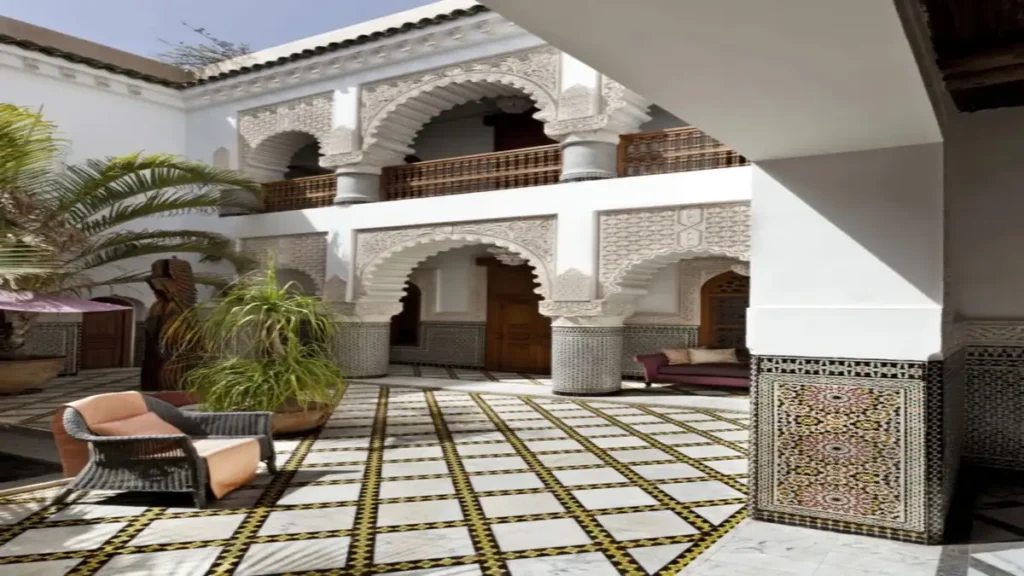
Accommodation in Morocco has a wide range, but the best part is that even mid-range stays can feel special. In Morocco, a “hotel room” is not always the best experience. A good riad gives you that feeling of Morocco calm courtyards, beautiful design, local breakfast, and a warm welcome.
If you’re traveling on a budget, you can find simple guesthouses and hostels that cost very little, especially outside peak season. But if you can stretch a bit, Morocco becomes incredible in the mid-range. Many travelers who normally stay in basic hotels back home upgrade here because the value is so good.
Where you stay matters a lot by city. The experience in Marrakech, Fes, and Essaouira is very different, so it’s best to plan accommodation city by city.
Luxury is another world. Marrakech, in particular, has luxury riads and hotels that are among the best in the world. When people choose luxury here, they’re often paying for space, privacy, spa services, and flawless hospitality not just a name.
➡️ Read next: Best Time to Visit Morocco (season affects prices a lot)
✅ “Check riads & hotels in Marrakech on Klook”
✅ “Check riads & hotels in Fes on Klook”
✅ “Check riads & hotels in Essaouira on Klook”
Food Costs in Morocco: Where Your Money Goes Far
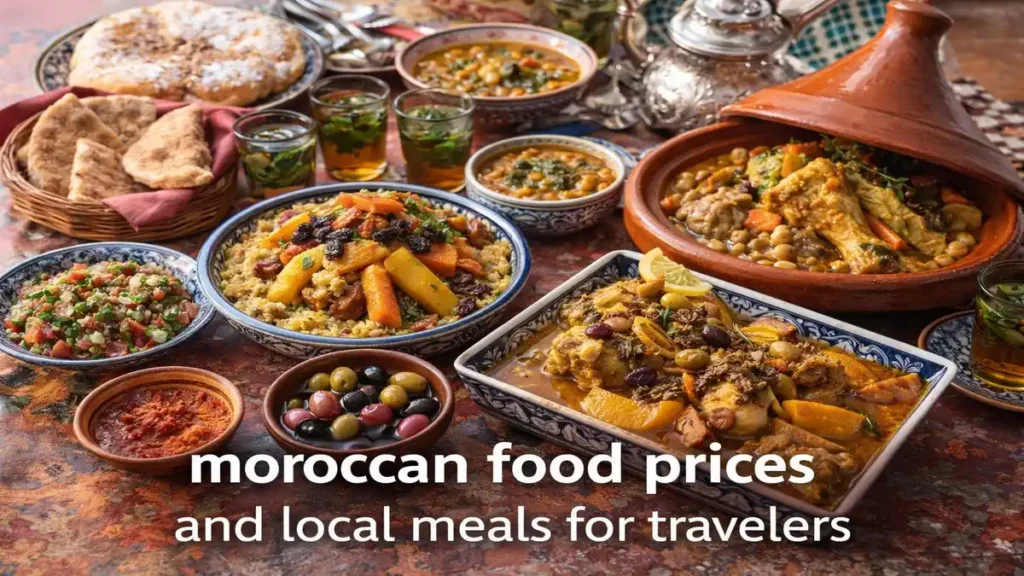
Food is one reason travelers love Morocco. You can eat deliciously without spending much especially if you mix local places with a few rooftop meals for the experience.
Street food and simple local restaurants can be very affordable, and the portions are usually generous. Rooftop restaurants and tourist areas cost more, but you’re paying for location, atmosphere, and comfort. High-end dining exists too, especially in Marrakech, and it can be amazing but it’s not required to eat well.
One thing I tell travelers: don’t let price be your only guide. In Morocco, the best meals aren’t always the most expensive. Sometimes the best tagine is a small family place with five tables, not a trendy rooftop with a DJ.
Getting Around Morocco: Cheap Options vs Smooth Options
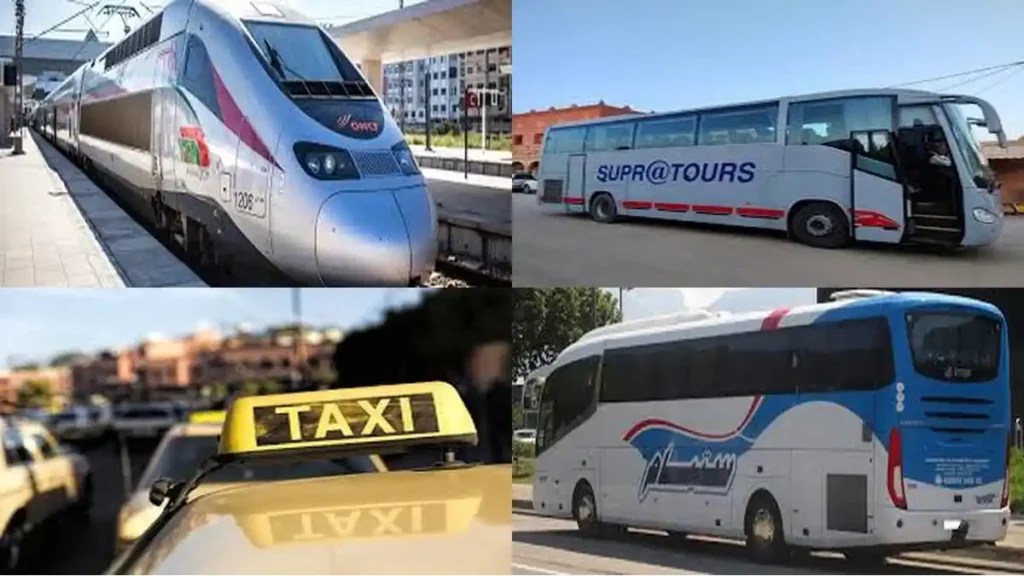
Transportation is where Morocco can feel confusing at first, and also where smart planning saves both money and energy. The country offers many ways to get around, but choosing the right option makes a big difference to how smooth your trip feels.
Inside cities, taxis are usually affordable and easy to find. The key is to agree on the price in advance or make sure the meter is used where it’s common. Small misunderstandings with taxis happen to many first-time visitors, but once you understand the system, getting around cities becomes simple.
For travel between major cities, trains are a strong option. They are comfortable, reliable, and offer very good value, especially on popular routes like Casablanca–Marrakech or Casablanca–Fes. Many travelers don’t expect this, but train travel in Morocco is often one of the easiest and most relaxing ways to move around.
If you prefer buses, quality matters a lot. CTM and Supratours are widely considered the best and most reliable bus companies in Morocco. They are safe, organized, and far more comfortable than smaller local operators. Cheaper buses do exist, but they are slower and can feel tiring, especially if you’re changing cities often.
To make booking easier, many travelers use platforms like Omio or 12Go to compare trains and buses in advance. These tools are useful for checking schedules, understanding travel times, and avoiding last-minute stress at stations especially if you’re short on time.
For travelers following a full route across the country particularly families, couples, or small groups hiring a private driver often becomes the best value decision. Not because it’s the cheapest option, but because it removes stress, saves time, and keeps the trip flowing smoothly. When transport is well organized, you avoid last-minute mistakes, overpriced tourist taxis, and wasted travel days.
If you’re planning multiple stops, it really helps to look at transport together with your route. You can see how everything connects in this Morocco Itinerary (7 / 10 / 14 Days) guide, which shows realistic travel distances and timing between cities.
Tours and Activities: The Range Is Huge (And Quality Matters)
This is the part of a Morocco trip where travelers either create their best memories or their biggest regrets. Tours and activities vary a lot in quality, and price alone rarely tells the full story.
A city tour with a licensed local guide gives you much more than photos. You understand what you’re seeing, learn how the medina works, and avoid common tourist traps. For first-time visitors, this context often changes the entire experience. Day trips to the Atlas Mountains, Essaouira, or the desert areas near Marrakech can be affordable in small groups, but private experiences offer more flexibility, better timing, and a calmer pace.
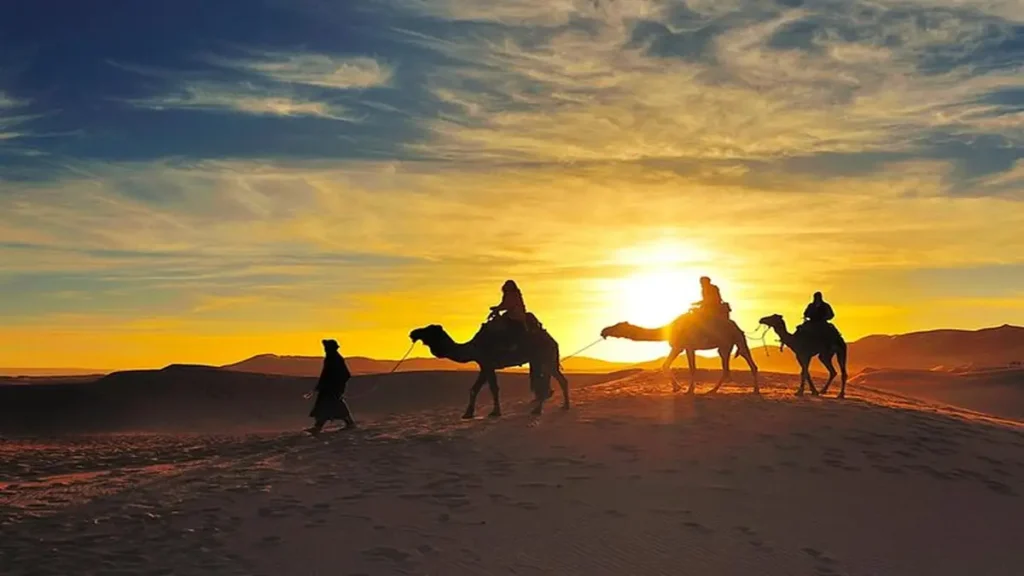
Desert trips are usually the biggest “wow” moment for most travelers, but this is also where expectations and reality can clash. Prices change depending on whether the tour is group or private, the route taken, and the type of accommodation in the desert. Very cheap tours do exist, but they often cut corners long and uncomfortable drives, rushed stops, basic camps that look nothing like the photos, and little personal attention. A fair-priced tour with clear inclusions is almost always the better value.
If you’re planning several stops, it helps to see tours in the context of your overall route. I recommend looking at the Morocco Itinerary (7 / 10 / 14 Days) to understand travel distances and where tours realistically fit without rushing.
Recommended Tours
Instead of overwhelming yourself with options, it’s better to choose a few well-reviewed experiences from reliable platforms like GetYourGuide or Viator. These platforms are useful for comparing inclusions, reviews, and cancellation policies.
Here are examples of tours travelers usually enjoy the most:
- Marrakech guided walking tour – great for understanding the medina on your first day
- Atlas Mountains day trip – villages, landscapes, and local lunch
- Agafay Desert sunset & dinner – easy desert experience close to Marrakech
- Sahara desert tour – multi-day experience with overnight desert camp
Hidden Costs Travelers Forget (And How to Avoid Them)
Most Morocco travel budgets don’t fail because of big expenses like hotels or flights. They fail because of small daily costs that people don’t plan for. These extras feel harmless at first, but over a full trip they quietly add up.
Entrance tickets to monuments, short taxi rides, bottled water, snacks, tips, and small cafés all seem inexpensive on their own. Then there’s shopping. What starts as “just looking” in the souks often turns into leather goods, ceramics, spices, skincare products, or a rug you didn’t plan to buy. Morocco is a shopping country, and temptation is part of the experience.
The smartest way to handle this is to create a small daily buffer specifically for extras and souvenirs. When that money is already planned, you enjoy shopping and spontaneous moments instead of worrying about your budget later. Travelers who plan a buffer usually feel more relaxed and end up enjoying Morocco more.
If Marrakech is part of your route, it helps to understand where these extra costs usually appear. You’ll find that explained clearly in the Marrakech Travel Guide, including monument fees, taxis, and shopping areas where prices vary.
Local Tip
Hidden costs aren’t a problem unplanned costs are. When you expect them, they stop being stressful and become part of the experience.
What Does Morocco Cost Per Day? Realistic Budgets That Make Sense
Instead of giving you one misleading “average,” it makes more sense to explain daily costs the way a local guide sees them in real life.
If you travel very simply staying in hostels, eating street food, using public transport, and limiting paid activities Morocco can feel very affordable. You’ll spend less money, but you’ll spend more time planning, negotiating, and moving at a slower pace. For some travelers, that’s part of the adventure. For others, it becomes tiring after a few days.
Most visitors naturally fall into the mid-range category, often without realizing it. They want a comfortable place to sleep, good meals, and a few meaningful experiences along the way. This is the sweet spot in Morocco. The value is excellent, and you get a strong balance between comfort, culture, and cost.
Luxury travelers can, of course, spend significantly more. In this case, the extra cost pays for privacy, smooth logistics, personal service, and time-saving decisions. Luxury in Morocco especially in Marrakech is powerful, but it’s absolutely optional, not a requirement for a great trip.
The most important thing to understand is this: the best Morocco trip is not the cheapest one it’s the smoothest one. When transport is well organized, accommodation is well located, and the itinerary is realistic, travelers waste far less money fixing problems along the way.
Real Sample Budgets: What Travelers Actually Spend in Morocco
Instead of throwing random numbers at you with no context, it makes more sense to explain Morocco travel costs the way I see them in real life through the travelers I work with every week. These are not fantasy budgets and not influencer guesses. These are realistic spending patterns that show how money actually moves during a Morocco trip.
If you’re still organizing your trip and want help with timing, transport, money, and logistics, this Plan Your Trip to Morocco guide walks you through everything step by step.
A Solo Traveler on a Smart Budget
Most solo travelers come to Morocco with one clear goal: see as much as possible without overspending, but still enjoy the experience. They usually stay in simple riads or guesthouses, sometimes mixing in a hostel when they want to socialize. They eat where locals eat, walk a lot, use taxis only when necessary, and choose small group tours instead of private ones.
In real life, this traveler typically spends around €40–€60 per day.
That daily budget usually covers:
- A simple but clean place to sleep
- Local meals and street food
- Taxis when needed
- One or two paid experiences during the week, like a guided city walk or a short desert tour
They don’t rush. They accept slower travel days and don’t try to see everything in one trip. Morocco works very well for this style because culture, atmosphere, and daily life are visible even without spending much. The key is flexibility and patience when you have those, your budget stretches far.
A Couple Traveling Mid-Range (Most Common Scenario)
This is the most common type of traveler I guide. Couples want comfort, romance, and authenticity without paying luxury prices. They usually stay in well-located riads with good reviews, eat local food most days, and enjoy a few rooftop dinners for the atmosphere.
They like guided experiences because they want context, not confusion. For longer distances, they often choose a private driver to avoid stress and save time. The desert is usually the highlight of their trip, and they’re happy to pay a bit more for a comfortable camp and smooth logistics.
In real life, this style of travel averages around €90–€150 per person per day.
That budget typically includes:
- A quality riad with breakfast
- Good local restaurants plus a few special dinners
- Guided city tours or day trips
- Comfortable transport between cities
This traveler doesn’t feel like they’re “budget traveling,” but they also don’t feel like they’re overspending. Morocco fits them perfectly because the quality-to-price ratio is high. When they leave, they often say the same thing:
“We expected to spend more for this level of experience.”
A Family Traveling for Comfort and Ease
Families travel differently, and Morocco can be fantastic for them if planned properly. Parents usually prioritize safety, comfort, and smooth logistics. They don’t want to negotiate taxis with kids, get lost in medinas, or fix last-minute problems.
Families often choose private transport, good-quality riads or family-friendly hotels, and structured activities. They still enjoy local food, but they mix in familiar options when needed. Their spending is higher, but so is the ease of the trip.
A realistic family budget usually comes to around €120–€200 per person per day, depending on group size.
What surprises many families is that even with private drivers and guides, Morocco is often more affordable than similar trips in Europe, especially considering how many different landscapes and cities they experience in a short time.
A Luxury Traveler Looking for Something Special
Luxury travelers come to Morocco for one reason: experience without effort. They choose high-end riads or palace hotels, private guides, premium desert camps, spa hammams, and fully tailored itineraries.
In this case, daily spending usually starts around €300–€500+ per person per day, and can go higher depending on accommodation and services.
They spend more, but what they receive feels personal not mass-produced. Luxury in Morocco is not just about brands; it’s about service, privacy, and atmosphere. And it’s important to say this clearly: you do not need luxury to enjoy Morocco deeply.
Many luxury travelers are surprised that some of their favorite moments cost almost nothing a sunset in the desert, mint tea on a terrace, or a quiet walk through the medina early in the morning.
What These Budgets All Have in Common
No matter the travel style, I see one pattern again and again: travelers who plan realistically spend less than those who chase the cheapest option blindly.
People who overspend usually do it accidentally fixing mistakes, changing plans late, or booking unclear tours. People who enjoy Morocco the most choose balance: good sleep, smooth transport, and a few meaningful experiences instead of trying to do everything.
That’s why I always say this: the best Morocco budget is not the lowest one it’s the most intentional one.
If you’re planning your Morocco trip now, don’t ask:
“What is the cheapest way to do this?”
Ask instead:
“What will make this trip smooth and memorable?”
Very often, the second question saves you money in the long run and it always saves you stress.
How Much Cash to Carry in Morocco (And the Smart Way to Pay)
One of the most common mistakes travelers make in Morocco is either carrying too much cash or not enough. Morocco is not a cash-only country, but it’s also not fully cashless. The smartest approach is balance using cash where it makes sense and cards where they’re accepted.
Cash is mainly used for taxis, cafés, small restaurants, souks, tips, hammams, and local shops. Cards are widely accepted in hotels, riads, tour agencies, supermarkets, and higher-end restaurants, especially in major cities like Marrakech and Fes. Once you understand this rhythm, money stops being a stress.
If you’re still early in planning, I recommend reading the full Morocco Travel Guide first, because costs and payment habits can feel different depending on the city and travel style.
How Much Cash Should You Actually Carry?
For most travelers, carrying the equivalent of €300–€500 per person in Moroccan dirhams is more than enough for daily expenses, small shopping, and flexibility. You don’t need to exchange everything at once. ATMs are widely available in cities and tourist areas, and they’re generally reliable.
I always advise travelers not to arrive with a full budget in cash. Pay accommodation, longer tours, and transport by card when possible, then use cash for daily life. This approach works especially well if you’re following a structured route like a 7, 10, or 14-day Morocco itinerary where expenses are spread across different cities.
Cards vs Cash in Morocco: What Works Best
Cards work very well in structured places, but not everywhere. Riads, hotels, tour offices, and quality restaurants usually accept cards without issues. Small local restaurants, taxis, street food, souks, and guides almost always prefer cash.
Many travelers make the mistake of relying only on their home bank card, then lose money through poor exchange rates and foreign transaction fees. That’s why choosing the right card matters almost as much as choosing how much cash to carry.
Using the Wise Card in Morocco (Highly Recommended)
For most travelers, the easiest and cleanest solution is using a Wise card.
The Wise card allows you to:
- Pay by card using real exchange rates
- Withdraw Moroccan dirhams from ATMs with low fees
- Avoid bad airport exchange offices
- Track and control spending through the app
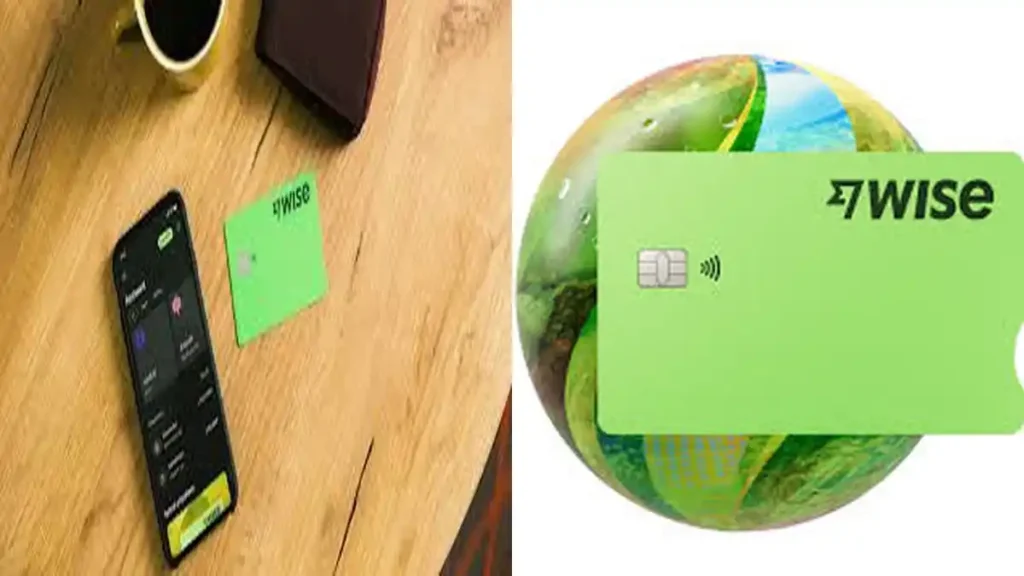
Many of my clients now travel with Wise, and it honestly removes a lot of stress. Instead of exchanging large sums or worrying about hidden fees, they withdraw what they need, when they need it. This is especially useful if you’re traveling across multiple cities or changing plans along the way.
It’s also a great option if you’re visiting during peak seasons something I explain in detail in Best Time to Visit Morocco when prices and daily spending can vary slightly.
Where to Exchange Money (And Where Not To)
If you bring cash to exchange, always use official exchange offices, banks, or your hotel or riad. These places offer fair and legal rates. Avoid exchanging money on the street or with unofficial sellers.
Airport exchange desks are convenient but usually offer slightly worse rates. They’re fine for small amounts, but not ideal for large exchanges. For most travelers, ATMs combined with a Wise card are the easiest and safest solution.
One important thing to know: Moroccan dirhams are a closed currency, meaning you usually can’t exchange them outside Morocco. Try not to leave the country with a lot of dirhams spend or exchange what you don’t need before departure.
Payment Tips That Save You Money and Stress
From years of guiding travelers, these habits make a big difference:
Use cards for big expenses like hotels and tours.
Use cash for daily life and small purchases.
Withdraw money during the day, not late at night.
Don’t exchange large amounts at once.
Always keep some small bills for taxis and tips.
And most importantly, don’t overthink it. Once you understand how Morocco works, payments feel natural and easy.
How to Save Money in Morocco Without Ruining Your Trip
The best savings are not about cutting everything. They’re about choosing wisely.
Stay in good riads instead of overpriced international hotels. Eat local most days and choose a rooftop meal when you want the atmosphere. Avoid rushed itineraries that force you into expensive last-minute decisions. Travel in shoulder seasons if you can. And when it comes to tours, don’t chase the cheapest deal chase the clearest deal.
If you want to save money and still enjoy Morocco, spend on what matters: good sleep, smooth transport, and one or two unforgettable experiences (like the desert or a guided medina walk). Those are the things you will remember.
Final Thoughts From a Local Guide
Morocco is worth it and not because it’s cheap. It’s worth it because it’s rich. Rich in culture, landscapes, flavors, history, and human warmth.
If you plan smart, Morocco can be surprisingly affordable. If you plan fast, Morocco can feel expensive because you’ll pay for mistakes. My biggest advice is simple: build your trip like a story, not like a checklist. When the trip flows well, the budget also behaves well.
And if you ever feel stuck planning, I always tell travelers: Morocco rewards good guidance. The right information can save you money, time, and stress and give you the trip you actually imagined.
Recommended Booking Tools
If you’re planning now, these tools usually help travelers book smarter:
For hotels and riads, I recommend checking options early, especially in peak season.
✅ Booking.com (riads + flexible cancellation options)
For activities and day trips, choose tours with strong reviews and clear inclusions.
✅ GetYourGuide or Viator (good for comparing tours)
For travel insurance (highly recommended for peace of mind), use:
✅ SafetyWing (popular for travelers) or your preferred provider
For eSIM data so you’re connected immediately:
✅ Airalo (easy eSIM setup)
For official travel updates and practical info, you can also check Morocco’s official tourism website.
FAQ: Morocco Travel Costs
How much does a 7-day trip to Morocco cost?
A realistic 7-day trip to Morocco depends on how you travel:
Budget traveler: around €300–€450 total
(hostels or simple riads, street food, public transport, limited tours)
Mid-range traveler (most common): around €700–€1,100 per person
(good riads with breakfast, local restaurants, guided city tours, at least one day trip or desert experience)
Luxury traveler: €2,000–€3,500+ per person
(luxury riads or hotels, private driver, premium desert camp, tailored experiences)
These estimates do not include international flights, which vary a lot by country and season.
Is Morocco cheaper than Spain or Portugal?
For daily expenses, yes Morocco is usually cheaper.
Meals, taxis, local guides, and small experiences often cost 30–50% less than in Spain or Portugal.
Accommodation can be similar in peak season, but Morocco generally offers more atmosphere and service for the same price.
Most travelers feel they get more experience for their money in Morocco.
How much money should I plan to spend per day in Morocco?
A good daily guideline is:
Budget style: €40–€60 per day
Mid-range style: €90–€150 per day
Comfort / family style: €120–€200 per day
Luxury style: €300–€500+ per day
On top of that, it’s smart to keep a €15–€25 daily buffer for small extras like taxis, entrance tickets, drinks, tips, and shopping especially in Marrakech and Fes.
Are tours in Morocco expensive?
Tours in Morocco vary widely, but they are not expensive for what you get.
City guided tours: usually €25–€40 per person
Day trips (Atlas Mountains, Essaouira, Agafay): €30–€100 per person, depending on group vs private
Private multi-day tours: often €180–€300 per day (vehicle, driver, fuel, stops)
The key is clarity, not price. A well-organized tour saves time, stress, and often money.
Is the Sahara desert trip worth the money?
For most travelers, yes absolutely.
Group desert tours: around €80–€120 per day
Private desert tours: €180–€300 per day
Luxury desert camps: €150–€300+ per night
The Sahara is often the most memorable part of the trip. The biggest mistake is choosing a tour that’s too cheap and cuts corners on comfort and timing.
Is tipping expected in Morocco?
Tipping is appreciated but not mandatory.
Typical guidelines:
Local guides: €50–€70 per day
Drivers: €30–€50 per day
Restaurants: rounding up or 5–10% if service is good
Think of tipping as a thank-you for good service, not an obligation.
What’s the biggest budget mistake travelers make in Morocco?
The biggest mistake is rushing the itinerary.
Trying to visit too many cities in a short time leads to:
Extra transport costs
Overpriced last-minute taxis
Fatigue-driven decisions
Paying more for “quick fixes”
A realistic route almost always costs less than an overpacked one.
Do I need cash in Morocco?
Yes you need both cash and a card.
Cash for taxis, souks, small restaurants, tips, and local shops
Cards for hotels, riads, tours, and larger restaurants
Most travelers are comfortable carrying €300–€500 per person in Moroccan dirhams and withdrawing more if needed.