What to Eat in Morocco (and What to Avoid): A Local Guide’s Honest Advice
What to eat in Morocco is one of the first questions travelers ask once they arrive.Knowing what to eat in Morocco and what to skip makes the whole experience more relaxed from the start.
Food in Morocco isn’t something you simply order and eat. It’s part of daily life. It’s how families gather, how time is organized, and how people show hospitality. When you spend enough time moving around the country, you start to feel that rhythm without thinking about it bread picked up in the morning from the neighborhood bakery, a proper lunch, pauses for tea, and dinners that are never rushed.
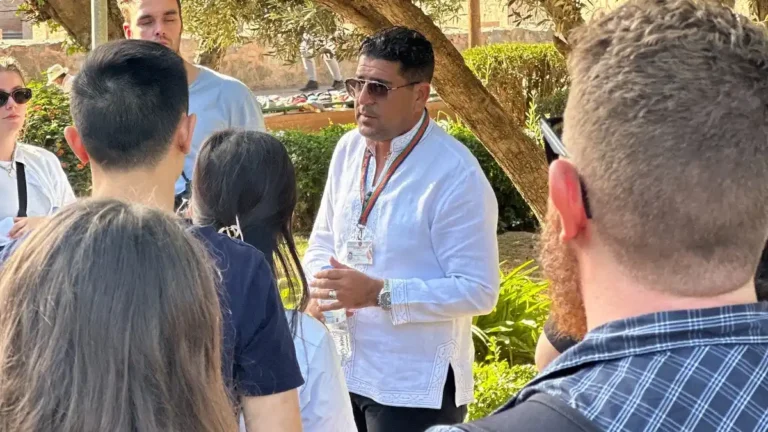
Over the years, I’ve shared meals with travelers in all kinds of places. Inside family homes, in small roadside cafés, in desert camps under the stars, and in quiet spots most visitors walk past without noticing. And almost every time, there’s a moment when the food arrives and the mood shifts slightly.
People are interested. They’re excited. But there’s also that pause.
They want to enjoy the food, but they don’t want to get it wrong. They want to know what’s safe, what to be careful with, and what locals actually eat themselves.
Those questions don’t come from fear. They come from wanting a good experience without unnecessary problems. And they’re completely reasonable.
This guide is my answer to that moment. Not based on reading other websites, but on years of watching what works, what causes trouble, and what visitors often misunderstand about Moroccan food. It’s the same explanation I give on the first day of a tour calm, practical, and without exaggeration.
If you’re still early in planning your trip, it helps to see how everything fits together before focusing only on food. I walk through that step by step in Plan Your Trip to Morocco. Once you understand daily life here, the food usually starts to make sense on its own.
Understanding food habits makes a lot more sense once you understand daily life in Morocco, which I explain more in my Morocco Travel Guide. When you see how people live day to day, the food usually starts to make sense on its own.
How Food Really Works in Morocco
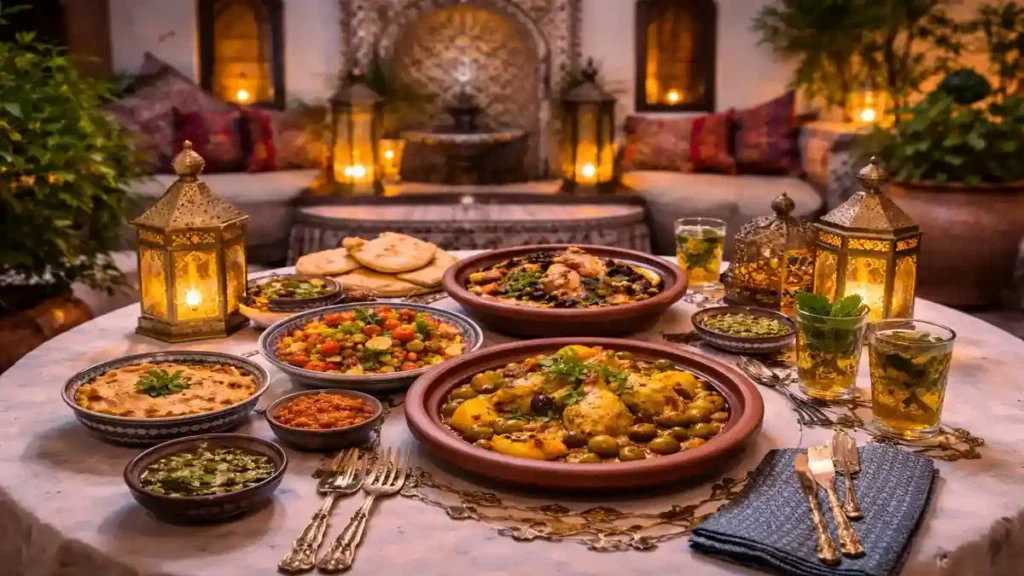
In Morocco, food is built around the day itself. Most families cook every day, not once for the whole week. Ingredients are bought in the morning, meals are prepared slowly, and food is meant to be eaten while it’s fresh and hot. Leftovers exist, but they’re treated differently than in Europe or North America.
That’s why a lot of general food advice you read online doesn’t fully fit Morocco. We don’t depend on refrigeration the way visitors often expect. Instead, we depend on how food is cooked. Long simmering, strong heat on the grill, and food that moves quickly from kitchen to table that’s the system.
When travelers follow that logic, food rarely becomes a problem. Eating hot dishes, taking your time, not ordering too much, and avoiding food that’s been sitting around too long makes a bigger difference than any checklist. Once you understand that, eating in Morocco feels natural, not risky.
What to Eat in Morocco (Food I Confidently Recommend)
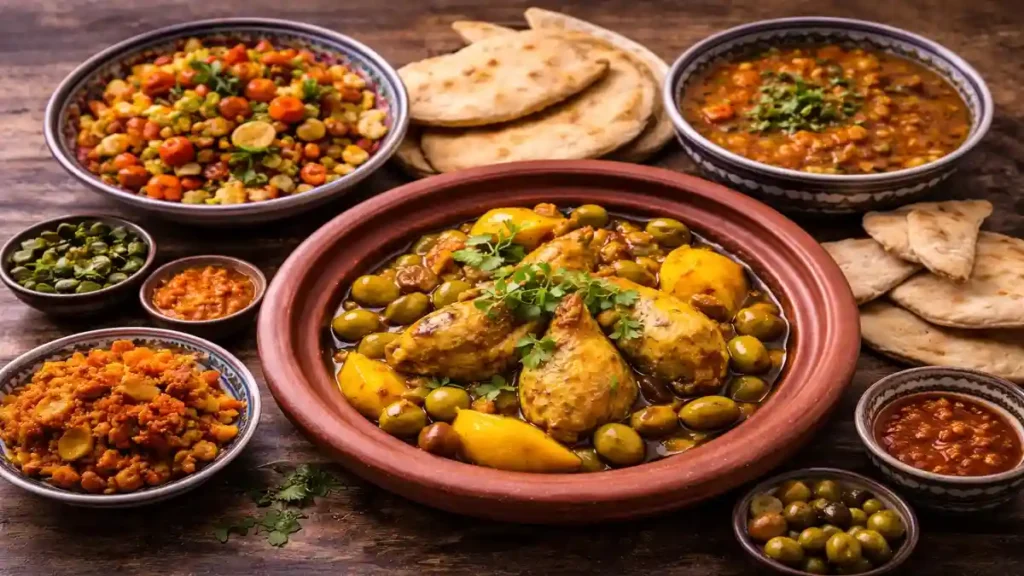
Tagine: The Dish I Always Suggest First
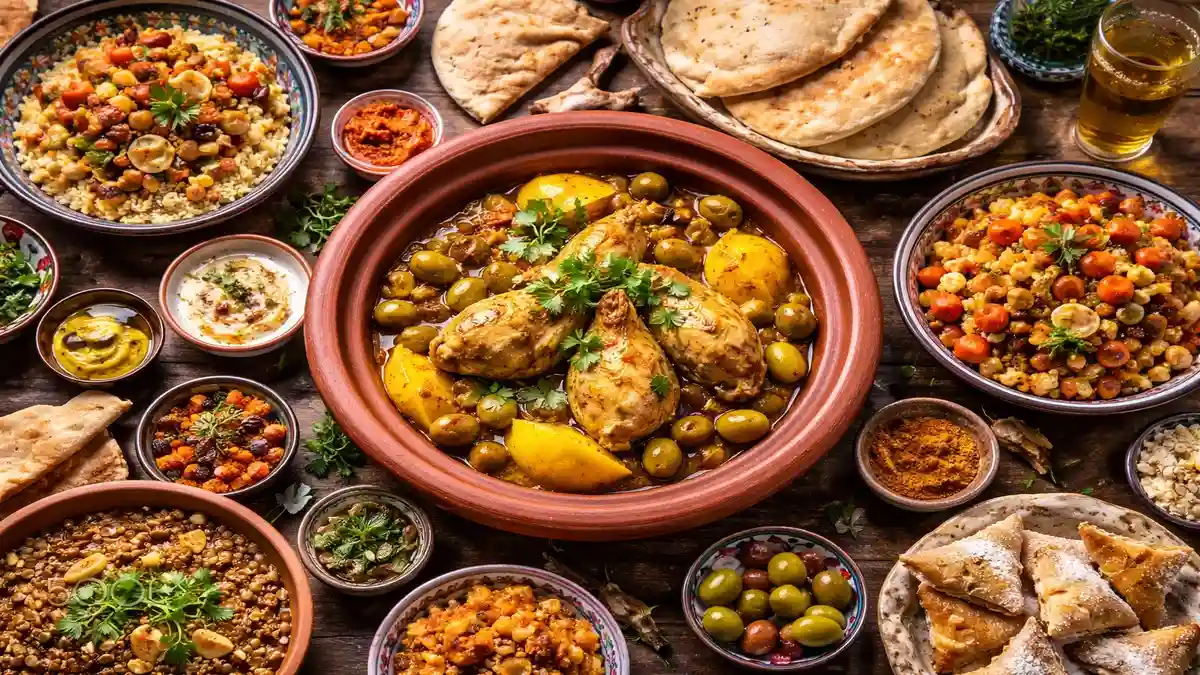
If there’s one dish I never hesitate to recommend, it’s tagine. Not because it’s famous, but because it simply works. Tagine is cooked slowly, covered, and left to do its thing. Nothing is rushed. By the time it reaches the table, everything inside has been cooking for a long time and is still hot.
That’s why it’s such a good choice, especially in your first days. Chicken with preserved lemon and olives, beef with prunes, lamb with almonds, vegetable tagines these are meals Moroccans eat at home, not special tourist dishes. They’re filling without being heavy, and easy on the stomach.
On tours, when someone asks me what they should start with, tagine is usually my answer. It’s familiar enough to feel comfortable, but still very Moroccan. It’s a good place to start, before people branch out and try other dishes.
Couscous: A Meal with Its Own Day
Couscous isn’t something Moroccans eat whenever they feel like it. Traditionally, it’s a Friday meal. After prayers, families gather, and couscous is brought out slowly, usually in a big dish meant to be shared. That’s still how it’s treated in many homes today.
You’ll see couscous on menus every day, mostly for visitors, but there’s a difference. Friday couscous tends to be lighter, better balanced, and cooked with more care. The grains are steamed properly, the vegetables are soft, and the meat is cooked gently in broth rather than rushed.
For travelers, couscous is a good choice when you want something filling without feeling heavy afterward. It’s simple, comforting, and easy to digest, especially if you’re tired from moving around or still adjusting to the food here.
Harira: The Soup People Come Back To
Harira is one of those dishes you find everywhere in Morocco, and there’s a reason for that. It’s a simple soup made with tomatoes, lentils, chickpeas, herbs, and sometimes a bit of meat. Nothing fancy, but it does its job.
I’ve watched a lot of travelers come back to harira, especially after a long flight or a busy day. When someone feels tired, a little off, or just not sure what to eat, harira with some bread and mint tea usually settles things down. It’s warm, filling without being heavy, and easy to handle when your stomach needs a break.
Moroccan Salads: Cooked Makes the Difference
This is one place where a lot of travelers get confused, because the word “salad” doesn’t mean the same thing here. In Morocco, most salads are cooked, not raw. They’re made from vegetables that have been grilled, simmered, or stewed, then seasoned and left to cool slightly before serving.
Dishes like zaalouk, taktouka, or cooked carrot salad show up on tables every day. They’re not side dishes meant to be light or fancy. They’re part of the meal, eaten with bread, and treated like proper food. Because they’re cooked, they’re usually safe and easy to eat, even for people who are still adjusting.
What causes problems isn’t Moroccan salads it’s assuming they’re the same as raw salads back home. Leafy greens, uncooked vegetables, or anything washed in tap water can be unpredictable for visitors. Locals don’t eat those much outside the home, and there’s a reason for that.
If you stick to the salads Moroccans actually eat themselves the cooked ones you’ll be fine. They’re flavorful, comforting, and one of the easiest ways to enjoy vegetables here without thinking twice.
Street Food in Morocco: When It’s Worth It (and When to Walk Away)
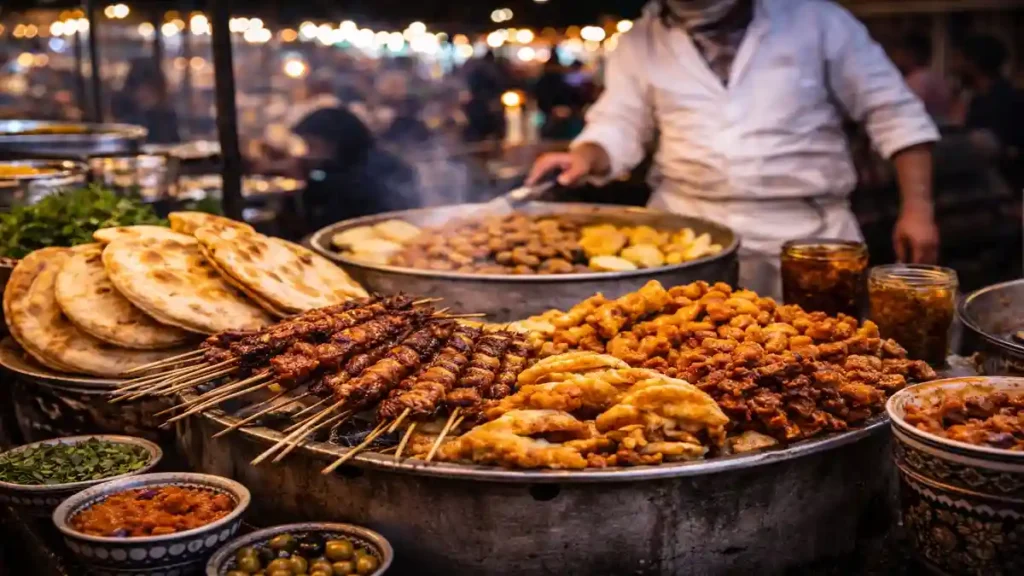
Street food is part of everyday life in Morocco. Locals eat it on the way to work, after school, late at night, or when they don’t feel like going home to cook. It’s normal, it’s social, and when it’s done right, it’s very good.
The mistake some travelers make is thinking street food is either all dangerous or all safe. Neither is true. What matters isn’t the food itself it’s how and where it’s prepared.
When you see a small stall with people standing around, food being cooked constantly, and everything coming off the grill hot, that’s usually a good sign. Meat skewers, sandwiches, maakouda, grilled sardines these are things Moroccans eat themselves. They don’t sit around. They move fast from fire to plate.
What I tell travelers is simple: if food has been sitting too long, looks tired, or the place is clearly set up only for tourists, it’s better to keep walking. Locals do the same. There’s no shame in skipping something another option is always a few steps away.
For visitors who want to experience street food without guessing, I often recommend doing it with someone who knows the spots and the timing. A guided food walk takes the pressure off and lets you enjoy things you might otherwise hesitate to try.
If you want a safe introduction to Moroccan street food, especially in cities like Marrakech or Fes, a local food tour is a good option. You get context, timing, and trusted stops without overthinking every bite.
You can check well-reviewed options here:
GetYourGuide food tours in Morocco
A lot of food places here still work mainly with cash, so understanding how payments work makes eating out much easier. I cover that side of things in Money in Morocco.
Once people try street food the right way, their opinion usually changes. It stops being something to worry about and starts feeling like one of the most honest ways to taste Morocco.
🚫 What to Avoid Eating in Morocco (Calm, Honest Advice)
Raw Vegetables: It Depends on the Place
Most stomach problems travelers have in Morocco don’t come from Moroccan dishes themselves. They come from raw vegetables. Not because vegetables are unsafe, but because of the water used to wash them.
At home, locals are careful. Outside, raw salads aren’t something people eat often, especially in small everyday cafés. That’s why visitors sometimes run into trouble when they order a big raw salad without thinking twice.
In higher-end restaurants that are used to serving international guests, raw vegetables are usually handled differently and tend to be fine. In smaller local places, it’s simply easier to stick to cooked dishes the kind everyone else is eating. That’s not being cautious; it’s just following local habits.
Dairy: Fine When You Know the Source
Dairy isn’t something Moroccans avoid, but it’s handled differently than many travelers expect. Milk, yogurt, and cheese are common here, especially in homes, but not everything you see is meant for visitors.
In markets and small shops, you’ll sometimes come across fresh milk or soft cheeses that haven’t been pasteurized. Locals know exactly where these come from and how fresh they are, and their stomachs are used to them. For travelers, that’s where problems usually start not because the food is bad, but because it’s unfamiliar to the body.
When dairy is served in reputable restaurants, Riads, or comes packaged from a supermarket, it’s generally fine. Yogurt, cheese at breakfast, butter with bread these are everyday things many travelers eat without any issue. The trouble comes when people try “farm-fresh” dairy without realizing it’s not processed the same way as back home.
If you’re unsure, the simple rule is this: eat dairy where you’re already comfortable eating the rest of the food. That’s usually enough to avoid problems.
Seafood: Location Makes the Difference
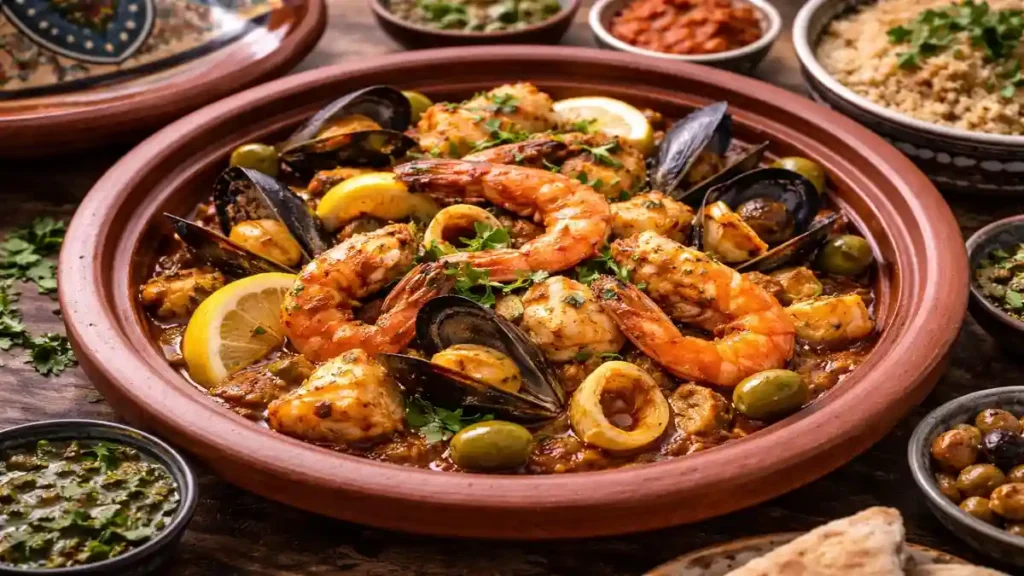
Morocco has excellent seafood, but where you eat it matters more than what’s on the plate. Along the coast, fish is part of everyday life. In places like Essaouira or Casablanca, seafood comes in fresh, moves quickly, and is cooked the same day. Locals know their fish, and they don’t mess around with it.
In inland cities, it’s different. Seafood still shows up on menus, but it hasn’t always traveled well, and it doesn’t always move fast. That’s when it becomes unpredictable. If fish smells strong, looks dry, or has been sitting out too long, most locals simply skip it without a second thought.
This doesn’t mean you should avoid seafood completely. It just means paying attention to place and context. On the coast, seafood is usually a safe and enjoyable choice. Far from the sea, it’s often better to stick with dishes the kitchen is clearly used to cooking every day.
Watching what locals order tells you a lot. If everyone around you is eating tagine or grilled meat and no one touches the fish, that’s usually your answer.
Overeating: A Quiet Mistake Many Travelers Make
This isn’t something people expect to be a problem, but it happens more often than you’d think. Moroccan food is rich, filling, and generous. Portions are not small, and meals tend to come with bread, sides, and tea. When everything is new and tastes good, it’s easy to eat more than usual without noticing.
For many travelers, the first few days are the hardest. Different oils, spices, eating times, and larger portions all arrive at once. When people push through that instead of slowing down, the stomach sometimes reacts not because the food is bad, but because it’s too much, too fast.
Locals don’t rush meals. They eat slowly, stop when they’re full, and don’t feel the need to finish everything on the table. Doing the same makes a big difference. Taking your time and listening to your body often prevents more problems than avoiding any specific dish.
Water, Ice, and Drinks: What Usually Causes Confusion
Water is one of those topics that gets exaggerated online. The reality in Morocco is simple. Locals drink tap water in many places without thinking about it, but travelers sometimes react differently, especially in the first days.
Most issues don’t come from food they come from water used in ways people don’t notice. Drinking tap water directly, brushing teeth with it on day one, or having ice in drinks can be enough to upset a stomach that isn’t used to it yet. That’s why many visitors feel fine eating local food but suddenly feel off after a drink.
Bottled water is easy to find everywhere and removes the guesswork, especially at the beginning of a trip. After a few days, some people relax about it, others don’t both are fine. What matters is being consistent.
One thing that usually surprises travelers is that mint tea is not a problem. The water is boiled, the tea is served hot, and it’s one of the safest drinks you can have here. Many people who avoid water completely still drink tea every day without any issue.
Ice is where people forget to be careful. Unless you’re in a hotel or restaurant that clearly caters to international guests, ice is often made from tap water. If you’re unsure, it’s easier to skip it than to guess.
Food and water concerns usually come down to small habits, not real danger. I explain that broader picture more clearly in Safety in Morocco.
Once people understand this, water stops being something to worry about. It’s just another small adjustment, like eating a little slower or choosing cooked dishes at the start.
Simple Hygiene Habits That Actually Help
A lot of people think staying healthy in Morocco is about avoiding food. It’s not. Most of the time, it comes down to a few small habits that locals follow without thinking about them.
Washing hands before eating matters more than people realize, especially when meals are shared and eaten with bread. Locals do this automatically. If you’re eating out or on the move, a quick hand wash or sanitizer before meals goes a long way.
Another thing locals pay attention to is how food looks and feels. If something has been sitting out too long, looks tired, or doesn’t smell right, it’s simply skipped. No explanation needed. Travelers sometimes feel bad walking away from food, but here it’s normal. There’s always something else nearby.
Eating where there’s movement also makes a difference. Busy places mean food is constantly being cooked and served. Quiet places with food sitting untouched are usually avoided, especially by locals. It’s not about cleanliness signs on the wall it’s about how fast food moves from kitchen to plate.
And finally, don’t try to control everything. Morocco isn’t a place where you calculate every bite. When people relax, eat slowly, wash their hands, and follow what locals are doing, they usually have no problems at all. Overthinking causes more stress than the food ever does.
Vegetarian Eating in Morocco: Easier Than People Expect
Being vegetarian in Morocco is usually simpler than travelers imagine. A lot of traditional food already leans heavily on vegetables, beans, and grains, especially outside of special occasions. Vegetable tagines, lentils, chickpeas, cooked salads, bread, and couscous are part of everyday meals, not alternatives.
What matters most is communication. Many dishes look vegetarian but are cooked with meat stock or a small amount of meat added for flavor. Locals don’t always think of that as “meat” in the way visitors do. That’s why it’s important to ask clearly, especially in small places. Once people understand, they’re usually happy to adapt.
Vegetable tagines are a safe choice almost everywhere. They’re cooked slowly, served hot, and common enough that kitchens know how to prepare them well. Couscous with vegetables is also widely available, though it’s worth checking whether meat broth is used.
Vegetarians often do best when they keep things simple. Ordering familiar dishes, eating where locals eat, and not trying to customize too much makes meals easier and more enjoyable. Morocco may not label food as vegetarian, but the food itself often already fits.
Frequently Asked Questions About Food in Morocco
Is Moroccan food safe for travelers?
Yes, most of the time it is. Problems usually don’t come from Moroccan dishes themselves, but from small habits like drinking tap water too early, eating raw vegetables in the wrong place, or rushing meals. When food is cooked fresh, served hot, and eaten the way locals eat it, it’s generally very safe.
Is street food safe to eat in Morocco?
It can be, and many locals eat it every day. The key is where and how. Busy stalls with food cooked in front of you are usually a good sign. Places where food has been sitting around for a while are better skipped. Street food isn’t about being brave it’s about choosing wisely.
What food should tourists avoid in Morocco?
Raw vegetables in small local cafés, unpasteurized dairy from markets, seafood far from the coast, and anything that looks like it’s been sitting too long are the main things to be careful with. Locals avoid these situations too, so following their lead usually works.
Is Moroccan food spicy?
Not really. Moroccan food is flavorful, but it’s not spicy in the way people expect. Spices are used for aroma and depth, not heat. If you’re sensitive, you can always ask for something mild, but most dishes are already gentle.
Can vegetarians eat well in Morocco?
Yes, much easier than many people think. Vegetable tagines, lentils, chickpeas, bread, couscous, and cooked salads are common. The main thing is to ask clearly if meat stock is used, especially in smaller places. Once that’s clear, meals are usually simple and satisfying.
Is tap water safe to drink in Morocco?
Locals drink it in many places, but travelers sometimes react differently, especially at the beginning. Bottled water is easy to find and removes the guesswork. Mint tea is safe because the water is boiled. Ice is something to be careful with unless you’re in a hotel or restaurant used to international guests.
What should I eat on my first day in Morocco?
Many travelers do best starting with simple, cooked dishes like tagine, harira, bread, and mint tea. These are familiar, filling, and easy on the stomach. After a day or two, most people feel comfortable trying more things.
Final Thoughts from a Local
Eating well in Morocco isn’t about being careful or adventurous. It’s about paying attention. When people eat what’s cooked fresh, served hot, and eaten the way locals eat it, food becomes one of the easiest parts of the trip.
Most problems don’t come from Moroccan dishes. They come from rushing, overthinking, or trying to eat the same way you would back home. Slow meals, simple choices, and a little awareness go a long way here.
Morocco rewards people who take their time. Sit down, eat slowly, drink tea, and don’t feel the need to try everything at once. The food will still be there tomorrow.
Once you understand what to eat in Morocco and how locals approach food, meals stop being a concern and start becoming part of the experience.