Morocco Travel Guide (2026) – Real Advice From a Licensed Local Tour Guide
Everything You Need for a Safe, Easy & Unforgettable Trip
Morocco is not a country you visit casually. It’s layered, intense, and diverse. In one trip, you can move from the Sahara Desert to snow-capped mountains, from medieval medinas to modern cities, from Atlantic fishing ports to blue mountain towns.
Many travelers search for a complete Morocco travel guide because planning here is different from planning a typical European city break. Distances are longer, climates vary by region, and cultural expectations matter. A well-structured plan makes the difference between a rushed trip and a rewarding one.
But Morocco is also misunderstood.
Many first-time travelers arrive with unrealistic expectations. They either expect chaos and danger, or a perfectly organized tourist destination. The truth is somewhere in between.
I’m Kamal, a licensed Moroccan tour guide based in Marrakech. I guide travelers across Morocco every year from private desert tours to mountain expeditions and city explorations. This Morocco Travel Guide is based on real experience helping visitors plan smooth, realistic, and unforgettable trips.
If you’re planning to visit Morocco, this guide will help you understand:
• Where to go and how regions differ
• How many days you really need
• When to visit based on climate
• What Morocco actually costs
• How transport works
• What to expect culturally
• How to avoid common first-time mistakes
Morocco rewards travelers who plan wisely. This guide gives you the structure to do exactly that.
What You Should Know Before Traveling to Morocco
Morocco is welcoming and culturally rich, but it can feel overwhelming if you arrive without context.
The country operates differently from Western Europe or North America. It is more social, more interactive, and sometimes more direct. In cities like Marrakech or Fes, you will experience busy streets, people offering help, negotiation culture, and strong personalities.
Most first-time travelers don’t struggle because Morocco is unsafe. They struggle because they don’t understand how daily life works here.
Once you understand:
• How to move through a medina confidently
• How to say no politely
• How pricing and negotiation work
• How locals communicate
Your experience changes completely.
Morocco becomes easier, smoother, and much more enjoyable.Preparation is the difference.Understanding Morocco before arrival reduces stress, improves safety, and allows you to focus on the experience instead of logistics. The goal is not to control everything it is to arrive informed.
Morocco at a Glance: What This Travel Guide Covers
Morocco is one of the most beautiful and welcoming countries in the world. From the busy souks of Marrakech to the peaceful blue streets of Chefchaouen, from the Atlantic coast to the Sahara Desert Morocco offers experiences you won’t find anywhere else.
This guide covers:
I’m Kamal, an official Moroccan tour guide, and I’ll help you explore Morocco in a simple and stress-free way. Let’s begin your journey.
🌟 Why Visit Morocco?
Morocco is not a single-type destination. It’s one of the few countries where you can experience desert, mountains, ocean, medieval cities, and modern infrastructure in one trip.
What makes Morocco special is contrast.
In a single week, you can:
• Walk through a 1,000-year-old medina in Fes
• Sleep under the stars in the Sahara Desert
• Cross the High Atlas Mountains
• Drink mint tea on a Marrakech rooftop
• Eat fresh seafood by the Atlantic coast
Few countries offer this level of diversity within a relatively short travel radius.But Morocco is not only about landscapes.
Cultural Depth
Morocco has a layered identity shaped by Amazigh (Berber), Arab, Andalusian, African, and French influences. You see this mix in architecture, cuisine, language, and daily life.
Unlike destinations built purely around tourism, Morocco has strong local identity. Markets are real markets. Neighborhoods are lived-in. Traditions are active, not staged.
Travel Accessibility
Morocco is easier to travel than many first-time visitors expect.
Major cities are connected by train.
Road infrastructure between main routes is solid.
Tourism services are well developed in key areas like Marrakech, Fes, and the Sahara region.
For travelers coming from Europe, Morocco is only a short flight away, yet feels completely different culturally.
Value for Money
Compared to Western Europe, Morocco offers strong value.
Accommodation ranges from budget guesthouses to luxury riads.
Food is affordable and high quality.
Private drivers and desert tours are accessible at different price levels.
You can build a comfortable mid-range experience without extreme spending.
Safe and Welcoming
Morocco is generally safe for couples, families, and solo travelers.
Like any popular destination, awareness is important especially in busy medinas but violent crime targeting tourists is rare.What many travelers remember most is not the architecture or the desert.
It’s the hospitality.
Moroccan culture places strong importance on welcoming guests. Tea is offered before business is discussed. Conversations are direct but often warm.
Who Morocco Is Perfect For
Morocco works especially well for:
• First-time visitors to North Africa
• Couples looking for a mix of culture and adventure
• Families wanting variety
• Photographers
• Travelers who enjoy sensory, immersive destinations
It may not be ideal for travelers who prefer extremely structured, quiet, or highly predictable environments.Morocco is dynamic.That’s part of its appeal.
Top Places to Visit in Morocco
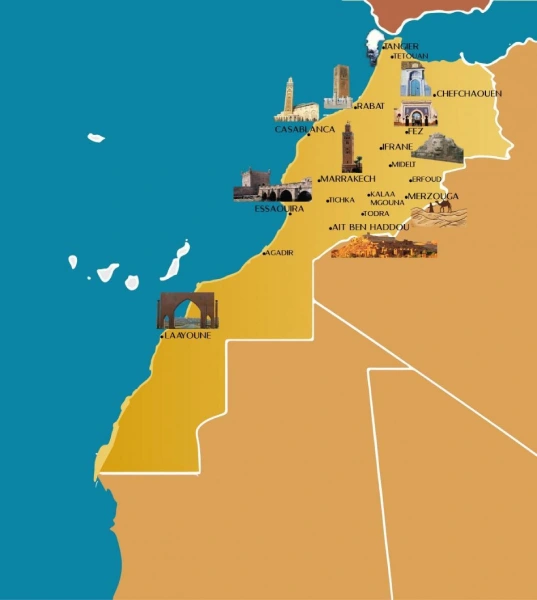
Morocco offers a wide variety of destinations, each with a different atmosphere and travel rhythm. Choosing where to go depends on how much time you have and what type of experience you’re looking for culture, adventure, relaxation, or a mix of everything.
Below are the most important cities and regions to consider when planning your Morocco itinerary.
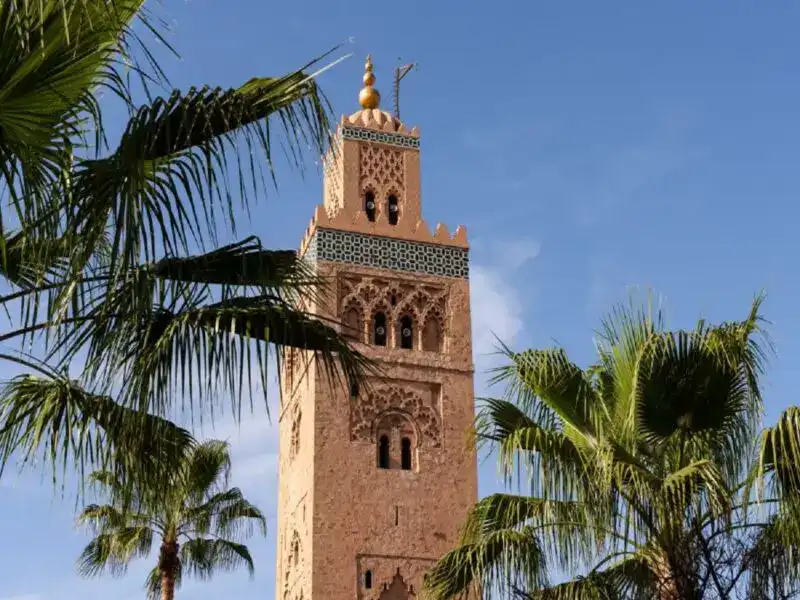
Marrakech is the most visited destination in Morocco and often the starting point for first-time travelers. Itcombines history, energy, architecture, and easy access to nature.What makes Marrakech special is contrast. Inside the medina, you’ll find centuries-old riads, narrow alleys, and traditional souks. Just outside the old city, there are modern restaurants, luxury hotels.
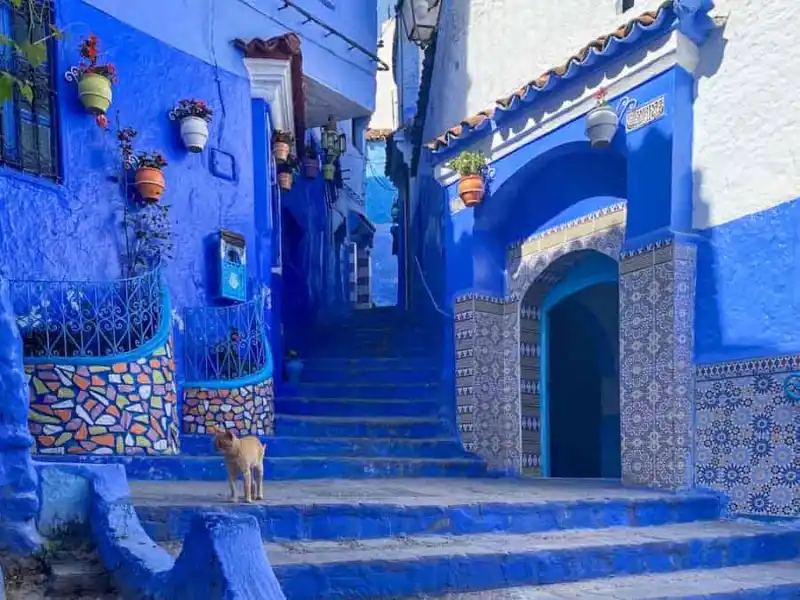
Located in the Rif Mountains, Chefchaouen is known for its blue-painted streets and relaxed atmosphere.
It’s smaller and slower than Marrakech or Fes.
Best for:
• Photography
• Couples
• Relaxed travel pace
• Short 1–2 night stay
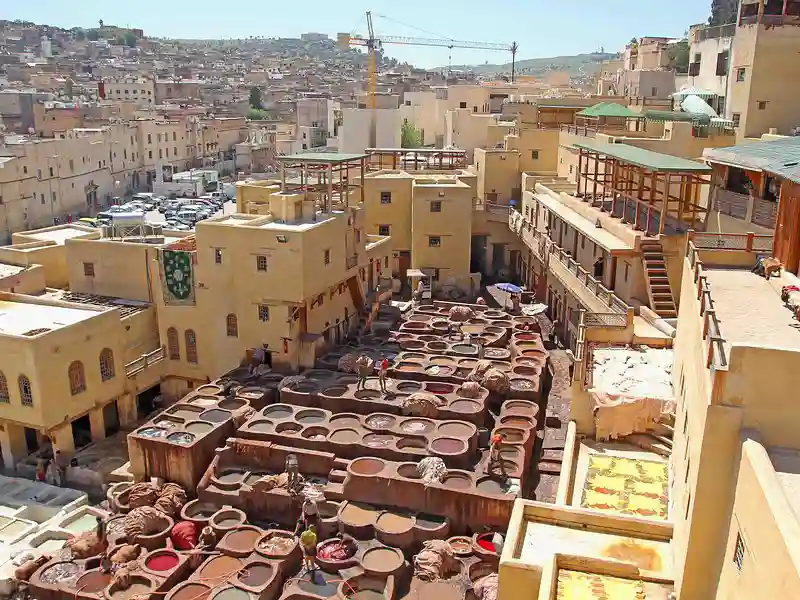
Fes is home to one of the oldest medinas in the world. Unlike Marrakech, Fes feels more traditional and less commercial.
Expect:• Historic madrasas
• Traditional tanneries
• Deep artisan culture
• Strong religious heritage
Fes works best for travelers interested in history and cultural depth.Ideal stay: 2 days.
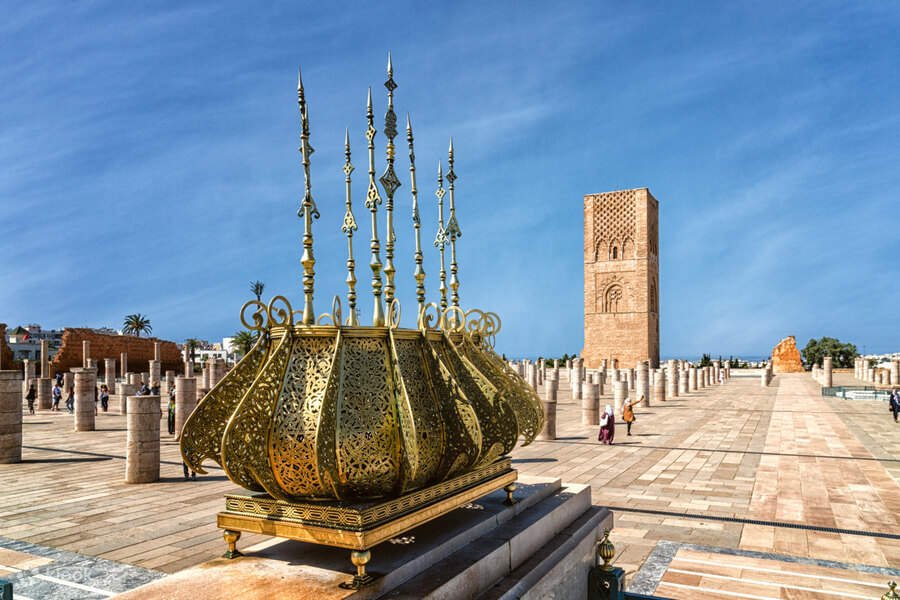
Rabat is Morocco’s capital and one of the cleanest and most organized cities in the country.
It offers:
• Historic kasbahs
• Ocean views
• Wide boulevards
• Less tourist pressure
Rabat is often skipped, but it’s a good stop between Casablanca and Fes.
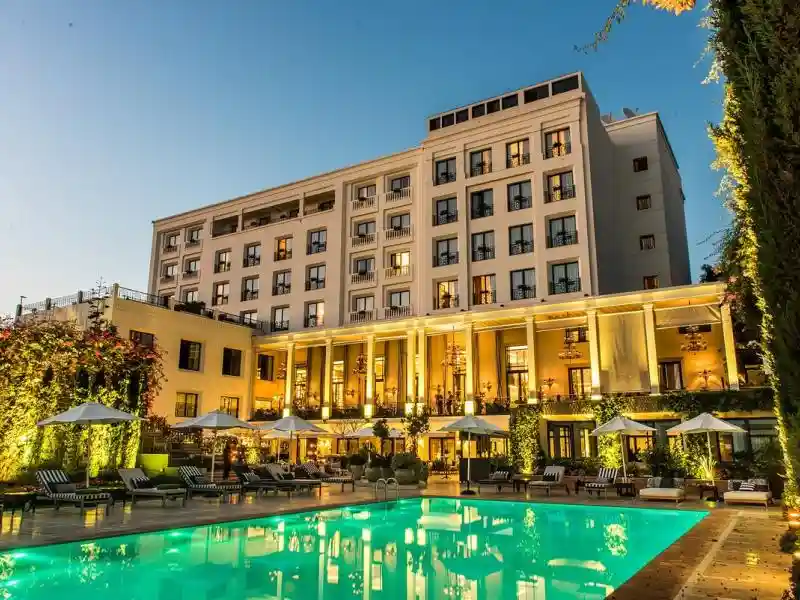
Casablanca is Morocco’s economic center. It is modern and busy, not traditionally picturesque like other cities.Main highlight:Hassan II Mosque one of the largest mosques in the world and open to non-Muslimvisitors.Most travelers stay 1 night max.
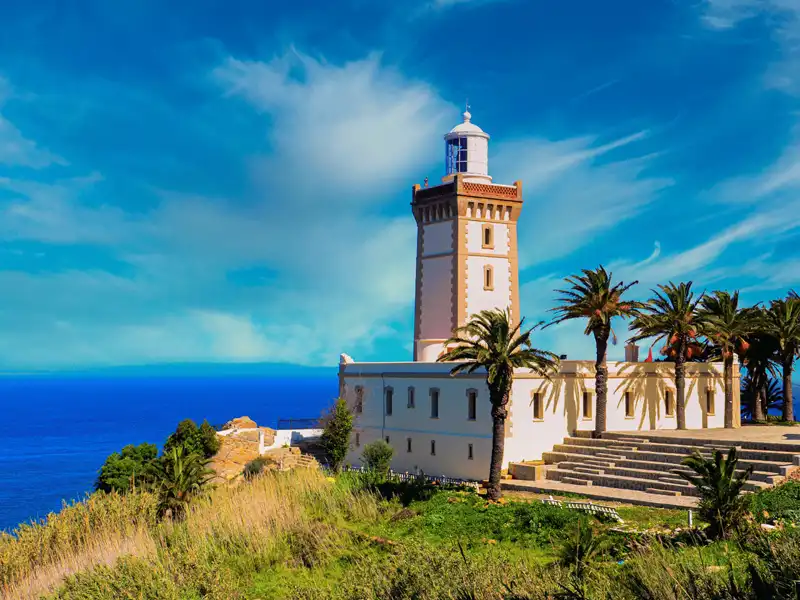
Tangier sits on the northern coast overlooking Spain. It has a strong European influence and a creative artistic history.
Good for:
• Coastal walks
• History
• Connecting north to south
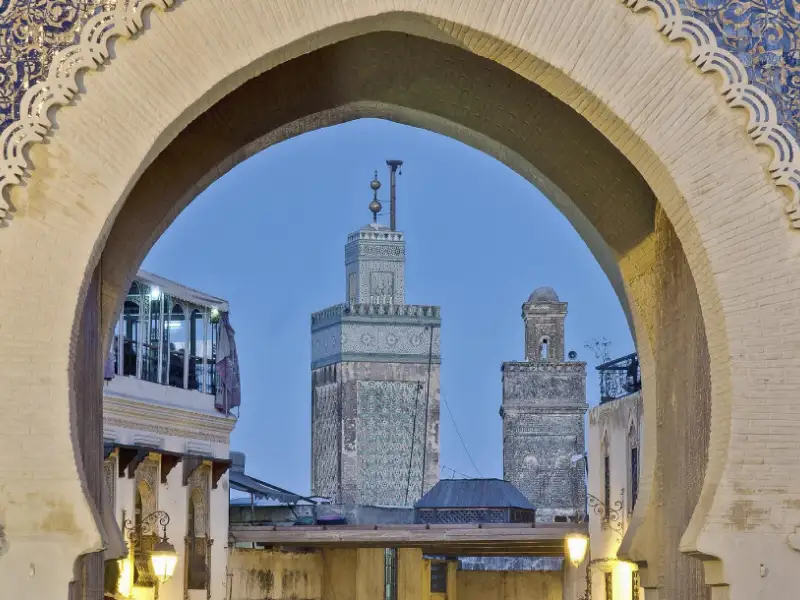
Essaouira is a relaxed coastal town with white-and-blue architecture and fresh seafood.It’s a perfect break after Marrakech.
Ideal stay: 2 nights.
Best for:• Relaxation• Surfing
• Seafood
• Slower pace
Merzouga – Sahara Desert
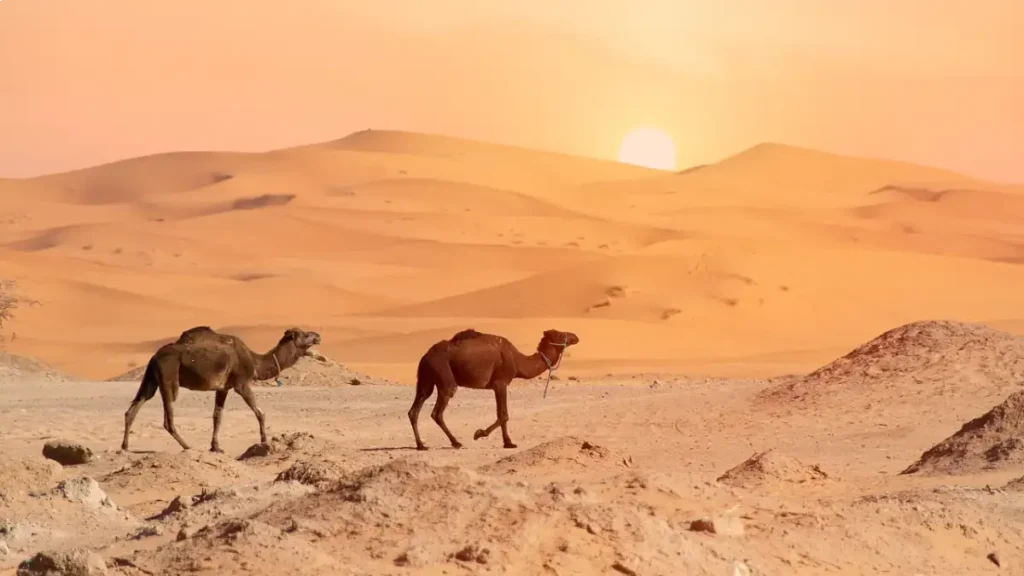
Merzouga is the entry point to Erg Chebbi dunes.This is where most travelers experience:
• Camel rides
• Desert camps
• Sunset dunes
• Star-filled skiesA Sahara tour usually requires 2–3 days from Marrakech or Fes.
Yes!! Morocco is generally one of the safest countries for tourists in North Africa. Millions of travelers visit every year without serious problems.That said, safety in Morocco is mostly about awareness, not fear.
Violent Crime
Violent crime targeting tourists is rare, especially in major destinations like Marrakech, Fes, Rabat, Tangier, and Chefchaouen. Police presence in tourist areas is visible, and tourism is a major part of the economy.
Most visitors feel safe walking during the day in busy areas.
What Travelers Actually Experience
The most common issues are not dangerous they are social or logistical:
• Overly persistent street sellers
• Unofficial “guides” offering directions
• Taxi drivers not using meters
• Overpriced tourist shops
• Confusion inside large medinas
These are inconveniences, not threats.
Understanding how to respond calmly makes a big difference.
Practical Safety Tips
• Walk confidently and avoid looking lost
• Politely decline unwanted help
• Keep your phone secure in crowded areas
• Avoid empty alleys late at night
• Use licensed taxis or rides arranged by your hotel
• Confirm taxi price before starting if the meter isn’t used
Common sense goes a long way here.
Solo Female Travelers
Many solo female travelers visit Morocco successfully. Dressing modestly outside beach areas reduces unwanted attention. Ignoring comments and continuing confidently is usually enough.
Like in any country, awareness matters but Morocco is not uniquely unsafe.
Cities That Feel Easiest
Rabat, Chefchaouen, Essaouira, and Tangier often feel calmer.
Marrakech and Fes feel more intense due to busy medinas not because they are more dangerous.
My Honest Opinion as a Local Guide
Morocco is safe but it is interactive. If you expect silence and distance, it may feel overwhelming at first. If you understand the culture, it becomes comfortable very quickly.
Most travelers leave surprised at how safe and welcoming they felt.
If you’re heading north, don’t miss my Things to Do in Tangier guide, where I share how to explore the city’s Medina, Kasbah, coast, and cafés from a local perspective.
One thing I always explain in my Morocco Travel Guide is how different each season feels depending on where you travel coast, desert, mountains, or imperial cities.
🍃 Spring (March–May)
Perfect temperatures, green landscapes, ideal for Sahara trips.
🍁 Autumn (September–November)
Warm days, cool nights, best for city tours.
🌞 Summer (June–August)
Great for beaches: Agadir, Tangier, Essaouira, Dakhla.
Hot in the desert and Marrakech.
❄️ Winter (December–February)
Mild temperatures in cities.
Snow in the Atlas Mountains.
Perfect for cultural trips.
As a local guide, I always tell travelers that timing matters in Morocco. Temperatures, crowds, and experiences change by season. See our full Best Time to Visit Morocco guide to choose the perfect months for your trip.
Most countries can enter Morocco visa-free for 90 days:
USA
Canada
UK
EU
Australia
New Zealand
If you’re from a country that needs a visa, apply at the Moroccan consulate.
You need:
Valid passport (minimum 3 months)
Return ticket
Accommodation address
Visa requirements depend on your nationality. To avoid surprises at the airport, read our complete Morocco Visa Guide before planning your trip.
Food:
Street food: 10–25 MAD
Restaurants: 60–150 MAD
Fine dining: 250–400 MAD
Transport:
Taxi: 10–25 MAD
Train: 50–180 MAD
CTM bus: 30–120 MAD
Private driver: 400–800 MAD/day
Hotels:
Budget: 250–400 MAD
Mid-range: 450–900 MAD
Luxury: 1200–3000+ MAD
For a full breakdown of prices, see our Morocco travel costs guide.
One detail many travelers overlook is tipping. In Morocco, tips are usually small but common in cafés, local restaurants, and with drivers or guides. Knowing what’s normal helps you budget better and avoid awkward moments.
Learn more in our guide to tipping in Morocco.
Understanding money in Morocco helps avoid common travel mistakes
Traveling in Morocco is easy:
🚄 Trains ONCF trains connect major cities:
Marrakech → Casablanca → Rabat → Tangier.
Very safe and comfortable.
🚌 Buses CTM & Supratours are reliable for smaller towns.
🚕 Taxis & Bolt Cheap and easy to find in cities.
🚙 Private Driver Best for day trips, Sahara tours, and comfort.
Getting around the country is one of the most important parts of planning a smooth trip. Morocco offers trains, buses, taxis, private drivers, and domestic flights, but each option works best in specific situations. To avoid wasting time or money, I’ve explained everything in detail in my Morocco Transportation Guide, including real prices, when to use each option, and common mistakes travelers make.
Moroccan food is rich, warm, and full of flavor.
Here are classics you must try:
Tajine (chicken lemon, lamb prune, kefta)
Couscous (Friday tradition)
Harira soup
Pastilla
Zaalouk
Fresh seafood in coastal cities
Mint tea (our national drink)
Food is safe, clean, and delicious.
Comfortable walking shoes
Light clothes + 1 warm layer
Small backpack
Sunscreen & sunglasses
Power bank
Scarf for sun or modest areas Flip-flops for riads
Clothes for desert nights (can be cold)
Swimsuit
Before you fly, use my Morocco Packing List Guide for what to pack (and what most travelers get wrong).
Say “Salam” to greet
Ask before taking photos
Bargaining is normal
Dress modestly in Medinas
Friday is prayer day
Accept mint tea it’s hospitality
Understanding culture and etiquette in Morocco helps travelers navigate daily interactions with confidence, especially during a first visit.
Weather by Month
January: Cool & calm
February: Mild
March: Spring starts
April: Perfect
May: Warm & sunny
June: Beach season
July: Hot inland
August: Very hot
September: Perfect weather
October: Best month
November: Cool and sunny
December: Mild days, cold nights
April: Fes Sacred Music Festival
June: Mawazine & Gnaoua Festival
August: Imilchil Marriage Festival
September: Oasis Festival
Year-round: Sahara desert cultural events
Marrakech: Medina – Gueliz – Hivernage
Casablanca: Corniche – Maarif
Rabat: Hassan – Agdal
Tangier: Marshan – Medina
Chefchaouen: Inside the Blue Medina
Fes: Fes el Bali
Merzouga: Desert camps in Erg Chebbi
Kamal’s Top Tips for First-Time Travelers
This Morocco Travel Guide includes all the practical tips travelers ask me about every day during my tours.
Stay inside or near the Medina in every city
You’ll be close to sights, food, and culture. It’s also safer and easier.
Choose riads over hotels
Riads are authentic, beautiful, and offer a real Moroccan experience.
Download Indrive before you arrive
It’s easier and safer than hailing random taxis (Casablanca, Marrakech, Tangier, Rabat).
Travel early in the morning for long drives
Especially Marrakech → Merzouga or Fes → Chefchaouen.
Keep your passport photo on your phone
Useful for hotel check-ins and desert camp bookings.
Ask for prices politely before buying anything
This avoids misunderstandings in souks.
Don’t try to fix everything alone
If you feel unsure, ask your riador message me anytime.
Learn 3 easy Moroccan Arabic words:
Salam (hello) Choukran (thank you) Bshwia (slowly / take it easy)
Locals will love you for it.
If you’re ready to organize your journey step-by-step, visit → Plan Your Trip for flights, safety, budget tips, itineraries, and more.
Sahara Desert Guide
The Sahara is one of the greatest experiences in Morocco.
Most travelers choose:
🟧 Merzouga (Erg Chebbi Sands)
Huge golden dunes, luxury camps, camel rides.
🟫 Zagora Desert
Closer to Marrakech, good for quick trips.
🟩 Erg Chigaga (Wild Desert)
Remote, adventurous, nomadic experience.
Morocco Itineraries
🟦 7 Days in Morocco
Marrakech Desert trip
Fes OR Casablanca
🟩 10 Days in Morocco
Marrakech Atlas Mountains
Desert (Merzouga) Fes
Chefchaouen
Tangier
🟧 14 Days in Morocco
❓ FAQs – Honest Answers From Your Local Moroccan Guide
Is Morocco safe for tourists?
Yes, Morocco is very safe for visitors. I guide families, solo women, seniors, and couples every day, and everyone feels comfortable. Violent crime is extremely rare, tourist police are everywhere, and locals are helpful.
Just follow simple travel sense: use official taxis, keep your phone secure, ignore fake “guides,” and stay in central areas at night.
Can women travel alone in Morocco?
Absolutely. Solo women travel safely in Morocco every day. Just dress modestly in old Medinas, walk confidently, and use Bolt or trusted taxis at night. Moroccan people respect tourists, and you’ll often meet friendly women in shops and cafés. If you ever feel unsure, ask your riad or message me I’m always happy to help.
What is the best time to visit Morocco?
March–May and September–November are perfect months: warm, sunny, and ideal for sightseeing.
Summer (June–August) is great for beaches but hot in Marrakech and Fes.
Winter is mild and perfect for city trips or Sahara tours.
Do I need cash, or can I use a credit card?
You’ll need both.
Big hotels, restaurants, malls, and supermarkets accept credit cards.
But small shops, taxis, local restaurants, and souks are cash only.
ATMs are everywhere, so it’s easy to withdraw Moroccan dirhams (MAD).
What should I wear in Morocco?
Morocco is a modern Muslim country, so dress respectfully, especially in old Medinas.
Men: T-shirts and shorts are fine.
Women: Dresses, jeans, covered shoulders (if entering mosques or religious places).
At the beach and in resorts, regular beachwear is normal
How many days do I need to see Morocco?
If it’s your first visit:
7 days → Marrakech + Desert
10 days → Marrakech + Fes + Desert
12–14 days → North (Tangier/ Chefchaouen) + Imperial cities + Sahara
Morocco is big, so plan your route well — or ask me, and I’ll help you build your perfect itinerary.
Is the tap water safe?
In big cities, tap water is treated, but I always advise travelers to drink bottled water. It’s cheap and safer, especially if you have a sensitive stomach.
How do I get from Marrakech to the Sahara Desert?
Most travelers go to Merzouga or Zagora.
You can go by:
A private driver (best option: safe, flexible, scenic)
CTM bus (budget option)
4×4 desert tours
The road is beautiful through the Atlas Mountains. Contact me if you need a driver or full tour.