Things to Do in Fes – A Local Guide’s Honest View
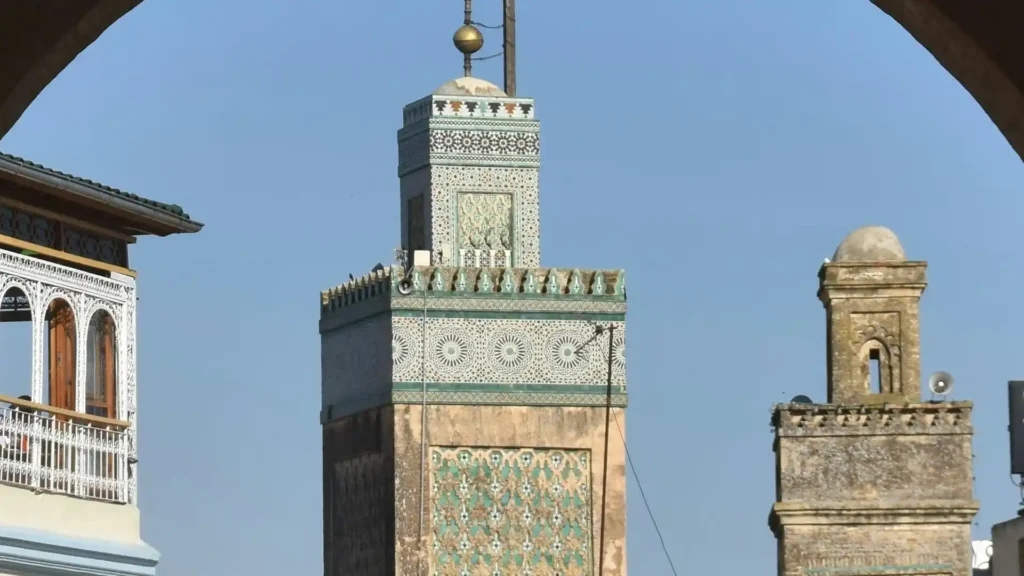
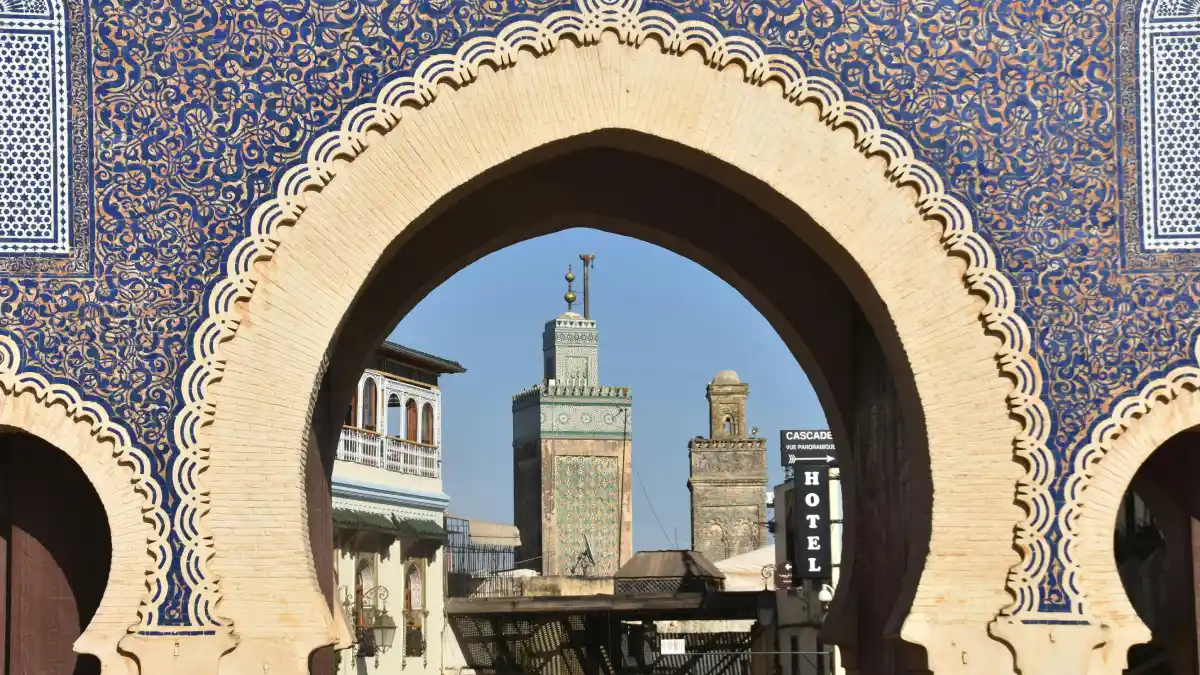
When people search for things to do in Fes, they often expect a list of attractions, but Fes is not a city you rush through. It’s not a city that explains itself easily. Many travelers arrive in Fes expecting something similar to Marrakech, only to realize very quickly that this city plays by different rules. Fes is quieter, deeper, and more traditional. It doesn’t try to impress you at first glance; instead, it slowly reveals itself to those who are patient enough to listen.
I’ve guided travelers across Morocco for years, and I always tell them the same thing: if Marrakech is the heart of modern Moroccan energy, then Fes is the soul. It’s a city where daily life still follows rhythms set centuries ago, where craftsmanship is not performed for tourists but practiced for survival, and where history is not behind glass it surrounds you.
This guide is not about rushing through a checklist of attractions. It’s written to help you understand Fes, feel comfortable inside it, and experience it with respect rather than confusion. If you allow the city to slow you down, Fes becomes one of the most rewarding places in Morocco.
Understanding Fes Before You Start
The most important thing to understand about Fes is that it is not designed for visitors and that is exactly what makes it special. Fes is the oldest of Morocco’s imperial cities, and its historic Medina, Fes el-Bali, is one of the largest car-free urban areas in the world. Life here continues much as it has for hundreds of years, shaped by tradition, religion, and community.
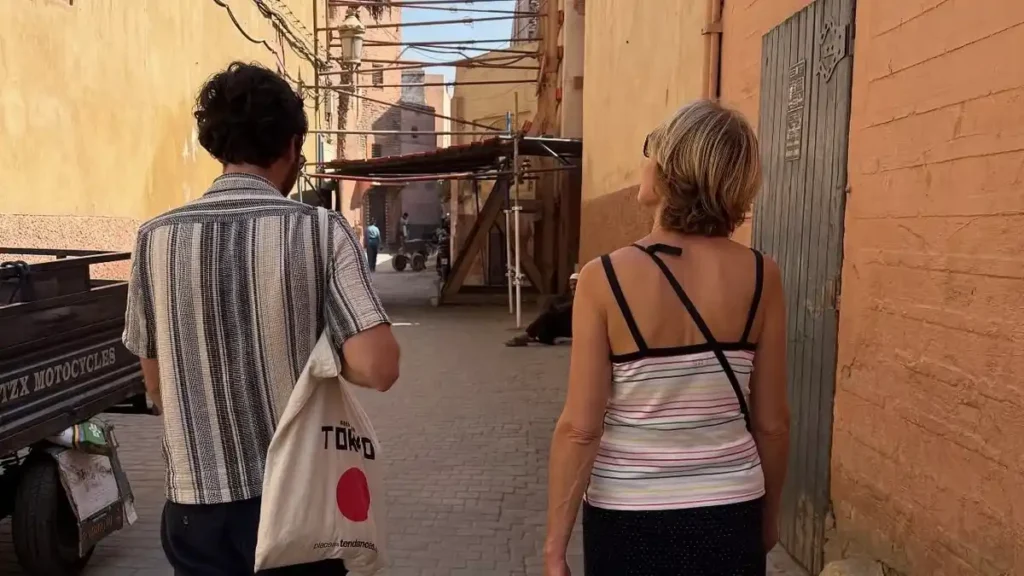
First-time visitors often feel overwhelmed, especially inside the Medina. The streets are narrow, signs are rare, and sounds echo from every direction. Donkeys replace cars, workshops open directly onto alleyways, and daily life unfolds without pause. Feeling lost here is normal and in many ways, it’s part of the experience.
The key to enjoying Fes is to arrive with the right mindset. This is not a city to conquer with maps and schedules. It’s a city to explore slowly, with curiosity and respect. Once you stop trying to control the experience, Fes begins to make sense and that’s when it truly opens up.
Getting Lost in Fes el-Bali (That’s the Point)
Fes el-Bali is not a place you “navigate” it’s a place you surrender to.The Medina is a living labyrinth of more than 9,000 narrow streets, and many of them have no names, no signs, and no clear direction. At first, this can feel intimidating. But once you stop trying to find the fastest way somewhere, the experience completely changes.
Walking through Fes el-Bali is like stepping inside a world that never stopped evolving. You’ll pass brass workshops where artisans shape metal by hand, bakeries where families still bake their bread in communal ovens, and small shops that have served the same neighborhood for generations. The smells of leather, spices, wood, and fire mix in the air, and every turn reveals something unexpected.
The best way to experience the Medina is without a strict plan. Choose a general direction, keep your phone in your pocket, and allow yourself to wander. You will get lost and that’s not a problem. Getting lost in Fes often leads to the most memorable moments, whether it’s discovering a quiet courtyard, watching an artisan at work, or sharing a smile with a local going about their day.
If you feel overwhelmed, pause. Step aside, let the flow of life move around you, and observe. Fes rewards those who move slowly and respectfully. Once you accept that there is no “wrong” path inside the Medina, the city becomes less confusing and far more meaningful.
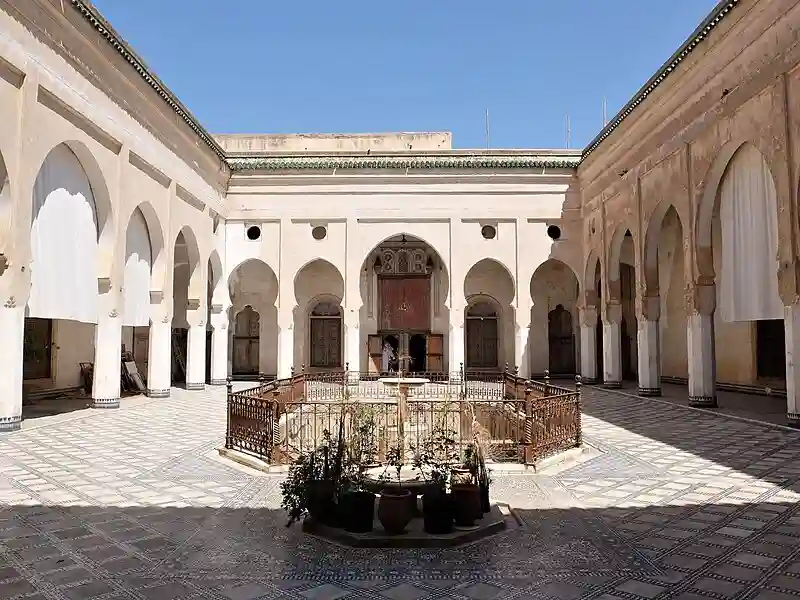
Al Quaraouiyine Mosque and the Soul of Fes
At the heart of Fes lies Al Quaraouiyine Mosque, a place that carries more than religious importance it carries the identity of the city itself. Founded in the 9th century, Al Quaraouiyine is widely recognized as the oldest continuously operating university in the world. For centuries, scholars from across North Africa, Andalusia, and the wider Islamic world came here to study theology, science, philosophy, and law.
Non-Muslims cannot enter the mosque, but that does not make the experience less meaningful. Standing at the entrance, watching students and worshippers move quietly in and out, you feel the weight of history and continuity. Life here follows rhythms set long before tourism existed, and that authenticity is what gives Fes its spiritual depth.
The streets surrounding Al Quaraouiyine are some of the most vibrant in the Medina. Bookshops, small libraries, and traditional workshops coexist in a way that feels natural rather than staged. This area reminds you that Fes is not a museum city it is alive, functioning, and deeply rooted in knowledge and faith.
If this is your first time visiting Morocco, my Morocco Travel Guide explains the cultural rhythms and traditions that shape cities like Fes and Marrakech.
The Tanneries of Fes – What to Expect
The tanneries of Fes are one of the city’s most famous sights, but they are also one of the most misunderstood. Many travelers arrive with mixed feelings because they’ve heard stories about strong smells, crowds, or pressure to buy. The truth is simpler: the tanneries are real working places, not tourist attractions created for show, and understanding that changes the experience completely.
For centuries, leather in Fes has been produced using traditional methods that have barely changed. Workers soak hides in stone vats, dye them with natural colors like saffron, indigo, and poppy flower, and leave them to dry under the sun. From above, the view is striking a patchwork of colors and movement that reflects the raw, hardworking side of the city.
Yes, the smell can be strong, especially on hot days, but it’s part of the process. Many shopkeepers offer mint leaves to soften it, and standing for a few minutes is usually enough to appreciate the scene. The best time to visit is late morning, when the light is good and the work is active.
It’s important to remember that the surrounding terraces belong to leather shops. You are not required to buy anything just because you were invited to look, and a polite “no, thank you” is always enough. When approached with respect, the tanneries offer one of the most honest glimpses into the working life of Fes.
Food in Fes – Slow, Traditional, and Deeply Rooted
Food in Fes is not about trends or presentation, it’s about tradition and time. This is where Moroccan cuisine feels most untouched, shaped by families rather than restaurants. Meals are cooked slowly, often following recipes passed down through generations, and food is meant to be shared, not rushed.
One of the most famous dishes here is pastilla, a unique mix of sweet and savory flavors layered with thin pastry, almonds, and spices. It’s a dish that reflects the city itself complex, refined, and deeply rooted in history. You’ll also find rich harira soups, slow-cooked tagines, and simple meals made from fresh ingredients bought daily from local markets.
What makes eating in Fes special is not just the food, but the atmosphere. Small neighborhood restaurants, traditional homes, and quiet courtyards offer experiences that feel personal rather than commercial. The best meals are often found in places without signs or people calling you inside. If locals are eating there, it’s usually a good sign.
For travelers who want to understand Moroccan food beyond the plate, food tours and cooking classes can be a meaningful way to connect with local culture. Learning how dishes are prepared, how spices are chosen, and how meals are shared gives deeper insight into everyday life in Fes.
Day Trips from Fes – History and Nature Beyond the City
While Fes itself can easily fill several days, stepping outside the city adds important context to the experience. The region around Fes is rich in history and landscapes that feel very different from the dense streets of the Medina. A day trip allows you to slow the pace and see another side of northern Morocco.
One of the most popular trips is to Volubilis, the remains of an ancient Roman city surrounded by rolling hills. Walking among the columns and mosaics gives a powerful sense of how deep the layers of history run in this part of the country. Nearby Meknes, another imperial city, offers wide gates, open squares, and a calmer atmosphere compared to Fes.
Nature lovers often head south toward the Middle Atlas Mountains, where cedar forests and fresh air provide a peaceful contrast to the Medina. Depending on the season, you may see monkeys in the forests or snow in the winter months. These trips don’t require long travel times, but they offer a refreshing change of scenery.
Many travelers choose to organize these excursions in advance for convenience and local insight. If you prefer not to plan transport yourself, you can explore well-reviewed day trip options from Fes here 👉 See day trips from Fes.
Practical Advice from a Local
Fes rewards travelers who come prepared, not with plans, but with the right attitude. Comfortable walking shoes are essential because you will spend hours on your feet inside the Medina. The streets are uneven, sometimes slippery, and not designed for speed. Dressing modestly is also important, especially inside the old city, where daily life is deeply traditional and respectful behavior goes a long way.
Hiring a local guide for at least part of your visit can be very helpful, especially on your first day. A guide doesn’t just help with navigation, but with understanding what you’re seeing the crafts, the history, and the social rules that shape life in Fes. Even one guided walk can make the rest of your stay much easier and more enjoyable.
When it comes to accommodation, staying inside the Medina offers atmosphere and easy access to sights, while staying just outside makes transportation simpler. Both options work well depending on your travel style. Cash is still widely used in the Medina, so carrying small bills is useful, and asking before taking photos of people is always the respectful choice.
If you’re traveling onward in Morocco, you may notice how different Fes feels compared to other cities. For example, my guide to Things to Do in Marrakech shows how contrasting the energy, pace, and experience of these two imperial cities can be.
What are the best things to do in Fes for first-time visitors?
Fes el-Bali Medina, Al Quaraouiyine Mosque area, the tanneries, traditional food experiences, and exploring the old city on foot are highlights for first-time visitors.
How many days do you need in Fes?
Two days are enough to explore the Medina, while three days allow time for day trips like Volubilis or the Middle Atlas.
Is Fes safe for tourists?
Yes, Fes is generally safe for tourists. As in any historic city, visitors should stay aware of their surroundings and respect local customs.
Is it easy to get lost in Fes Medina?
Yes, getting lost is common in Fes el-Bali, but it’s part of the experience. Taking your time and staying calm makes it enjoyable.
Is Fes worth visiting compared to Marrakech?
Yes. Fes offers a deeper, more traditional experience, while Marrakech is more energetic and modern. Visiting both gives a complete view of Morocco.
Final Thoughts from a Local Guide
Fes is not a city that tries to impress you, and that is exactly why it stays with you long after you leave. It doesn’t offer easy paths or polished experiences. Instead, it invites you to slow down, observe, and accept that not everything needs to be understood immediately. For travelers who give it time, Fes becomes one of the most meaningful places in Morocco.
This city teaches patience. It shows you a way of life shaped by tradition, knowledge, and community rather than speed or appearance. Every sound, smell, and encounter is part of something real, not created for visitors. Once you stop trying to control the experience, Fes begins to speak for itself.
If you approach the city with curiosity and respect, it rewards you with moments that feel deeply personal a quiet courtyard, a shared smile, or a simple meal that tastes like history. That’s the real beauty of Fes, and it’s why I always encourage travelers to experience it with an open mind and an unhurried pace.
Some links in this article are affiliate links. This means that if you choose to book through them, I may earn a small commission at no extra cost to you. I only recommend experiences and services that I genuinely believe add value to your trip.