
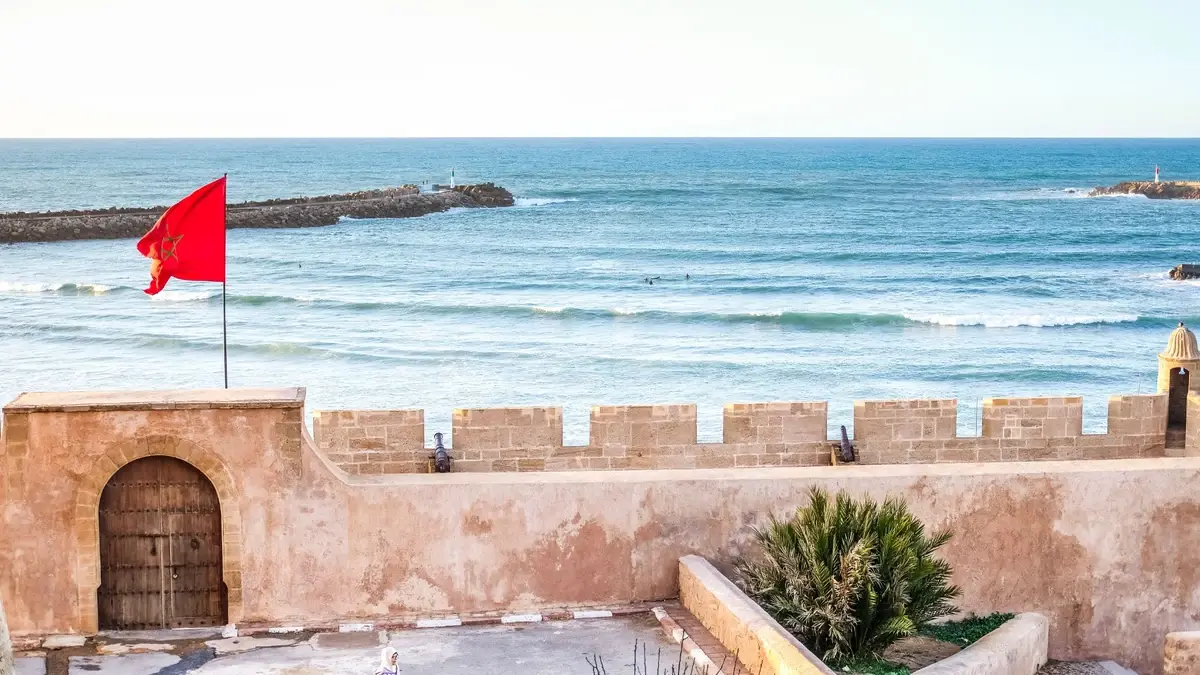
Rabat is Morocco’s capital, but it feels very different from Marrakech, Fes or even nearby Casablanca. The Medina is smaller, the streets are easier to navigate, the Atlantic is never far away and getting around the city is fairly straightforward.
I’m Kamal, a nationally licensed Moroccan tour guide based in Marrakech and guiding since 2006, and I think Rabat works especially well for travelers who want history and everyday Moroccan city life without spending the whole day dealing with crowds and busy souks.
Most visitors do not need a long stay here. One full day can cover the main highlights, while two days gives you enough time to slow down, visit Chellah, explore the Kasbah and Medina properly and enjoy the riverfront without rushing.
This Rabat travel guide focuses on the practical decisions that matter before you arrive: how long to stay, when to visit, which train station to use, how to get around and how Rabat fits into a wider Morocco itinerary.
For detailed attractions, use my Things to Do in Rabat guide. If you are choosing accommodation, go directly to my Rabat Hotels guide.
Table of Contents
Table of Contents
Rabat at a Glance
| Planning question | My advice |
|---|---|
| Is Rabat worth visiting? | Yes, especially for history, architecture and a calmer city experience |
| How long should you stay? | 1 full day minimum; 2 days is better |
| Best way to arrive | Train for most Morocco itineraries |
| Main train stations | Rabat Ville and Rabat Agdal |
| Airport | Rabat-Salé Airport (RBA) |
| Getting around | Walking, petit taxis and tram |
| Good first-stay areas | Medina, Hassan or central Rabat |
| Best for | Couples, families, culture lovers and travelers using Morocco’s rail network |
Is Rabat Worth Visiting?
Yes. I would include Rabat if your itinerary passes through northern or central Morocco and you can give the city at least one proper day.
What makes Rabat interesting is not that it has more monuments than Marrakech or a larger Medina than Fes. It does not.
Rabat works because several sides of Morocco sit close together. You have the old Medina, the Kasbah of the Udayas, the Hassan Tower area, the Bouregreg River, modern boulevards, museums and residential neighborhoods such as Agdal.
Rabat is also part of a UNESCO World Heritage property that includes both historic monuments and the modern city. That combination is important. Rabat is not only an old imperial city; it is also a functioning political and administrative capital.
I would particularly recommend it to travelers arriving in Morocco for the first time who want an easier city before moving into Marrakech or Fes.
It is also a useful stop if you are traveling by train between Casablanca, Fes and Tangier.
If you have a very short Morocco trip and must choose only two or three cities, Rabat may not be your first priority. But once you have enough time for a broader itinerary, I think it deserves its place.
Visiting Rabat in 2027
Rabat features in Lonely Planet’s Best in Travel 2027 selections. If that recognition has put Morocco’s capital on your list, my advice is to give it time beyond a quick stop at Hassan Tower.
For a first visit, I would allow one full sightseeing day, or two days if you want Chellah, a museum and time around the Kasbah and waterfront at an easier pace. Rabat fits naturally between Casablanca and Tangier or Fes, so look at your route before adding another long journey.
For a short overnight stay, start by comparing the Medina and Hassan. Check the hotel’s location against your arrival station and the sights you want to walk to. Compare Rabat areas, hotels and riads for your stay before booking.
How Many Days Do You Need in Rabat?
For most travelers, one or two days in Rabat is enough.
With one full day, you can see the historic center, visit the Kasbah of the Udayas, walk through part of the Medina, see Hassan Tower and the Mausoleum of Mohammed V and still have time for Chellah.
Two days is more comfortable. You can add a museum, spend more time around the Bouregreg, explore modern Rabat or cross into Salé without turning the visit into a race.
I would not normally recommend spending four or five sightseeing days in Rabat on a first Morocco trip unless you enjoy slow travel or are using the city as a base.
If you arrive late in the afternoon, do not count that as your sightseeing day. Stay the night and give Rabat a full day afterward.
Best Time to Visit Rabat
Rabat is on the Atlantic coast, so its climate is generally less extreme than inland cities.
Spring (March–May) is one of my favorite periods for Rabat. The days are comfortable for walking and gardens and public spaces are usually at their best.
Autumn (September–November) is also very good, especially if you want pleasant sightseeing weather without the stronger heat you may find farther inland.
Summer is warm and sunny, but the Atlantic influence usually makes Rabat easier than Marrakech during very hot periods. You should still protect yourself from the sun and avoid planning every outdoor stop for the middle of the afternoon.
Winter can bring cooler days and rain. It is still possible to enjoy the city, but bring a light waterproof layer and something warmer for evenings.
For choosing the season for your entire trip rather than Rabat alone, see my Best Time to Visit Morocco guide.
How to Get to Rabat
Rabat is one of the easier Moroccan cities to include in an itinerary because it has good rail connections, its own airport and straightforward road access.
Getting to Rabat by Train
For many visitors, the train is the easiest option.
Rabat sits on the main rail corridor connecting Casablanca with Kenitra and Tangier, while conventional services also connect the capital with Fes, Meknes and Marrakech.
If you are coming from Casablanca, the journey is short enough that Rabat can work as either an overnight stop or a day visit.
From Tangier, the Al Boraq high-speed service makes the journey particularly convenient.
Coming from Fes or Marrakech takes longer, but I would still normally choose the train over driving if you do not need a car afterward.
Schedules and fares can change, so check your specific train before traveling.
I explain ticket buying, first versus second class, foreign bank cards, stations and the Moroccan rail network in my Train Travel in Morocco guide.
Rabat Ville or Rabat Agdal: Which Train Station Should You Use?
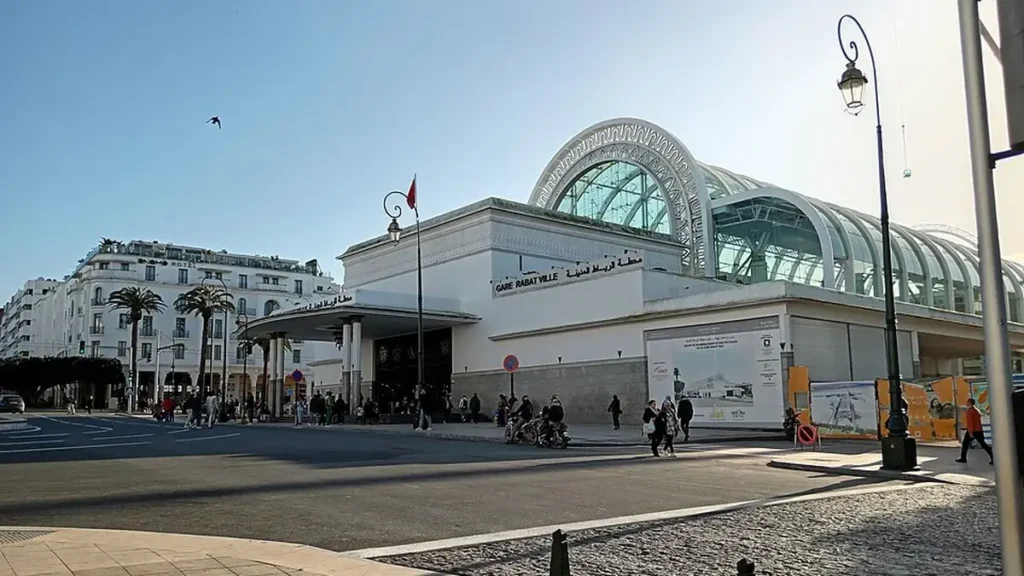
This is one detail that first-time visitors often overlook.
Rabat Ville is the more central station for travelers staying around central Rabat, Hassan or near the Medina. If your hotel is in the historic center, I usually check Rabat Ville first.
Rabat Agdal is farther south and makes more sense if your accommodation is in Agdal or nearby. Al Boraq high-speed trains use Rabat Agdal, not Rabat Ville. If you are arriving from Tangier on Al Boraq, plan your onward taxi or tram from Agdal even if your hotel is near the Medina.
Do not simply choose whichever Rabat station appears first when you book.
Check your hotel location and your exact train. Ten minutes spent doing that before travel can save you an unnecessary taxi ride after arrival.
If you are connecting trains, also make sure your next service leaves from the same Rabat station.
Flying Into Rabat-Salé Airport
Rabat-Salé Airport, usually shown as RBA, serves Rabat from the neighboring city of Salé.
It can be a very convenient airport if you find a direct flight that works for your trip.
Taxis are available at the airport, and ALSA operates a shuttle between Rabat-Salé Airport and Rabat Agdal train station. ALSA currently lists 25 MAD one way or 40 MAD return (return ticket valid for 15 days), with about 45–50 minutes between the airport and Agdal. Tickets can be bought onboard or at the airport kiosk, and ALSA says bank cards are accepted onboard. I would check the official timetable shortly before arrival because schedules can change.
If you land late, have children, carry a lot of luggage or are staying inside the Medina, arranging a transfer through your accommodation can make arrival easier.
Many international travelers also fly into Casablanca Mohammed V Airport and continue to Rabat. That can make sense when the Casablanca flight schedule or fare is better. Check the complete airport-to-Rabat connection rather than only a Casablanca city departure: a rail journey normally requires changing trains, and Casa-Port and Casa-Voyageurs are different stations. My Casablanca Airport transport guide explains the first leg.
If you are still comparing flights and arrival airports, see my Flights to Morocco guide.
Getting to Rabat by Car
Rabat is well connected by motorway, so arriving by car is not difficult.
The more annoying part is what happens after you arrive.
Parking around busy central areas can take time, and a car is not necessary for most sightseeing inside Rabat.
If you are renting a car for a larger Morocco road trip, choose accommodation with clear parking instructions and leave the car there while exploring the central sights.
Do not try to force your car deep into the Medina simply because your navigation app shows a road.
Getting Around Rabat

Rabat is easier to move around than many first-time visitors expect.
You can walk between several central areas, particularly around the Medina, Kasbah and central city. You will still need transport for some longer jumps, especially if you stay in Agdal, Souissi or farther from the historic center.
Rabat’s small taxis are blue. For short city rides they are useful, and I normally use them when walking would waste too much time. Ask the driver to use the meter; if a meter is not being used, agree on the fare before setting off. Keep small dirham notes for payment.
Rabat also has a modern tram network connecting different parts of Rabat and Salé. It is particularly useful if your route matches the tram rather than requiring several taxi journeys.
A standard tram ticket currently costs 7 MAD. The operator lists one hour of validity from the first validation, with a transfer to the other line allowed. Validate your ticket every time you board, including a transfer. Check the official tram ticket rules and route before traveling.
The important point is that you do not need to rent a car simply to explore Rabat.
How Much Does a Visit to Rabat Cost?
Rabat can be a reasonably affordable city break if you stay centrally, walk between nearby sights and use the tram. Your room and restaurant choices will make the biggest difference.
For a simple sightseeing day, I would set aside about 150–300 MAD per person for food, local transport and one paid attraction, excluding accommodation, intercity travel, airport transfers, shopping and a guide. This is a planning allowance, not a fixed daily price; restaurant choices and extra taxis can push it higher.
Some days cost less if you focus on outdoor walks. A day with several museums, longer taxi journeys or a special dinner needs a larger allowance.
For firm reference points, a standard tram ticket is currently 7 MAD and the ALSA airport shuttle is 25 MAD one way. Chellah lists standard individual entry at 70 MAD for adults over 25, or 120 MAD with an audioguide; youth, children and eligible residents have different rates. Check Chellah’s official prices and hours before your visit.
Compare accommodation for your actual dates in my Rabat Hotels guide. Keep some cash for small cafés, taxis and Medina purchases; my ATMs in Morocco guide explains withdrawals and fees.
What to See in Rabat: Quick Overview
The main historic sights are spread across a few parts of the city rather than hidden inside one enormous Medina.
Hassan Tower and the Mausoleum of Mohammed V are usually among the first places I recommend. The Kasbah of the Udayas gives you narrow streets, Atlantic views and a completely different atmosphere from the modern city.
Chellah adds another layer of Rabat’s history, while the Medina is useful for a slower walk, shopping and seeing everyday city life without the intensity of the larger souks in Marrakech.
The Bouregreg waterfront is worth including when you want a break from monuments, and the Mohammed VI Museum of Modern and Contemporary Art is a good addition for travelers interested in Moroccan art.
For opening hours, route ideas and more detail on each place, see my Things to Do in Rabat guide.
Where to Base Yourself in Rabat
For a short first visit, staying reasonably close to the historic center makes sightseeing easier.
The Medina suits travelers who want a riad-style stay and easy access to the old city.
Hassan is practical for a central location with good access to both historic and modern Rabat.
Agdal works better if you prefer a modern neighborhood with cafés, restaurants and shops.
Souissi is quieter and more residential, but less convenient if your priority is walking to the main sights.
For a full area-by-area comparison and hotel recommendations, see my Rabat Hotels guide.
What to Eat in Rabat
Rabat gives you a good mix of traditional Moroccan food and modern city restaurants.
You will find tajines, couscous, grilled meats and Moroccan salads throughout the city. Because Rabat is on the Atlantic and close to the Bouregreg, seafood is also easy to find.
The Medina is useful when you want more traditional surroundings. Agdal has a wider selection of modern cafés and restaurants and is one of the areas I would consider for dinner even if I were staying somewhere else.
Do not spend your entire visit eating only in the most obvious tourist locations beside monuments. Rabat is a working city, and some of the most enjoyable meals are found in normal neighborhoods rather than directly beside the main attractions.
If you are in Morocco on a Friday, you will also see couscous on many menus around lunchtime.
Shopping in Rabat: Keep It Simple
For a short stay, I would combine shopping with your Medina walk rather than set aside an entire day. Rue des Consuls is a useful starting point for traditional crafts, carpets and smaller souvenirs.
Compare a few shops before buying. Check materials and workmanship, and agree on the full price before paying. Bargaining can be part of a market purchase, while modern shops usually use marked prices.
If you are buying a large carpet or arranging shipping, ask for a written receipt with the item details, delivery cost and destination. A low purchase price does not tell you the total cost of getting it home.
For ideas and questions to ask sellers, read my What to Buy in Morocco guide.
How I Would Spend One Day in Rabat
If I had only one full day, I would keep the route simple rather than crossing the city repeatedly.
I would start around the Kasbah of the Udayas while the day is still comfortable, then walk through the Medina.
After that, I would continue toward Hassan Tower and the Mausoleum of Mohammed V.
After lunch, I would take a petit taxi to Chellah and allow about 60–90 minutes for the visit. Check closing time before you leave: the site currently lists 9am–6pm from October through March and 9am–8pm from April through September. Ramadan hours differ.
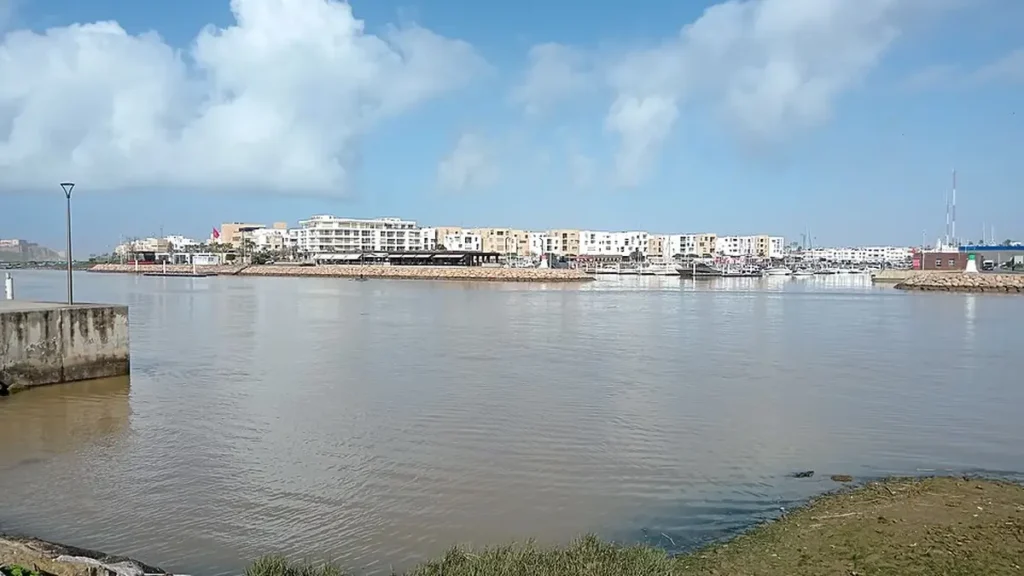
Toward sunset, I would finish around the Bouregreg or return toward the Kasbah and river area.
That gives you the main sides of Rabat with a few short transport journeys. If you arrive late, travel with young children or prefer a slower walk, move Chellah to the second day rather than rushing through every stop.
How I Would Spend Two Days in Rabat
With two days, I would keep the first day focused on the historic highlights and use the second day to see more of the city itself.
That could mean spending longer at Chellah, visiting the Mohammed VI Museum, walking through the modern center or having lunch in Agdal.
You could also cross the Bouregreg into Salé if you want to see a neighboring city with a more local pace.
I would not simply add more monuments because you have an extra day. Rabat is more enjoyable when the second day feels different from the first.
How Rabat Fits Into a Morocco Itinerary
Rabat works particularly well as a connecting city.
One natural route is Casablanca → Rabat → Fes. Use my Casablanca Travel Guide for the first stop and my Fes Travel Guide for planning the Medina visit afterward.
Another is Casablanca → Rabat → Tangier, especially if you are using the train. My Casablanca to Tangier guide explains the wider Al Boraq corridor. If you want to stop in Rabat, book the separate journey legs you need; do not assume a through ticket allows an overnight stop.
You can also travel Tangier → Rabat → Casablanca → Marrakech without needing a rental car for the city sections.
This is one reason I like Rabat for travelers who prefer using public transport. It does not require a large detour from Morocco’s main northern rail corridor.
If you are still deciding how to combine the country, compare the routes in my Morocco Itinerary: 7, 10 & 14 Days guide.
For broader country planning, start with my Morocco Travel Guide.
Is Rabat Safe for Tourists?
I generally find Rabat straightforward for visitors, but I would use the same normal precautions I recommend elsewhere in Morocco.
Keep your phone and wallet secure in busy areas, pay attention when crossing roads and avoid carrying more cash than you need.
At night, I prefer using a taxi when the walk back to the hotel would take you through unfamiliar or very quiet streets.
Around government buildings, embassies and royal or security-sensitive areas, respect signs and instructions and be careful with photography.
For the wider picture, including common tourist issues and practical precautions, read my Safety in Morocco guide.
Rabat Travel Guide: Tips for First-Time Visitors
Do not treat Rabat like Marrakech. If you arrive expecting enormous souks, constant entertainment and a Medina that takes hours to navigate, you may misunderstand what makes Rabat good.
The city is easier when you plan by area. Combine nearby places instead of jumping from the Kasbah to Agdal and back again several times in one day.
Check whether your train uses Rabat Ville or Rabat Agdal before you leave your hotel.
If you fly into Rabat-Salé Airport, check the current airport transport schedule shortly before arrival.
Wear comfortable shoes. Rabat may be easier to walk than Fes, but a full sightseeing day still means plenty of time on your feet.
Keep some flexibility in your schedule. Opening hours, access around official buildings and local events can occasionally affect a planned visit.
I would also avoid building your entire day around Google Maps walking times. A route that looks short on the screen may include busy crossings, hills or a section where taking a small taxi simply makes more sense.
Rabat FAQ
Is Rabat worth visiting on a first trip to Morocco?
Yes, if your itinerary gives you enough time. Rabat is particularly good for travelers who want history, Atlantic scenery and a calmer city between Morocco’s busier destinations.
Is one day enough for Rabat?
One full day is enough for the main highlights if you plan the route well. Two days is better if you want museums, more time at Chellah, Salé or a slower pace.
Can I visit Rabat as a day trip from Casablanca?
Yes. The rail connection makes Rabat one of the easier day trips from Casablanca. Start early so you have enough time in the city rather than spending most of the day traveling.
Which Rabat train station is best for tourists?
Rabat Ville is usually more convenient for the central city, Hassan and the Medina. Rabat Agdal can be better if you stay in Agdal or your particular train service uses that station. Always check the exact ticket.
Is Rabat walkable?
Yes, central Rabat is quite walkable. The Medina, Kasbah and Hassan area are easy to explore on foot. For Chellah, Agdal or Souissi, I would use a petit taxi or tram.
Do I need a car in Rabat?
No. I would not rent a car specifically for sightseeing in Rabat. Walking, taxis and public transport are enough for most visitors.
Rabat or Casablanca: which should I spend more time in?
They offer different experiences. Casablanca is Morocco’s larger commercial city and has the Hassan II Mosque as its major landmark. Rabat is smaller, more historic and generally easier for sightseeing on foot. If your itinerary allows it, I would not treat them as substitutes for each other.
Is Rabat good for families?
Yes. The city can work very well for families because sightseeing is less intense than in some larger medinas and you can mix monuments with gardens, riverfront walks and quieter neighborhoods.
My Final Advice for Visiting Rabat
A good Rabat travel guide does not need to make the city complicated. Give it at least one full day, choose your accommodation in a practical location and check your train station before you travel.
Spend time in the historic areas, but also look at the modern capital around them. That contrast is part of what makes Rabat different from Morocco’s other imperial cities.
If you have two days, do not rush to add another long excursion. Use the extra time to see Chellah properly, walk more of the city, have dinner in a different neighborhood or cross the river to Salé.
For the attractions themselves, continue with my Things to Do in Rabat.
For accommodation, see my Rabat Hotels.
And if Rabat is only one stop on a larger trip, my Morocco Travel Guide will help you put the whole route together.