12 Common Morocco Travel Mistakes (And How to Avoid Them – From a Local Guide)
Most Morocco travel mistakes don’t come from bad luck.
They come from decisions that seem normal before the trip but don’t match how Morocco actually works once you’re on the ground.These common Morocco travel mistakes often come from small assumptions about timing, transport, money, and pace.
I’m Kamal, a professional guide based in Marrakech, and this article is based on real situations airport arrivals, medina walks, long road trips, riad check-ins, day tours, and last-minute fixes when plans don’t go as expected.
Morocco is exciting, intense, colorful, and unforgettable.
And yet, there’s one sentence I hear again and again at the end of trips:
“I loved Morocco… but I wish I knew this before I came.”
That sentence rarely comes from missing a famous sight.
It comes from small, everyday decisions that quietly drain time, energy, money, and enjoyment.
If you want the full planning foundation first, read Plan Your Trip to Morocco: and my Complete Morocco Travel Guide Then come back and read this carefully.
Table of Contents
Table of Contents
1) Planning too many cities – one of the most common Morocco travel mistakes
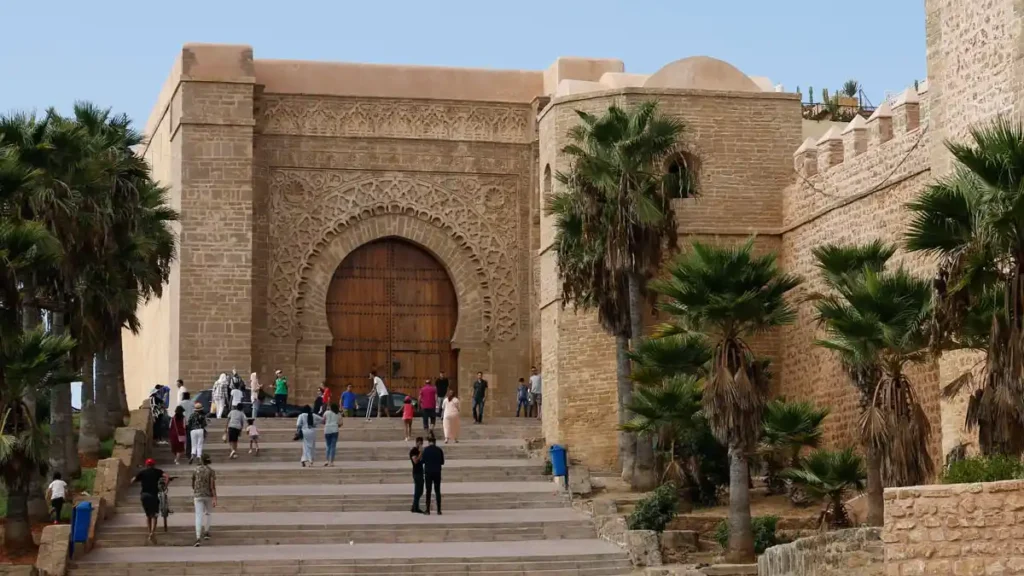
This is one of the most common mistakes first-time visitors make when planning a trip to Morocco, and it usually starts with excitement rather than bad planning.
People open a map, start listing places they’ve heard of, and everything looks close enough. Marrakech, Fes, Chefchaouen, the Sahara, Essaouira on paper, it feels logical to try to see them all in one trip. In reality, this creates a journey where you’re constantly moving instead of actually experiencing where you are.
What often gets underestimated is how travel days really feel in Morocco. Packing and unpacking, long drives, late arrivals, navigating medinas with luggage, and adjusting to a new place every night take more energy than most travelers expect. Even when distances don’t look long, the rhythm of travel slows everything down. By the middle of the trip, many people feel rushed without knowing exactly why.
The regret is rarely about missing a specific city. It’s about never feeling settled anywhere. Travelers often say they saw many places but didn’t feel connected to them.
Smart tip: Plan Morocco by flow, not by checklist. Fewer destinations with more time in each place almost always lead to a better experience. Staying at least two nights in key stops allows mornings to feel calmer, days to unfold naturally, and evenings to be enjoyable instead of rushed.
If you’re unsure what a balanced route actually looks like, use a structure that already works and adapt it to your pace:
Many of these Morocco travel mistakes start with overplanning routes instead of building a realistic flow.
Morocco Itinerary: 7, 10 & 14 Days Without Rushing
This single planning decision removes more future travel regret than most people realize.
2) Trusting Google Maps timing and building your day around it
This mistake usually begins with good intentions and a very common habit: opening Google Maps and trusting the arrival time as if it were guaranteed.
On the screen, the journey looks simple two hours here, three hours there. Travelers then plan the rest of the day around that estimate, booking activities, planning dinner, or expecting to arrive early enough to relax. In Morocco, that timing is often too optimistic.
Google Maps doesn’t reflect how roads actually work on the ground. Mountain routes slow traffic, trucks move at their own pace, city entrances can become busy, and stops for fuel, coffee, or photos are almost unavoidable. Even small delays add up, especially on longer drives.
The real issue isn’t arriving late. It’s what happens next. When a drive takes longer than expected, everything planned after it starts to feel rushed. Instead of enjoying the journey, travelers begin watching the clock. A day that could have felt relaxed suddenly becomes stressful.
Many travelers later say, “The drive was beautiful, but the day felt exhausting.” That usually comes from planning too tightly based on unrealistic timing.
This is exactly why Morocco often feels much bigger than it looks on the map. Distances may seem short, but the reality on the road is very different.
Read my guide: Why Morocco Feels Bigger Than It Looks
Smart tip:
Treat travel days as flexible days. Avoid scheduling important activities, guided tours, or fixed plans immediately after long drives. If you arrive earlier than expected, you gain time to rest. If you arrive later, nothing important is lost.
When you plan with flexibility instead of precision, travel days stop feeling like obstacles and start becoming part of the experience.
3) Choosing the cheapest option without thinking about energy

This mistake usually comes from a good place. Travelers want to be smart with their budget, so they automatically choose the cheapest transport, tour, or activity available. On paper, it looks like a win. In reality, it often costs them something far more valuable than money: energy.
In Morocco, not all “cheap” options are equal. A long bus ride with many stops, an overcrowded tour with no breaks, or a low-cost transfer that arrives very late can drain an entire day. Travelers often don’t feel the impact immediately, but the next day tells the story. They wake up tired, walk slower, lose patience, or skip things they were excited about.
The regret usually isn’t “I should have spent more.”
It’s “I lost the day.”
Morocco is a country where experiences are physical. You walk a lot, explore medinas, deal with heat, and spend time on the road. When your energy is gone, even beautiful places feel heavy. Saving money on one part of the trip can quietly reduce the quality of everything that follows.
This becomes even more noticeable when cheap choices are made back-to-back: budget transport followed by a full walking day, or a rushed tour followed by a long drive. The trip becomes tiring instead of enjoyable.
Smart tip:
Choose transport and tours based on what comes after, not just the price. If the next day involves walking, sightseeing, or an early start, comfort and timing matter much more than saving a small amount of money.
For example, comparing transport options clearly trains, buses, and private drivers helps you understand where comfort actually makes a difference.
Read my full guide: Morocco Transportation Guide (Trains, Buses, Taxis & Private Drivers)
For activities and day tours, choosing platforms with clear schedules, group size, and real reviews helps you avoid rushed or exhausting experiences.
Spending a little more in the right moments often gives you more time, more comfort, and a much better experience which is what most travelers remember long after the trip ends.
4) Rushing the Sahara instead of letting the desert slow you down
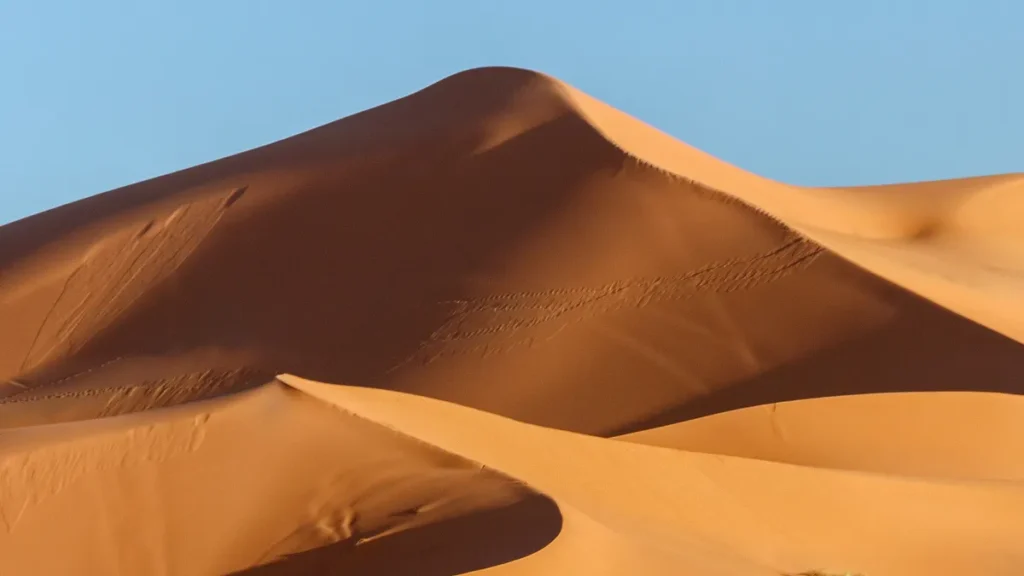
The Sahara is often the highlight of a Morocco trip, but it’s also one of the easiest experiences to get wrong.
Many travelers treat the desert like a quick stop rather than a place that needs time. They arrive in Merzouga late after a long drive, do a short camel ride at sunset, eat dinner, sleep, and leave early the next morning. Technically, they’ve been to the Sahara but they haven’t really experienced it.
What makes the desert special isn’t just the dunes. It’s the change of pace. The silence. The space. The feeling of slowing down after days of movement. When everything is rushed, that contrast disappears. Instead of feeling calm or inspired, travelers often feel tired and underwhelmed, even though the landscape itself is extraordinary.
Fatigue plays a big role here. Long drives combined with a short overnight stay leave many people exhausted. They arrive already drained and leave without having had time to rest, walk the dunes, or simply sit and take it in. Later, the regret sounds like this: “The Sahara was beautiful, but it felt too fast.”
Smart tip:
Plan the Sahara as a slow experience, not a box to tick. Arriving before sunset, having time to walk quietly on the dunes, sleeping without rushing, and leaving after a relaxed morning completely changes how the desert feels.
Because the Sahara is usually one of the biggest expenses of the trip, it’s important to plan it realistically and understand the full cost.
Read my guide: Morocco Travel Costs – How Much Does a Trip Really Cost?
A 3-day Merzouga tour can fit a short itinerary, but it still involves long driving days. If you want a slower desert experience, compare a longer route or an extra night near the dunes.
Part of the confusion also comes from choosing the wrong desert experience. Not all Sahara trips are the same, and understanding the difference matters. Read my guide: Erg Chebbi vs Erg Chigaga
5) Booking a tour without checking what is included
Two tours with similar titles can leave you with very different final bills. Before paying, check the pickup and drop-off points, transport, accommodation, meals, entrance fees, activities, and any local-guide charges. Ask which costs are included and which you will pay during the trip.
Keep the written itinerary and booking confirmation. If a description is vague, ask for clarification before sending a deposit. A lower headline price is not automatically better value once extras are added.
Smart tip: make a short list of inclusions and exclusions when comparing tours. Keep cash for the extras you have agreed to, rather than discovering them on the road.
6) Believing all desert camps are basically the same
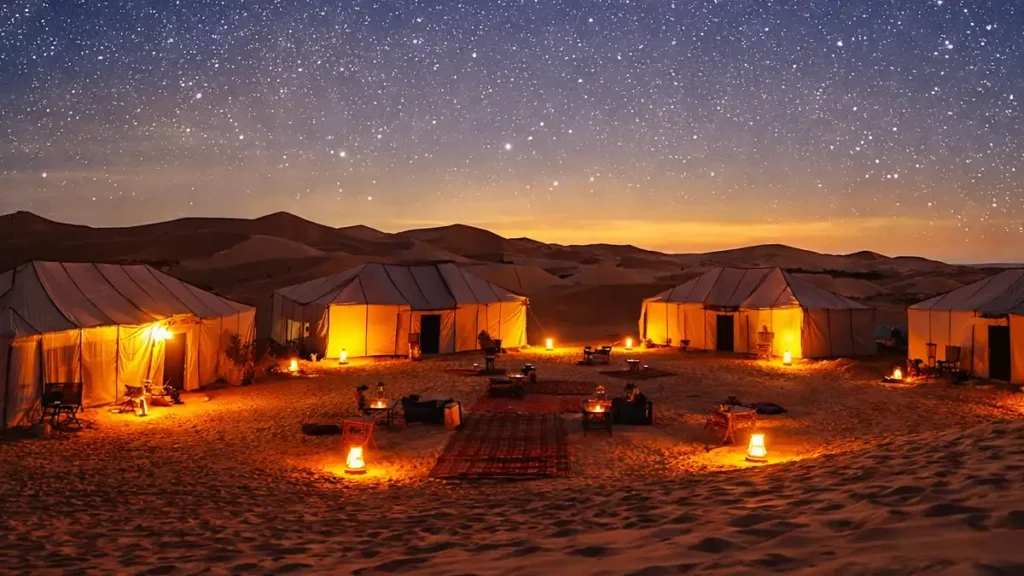
Many travelers assume that desert camps in the Sahara only differ in name or decoration. As long as there’s a tent, a bed, and a view of the dunes, they expect the experience to be similar. This assumption is one of the main reasons people feel underwhelmed after their desert night.
In reality, desert camps vary far more than most travelers expect. The difference is not just “standard” versus “luxury.” It’s about how the night actually feels once the sun goes down. Factors like spacing between tents, number of guests, noise levels, bathroom setup, heating in winter, and ventilation in warmer months all shape the experience.
Many regrets start with booking based only on photos. Photos often focus on décor and lighting, but they don’t show how close the tents are to each other, how busy the camp is, or whether the atmosphere feels calm or crowded. Some camps host large groups with late-night music and activity, which can be fun for some travelers and exhausting for others who were hoping for quiet and rest.
Comfort also matters more than people expect. Cold desert nights, early mornings, and long travel days mean that sleep quality plays a big role in how travelers feel the next day. A poorly insulated tent, shared facilities, or constant noise can turn what should be a peaceful night into a tiring one.
Smart tip: When choosing a desert camp, look beyond photos. Focus on group size, tent spacing, nighttime atmosphere, and how the camp handles comfort in different seasons. A calm, well-organized camp often makes a bigger difference than luxury décor.
When the camp matches the pace you’re looking for whether quiet and reflective or social and lively the desert experience feels complete instead of disappointing.
7) Booking accommodation based on photos instead of location and access
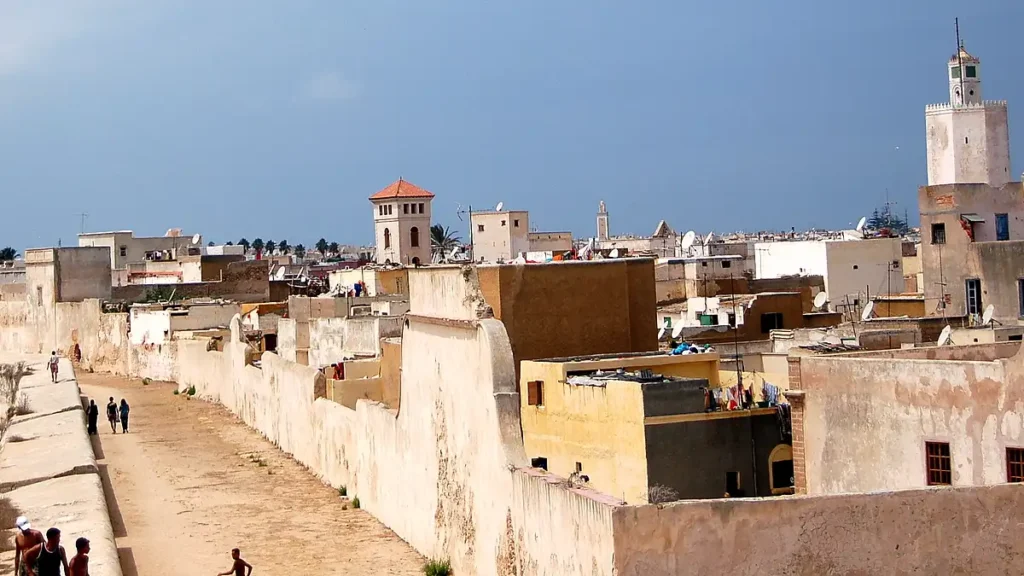
Accommodation in Morocco often looks beautiful online, especially traditional riads with courtyards, tiles, and soft lighting. Many travelers choose where to stay almost entirely based on photos, assuming that comfort and convenience will naturally follow. This is where quiet daily frustration often begins.
What photos don’t show is how the accommodation works in real life. In old cities and medinas, many riads are located deep inside narrow alleys where cars cannot reach. This means carrying luggage through winding streets, dealing with steps, and repeating the same walk every time you leave or return. On the first day, it can feel charming. After several long days of sightseeing or excursions, it can feel exhausting.
Location matters as much as beauty. Being close to a main gate, a taxi-accessible street, or a clear landmark makes daily movement much easier. Neighborhood atmosphere matters too. Some areas are lively late into the night, while others are quiet but far from restaurants or cafés. Travelers often realize too late that the location doesn’t match their pace or expectations.
Comfort is another overlooked factor. Some traditional riads are stunning but not well insulated for winter nights or properly ventilated for summer heat. Noise can also be an issue, especially in busy areas or in buildings with thin walls. These details rarely appear in photos but have a big impact on sleep and overall energy.
Smart tip: When choosing accommodation in Morocco, always check three things before booking: the exact map location, how close a taxi can drop you, and recent guest reviews that mention access, noise, and comfort.
Many travelers find it easier to compare these details on platforms that clearly show map access, neighborhood context, and up-to-date reviews. Choosing accommodation that fits how you actually move through the city not just how it looks online makes a noticeable difference to daily comfort and overall enjoyment.
8) Not planning money properly and wasting time fixing it
Money problems in Morocco rarely show up as one big issue. Instead, they appear slowly, through small daily frustrations that eat away at time and energy.
Many travelers arrive assuming they can rely mostly on cards, as they do at home. Once on the ground, they realize that Morocco still runs heavily on cash for everyday things taxis, small restaurants, cafés, tips, markets, and local services. When cash isn’t planned in advance, people end up searching for ATMs, breaking large bills, or paying unnecessary fees.
Another common issue is poor cash management. Travelers withdraw large amounts once, then struggle to use big notes for small purchases. Others withdraw too little and have to keep stopping at ATMs, often in inconvenient locations or at the wrong time, such as early mornings or late evenings.
This creates a constant background stress: “Do we have enough cash?” or “Where can we find an ATM?” Instead of enjoying the day, attention shifts to logistics that could have been avoided with a bit of preparation.
Budget flow is another overlooked factor. Some travelers spend freely in the first days excited, relaxed, saying yes to everything and later become overly cautious, skipping experiences they actually wanted. The regret comes from imbalance, not from spending itself.
Smart tip: Plan your money before you arrive. Carry a mix of small and medium bills, withdraw reasonable amounts, and know roughly what you’ll spend each day so the budget stays steady from start to finish.
Compare your card’s foreign transaction and withdrawal fees before traveling. Keep daily spending money, emergency cash, and a backup card separately; my Money in Morocco guide explains the full payment plan.
When money is planned calmly and realistically, it disappears into the background exactly where it should be leaving you free to focus on the experience instead of the logistics.
9) Food & dining: expecting restaurant habits to work like home

Food is one of the biggest highlights of traveling in Morocco, but it’s also an area where expectations often don’t match reality. Many visitors arrive assuming restaurant habits will work the same way they do at home flexible hours, fast service, and easy options late into the evening. When that doesn’t happen, frustration starts to build.
In Morocco, meals follow a different rhythm. Kitchens often close earlier than travelers expect, especially outside major tourist areas. Popular restaurants can fill up quickly, and service is rarely rushed. After long day trips, many travelers return hungry and tired, only to discover limited options nearby or longer waits than they planned for. The food itself is usually excellent it’s the timing that causes disappointment.
Another common issue is sticking only to places that look familiar or clearly “tourist-friendly.” While Morocco has good international restaurants, some of the most memorable meals come from simple local kitchens, small riads, or family-run spots that don’t look impressive from the outside. Travelers who avoid these often leave feeling that Moroccan food was repetitive, when in reality they just didn’t access the right places.
Street food creates confusion too. Some visitors avoid it completely out of fear, while others try everything without paying attention to freshness or turnover. Both approaches can lead to regret either from missed experiences or unnecessary stomach problems.
Smart tip: Plan meals with the same care you plan sightseeing. Eat your main meal earlier in the evening on travel days, be flexible with timing, and judge food by freshness and local popularity rather than décor. Busy places with high turnover are usually a safer and better choice.
For travelers who want more confidence especially during the first days a guided food experience can be a great introduction. It helps you understand what to eat, where to eat, and how dining fits into daily life.
Once expectations around timing and pace are adjusted, Moroccan food often becomes one of the most memorable parts of the trip not just something you eat, but something you experience.
10) Shopping & souks: expecting prices and bargaining to work like home
Shopping in Morocco’s souks is not just about buying things; it’s about understanding a system that works very differently from a mall or a fixed-price store back home. When travelers treat the souks like any other shopping area, they often leave feeling tired, uncertain, or unsure whether they paid a fair price. That’s where most shopping regrets begin.
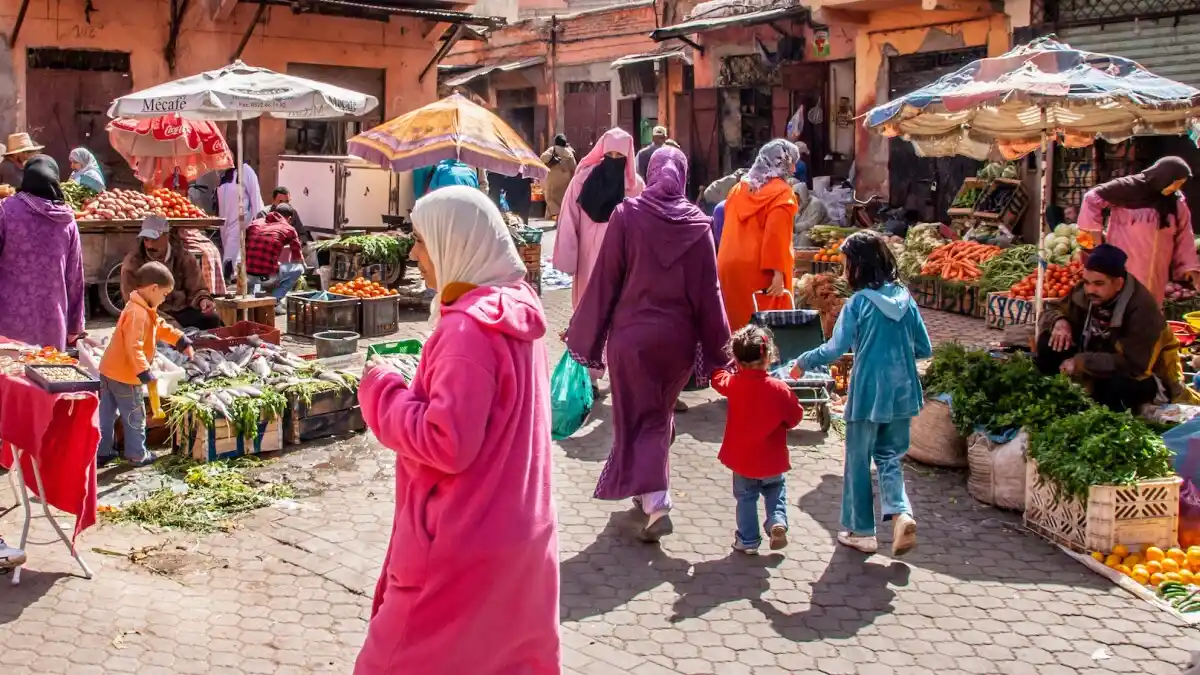
The environment plays a big role. Narrow alleys, bright colors, constant movement, and many sellers create a setting where interaction is part of the experience. A common mistake is assuming the first price is final or, on the opposite end, approaching bargaining as a confrontation that needs to be “won.” Both usually lead to frustration rather than satisfaction.
In places like the Marrakech Medina, bargaining is normal, but it works best when it’s calm and respectful. Sellers expect a conversation, not pressure or silence. Travelers who rush, feel awkward, or get defensive often walk away doubting their purchase even if the item itself is beautiful.
Another frequent issue is pacing. Many visitors see something they like, pay immediately, and then spend the rest of the day wondering if they overpaid. Others bargain too aggressively, creating tension and turning what should be an enjoyable moment into an uncomfortable one. In both cases, shopping stops being fun.
Smart tip: Treat bargaining as a respectful exchange, not a battle. Ask the price, smile, offer a reasonable counter, and be prepared to walk away if it doesn’t feel right. Walking away doesn’t mean failure it simply keeps your options open. Often, sellers will call you back with a better offer once they see you’re calm and not desperate.
It’s also a mistake to judge quality only by décor or how “tourist-friendly” a shop looks. Some of the most interesting items come from smaller, less flashy stalls or artisan corners where craftsmanship, materials, and explanation matter more than presentation. Asking a few simple questions about how something is made often tells you more than the display itself.
Smart tip: Use shopping as a way to learn, not just to buy. A short conversation, a bit of curiosity, and a relaxed attitude usually lead to better prices and a more meaningful souvenir.
For travelers who want extra confidence during their first visits to the souks, a guided experience can help explain how pricing, quality, and negotiation work especially in busy areas.
When shopping in Morocco is done with awareness, patience, and respect, it often becomes one of the most enjoyable parts of the trip not a source of doubt or regret.
11) Scams vs normal behavior: assuming bad intent instead of understanding daily life
One of the biggest sources of stress for first-time visitors to Morocco is not actual scams it’s misunderstanding normal daily behavior and assuming bad intent too quickly. When travelers can’t tell the difference, they either become tense around every interaction or too cautious to enjoy the experience.
Morocco is a social country. People greet easily, start conversations, ask where you’re from, or offer directions without hesitation. For visitors coming from more reserved cultures, this can feel unfamiliar. The natural reaction is to assume that any unsolicited interaction must have a hidden motive. That assumption alone creates unnecessary anxiety.
Context matters. In busy areas, main medina entrances, or around places like Jemaa el-Fna, visitors are more likely to be approached by people offering help, shortcuts, or information. Sometimes they say a place is closed or suggest an easier route. What often follows is an expectation of payment, a tip, or being guided toward a shop or service you didn’t plan to visit.
This behavior is rarely dangerous, but it can feel manipulative if you’re not expecting it. At the same time, many shopkeepers, café owners, and residents genuinely enjoy conversation and hospitality. A greeting or a short chat does not automatically mean someone wants something from you. Treating all friendliness as a scam often causes travelers to miss positive, human moments.
Smart tip: Focus on pressure, not friendliness. Normal interactions feel relaxed and optional. Situations that deserve caution usually involve urgency, insistence, or unclear expectations. If you didn’t ask for help, it’s perfectly fine to politely decline and keep walking. If a service is offered, always ask about the price before agreeing.
Pricing is another area that creates confusion. In markets, taxis, or informal services, prices are not always fixed. That doesn’t automatically mean you’re being scammed it means negotiation is part of the system. A real problem begins when the price changes after you’ve already agreed or when pressure is used to force a decision.
Smart tip: Stay calm, clear, and confident. You don’t owe anyone an immediate answer. Taking a moment, asking questions, or walking away is always acceptable.
For a deeper, realistic explanation that avoids fear-based advice, this guide gives a clear picture of what to expect:
Safety in Morocco: What Travelers Really Need to Know
Once travelers understand what is normal and what actually requires caution, Morocco feels less overwhelming and far more welcoming and the constant tension disappears.
12) Trying to control everything instead of adjusting
This is the mistake that quietly sits behind many others, and it’s often the hardest one for travelers to recognize while they’re in the middle of the trip.
Some visitors arrive in Morocco with a very tight plan. Every day has a schedule, every hour has an expectation, and everything is meant to run exactly as written. When something shifts a drive takes longer, a restaurant opens later than expected, traffic slows the day frustration starts to build.
The issue is rarely the delay itself.
It’s the effort spent resisting it.
Morocco does not operate on strict precision. It operates on rhythm. Roads take the time they take. Meals unfold slowly. Conversations matter. Small changes happen naturally throughout the day. Travelers who try to force everything to match a rigid plan often feel stressed, even when nothing has actually gone wrong.
Many regrets sound like this: “Nothing bad happened, but the trip felt tiring,” or “We were always watching the clock.” That usually comes from trying to control every detail instead of allowing some flexibility.
Adjusting does not mean poor planning. In fact, the opposite is true. The best trips are well planned with space built in. When expectations are realistic, small changes stop feeling like problems and start feeling normal.
Smart tip: Plan your days with breathing room. Avoid stacking too many fixed commitments, especially on travel days. When something changes, pause and adjust instead of rushing to fix it immediately. Flexibility doesn’t make the trip messy it makes it smoother.
If you want a solid foundation that balances planning and realism, start with this guide and build from there:
Plan Your Trip to Morocco: Complete Morocco Travel Guide
Travelers who finish their trip feeling calm and satisfied are rarely the ones who controlled everything. They’re the ones who planned smart, stayed open, and allowed Morocco to be itself.
FAQs About Traveling in Morocco
Is Morocco safe for first-time travelers?
Yes, Morocco is generally safe for travelers, including first-time visitors. Most issues people worry about are not serious safety problems but misunderstandings of local behavior, busy areas, or cultural differences. The key is awareness, not fear. Understanding how medinas work, confirming prices before agreeing to services, and staying calm in busy areas goes a long way. When travelers know what to expect, Morocco feels welcoming rather than overwhelming.
How many cities should I visit on one Morocco trip?
Fewer than most people think. Many first-time visitors try to see too much and end up rushed. A better approach is to focus on two or three regions and spend more time in each place. This allows you to enjoy cities instead of constantly moving between them. Morocco rewards slower routes more than packed itineraries.
Can I rely on Google Maps for travel times in Morocco?
Google Maps is useful, but its timing is often optimistic. It doesn’t account for mountain roads, traffic at city entrances, fuel stops, or photo breaks. Travel days almost always take longer than expected. Planning with buffer time instead of exact schedules makes the trip much smoother.
How much cash should I carry in Morocco?
Morocco still relies heavily on cash for daily expenses like taxis, cafés, markets, tips, and small restaurants. Carrying small and medium bills is important. It’s better to withdraw moderate amounts regularly than to rely only on cards or carry very large sums.
Is bargaining required in Moroccan markets?
Bargaining is common in souks, but it should be calm and respectful. It’s not a battle, and you’re never required to buy something you don’t want. Asking the price, smiling, offering a reasonable counter, and walking away if it doesn’t feel right is completely normal.
Are desert camps all the same?
No. Desert camps differ greatly in atmosphere, comfort, group size, noise level, and how well they handle temperature at night. Photos rarely show these details. Reading recent reviews and understanding what kind of experience you want quiet or social makes a big difference.
How much time do I really need for the Sahara?
At least one full night, ideally with enough time to arrive before sunset and leave without rushing early in the morning. The Sahara is about slowing down, not just seeing dunes. Rushing through it often leads to disappointment, even though the landscape is stunning.
Is street food safe in Morocco?
Street food can be safe if chosen carefully. Busy stalls with high turnover and freshly prepared food are usually a good sign. Avoid places that look empty, poorly stored, or unhygienic. When in doubt, watch what locals are eating.
Do I need to book tours and transport in advance?
For long-distance transport and popular experiences, yes. Booking city-to-city transport and key tours in advance reduces stress and prevents last-minute price increases. Inside cities, it’s fine to stay flexible.
Why does everything feel slower than expected in Morocco?
Because Morocco runs on rhythm, not strict schedules. Meals take time, conversations matter, and daily life doesn’t revolve around the clock. Once travelers accept this, stress drops and the experience improves significantly.
What is the biggest mistake travelers make in Morocco?
Trying to control everything. Tight schedules, packed routes, and unrealistic expectations create frustration. The most enjoyable trips are well planned but flexible, with room to adjust when things change.
What’s the best way to enjoy Morocco fully?
Slow down, plan transport wisely, pace your energy, and stay open. Morocco gives the best experiences to travelers who match its rhythm instead of fighting it
Morocco doesn’t punish travelers for small mistakes.
What it does is reward realistic planning, patience, and flexibility.
Most of the frustrations people experience don’t come from the country itself. They come from trying to move too fast, control too much, or apply expectations that don’t fit the local rhythm. When those expectations shift, everything else becomes easier.
The travelers who leave Morocco happiest are rarely the ones who saw the most places or followed the tightest plan. They’re the ones who slowed their route, planned transportation wisely, paced their energy, and allowed some space for adjustment.
Morocco doesn’t punish travelers for small mistakes, but repeating the same Morocco travel mistakes can quietly drain the experience.
If there’s one thing to take away from this guide, it’s this:
Morocco works best when you plan thoughtfully and then stay open.
When expectations match reality, stress disappears.
When stress disappears, the experience becomes what people remember.
Use this article as a reference while planning, come back to it during your trip if something feels off, and let it guide you toward a calmer, more connected experience.
Morocco has a lot to offer and when approached the right way, it gives far more than travelers expect.
Some links in this article are affiliate links. This means I may earn a small commission if you book or sign up through them, at no extra cost to you. This helps support Morocco Tips and allows me to keep creating practical, honest travel guides based on real experience. I only recommend tools and services that genuinely make traveling in Morocco easier and more enjoyable.