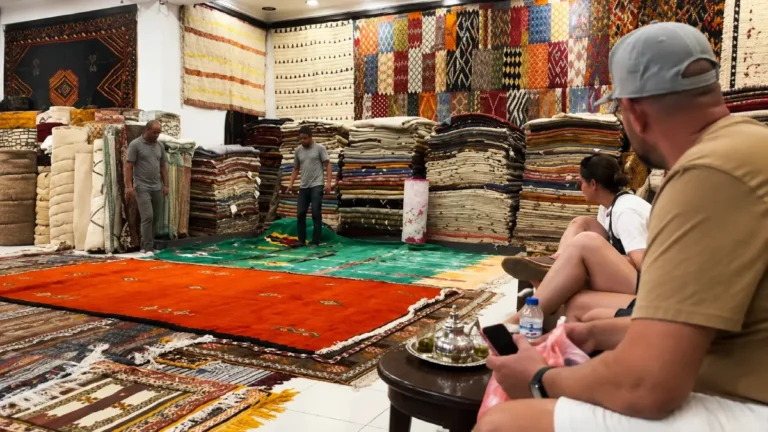
Morocco in July: Weather, Best Places to Visit & Local Travel Tips
Morocco in July is not a soft month. Let me be honest from the beginning. July can be very hot, especially in Marrakech, Fes, inland towns, and the Sahara Desert. Some afternoons feel like the whole country has been placed inside an oven.
But here is the part many travel blogs do not explain well: Morocco in July can still be a beautiful trip if you travel with the right rhythm. You do not plan July the same way you plan March, April, October, or November. You slow down. You choose the coast. You use the mountains. You respect the sun. And you stop trying to “see everything” in one rushed itinerary.
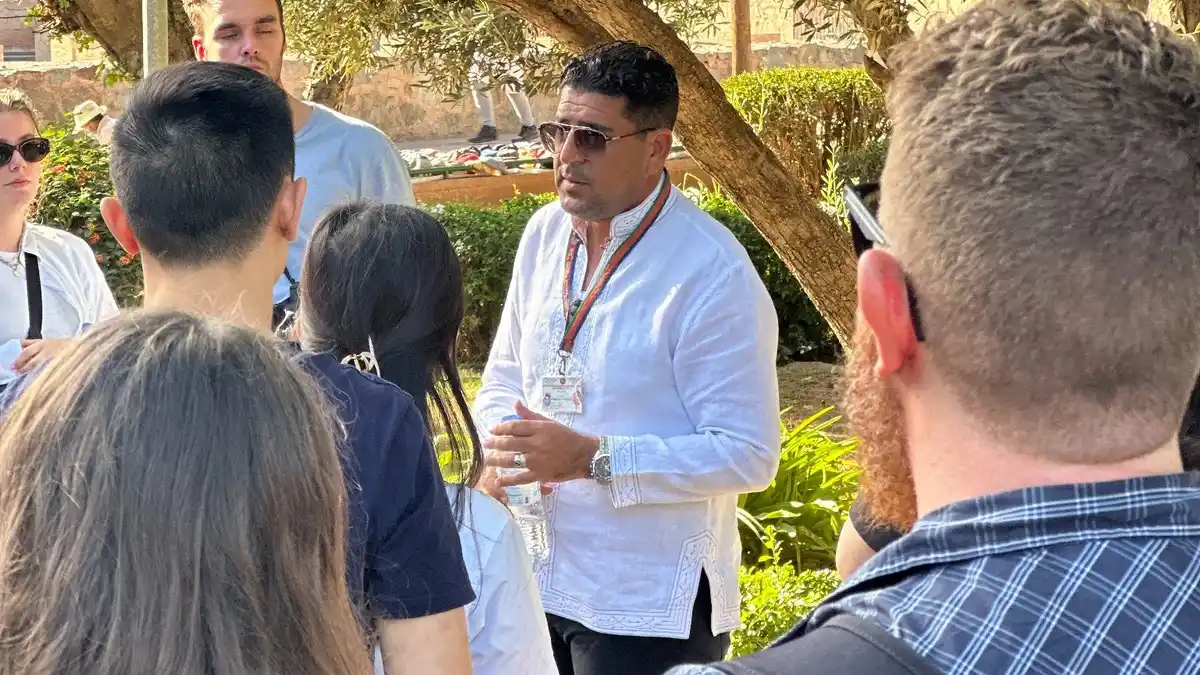
I’m Kamal, a licensed tour guide based in Marrakech, and I’ve been guiding travelers around Morocco for more than 20 years. In July, I do not tell guests to fight the heat. I tell them to work with it. If you do that, July can give you quiet medinas in the morning, windy Atlantic afternoons, warm evenings on rooftops, lower crowds in some places, and a very different side of Morocco.
Before you plan your July route, it helps to understand how different Morocco can feel from one region to another. If this is your first trip, start with my full Morocco Travel Guide so you can understand the main cities, desert routes, mountains, coast, transport, safety, and planning basics before choosing your itinerary.
Table of Contents
Table of Contents
Is Morocco Worth Visiting in July?
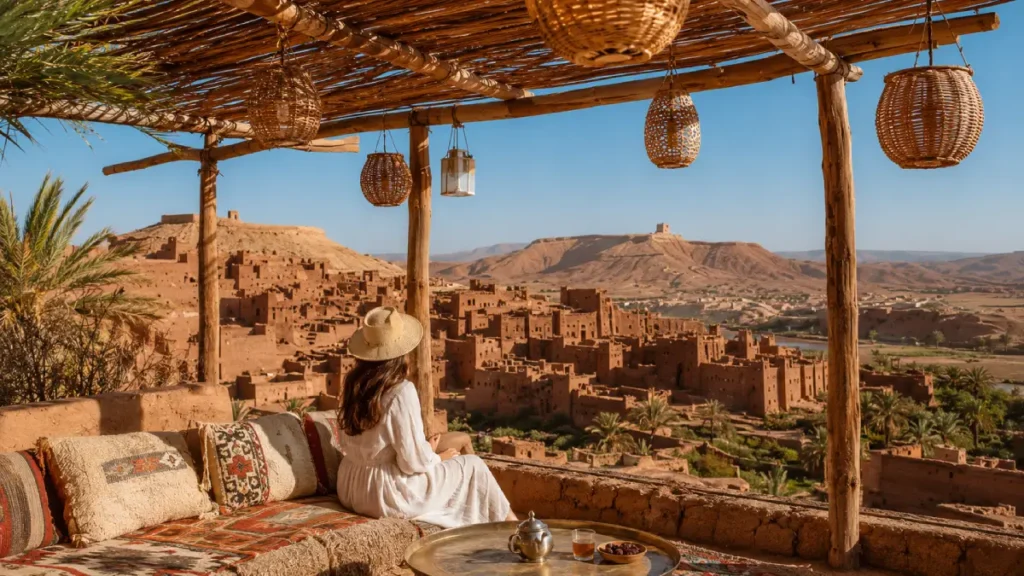
Yes, Morocco is worth visiting in July, but only if you plan the trip carefully. The best July trips are not heavy desert itineraries or full-day walking tours in Marrakech. The best July trips are slower, smarter, and more focused on the Atlantic coast, High Atlas Mountains, northern Morocco, and short city stays.
If you are dreaming of long beach days, surfing, coastal seafood, mountain retreats, quieter riads, and warm summer nights, July can work very well. If your dream is camel trekking deep into the Sahara, walking all day in Marrakech, or rushing from city to city with no rest, July is not the best month.
This is why I always say: July is not bad. July is specific.
For a bigger seasonal view, you can also read my guide to Summer in Morocco: June, July and August. If your dates are flexible, compare this month with my Morocco in June guide, because June is usually easier for Marrakech, the Sahara, and inland travel. If you are traveling later in summer, read my Morocco in August guide too, because August has a stronger local holiday feeling and busier coastal destinations. And if you are still choosing the best month for your full trip, start with my Best Time to Visit Morocco guide.
Morocco Weather in July: The Climate Reality by Region
Morocco weather in July depends heavily on where you are. This is one of the biggest mistakes travelers make. They see one temperature for “Morocco” and think the whole country feels the same. It does not.
In July, Marrakech can feel extremely hot, while Essaouira can feel fresh and windy. The Sahara can be punishing, while the High Atlas Mountains can feel like natural air conditioning. The coast and the mountains are your friends in July.
| Region | Typical July Day Temperature | What It Feels Like |
|---|---|---|
| Marrakech & Fes | 38–45°C | Very hot, especially after midday |
| Sahara Desert | 42–47°C+ | Extreme heat, not ideal for camps |
| Essaouira | 22–28°C | Windy, fresh, and comfortable |
| Agadir & Taghazout | 24–30°C | Warm beach weather |
| High Atlas Mountains | 20–27°C | Cooler, fresh, and good for hiking |
| Chefchaouen & Rif Mountains | 24–32°C | Warmer than spring, but cooler than Marrakech |
Some links in this guide may earn a small commission at no extra cost to you. I only recommend services I trust for planning a Morocco trip.
Is Morocco Too Hot in July?
This is one of the most common questions: Is Morocco too hot in July?
The honest answer is: some parts are too hot during the day, but not all of Morocco is too hot. Marrakech, Fes, Ouarzazate, Zagora, and the Sahara can be very hard in the afternoon. But Essaouira, Agadir, Taghazout, Imsouane, Asilah, Tangier, Chefchaouen, and the High Atlas Mountains are much more comfortable.
So the real question is not “Is Morocco too hot in July?” The real question is: Where are you going, and what time of day are you exploring?
If you stay in Marrakech for five days and walk the medina at 2:00 PM, you will suffer. If you spend one or two nights in Marrakech, explore early, rest in the afternoon, then continue to Essaouira, Agadir, or the mountains, July becomes much easier.
Marrakech in July: Use the Three-Act Day
Marrakech in summer is powerful, colorful, and intense. But in July, you must respect the heat. This is where I use what I call the Three-Act Day with my guests.
Act 1: Early Morning, From 8:00 AM to 11:00 AM
In July, I recommend starting as early as possible, 8:00 AM at the latest. This is when the medina still feels alive but not too heavy. The light is softer, the air is clearer, and you can enjoy places like Bahia Palace, Ben Youssef Madrasa, the souks, or the gardens before the real heat arrives.
This is not the month for sleeping late and starting sightseeing at 11:00 AM. By then, Marrakech is already changing. The stone, walls, streets, and squares begin holding the heat.
Act 2: Afternoon Architecture, From 12:00 PM to 6:00 PM
From midday until late afternoon, I tell guests to hide from the sun. This is not wasted time. This is part of Moroccan summer travel.
Stay inside your riad. Enjoy the courtyard. Sit beside the pool. Choose a shaded restaurant. Visit a hammam. Take a nap. This is what I call “architecture time” because traditional Moroccan buildings were designed for hot weather. Thick walls, interior courtyards, tiles, fountains, and shaded rooms are not just beautiful. They are practical.
If your riad has a pool, July is the month when that pool becomes more important than a fancy lobby.
Act 3: The Evening Gift, After 6:00 PM or 8:00 PM
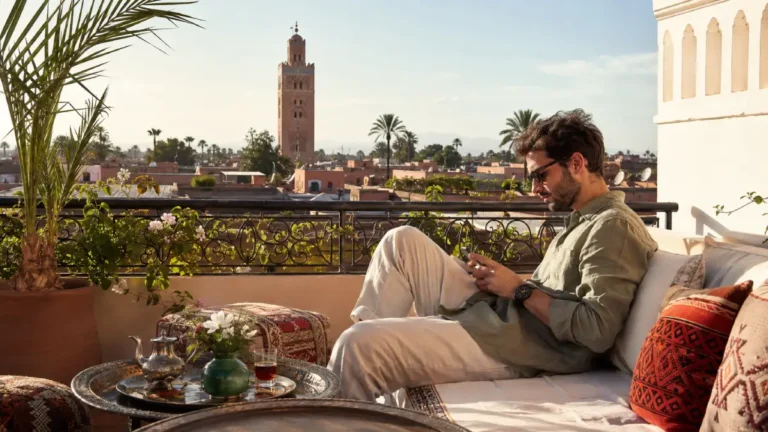
Evening is the gift of Marrakech in July. After sunset, the city wakes up again. Rooftops fill. Families come outside. Jemaa el-Fna becomes lively. The orange light hits the walls, and the medina feels human again.
This is the best time for rooftop dinners, a slow walk in the square, or relaxed shopping in the souks. July evenings in Marrakech can be beautiful, but you must earn them by resting during the afternoon.
For most travelers, I recommend Marrakech as a short-stay option in July. Stay one or two nights, enjoy one early morning of sightseeing, one warm evening of food and atmosphere, then continue to the coast or mountains.
Best Places to Visit in Morocco in July
The best places to visit in Morocco in July are the ones that help you escape the worst heat. For me, the strongest July route is simple: short city stay, then coast, then mountains if you have time.
You do not need to remove Morocco’s magic from your trip. You just need to choose the right places.
If you want to build your July trip around the coast, start with my full guide to the best beaches in Morocco so you can choose the right beach for families, surfing, swimming, or relaxing by the Atlantic.
Essaouira in July: The Windy City That Saves Summer
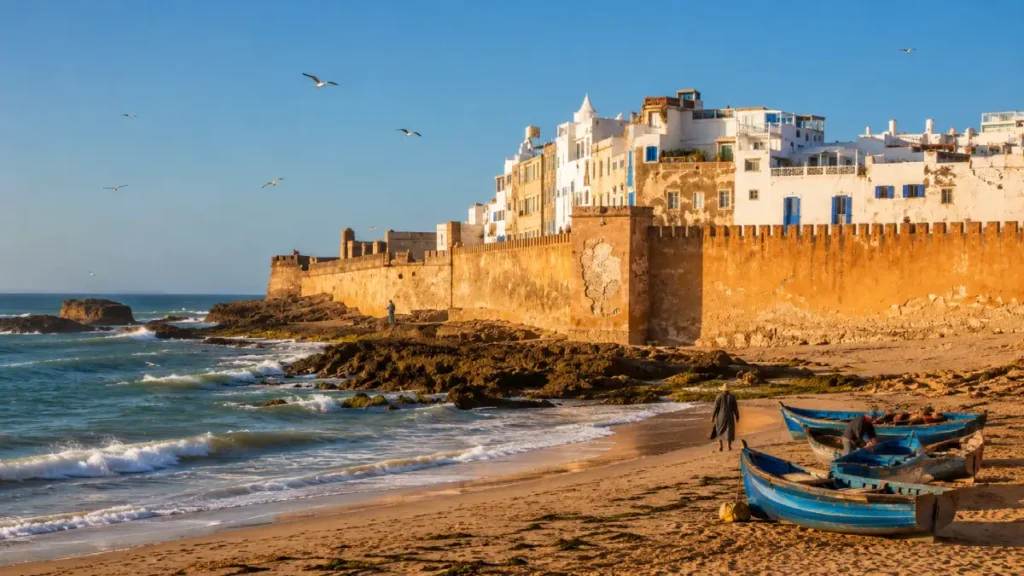
Essaouira is one of my favorite recommendations for Morocco in July. It is often called the Windy City, and in summer this wind is a blessing.
The famous Atlantic trade winds, called the Alizé winds, keep Essaouira much cooler than Marrakech. While Marrakech may be above 40°C, Essaouira can sit around 24–28°C. That difference feels huge.
But let me be honest. Essaouira in July is not always perfect for classic sunbathing. The wind can be strong, and the sand can blow. Some travelers arrive expecting a calm beach day and feel surprised. But if you want fresh air, seafood, medina walks, music, sunsets, and a relaxed coastal feeling, Essaouira is one of the best places in Morocco in July.
Essaouira is also good if you want a slower pace after Marrakech. You can walk the ramparts, eat grilled fish, explore the medina, take photos near the blue boats, or enjoy a sunset by the beach. It is not luxury in a loud way. It is peaceful, artistic, and full of character.
Agadir, Taghazout and the Beach Circuit
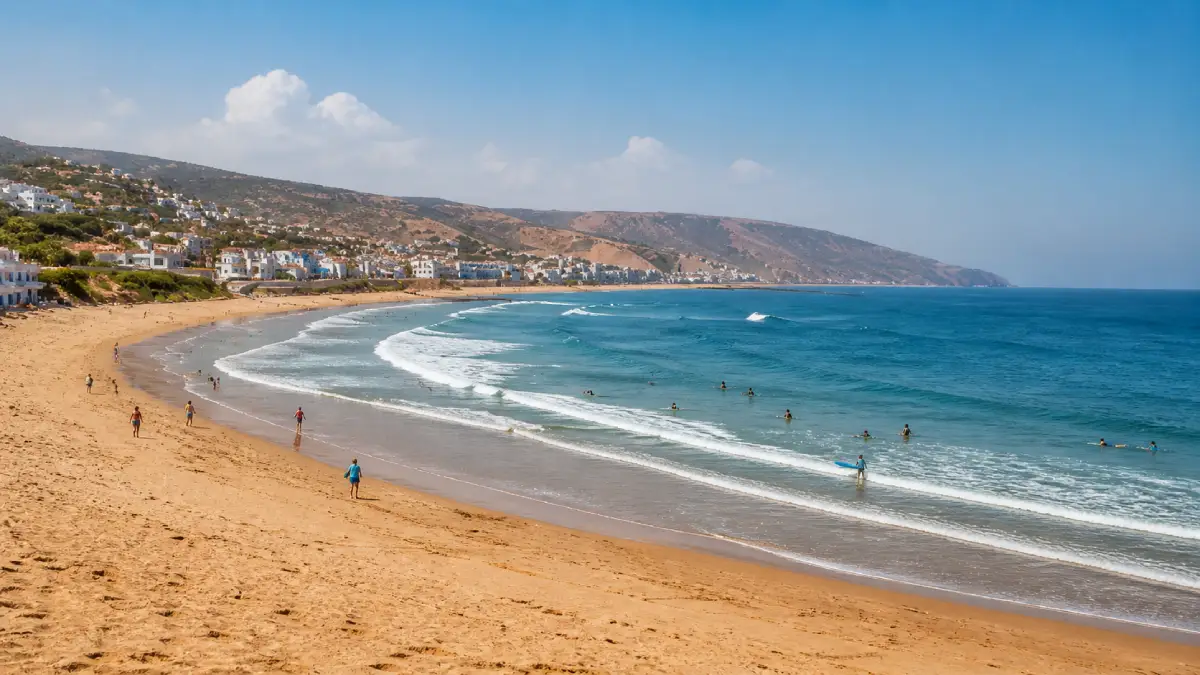
Agadir is another strong choice for July, especially for families. It has a long sandy beach, modern hotels, beach cafés, and easier infrastructure than many old medina cities. For travelers who want comfort, swimming pools, beach time, and simple logistics, Agadir works very well.
Taghazout is better if you want surf, yoga, cafés, and a younger coastal village atmosphere. July is not the biggest winter swell season, but surfing in Morocco in July can still be enjoyable, especially for beginners and intermediate surfers. Morning conditions are usually better before the wind becomes stronger.
Imsouane is another beautiful coastal stop. Many travelers call it one of the most scenic beach villages in Morocco. It is slower than Agadir and Taghazout, and it feels more like a place where you go to breathe, surf, eat fish, and watch the ocean.
For families, I personally like Imi Ouaddar. It is calmer, more relaxed, and known for family summer stays. The beach is easier for children, and the aqua park nearby makes it very practical if you travel with kids. Agadir city is still a strong option if you want hotels, restaurants, and easier services, but Imi Ouaddar has that summer-family feeling many Moroccans love.
| Coastal Place | Best For | July Feeling |
|---|---|---|
| Essaouira | Fresh air, seafood, medina, and wind sports | Cool, windy, and relaxed |
| Agadir | Families, hotels, and beach comfort | Warm, easy, and modern |
| Taghazout | Surf, yoga, and cafés | Young, relaxed, and beachy |
| Imsouane | Surf, scenery, and slow travel | Peaceful and beautiful |
| Imi Ouaddar | Families with children | Calm, practical, with a local summer feel |
| Asilah | Art, coast, and summer culture | Colorful and breezy |
| Tangier | Northern city break | Coastal, lively, and historic |
High Atlas Mountains in July
The High Atlas Mountains are one of the smartest escapes from summer heat. Places like Imlil, Ourika Valley, Ouirgane, and the Toubkal area can feel much cooler than Marrakech.
In July, hiking is possible, especially if you start early. Mount Toubkal and the surrounding valleys are much more comfortable than the plains, with temperatures often around 18–27°C depending on altitude and time of day.
If you are staying in Marrakech, even one night in the mountains can change your trip. The air feels different. The evenings are cooler. You hear water, animals, village life, and wind in the trees instead of traffic and hot stone.
For serious hiking, do not start late. Go with a local mountain guide if you are doing longer routes, especially around Toubkal. July weather in the mountains is easier than Marrakech, but the sun is still strong.
Chefchaouen in July: The Blue City in the Rif Mountains
Chefchaouen is not cold in July, but it is usually easier than Marrakech and Fes. The blue streets, mountain setting, and slower pace make it a good northern stop if your Morocco summer travel itinerary includes Tangier, Tetouan, Asilah, or the Mediterranean side.
The best time to explore Chefchaouen in July is still early morning and late afternoon. The middle of the day can be bright and hot, especially in the narrow streets, but the mountain air helps.
Chefchaouen is best for travelers who want photography, soft walking, cafés, mountain views, and a more relaxed atmosphere. It is not a beach destination, but it pairs well with northern coastal routes.
The Sahara Desert in July: Can You Visit?
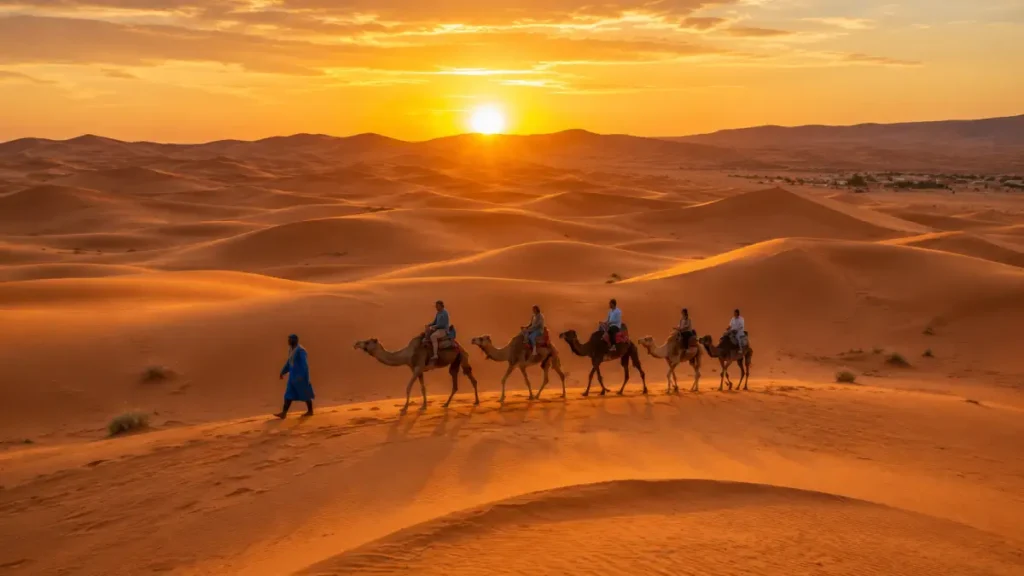
Now let’s speak clearly. I do not recommend a traditional Sahara camp in July.
I love the Sahara. I have crossed the desert more times than I can count. I know the beauty of Erg Chebbi, Merzouga, camel rides, desert camps, sunrise, stars, and the silence of the dunes. But July is different.
The Sahara Desert heat in July can go above 45°C. Some camps close because the heat is unforgiving. A tent, even a nice one, can become uncomfortable. Afternoon activities are very limited. Camel rides can be hard for travelers and animals if timing is not handled carefully.
Can you visit the Sahara Desert in July? Technically, yes. But should every traveler do it? No.
If you must see the dunes in July, I recommend staying in a desert-edge hotel in Merzouga with air conditioning and a swimming pool. This gives you a safer and more comfortable way to experience the dunes. You can go out very early for sunrise or late for sunset, then return to comfort.
For a deeper desert planning guide, read my Merzouga Sahara Desert Travel Guide, especially before choosing a camp in summer.
July Festivals and Cultural Events in Morocco
July in Morocco is not only about heat. It is also a month when many Moroccans move toward the coast, music festivals become more active, and some cities feel more alive in the evening than during the day. If you are planning your Morocco summer travel itinerary, festivals can add something special, but I always tell travelers one important thing: check the exact dates before booking hotels, because Moroccan festival dates can change from one year to another.
In July, the best cultural energy is usually found along the Atlantic coast, in the north, and in cities where evenings are cooler. This is another reason I recommend the coast, the mountains, and northern Morocco more than deep inland routes during this month.
Feast of the Throne, July 30
Feast of the Throne is one of Morocco’s important national days, celebrated every year on July 30. It marks the anniversary of King Mohammed VI’s accession to the throne, and travelers may notice flags, official ceremonies, decorations, and a more festive national mood in different parts of the country.
This is not a tourist festival like a music event, but it is part of the Moroccan national calendar. Some official buildings, roads, or public spaces may be busier depending on the city. If you are in Morocco on July 30, do not plan a very tight travel day. Keep your schedule flexible, enjoy the atmosphere, and ask your hotel or guide if anything special is happening nearby.
Asilah Arts Festival
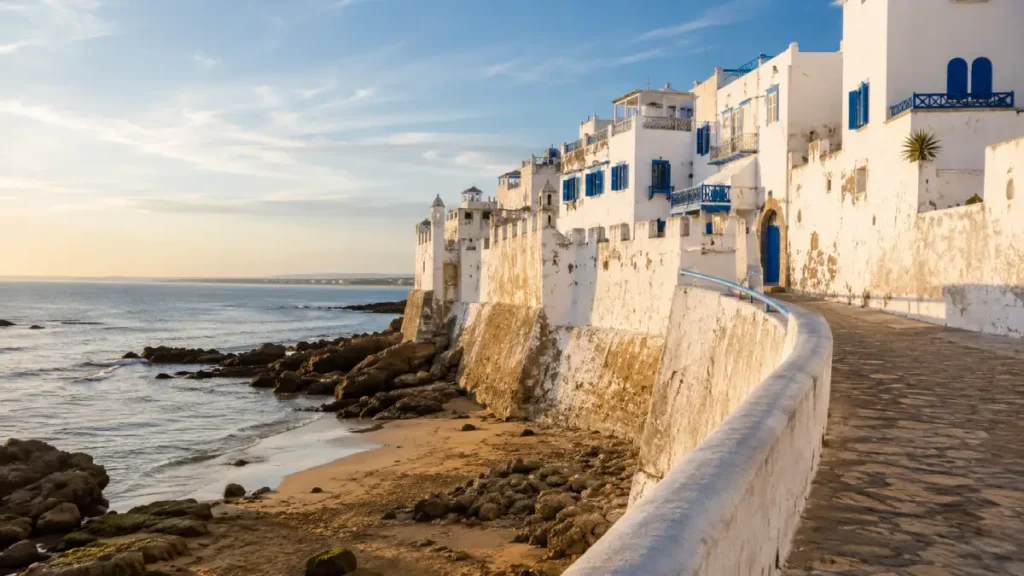
Asilah is one of the most beautiful coastal towns to consider in July, especially if you enjoy art, photography, whitewashed streets, sea air, and a slower northern Morocco feeling. The Asilah Arts Festival is famous because it turns parts of the town into an open-air gallery, with murals, exhibitions, cultural meetings, and artists from Morocco and abroad. The festival is widely associated with summer and July cultural life in Asilah.
What I like about Asilah in July is that it gives you culture without the heavy pressure of a big inland city. You can walk the medina early, enjoy the murals, eat seafood, and rest near the sea when the afternoon becomes hot. It also works well if your route includes Tangier, Tetouan, Chefchaouen, or the northern coast.
Timitar Festival in Agadir
Agadir is already one of the best places to visit in Morocco in July because of its beach weather, family-friendly hotels, and easier summer rhythm. If your trip matches the Timitar Festival, the city becomes even more interesting. Timitar celebrates Amazigh culture and world music, bringing together Moroccan and international artists in a coastal setting. Some 2026 event listings place Timitar in early July, while other calendars still mark dates as to be confirmed, so travelers should verify the official program before planning around it.
For visitors, this festival is a nice way to experience Agadir beyond the beach. You get music, local identity, evening atmosphere, and a better sense of the Souss region. It is especially good if you are staying in Agadir, Taghazout, or Imi Ouaddar and want one cultural evening during a relaxed beach trip.
Chefchaouen Summer Culture
Chefchaouen is already a good July stop because the Rif Mountains make the weather easier than Marrakech or Fes. The blue streets are still warm in summer, but the evenings can be very pleasant. Sometimes Chefchaouen has summer cultural events, music, and local gatherings, but I would not build the whole itinerary around one festival unless dates are officially confirmed.
Even without a major event, Chefchaouen still has the kind of slow July energy that works well for travelers who want beauty without rushing. Go early in the morning for photos, rest in the afternoon, and enjoy the town again when the light becomes softer.
Local Guide Tip: Do Not Build the Whole Trip Around One Festival
My advice is simple: enjoy festivals if they match your route, but do not build your entire Morocco trip around one event unless the dates are officially confirmed. In Morocco, festival schedules can move, programs can be announced late, and hotel prices can rise when dates become popular.
The best strategy is to choose a good July route first coast, mountains, and short city stays then add a festival if it fits naturally. For example, Asilah works beautifully with Tangier and Chefchaouen. Agadir and Timitar work well with Taghazout, Imsouane, and Imi Ouaddar. This way, even if the event changes, your trip is still strong.
What to Wear in Morocco in July
What to wear in Morocco in July is all about balance: stay cool, but stay respectful. Morocco is hot in summer, but it is still a country where modest clothing is appreciated, especially in medinas, villages, and traditional areas.
Choose linen, cotton, and breathable fabrics. Avoid heavy jeans during the day. Loose clothing is better than tight clothing because it protects your skin from the sun and allows air to move.
For women, long loose dresses, linen pants, wide-leg trousers, light shirts, midi skirts, and tops that cover the shoulders are practical. For men, linen shirts, light cotton trousers, and longer shorts in coastal areas can work well. In old medinas, I always recommend dressing a little more respectfully than you would at a beach resort.
You do not need to dress like a local, but you should dress with awareness. Morocco is welcoming, and tourists are used to being seen, but respectful clothing makes your experience smoother.
For more help, read my full How to Dress in Morocco and Morocco Packing List.
Morocco July Packing Essentials
Packing for Morocco in July should be simple but smart. Do not overpack heavy clothes. Focus on heat protection and comfort.
Bring:
- Lightweight linen or cotton clothes
- A wide-brim hat or cap
- Sunglasses
- Strong sunscreen
- Comfortable walking sandals or breathable shoes
- A light scarf for sun, wind, and modesty
- Swimwear for hotel pools and beaches
- A refillable water bottle
- Electrolytes if you struggle with heat
- Light evening clothes for rooftops and coastal towns
My personal advice: do not underestimate the sun. Many travelers think they are fine because they come from warm countries, then Marrakech teaches them a lesson by 2:00 PM.
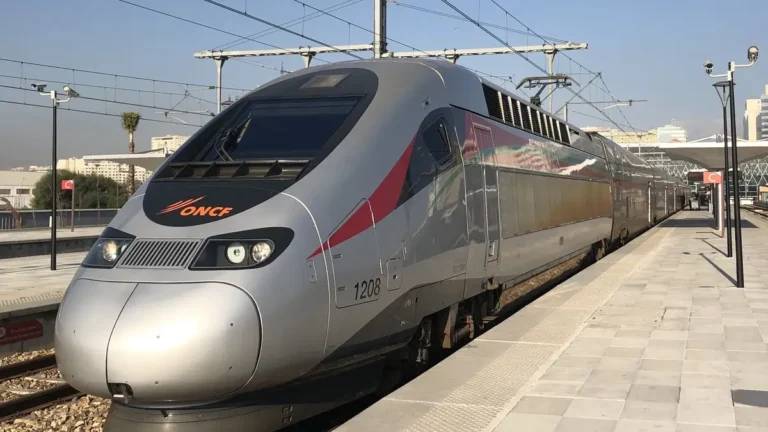
Transport in July: Air Conditioning Is Not a Luxury
In July, air-conditioned transport is not a luxury. It is a necessity, especially for long drives.
If you are moving between Marrakech, Essaouira, Agadir, the Atlas Mountains, or the north, choose transport carefully. A private driver can be very useful in July because you can start early, stop when needed, avoid waiting in the sun, and adjust the rhythm of the day.
For short city stays, walking is fine early and late. But for long travel days, comfort matters. A cheap transfer without strong air conditioning can turn a beautiful route into a difficult day.
If you are planning a Morocco summer travel itinerary with children, older travelers, or anyone sensitive to heat, I strongly recommend choosing better transport over saving a small amount of money.
Best Morocco Summer Travel Itinerary for July
A good Morocco summer travel itinerary should avoid too much inland heat. Here is a smart example for 7 to 10 days.
7-Day Morocco in July Itinerary
Start with one or two nights in Marrakech. Explore early, rest in the afternoon, and enjoy the evening atmosphere. Then continue to Essaouira for two or three nights to enjoy the Atlantic breeze, seafood, and relaxed medina. After that, go to Agadir, Taghazout, or Imi Ouaddar for beach time and family comfort.
This route is much easier than trying to include Marrakech, Fes, Merzouga, Chefchaouen, and the desert in one hot week.
10-Day Morocco in July Itinerary
With 10 days, you can add the High Atlas Mountains or northern Morocco. A strong route could be Marrakech, Imlil or Ouirgane, Essaouira, Agadir, Taghazout, and maybe Imsouane.
Another good route is Tangier, Asilah, Chefchaouen, Rabat, and then Marrakech for a short stay. This works better for travelers who want culture but do not want extreme heat every day.
For full route planning, you can read my Morocco Itinerary 7, 10 & 14 Days.
Local Tips for Surviving Morocco in July
The biggest July mistake is trying to travel like it is spring. July needs a different rhythm.
Drink water before you feel thirsty. Eat lighter lunches. Do your main walking early. Book riads and hotels with air conditioning. Choose restaurants with shade or indoor cooling. Do not plan long medina walks in the afternoon. Keep children out of direct sun during peak heat.
Also, be flexible. Sometimes the best travel memory in July is not “doing more.” It is sitting in a shaded courtyard with mint tea while the city rests, then walking out again when the evening becomes alive.
That is Morocco too.
Is July Right for Your Morocco Trip?
July is right for you if you want coastal towns, beach time, surfing, seafood, mountain air, warm evenings, and a slower summer rhythm. It can also be good if you are traveling on a budget and want to avoid some of the heavier spring and autumn crowds.
July is not right for you if your main dream is a full Sahara camp experience, long city walking tours, or a fast itinerary covering every famous place in one trip.
My honest verdict: Morocco in July is best for the coast, the mountains, and short city experiences. Do not fight the season. Use it.
If you need help planning a Morocco summer travel itinerary that balances the heat with the best coastal routes, reach out to me and I’ll help you design the perfect trip.
FAQ About Morocco in July
Is it worth visiting Morocco in July?
Yes, Morocco is worth visiting in July if you plan around the heat. Focus on the Atlantic coast, High Atlas Mountains, and short city stays instead of long inland sightseeing days. July can be beautiful when you travel slowly and avoid the hottest hours.
Is Morocco too hot in July?
Some parts of Morocco are very hot in July, especially Marrakech, Fes, Ouarzazate, and the Sahara Desert. Coastal places like Essaouira, Agadir, Taghazout, and Imsouane are much more comfortable. The answer depends on your route.
How hot does Marrakech get in July?
Marrakech in July often reaches 38–45°C during the day. The hottest hours are usually from midday to late afternoon. I recommend sightseeing early in the morning, resting from 12:00 PM to 6:00 PM, then going out again in the evening.
Can you visit the Sahara Desert in July?
You can visit the Sahara Desert in July, but I do not recommend a traditional desert camp. The heat can go above 45°C, and some camps close. If you must go, stay in a desert-edge hotel in Merzouga with air conditioning and a swimming pool.
What are the best places to visit in Morocco in July?
The best places to visit in Morocco in July are Essaouira, Agadir, Taghazout, Imsouane, Imi Ouaddar, the High Atlas Mountains, Chefchaouen, Asilah, and Tangier. These places are cooler or more suitable for summer than inland cities.
Is Essaouira too windy in July?
Essaouira is windy in July, but that is exactly why it feels cooler than Marrakech. The wind can make sunbathing difficult on some days, but it is excellent for fresh air, walking, seafood, and wind sports. I recommend Essaouira as one of the best July escapes.
What should I wear in Morocco in July?
Wear light, breathable fabrics like linen and cotton. Loose clothing is better than tight clothing because it protects you from the sun and keeps you cooler. In medinas and traditional areas, choose modest clothes that cover shoulders and knees when possible.
Is Agadir good for families in July?
Yes, Agadir is good for families in July because it has a large sandy beach, modern hotels, restaurants, and easier logistics. Imi Ouaddar is also excellent for families because it has calm swimming areas and an aqua park nearby.
Can you surf in Morocco in July?
Yes, you can surf in Morocco in July, especially around Taghazout, Imsouane, and the Agadir coast. The waves are usually better for beginners and intermediate surfers than for advanced winter surf hunters. Morning sessions are often best before the wind becomes stronger.
Do I need a wetsuit in Morocco in July?
Most travelers do not need a full wetsuit in July because the Atlantic water is usually comfortable, often around 22–24°C. Some surfers may still use a light spring suit or rash guard for comfort, sun protection, or longer sessions in the water.