Is Morocco Safe for Tourists? Honest Advice From a Local Guide (2026)
If you are planning a trip to Morocco, there is one question almost everyone thinks about, even if they don’t say it out loud.
Is Morocco safe for tourists?I hear this question all the time. I hear it from couples planning their first trip together, from parents traveling with children, and from solo travelers who have never been to this part of the world before. Most of the time, the question is not about crime. It is about not knowing what to expect.
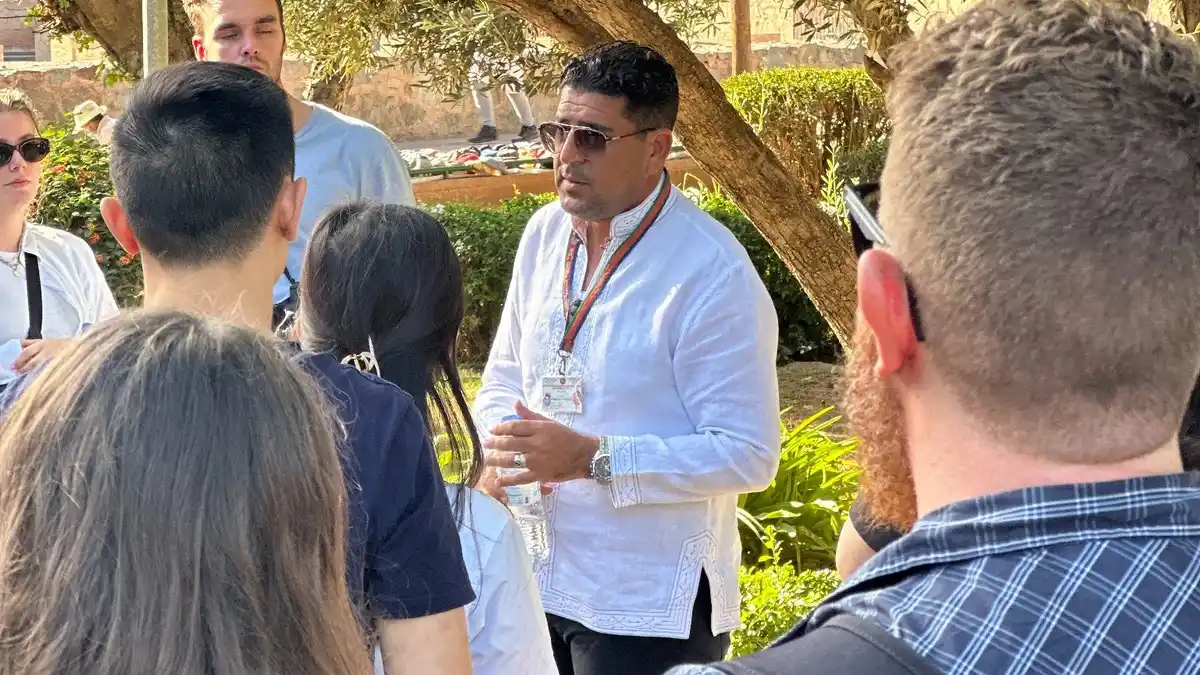
I was born in Morocco and grew up here. Today, I work as a professional tour guide and spend my days with travelers visiting cities, villages, deserts, and old medinas. I see how people arrive a little nervous on their first day, especially after reading too much online. Then I see how fast that feeling changes once they understand how things work here. I explain this in more detail in my Morocco Travel Guide, because understanding daily life makes everything feel easier.
When people ask if Morocco is safe, they often compare it to their home country. But safety here works in a different way. It is not only about crime numbers. It is about knowing what behavior is normal, how people talk to each other, and how public places function. Once you understand that, many situations that look worrying at first stop feeling like a problem.
A lot of confusion comes from what people read online. Small uncomfortable moments are sometimes described as serious danger. I explain the difference clearly in my guide about Safety in Morocco, because real safety and feeling uncomfortable are not the same thing.
This article is written to help you understand Morocco before you arrive. I will talk about what tourists usually experience, what you should actually pay attention to, and what is often misunderstood. My goal is simple: when you finish reading, I want you to feel prepared, not scared.
Table of Contents
Table of Contents
Why Morocco Can Feel Unsafe at First (But Isn’t)
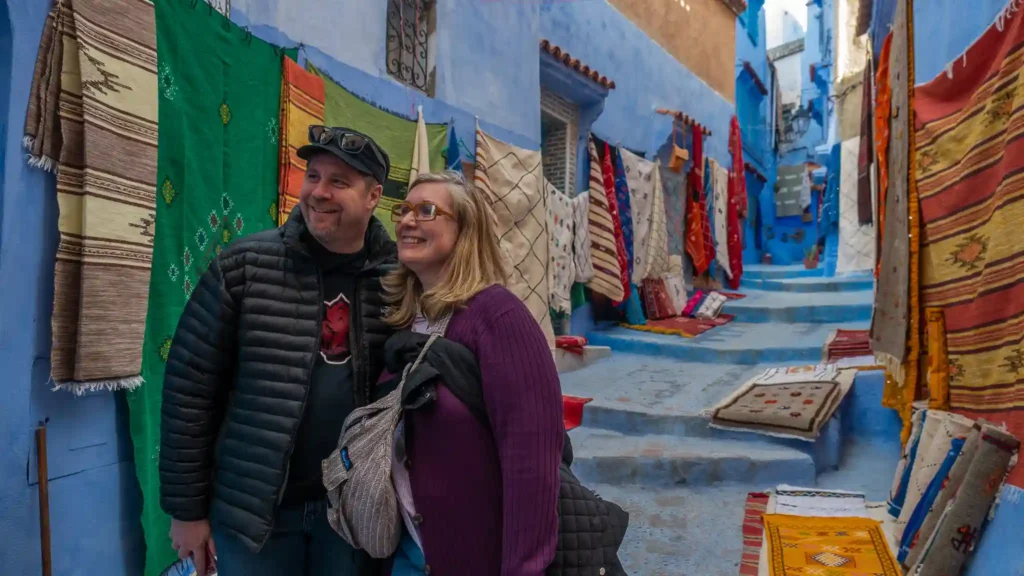
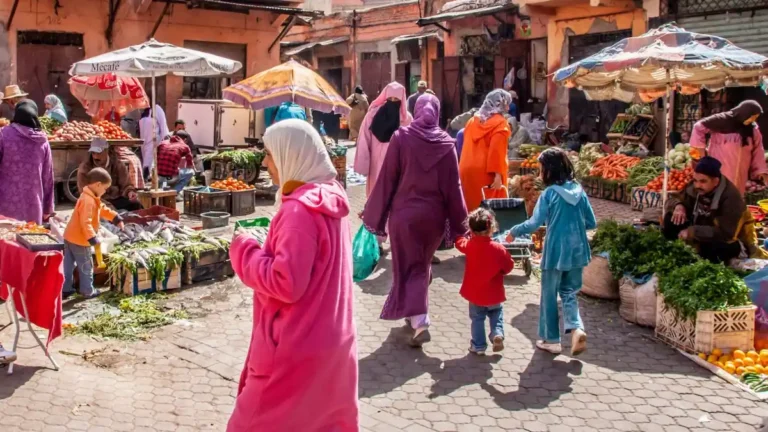
Most safety concerns in Morocco do not come from crime. They come from situations that are unfamiliar to first-time visitors. These situations happen mainly in medinas, busy markets, and transport areas, especially during the first two or three days of the trip.
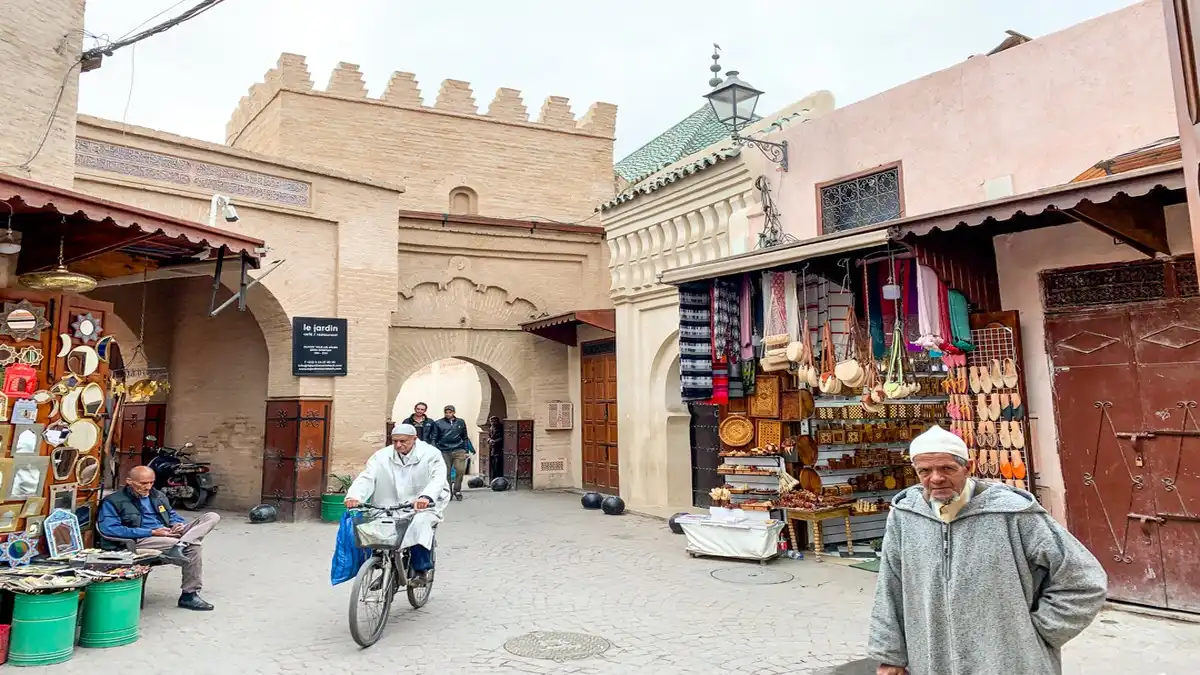
One common situation is being approached in public. In Morocco, people speak to strangers more openly than in many countries. Someone may ask where you are from, offer directions, or invite you to look inside a shop. This happens most often in tourist-heavy areas and near landmarks. It is usually about curiosity or business, not danger. The best response is simple and calm: a polite no and keep walking. Engaging emotionally or stopping for long conversations is what usually creates discomfort.
Another situation is negotiation. Prices in markets, taxis, and informal services are often flexible. A high starting price is normal and expected. Travelers who see this as a threat feel stressed. Travelers who understand it as part of local business stay in control. Agreeing on prices before using a service removes most problems immediately.
Personal space is another difference. In crowded areas, people stand closer, speak louder, and use more hand gestures. For visitors not used to this, it can feel aggressive. In reality, it is normal communication in busy environments. These situations are rarely confrontational and usually end once you move away.
Getting lost in a medina is also common and often mistaken for a safety issue. Narrow streets, few signs, and phone maps that don’t work well can make people panic. Being lost is not dangerous. Asking a shopkeeper, café worker, or family is usually the fastest way out. Problems happen when travelers panic, not when they are lost.
Almost all of these situations are temporary and location-based. They happen in busy areas, during the first days, and mostly to travelers who are still learning how things work. Once visitors understand these patterns, the same streets feel completely different.
The key point is simple: what feels like danger at first is usually unfamiliar behavior, not risk. Once travelers recognize this, Morocco becomes much easier to move through and far more enjoyable.
Is Morocco Safe at Night?
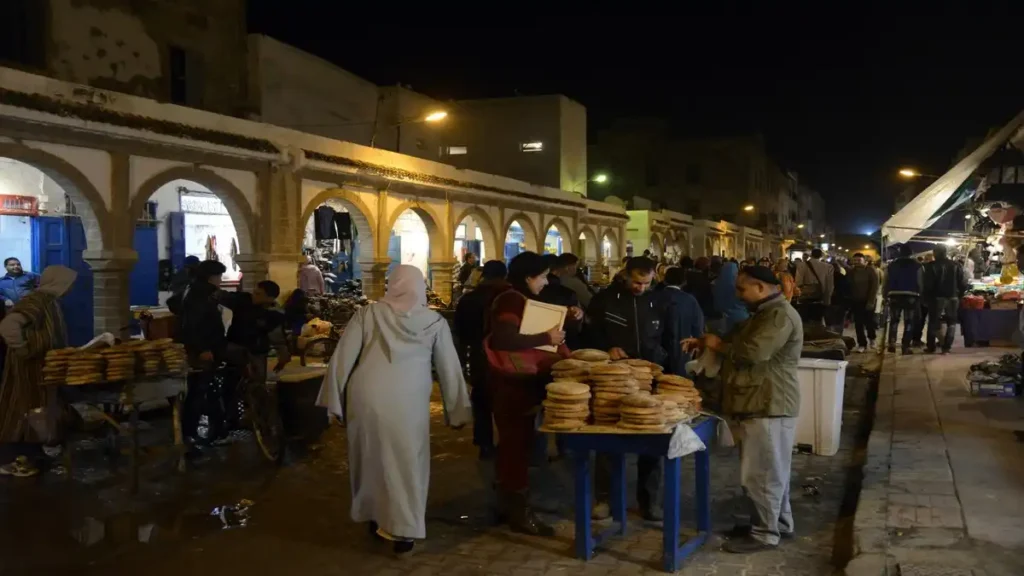
Morocco does not become dangerous when the sun goes down. In most cities, evenings are part of daily life. People go out late, cafés stay open, and main streets remain active well into the night. For travelers staying in central or busy areas, being outside after dinner usually feels normal once you get used to the atmosphere.
In places like Marrakech and other major cities, areas that are lively during the day are usually lively at night as well. The presence of families, locals, and visitors creates a feeling of activity rather than risk. What can feel uncomfortable at first is not danger, but the noise, lights, and attention that come with busy evenings.
Quiet streets can feel less comfortable at night, especially if you don’t know the area well. This is not unique to Morocco. Using a taxi for short distances is common and makes evenings easier, not because walking is unsafe, but because it removes uncertainty. Choosing well-lit streets and staying where people are around is usually enough.
From my experience guiding travelers, the people who feel safest at night are the ones who stay calm, move with confidence, and don’t overthink small situations. Moroccan evenings are social, not threatening, and once travelers understand that, night walks, cafés, and city squares often become highlights of the trip.
While Morocco is generally safe, I always recommend having travel insurance. Not because something bad is expected, but because it covers health issues, delays, and unexpected situations.It’s one of those small things that gives you peace of mind for the whole trip.
Cities vs Rural Safety in Morocco
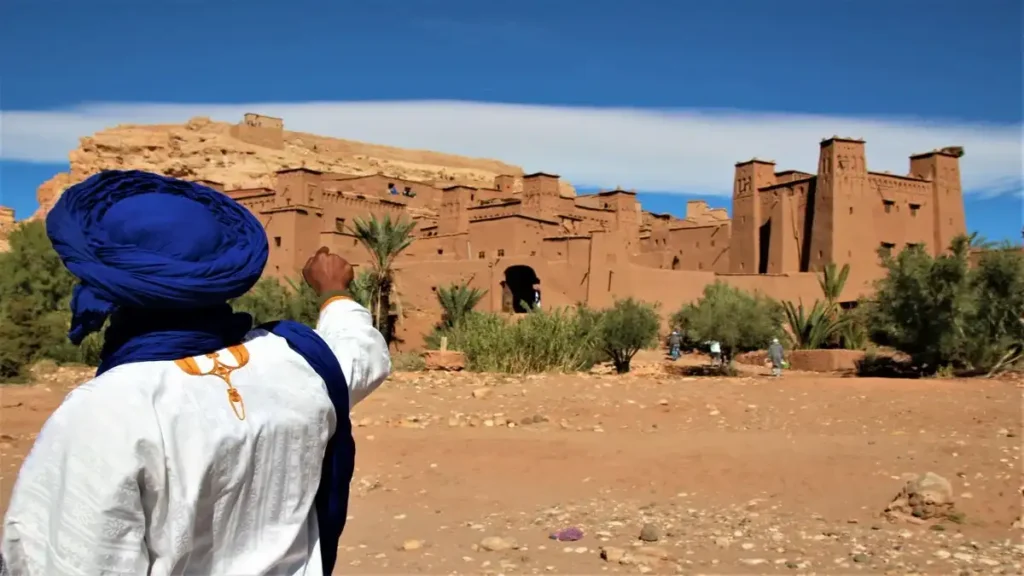
Safety in Morocco feels different depending on where you are, and many travelers don’t expect this before they arrive. Big cities and rural areas are both generally safe, but they create very different impressions, especially for first-time visitors.
In large cities like Marrakech or Fes, streets are busy and full of movement. There are many people, many sounds, and constant interaction. For some travelers, this feels overwhelming at first and can create the feeling that something might go wrong. In reality, busy areas often feel safer once you understand them because help is nearby and people are always around. What usually bothers visitors in cities is attention, not danger.
Rural areas and small towns feel much quieter. Life moves slowly, and strangers are noticed more easily. This can feel uncomfortable at first, especially if you are not used to being observed. But in practice, villages are very safe. Crime is rare, and people are often curious rather than suspicious. In many rural places, if you needed help, several people would step in immediately.
The main difference between cities and rural areas is not safety, but comfort. Cities have taxis, clear services, and more people who speak foreign languages. Rural areas have fewer services and less structure, which means travelers need to plan better. Most problems outside cities come from transport or communication, not security.
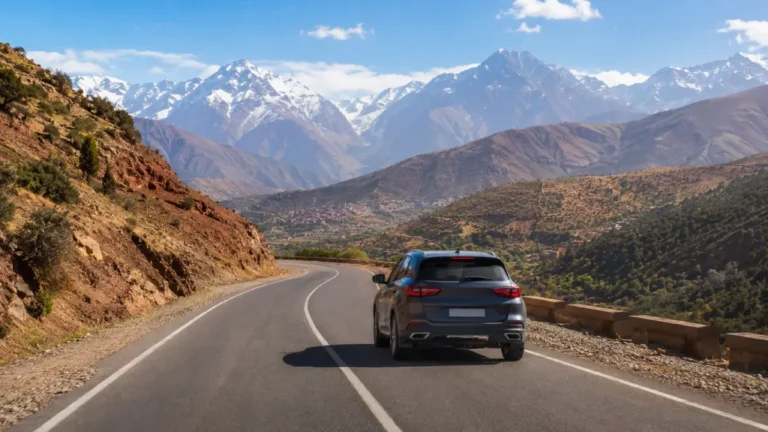
Knowing how transport works removes a lot of stress, which is why I recommend reading my Morocco Transportation Guide before moving between cities.
From my experience, travelers often expect cities to feel calm and villages to feel risky. In Morocco, it is often the opposite. Cities feel intense but organized. Rural areas feel unfamiliar but protective. Once travelers understand this, they relax and enjoy both sides of the country much more.
Solo Travelers & Women in Morocco
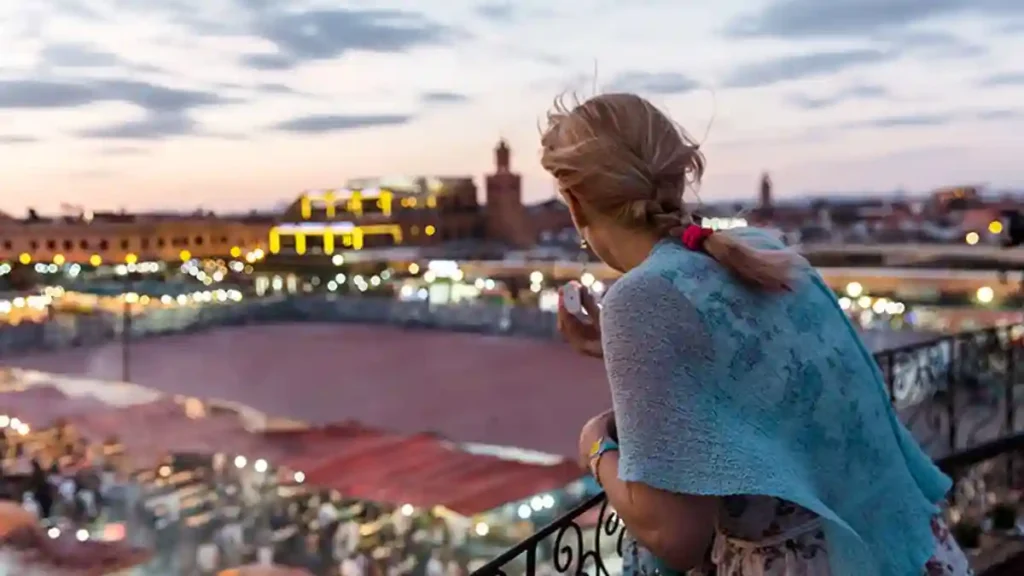
Morocco welcomes many solo travelers every year, including a large number of women traveling alone. In general, solo travel here is safe, but it can feel challenging at first if you are not used to the way people interact in public.
The biggest difference for many solo travelers, especially women, is attention. People may look, talk, or ask questions more openly than in some other countries. This is often curiosity, not hostility. For first-time visitors, this attention can feel uncomfortable, even though it rarely leads to real problems. Understanding this early helps reduce stress.
What makes the biggest difference is how you carry yourself. Walking with confidence, knowing where you are going, and not engaging in unwanted conversations usually keeps things simple. Dressing in a way that feels respectful and comfortable also helps, not because it is required, but because it reduces unnecessary attention.
Harassment does exist, mostly verbal, and it should not be ignored or accepted as normal. At the same time, it is rarely physical or dangerous. Most solo women I guide tell me that once they learn how to say no calmly and keep moving, situations become much easier to manage.
From my experience, many solo travelers arrive nervous and leave feeling stronger and more confident. Morocco can be challenging in the beginning, but it also teaches awareness and self-confidence. For those who are prepared and open-minded, solo travel here is not only possible, it is often deeply rewarding.
Scams vs Real Crime in Morocco
One of the biggest misunderstandings about safety in Morocco is the confusion between scams and real crime. Many travelers arrive worried about being harmed, when in reality the most common issues are related to money and misunderstandings, not physical danger.
Real crime involving tourists is rare. Violent incidents are uncommon, and tourists are not a typical target for serious crime. What visitors usually experience are small situations where someone tries to charge more than expected, offer an unnecessary service, or take advantage of inexperience. These situations can feel stressful, but they are not dangerous.
Scams in Morocco are often very simple. A person may offer help with directions and later expect money. A taxi driver may start a ride without agreeing on a price. A seller may quote a higher price, assuming negotiation will follow. These behaviors are part of informal systems that exist alongside official ones. Once travelers understand this, they stop feeling like victims and start feeling in control.
The problem is that these situations are sometimes described online as serious threats, which creates fear before people even arrive. In reality, most of these moments can be handled calmly by saying no, walking away, or agreeing on terms before accepting help. They do not usually turn into confrontations.
If you want to go deeper into common situations tourists face, I break them down step by step in my guide on Morocco Travel Scams & Tourist Traps.
From my experience, travelers who understand the difference between scams and real crime feel much safer. They stop worrying about being attacked and focus instead on learning how to handle everyday situations. Once this mental shift happens, Morocco feels far less intimidating and much easier to enjoy.
Police, Security, and How Morocco Protects Tourism
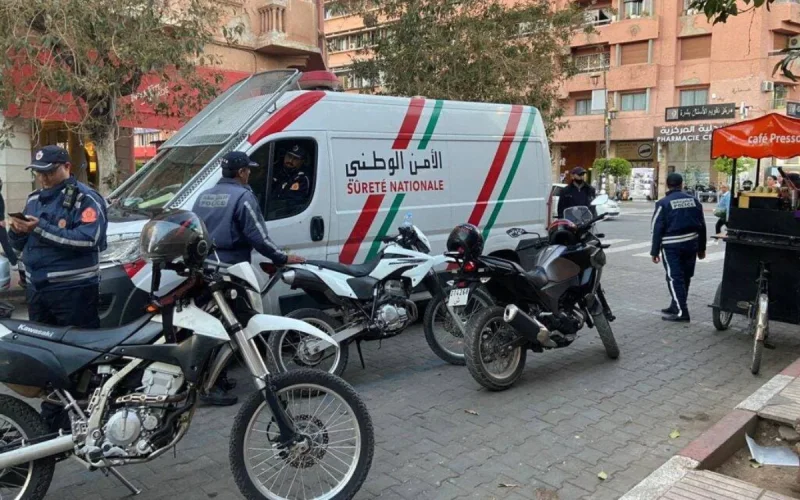
Morocco takes tourism seriously, and this is something many visitors only notice after they arrive. In major cities and popular areas, police presence is normal and part of daily life. You will often see officers walking through medinas, standing near busy squares, or monitoring entrances to important sites. Their role is not only enforcement, but also prevention and assistance.
There is a specific focus on tourist areas. Historic centers, busy markets, transport hubs, and major attractions are watched more closely than residential neighborhoods. This does not always feel obvious, because officers are often positioned quietly rather than visibly controlling the space. But if a situation escalates or a visitor needs help, response is usually quick.
From my experience guiding travelers, when tourists do have a serious issue and contact the police, they are usually surprised by how calm and helpful the response is. Authorities understand that visitors may be stressed, confused, or unfamiliar with local systems, and this is taken into account when handling problems.
Security also starts before visitors even arrive. Airports, train stations, and large events are monitored carefully. Morocco invests heavily in keeping tourist infrastructure stable because tourism is a major part of the economy. Protecting visitors is not just about safety, it is about reputation and trust.
Morocco’s approach to tourist security is also reflected in official travel advice published by foreign governments, such as the UK Foreign Office travel guidance for Morocco, which is regularly updated.
For travelers, this means one simple thing: you are not on your own. Even if you never interact with the police directly, their presence is part of why Morocco feels stable in busy areas. Knowing this helps many visitors relax and focus on enjoying their trip instead of worrying about worst-case scenarios.
I explain this more clearly in my detailed guide on Safety in Morocco, where I separate real concerns from exaggerated fears.
Do You Need a Guide to Feel Safe?
You do not need a guide to be safe in Morocco. Many travelers explore on their own without any serious problems. Morocco is not a place where you must have a guide for protection. That idea often comes from fear, not reality.
That said, traveling with a guide changes how the experience feels. Not because the streets are dangerous, but because uncertainty disappears. When you have a guide, you don’t have to think about where to go, who to trust, or how to handle small situations. You move through places with confidence because someone is explaining what is happening around you.
I’ve noticed something interesting over the years. Travelers who come without a guide often say they felt stressed during the first days, then relaxed later once they understood how things work. Travelers with a guide usually relax from the first hour. The difference is not safety, it is comfort.
A guide is especially helpful for first-time visitors, people who don’t enjoy negotiating, or travelers who want deeper understanding instead of surface sightseeing. Having a guide also helps avoid unnecessary situations that can feel uncomfortable, even if they are not dangerous.
The Truth I Tell Every Traveler Before They Leave
Before travelers leave Morocco, I always tell them the same thing.
Morocco is not a place you come to fear. It’s a place you come to understand.
Most people arrive a little worried, especially after reading too much online. By the end of the trip, that worry is gone. They leave feeling more confident, more relaxed, and often surprised by how comfortable they felt here. What stays with them are not the warnings they read before coming, but the people they met, the conversations they had, and the moments that felt real.
Morocco gives back to travelers who arrive with patience and an open mind. When you take time to understand how things work instead of judging them quickly, the country becomes easier, warmer, and far more enjoyable.
FAQs About Is Morocco Safe for Tourists?
Is Morocco safe for first-time visitors?
Yes. Most first-time visitors feel unsure during the first days, mainly in busy areas like medinas and markets. Once they understand how people interact and how prices and transport work, that uncertainty fades quickly. Serious safety incidents involving tourists are rare.
Is Morocco safe for families with children?
Yes. Families travel comfortably in Morocco. Children are welcomed in public spaces, restaurants, and riads. The main challenges for families are heat, walking distances in old cities, and planning transport, not safety.
Is Morocco safe for solo female travelers?
Yes, many women travel alone in Morocco every year. The main issue is attention in public spaces, not physical danger. Choosing good accommodation, staying confident, and avoiding unnecessary interaction makes a big difference. Most harassment is verbal and does not escalate.
Is Morocco safe at night?
In busy and central areas, yes. Evenings are active in Moroccan cities, with cafés and people out late. Quiet or unfamiliar streets late at night are best avoided, as in any country. Taxis are widely available and easy to use.
Are scams common in Morocco?
Small scams and overpricing exist, especially in tourist areas. They are usually related to money, not safety. Agreeing on prices before using services and avoiding unnecessary help prevents most issues.
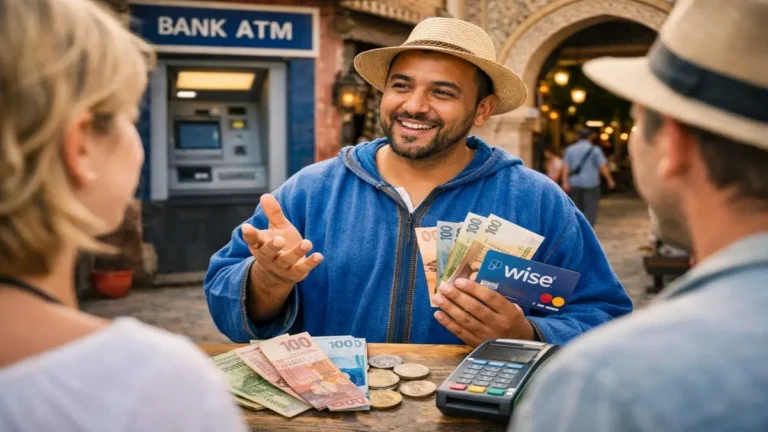
Understanding how cash, prices, and payments work makes travel much easier, and I explain this clearly in my Money in Morocco guide.
Is public transportation safe?
Yes. Trains are reliable, buses are widely used, and taxis are common. Most problems come from confusion about routes or prices, not security. Planning ahead and confirming details avoids stress.
Is Morocco safe for Americans and Europeans?
Yes. Nationality does not affect safety. Morocco receives visitors from all over the world, and tourists are treated the same regardless of where they come from.
What should I do if a situation feels uncomfortable?
Leave calmly. Walk into a shop or café, take a taxi, or move to a busier area. Feeling uncomfortable does not mean danger, but acting early keeps situations simple.
Final Word From a Local
Morocco is safe for tourists. Not because nothing ever happens, but because most situations make sense once you understand the country.
When you know how people live, how they talk, and how daily life works, fear disappears. And when fear disappears, Morocco shows you its best side.
Some links in this guide are affiliate links. This means I may earn a small commission at no extra cost to you. I only recommend services I trust and that genuinely help travelers in Morocco.