Autumn in Morocco: Weather, Best Places to Visit & Local Tips
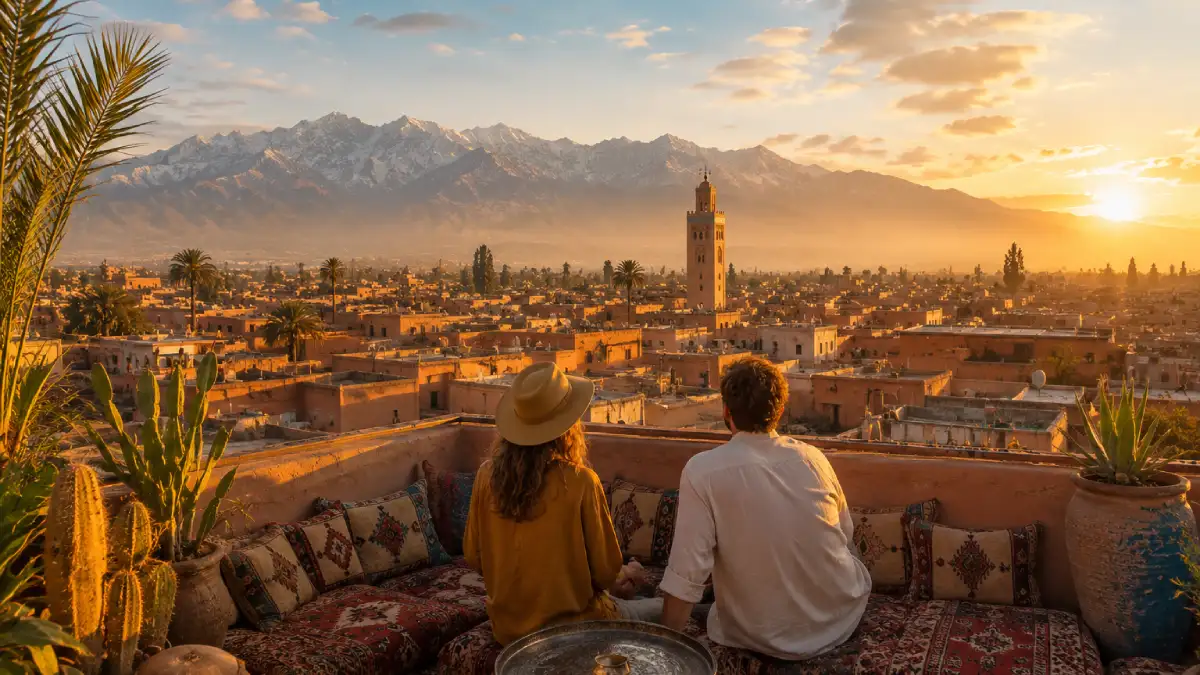
Autumn in Morocco is when the country starts breathing again after the strong summer heat. The air becomes softer, the light turns golden, and the classic Morocco route feels possible again: Marrakech, Fes, the Atlas Mountains, the Sahara Desert, coastal towns, and old imperial cities can all fit together much more comfortably.
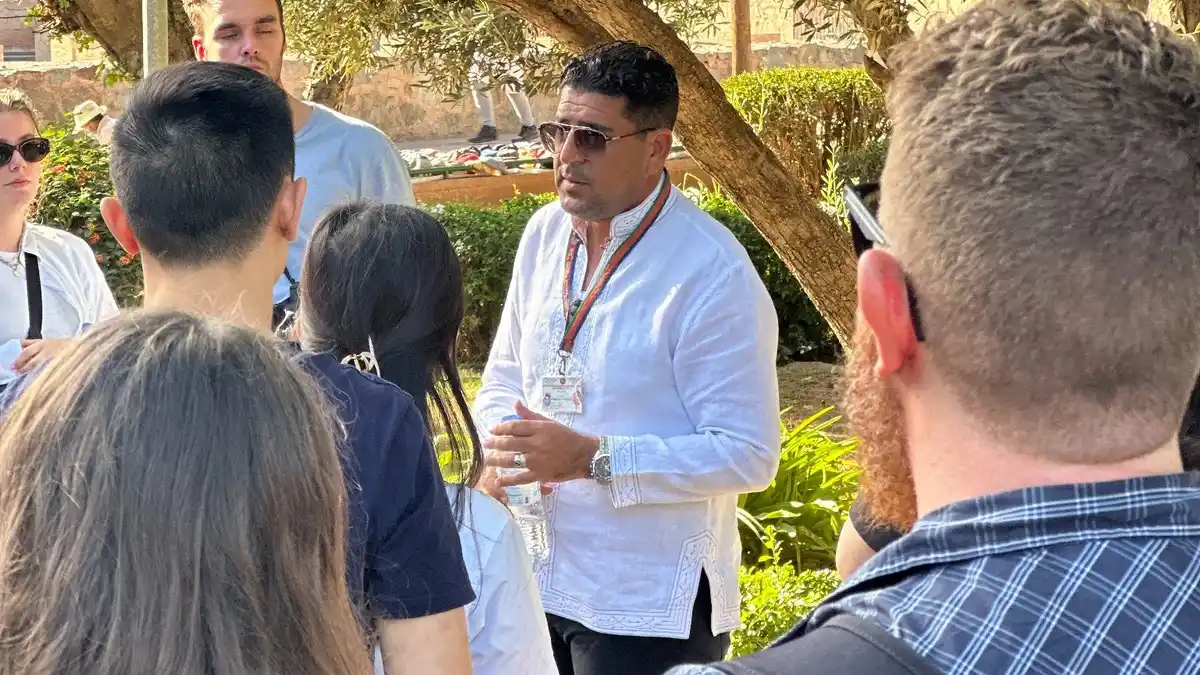
From my experience as a licensed tour guide in Morocco, autumn is one of the best seasons for travelers who want a real Morocco trip without fighting extreme temperatures every day. September still carries some summer warmth, especially inland and in the south, but October and November are usually much easier for sightseeing, hiking, road trips, and Sahara desert tours.
If this is your first time visiting the country, I recommend starting with my full Morocco Travel Guide. It will help you understand the main regions, travel routes, transport options, safety tips, costs, and cultural basics before you decide how to build your autumn itinerary.
Autumn is also a beautiful harvest season in Morocco. Dates are important in the southern oases, olives become part of rural life in many regions, and the Sahara-edge landscapes have that special golden light travelers dream about. If summer is the season of the coast, autumn is the season when Morocco opens again.
Table of Contents
Table of Contents
Is Autumn in Morocco a Good Time to Visit?
Some links in this guide may earn a small commission at no extra cost to you. I only recommend services I trust for planning a Morocco trip.
Yes, autumn in Morocco is one of the best times of year to visit. The weather is usually warm enough for outdoor travel but cooler than summer, the Sahara becomes more comfortable, and the cities feel easier to explore on foot.
This is the season I often recommend for first-time visitors who want a full Morocco itinerary. You can visit Marrakech without hiding from the heat all afternoon, explore Fes with more patience, cross the Atlas Mountains with clearer air, and spend a night in the Sahara Desert without the extreme summer discomfort.
If your travel dates are still flexible, my Best Time to Visit Morocco guide compares autumn with spring, summer, and winter so you can choose the season that fits your style of trip.
My honest local advice is simple: if you want the widest choice of places, autumn is one of the safest seasons to choose.
Autumn in Morocco Weather by Region
Autumn weather in Morocco depends on where you go. Morocco is not one climate. The Atlantic coast, inland cities, Sahara Desert, Atlas Mountains, and northern regions can feel completely different during the same trip.
September can still feel hot, especially in Marrakech, Fes, the desert edge, and southern routes. October is usually the sweet spot for many travelers, with warm sunny days and cooler nights. November feels calmer and cooler, but evenings can become cold in the Sahara and mountains, and the north can see more rain.
| Region | Typical Autumn Feeling | Local Advice |
|---|---|---|
| Marrakech & Fes | Warm days, cooler evenings | Best for medina walks, monuments, rooftops, and guided tours |
| Sahara Desert | Comfortable days, colder nights later in autumn | Excellent for desert camps, but pack warm layers |
| High Atlas Mountains | Fresh air, clear views, cold evenings | Great for hiking and villages, especially October |
| Essaouira & Atlantic Coast | Breezy, mild, sometimes windy | Good for seafood, walks, surf, and relaxed travel |
| Chefchaouen & Rif Mountains | Cooler mountain air, possible rain later | Beautiful light and quieter streets |
| Rabat, Casablanca & Tangier | Mild coastal cities, more rain possible in November | Good for city breaks and coastal culture |
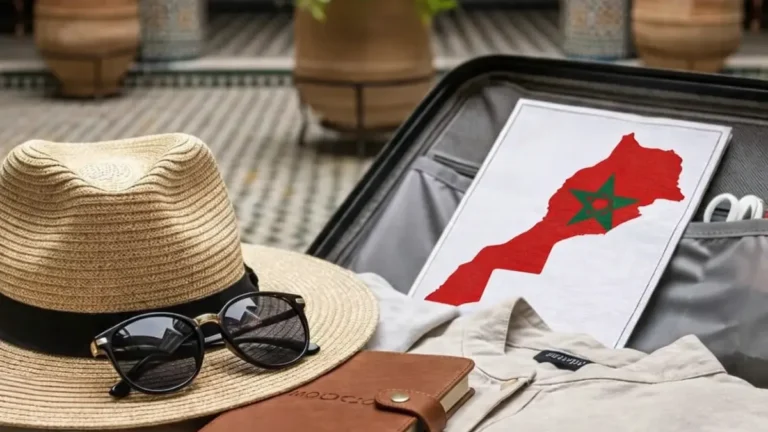
This is why autumn packing in Morocco must be smart. You may wear a light shirt during the day in Marrakech, a jacket at night in the desert, and a wind layer on the coast. My Morocco Packing List explains this in more detail if you want to prepare properly before your trip.
Autumn in Morocco by Month
Morocco in September
September is the transition month. It is not summer like July or August, but it can still feel hot in inland areas. Marrakech and Fes may still have strong afternoon heat, and the Sahara can be warm during the day. But evenings begin to feel better, and coastal places like Essaouira, Agadir, Rabat, Casablanca, Tangier, and Asilah remain good choices.
September is a good month if you want a quieter feeling than peak summer but still enjoy warm weather. It works well for the coast, cities with slower pacing, and some desert travel if you plan carefully. If you are coming early in the season, read my full Morocco in September guide for weather, packing advice, and route ideas.
Morocco in October
October is the strongest autumn month for many travelers. If someone asks me for the best month for a classic Morocco route, October is always near the top of my list.
A good Morocco October itinerary can include Marrakech, the High Atlas, Ait Ben Haddou, Dades Valley, Merzouga, Fes, Chefchaouen, Rabat, and Essaouira, depending on how many days you have. The days are usually warm enough for sightseeing, the desert becomes comfortable again, and evenings feel beautiful for rooftop dinners, medina walks, and campfires in the Sahara.
October is also one of the best months for hiking, photography, cultural tours, and desert camps. If you want a full country route without summer heat or winter cold, my Morocco in October guide will help you plan the month in more detail.
Morocco in November
November is calmer and cooler. It is a beautiful month for Marrakech, Fes, the Sahara, and cultural travel, but you need to bring layers. Desert nights can become cold, mountain evenings can feel sharp, and northern Morocco or the Atlantic coast may see more rain.
I like November for travelers who enjoy peaceful travel and do not need beach weather every day. It is especially good for people who want less heat, softer light, and comfortable sightseeing. But if you are sleeping in a desert camp, do not arrive with only summer clothes. My Morocco in November guide explains the cooler weather, what to wear, and how to plan your route during this quieter autumn month. If Marrakech is your main stop, my November guide for Marrakech goes deeper into the city’s weather, crowds and practical planning.
Why Autumn Is One of the Best Times for a Full Morocco Itinerary
Autumn gives you range. This is the big advantage. In summer, I usually tell travelers to build around the coast. In winter, I remind them that nights can be cold. In autumn, especially October, you can combine many different Morocco experiences with fewer compromises.
You can start in Marrakech, cross the High Atlas, visit Ait Ben Haddou, continue through the valleys, sleep in the Sahara, drive north to Fes, enjoy Chefchaouen, then finish with Rabat, Casablanca, or Essaouira. That kind of trip feels much more natural in autumn than in July or August.
For first-time visitors, autumn is one of the best seasons to follow a classic Morocco route. You still need to respect travel distances, but the weather helps instead of working against you.
Best Places to Visit in Morocco in Autumn
Marrakech
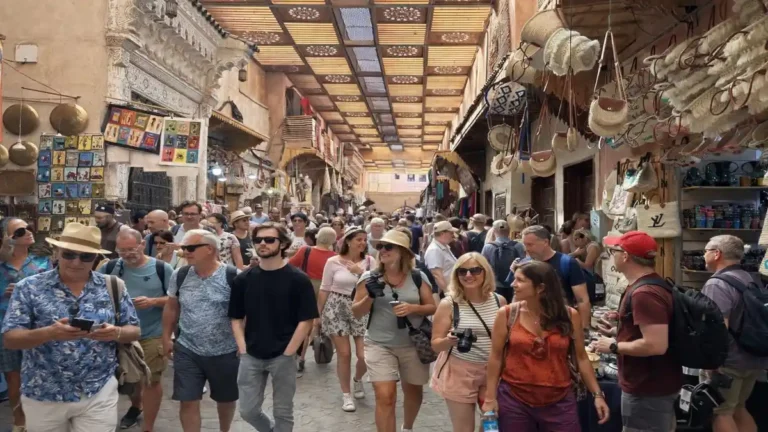
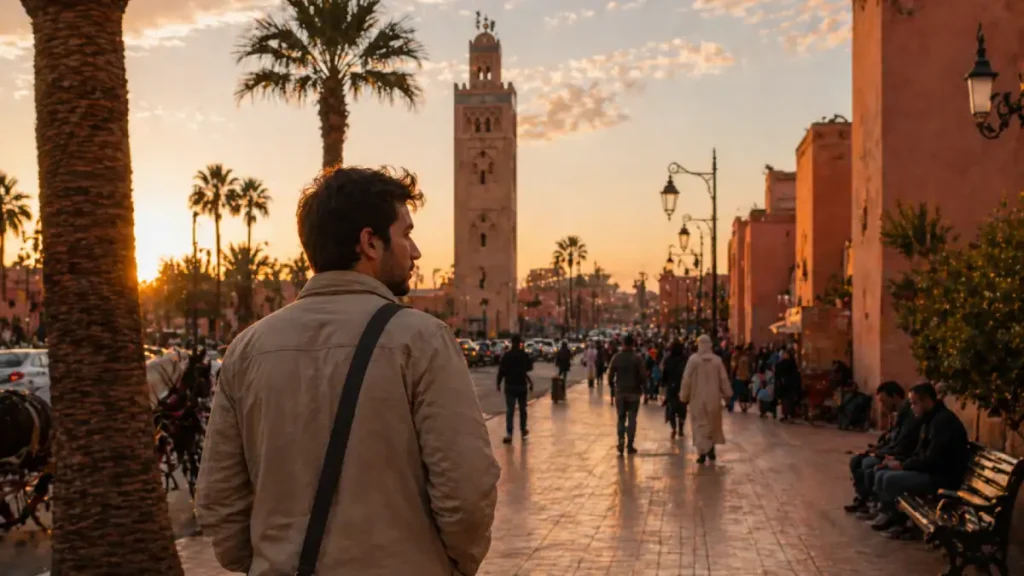
Marrakech is much easier in autumn than summer. You can visit Bahia Palace, Ben Youssef Madrasa, the souks, gardens, rooftops, and Jemaa el-Fna without the same heavy heat of July and August.
In my tours, autumn mornings are excellent for guided medina walks. The city feels alive, but not as punishing as summer. You can start around 9 AM, visit the main historical sites, enjoy a proper lunch, rest in the afternoon, then come back out for sunset and dinner.
Local expert tip: October and November are great months for riads, but book early if you want a beautiful place inside the medina. Autumn is popular, and the best-value riads do not stay available for long.
Fes and Meknes
Fes is one of the best cities to visit in autumn because the medina is easier to explore when the heat softens. Fes needs patience. It is deep, old, layered, and full of narrow streets. In hot weather, some travelers get tired quickly. In autumn, you can take your time.
Meknes is also a good autumn stop, especially if you are interested in imperial history, gates, old walls, and nearby Volubilis. Around Meknes and the surrounding agricultural regions, autumn also connects nicely with the olive harvest season.
Local expert tip: Fes is better with a good local guide, especially for first-time visitors. You will understand more, avoid wasting time, and enjoy the medina without feeling lost every ten minutes.
Sahara Desert: Merzouga, Erg Chebbi, and Zagora
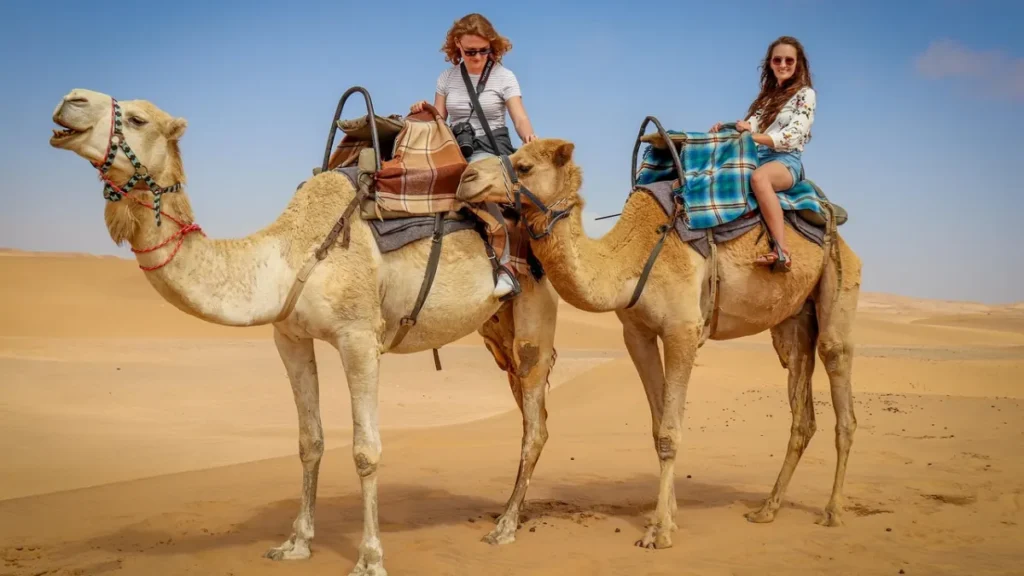
Autumn is one of the best times for Sahara desert tours. The extreme heat of summer drops, camel rides become more comfortable, and desert camps feel enjoyable again. October is especially strong for Merzouga and Erg Chebbi because days are warm, evenings are pleasant, and nights begin to feel fresh.
By November, desert nights can be cold, so pack properly. A desert camp can be magical in November, but only if you bring warm layers. I always tell guests: the Sahara is not only about the camel ride. The real beauty is sunset, silence, stars, sunrise, and the feeling of space.
If the Sahara is the main dream of your autumn trip, my authentic Morocco Sahara Desert tours guide will help you understand the real experience, the routes, and how to choose the right desert style.
Local expert tip: For most first-time travelers, Merzouga and Erg Chebbi are easier to plan than wilder desert routes. If you want something more remote, give yourself more days and do not rush the journey.
High Atlas Mountains: Imlil, Ouirgane, and Bou Tharar
Autumn is one of the best seasons for the Atlas Mountains. The air becomes clearer after summer, hiking feels more comfortable, and villages return to a calm daily rhythm after the hottest months.
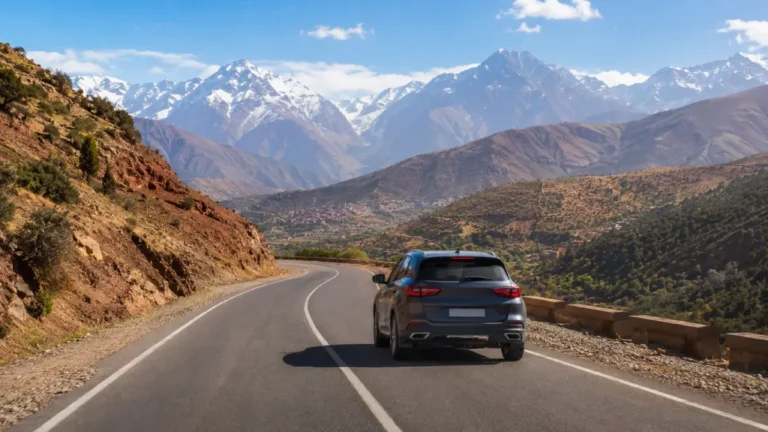
If you ask me the best time to visit Morocco for hiking, I usually say spring and autumn. October is especially good for many Atlas routes because the days are not too hot and the views can be beautiful. Around Imlil, Ouirgane, Ait Bouguemez, and Bou Tharar, autumn gives you mountain scenery, Berber villages, and a slower side of Morocco that many travelers miss.
Local expert tip: Even if Marrakech is warm, mountain evenings can be cold. Bring a fleece or light jacket if you plan to sleep in the Atlas.
Chefchaouen and the Rif Mountains
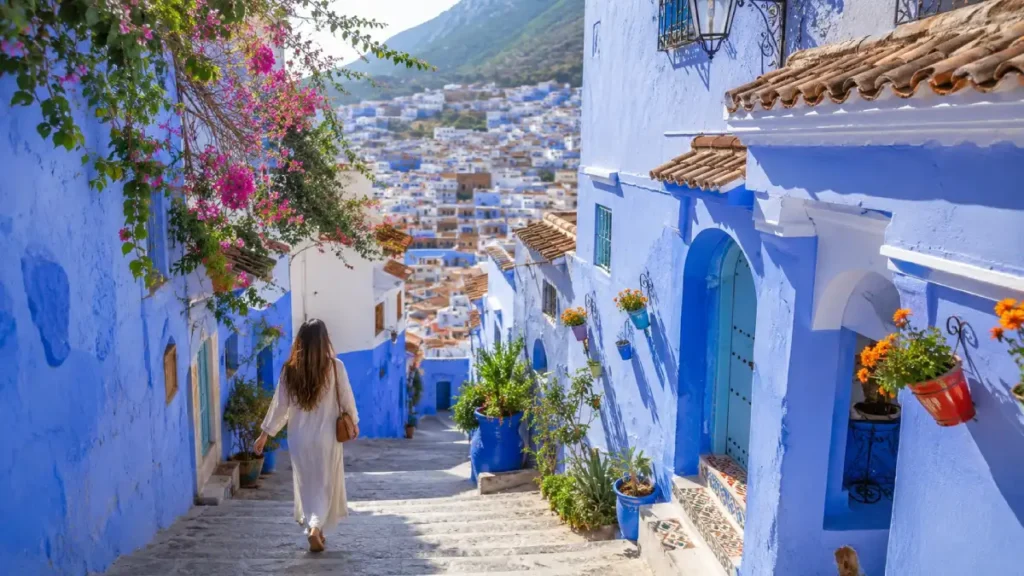
Chefchaouen is beautiful in autumn. The blue streets look softer in the lower autumn light, and the surrounding Rif Mountains can feel fresh after summer. If you enjoy photography, the Blue City autumn light is one of the reasons this season works so well.
Late autumn can bring more rain in the north, but this also gives the region a greener feeling. If you want to hike around the Rif or visit Akchour, start early and check local conditions, especially after rain.
Local expert tip: Chefchaouen is not a quick stop if you want to enjoy it properly. Stay at least one night, preferably two if you want to visit Akchour or walk slowly through the medina.
Essaouira
Essaouira is known as Africa’s Windy City, and autumn is a lovely time to visit if you want sea air, seafood, easy medina walks, and a calmer coastal atmosphere. The wind can still be strong, so it is often better for surfing, windsurfing, and walking than for long lazy swims.
Essaouira works well at the end of an autumn itinerary. After Marrakech, the mountains, or the desert, the Atlantic coast feels like a deep breath. You can walk the ramparts, eat grilled fish near the port, drink coffee in the medina, and slow down before flying home.
Local expert tip: Essaouira is not just a beach town. Its medina, Jewish heritage, music culture, fishing port, and relaxed rhythm make it one of the best places to finish a Morocco trip.
Erfoud, Rissani, and the Tafilalet Oases
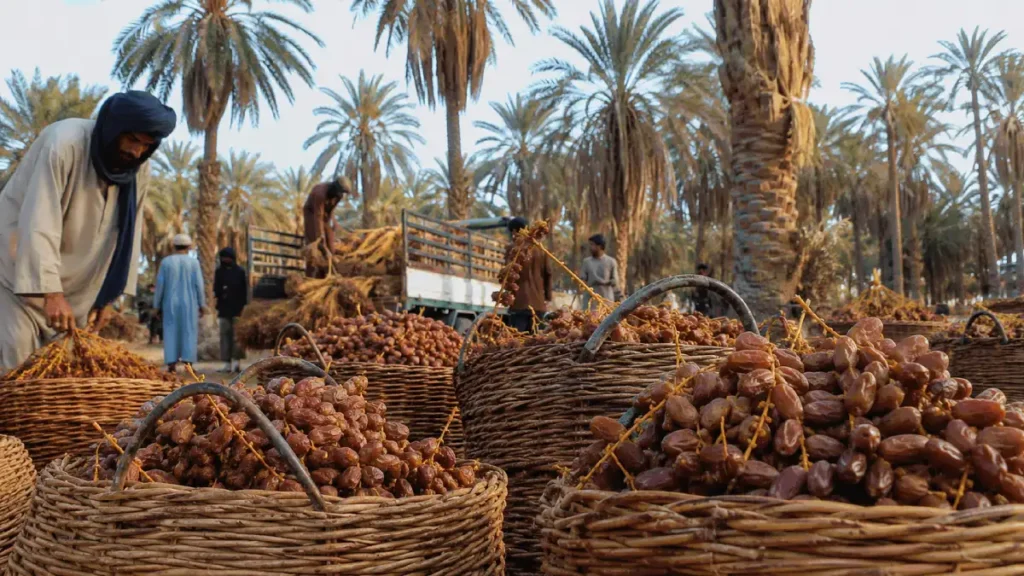
Autumn is harvest season in the southern oases, especially around Erfoud, Rissani, and the Tafilalet region. This is date country. Mejhoul, Bouskri, Boufeggous, and other Moroccan date varieties are part of the culture, economy, and hospitality of the south.
The Date Festival Morocco Erfoud is one of the most interesting cultural events of autumn. In 2025, Morocco World News reported that the 14th International Date Fair in Erfoud ran from October 29 to November 2, bringing together more than 230 Moroccan and international exhibitors and expecting over 90,000 visitors.
Local expert tip: If your autumn route goes through Erfoud or Rissani, do not treat dates as just a snack. Ask about the varieties, visit the market, and buy from local producers when possible. Dates tell the story of oasis life.
Moroccan Harvest Season: Dates, Olives, and Rural Life
Autumn in Morocco is not only about weather. It is also a harvest season, and this gives the country a special feeling.
In the south, dates are deeply connected to oasis life. They are food, hospitality, trade, and identity. Around Erfoud, Rissani, Zagora, and the Draa Valley, palm groves have supported communities for generations. When you eat dates with milk or tea in a Moroccan home, it is not just something sweet. It is a welcome.
In the north, the Meknes region, the Rif Mountains, and many rural areas, olives become important in late autumn. Olive oil is part of everyday Moroccan cooking, and the harvest supports many families. If you travel through rural areas in autumn, you may see families collecting olives, pressing oil, or selling local products.
Women’s cooperatives also play an important role in many regions, especially with oils, crafts, local products, and rural livelihoods. When you buy directly from a serious cooperative, you are not only buying a souvenir. You are supporting local work, especially women’s income in rural communities.
This is the kind of Morocco I love showing travelers: not only monuments and photos, but the life behind them.
Best Autumn Itinerary Ideas for Morocco
7 Days in Morocco in Autumn
For 7 days, keep the route realistic. I recommend either Marrakech, High Atlas, Ait Ben Haddou, Dades Valley, and Merzouga, ending back in Marrakech, or Marrakech, Essaouira, and the Atlas Mountains for a softer route.
A 7-day Morocco autumn itinerary can work beautifully, but do not try to include everything. If you want the Sahara, accept some long travel days. If you want a slower trip, stay closer to Marrakech, the coast, and the mountains.
10 Days in Morocco in Autumn
With 10 days, you can build a strong classic itinerary. Start in Marrakech, cross the High Atlas, visit Ait Ben Haddou, continue to Dades or Todra, sleep in Merzouga, then travel to Fes. From Fes, add Chefchaouen or Rabat depending on your pace.
This is where a Morocco October itinerary really shines. The route gives you cities, mountains, kasbahs, desert, and medinas without the worst summer heat.
14 Days in Morocco in Autumn
With 14 days, Morocco becomes much easier to enjoy. You can include Marrakech, the High Atlas, desert, Fes, Chefchaouen, Rabat, Casablanca, and Essaouira without rushing every day.
This is my favorite style for autumn because it gives space for real travel. You are not only checking cities. You are feeling the difference between mountain mornings, desert silence, imperial medinas, and Atlantic evenings. If you want to compare these routes in more detail, my Morocco Itinerary 7, 10 & 14 Days guide will help you choose the best route for your travel style, pace, and season.
Autumn Travel Costs and Booking Tips
Autumn is a popular season, so do not expect everything to be cheap. September can sometimes be easier for prices than October, but October and early November are strong travel months. Riads, desert camps, private drivers, and guided tours can fill early, especially around school holidays and popular travel weeks.
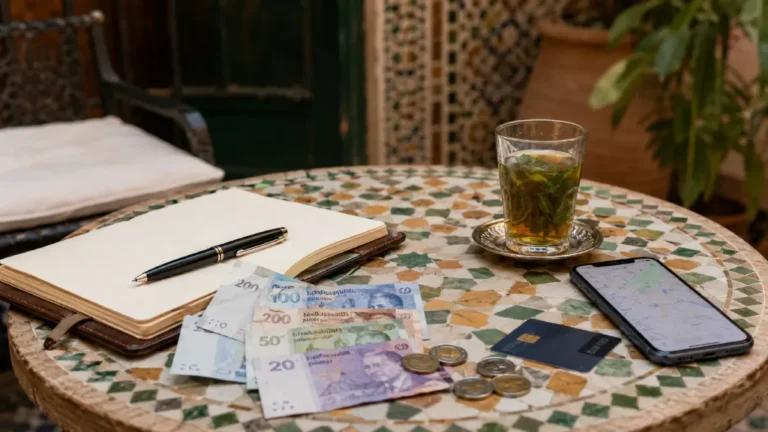
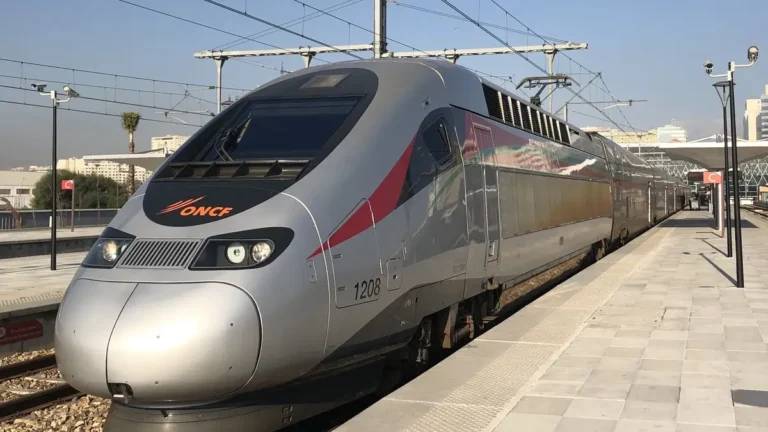
If you are traveling on a budget, book accommodation early and be flexible with your route. Trains can help between major cities such as Marrakech, Casablanca, Rabat, and Tangier. Buses can work for some routes, but for desert travel, mountains, and kasbah routes, a private driver can save time and make the trip more comfortable.
A backpacker can travel more cheaply with hostels, buses, shared taxis, and simple food. A mid-range traveler should plan for comfortable riads, guided visits, private transfers for difficult routes, and better restaurants. A luxury traveler will spend more on boutique riads, private drivers, premium desert camps, and curated experiences.
Morocco Autumn Packing List
A good Morocco autumn packing list is all about layers. Think light clothes for the day, warm clothes for the evening, and modest outfits that feel comfortable in cities, villages, and traditional spaces.
During the day, breathable cotton or linen tops, light trousers, long skirts, loose shirts, and comfortable walking clothes work well. For evenings, especially in the desert, Atlas Mountains, or northern towns in November, bring a fleece, light jacket, or warm layer.
A scarf is one of the most useful things you can pack. It helps with sun, wind, modesty, dust, and cool evenings. For shoes, bring sturdy closed-toe walking shoes because Moroccan medinas have uneven stones, steps, dust, and sometimes slippery surfaces after rain.
For what to wear in Morocco for modest autumn travel, the rule is simple: you do not need to dress formally, but you should dress respectfully. Loose and comfortable is better than tight and revealing, especially outside beach areas and private hotels.
For a full checklist, use my Morocco Packing List before you travel so you do not forget warm layers for the desert and mountains.
Health, Safety, and Local Etiquette in Autumn
Autumn is comfortable, but normal travel awareness still matters. Drink bottled or filtered water if your stomach is sensitive. Eat in busy places where food turns over quickly. Be careful with raw salads if you are not used to the water. Moroccan food is beautiful, but travelers should give their stomach time to adapt.
In medinas, you may meet persistent sellers or unofficial guides. Be polite but firm. A simple “la, shukran” means “no, thank you.” You do not need to argue. Smile, keep walking, and stay calm.
For solo travelers, including solo female travelers, autumn is a good season because streets are active, weather is easier, and travel is comfortable. Still, choose well-reviewed accommodation, avoid empty streets late at night, and use official transport or trusted drivers when needed. In my experience, Morocco rewards confident, respectful travelers who know when to be open and when to set boundaries.
When Do You Need a Guide or Driver in Autumn?
You do not need a guide for everything in Morocco. Some places are easy to explore alone, especially coastal towns like Essaouira or modern parts of Rabat and Casablanca. But in cities like Fes and Marrakech, a good licensed guide can make a big difference.
A guide is useful when the place has deep history, complicated streets, or cultural details you would miss alone. Fes medina, Marrakech souks, historical monuments, Jewish heritage sites, and local artisan areas are much better when someone explains the context honestly.
A private driver is useful for desert routes, Atlas crossings, kasbah routes, and trips with children or older travelers. Public transport can connect major cities, but it does not always serve valleys, viewpoints, villages, and desert camps easily.
My advice: use DIY where it makes sense, and use local help where it improves the trip.
Autumn in Morocco vs Other Seasons
Autumn in Morocco and Spring in Morocco are the two most balanced seasons for travel. Spring in Morocco is greener, especially after winter rains, and it is beautiful for valleys, cities, and desert trips. Autumn feels warmer, golden, and excellent for desert camps, hiking, and full itineraries after the summer heat drops.
Summer in Morocco is best for the coast, beach towns, and slower travel, but it can be hard inland. Winter in Morocco is good for Marrakech, southern Morocco, and the Sahara during the day, but nights can be cold. Autumn sits in the middle in a very practical way: warm enough, cool enough, and flexible enough.
This is why I often recommend autumn for first-time travelers who want the classic Morocco experience.
Final Thoughts: Is Autumn in Morocco Worth It?
Yes, autumn in Morocco is absolutely worth it. For many travelers, it is one of the best times to come. The cities are easier, the Sahara becomes beautiful again, the Atlas Mountains feel fresh, the coast is still enjoyable, and the harvest season adds a cultural layer that many visitors never notice.
If you want the best balance, choose October. If you want warm weather with a touch of summer, choose September. If you want cooler, calmer travel and do not mind cold nights, choose November.
My final advice as a local guide is this: do not rush autumn. Let the season do its work. Walk the medinas in the morning, cross the mountains slowly, drink tea in the valleys, taste dates in the south, and give yourself time to feel the country changing from heat to gold.
If you are planning an autumn trip and feel unsure which route fits your dates, or if you want help planning a private Morocco route, you can contact me.
FAQs About Autumn in Morocco
Is October a good time to visit Morocco?
Yes, October is one of the best months to visit Morocco. The weather is usually warm but more comfortable than summer, and it is excellent for Marrakech, Fes, the Atlas Mountains, Sahara desert tours, and classic itineraries. October is also a strong month for photography, hiking, and cultural travel.
What is the weather like in Morocco in November?
November is cooler than September and October, with pleasant days in many cities and colder evenings in the desert and mountains. Northern Morocco and coastal areas can see more rain, so bring layers and a light rain jacket. The Sahara is still good in November, but nights can feel very cold.
Is autumn the best time to visit the Sahara Desert?
Autumn is one of the best times to visit the Sahara Desert, especially October and early November. The days are more comfortable than summer, and desert camps become enjoyable again. Pack warm clothes for the night, especially if you are visiting later in autumn.
What should I pack for Morocco in autumn?
Pack layers. Bring breathable clothes for warm days, a fleece or light jacket for evenings, comfortable closed-toe shoes, a scarf, sunglasses, and sun protection. If your trip includes the Sahara or Atlas Mountains, add a warmer jacket because nights can be cold.
When is the Date Festival Morocco Erfoud?
The Date Festival Morocco Erfoud usually takes place in autumn, around the date harvest season. It celebrates dates, oasis culture, agriculture, local traditions, and the importance of palm groves in southern Morocco. Dates can change each year, so check the current schedule before planning your trip around it.
Is autumn good for hiking in Morocco?
Yes, autumn is one of the best times for hiking in Morocco. October is especially good for the High Atlas because the weather is cooler than summer and the air can be clear. Bring layers because mountain temperatures drop quickly in the evening.
Can I swim in Morocco in autumn?
You can swim in some coastal areas in autumn, especially early in the season and around warmer southern beaches like Agadir. Essaouira is often windy, so it is usually better for surfing, windsurfing, beach walks, and seafood than long calm swimming. Always check local conditions before entering the water.
Is Morocco safe for solo female travelers in autumn?
Many solo female travelers visit Morocco in autumn and have good experiences, especially when they choose well-reviewed accommodation, dress respectfully, and use common travel sense. In busy medinas, be firm but polite with persistent sellers or unofficial guides. A calm “la, shukran” is often enough.