Winter in Morocco: Weather, Best Places to Visit & Local Tips
Winter in Morocco is one of the most misunderstood seasons. Many travelers imagine Morocco as hot all year, then arrive in December, January, or February and feel surprised by cold desert nights, fresh mornings, snowy mountains, and riads that can feel chilly after sunset. But if you understand the season properly, Winter in Morocco can be one of the most beautiful times to visit.
From my experience as a licensed tour guide in Morocco, winter is not about beach holidays or hot summer weather. It is about sunny city days, quieter medinas, beautiful Sahara light, snow views in the Atlas Mountains, warm lunches on rooftops, cold evenings by the fire, and a slower, more peaceful travel atmosphere.
The secret is simple: winter in Morocco gives you comfort during the day, but you must respect the night. If this is your first time visiting the country, start with my full Morocco Travel Guide before planning your route. Morocco has very different regions, and winter makes those differences even more important.
Table of Contents
Table of Contents
Is Winter a Good Time to Visit Morocco?
Yes, winter can be a very good time to visit Morocco, especially if you want cultural travel, Sahara Desert trips, photography, food, city walks, and calmer sightseeing. Marrakech, Fes, Rabat, Casablanca, Essaouira, Taroudannt, Tafraoute, and the Sahara can all work beautifully in winter when you plan well.
Winter is especially good for travelers who dislike extreme heat. You can walk longer in Marrakech, explore Fes with more patience, enjoy the Sahara Desert during the day, and visit historical sites without feeling drained. For many people, this makes the trip more enjoyable than summer.
But winter is not perfect for every traveler. It is not the best season if you want guaranteed hot beach weather, warm desert nights, or high mountain trekking without weather concerns. The Atlas Mountains can be snowy, northern Morocco can be rainy, and desert camps can feel very cold at night.
If your dates are flexible and you are comparing winter with other seasons, my Best Time to Visit Morocco guide explains how winter compares with spring, summer, and autumn.
Winter Weather in Morocco by Region
The biggest mistake travelers make is asking, “Is Morocco warm in winter?” That question is too simple. Morocco is not one climate. Winter in Marrakech is not winter in Ifrane. Winter in Essaouira is not winter in Merzouga. Winter in Tangier is not winter in Tafraoute.
In general, winter brings mild sunny days in many parts of southern and central Morocco, cooler evenings almost everywhere, cold nights in the Sahara and mountains, rain in some northern and coastal regions, and snow in parts of the Atlas Mountains.
| Region | Typical Winter Feeling | Local Advice |
|---|---|---|
| Marrakech & Fes | Mild days, cold evenings | Great for walking, sightseeing, riads, food, and culture |
| Sahara Desert | Beautiful sunny days, very cold nights | Excellent for desert trips if you pack warm layers |
| High Atlas Mountains | Cold, snowy in places | Beautiful views, but check road and weather conditions |
| Essaouira & Atlantic Coast | Fresh, windy, mild | Good for walks, seafood, photography, and relaxed travel |
| Rabat & Casablanca | Mild coastal winter, possible rain | Good for city breaks and easier travel days |
| Tangier & Northern Morocco | Cooler and wetter | Still interesting, but bring rain layers |
| Taroudannt, Tafraoute & South | Mild, sunny, calmer | Excellent winter alternative to colder northern routes |
This is why your winter packing matters so much. You may wear sunglasses and a light shirt at lunch in Marrakech, then need a warm jacket at night in the Sahara. My Morocco Packing List is useful before you travel because winter Morocco is all about layers.
Some links in this guide may earn a small commission at no extra cost to you. I only recommend services I trust for planning a Morocco trip.
Winter in Morocco by Month
Morocco in December
December is the festive start of winter. The weather is usually mild during the day in Marrakech, Fes, Rabat, Casablanca, Essaouira, and southern Morocco, but evenings become cold. The Sahara Desert can be excellent by day and very cold at night.
December is popular around Christmas and New Year, so do not expect every place to be empty. Good riads, desert camps, and private drivers can book early during holiday weeks. If you are visiting during this month, read my full Morocco in December guide when it is ready so you can plan around weather, crowds, and winter packing.
Morocco in January
January is often the coldest month of the year in Morocco, especially at night. Marrakech can still have beautiful sunny days, but mornings and evenings are chilly. Fes can feel colder than Marrakech. The Sahara can be magical, but desert nights can be very cold. The Atlas Mountains may have snow, and some higher roads can be affected by winter weather.
January is good for travelers who want quiet travel, lower crowds, photography, hammams, food, and Sahara trips with proper preparation. It is not the month to pack only light clothes and hope for the best. For a full monthly breakdown, read my Morocco in January guide before choosing your route.
Morocco in February
February begins to soften slowly. It can still be cold at night, but days often feel brighter and more comfortable, especially in Marrakech and southern Morocco. Tafraoute and the Anti-Atlas can be beautiful in February, especially when almond blossoms appear in some areas depending on the year and local conditions.
February is a good bridge between deep winter and early spring. It works well for Marrakech, Sahara trips, southern Morocco, food travel, photography, and travelers who want fewer crowds than the main spring months. For a full monthly breakdown, read my Morocco in February guide before choosing your route.
Best Places to Visit in Morocco in Winter
Marrakech
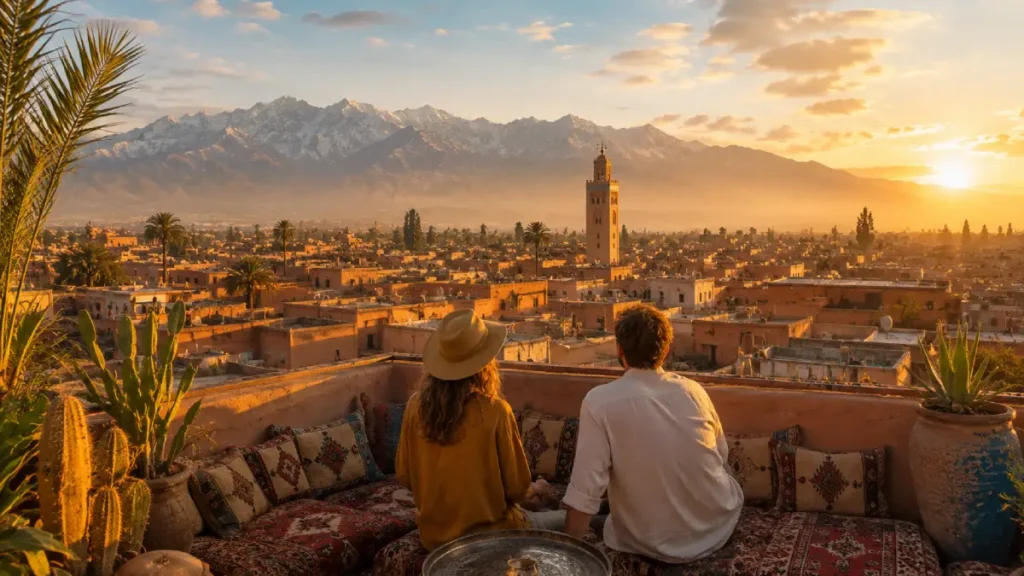
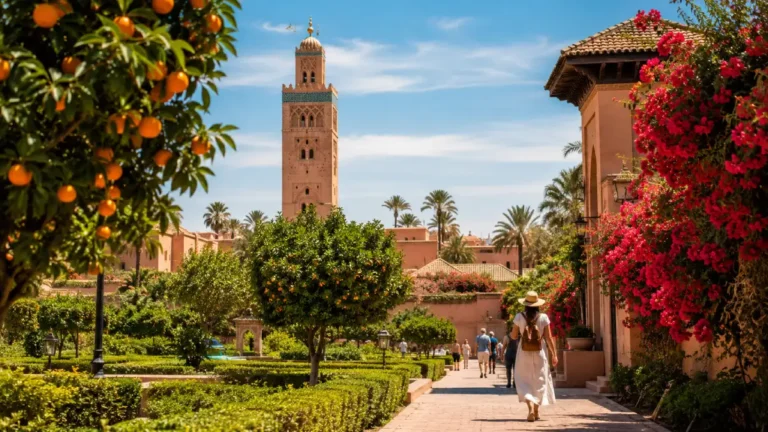
Marrakech is one of the best places to visit in Morocco in winter. The city still has color, energy, rooftops, gardens, souks, and food, but without the heavy heat of summer.
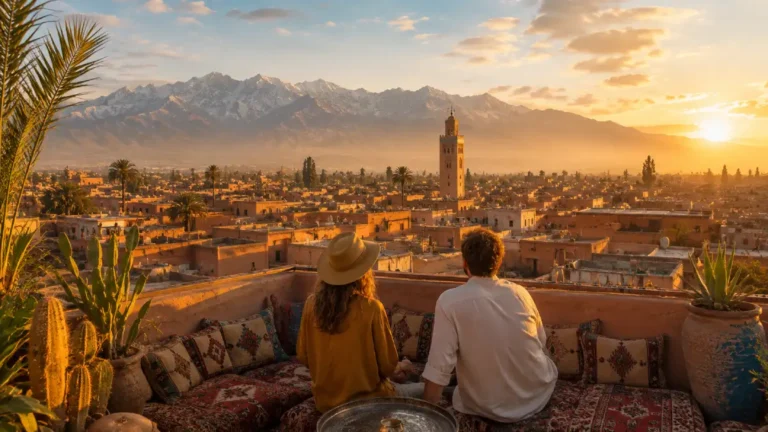
You can walk longer through the medina, visit Bahia Palace, explore Ben Youssef Madrasa, enjoy Majorelle Garden, stop for mint tea, and spend time in Jemaa el-Fna without feeling exhausted by the sun. Winter light can also be beautiful in Marrakech, especially when the Atlas Mountains appear snow-capped in the distance.
The thing travelers forget is that Marrakech evenings can feel cold. A rooftop lunch may feel warm and sunny, but dinner outside may require a jacket. Some riads are also built for summer cooling, not winter warmth, so check if your accommodation has heating.
Local expert tip: winter is a perfect time for a Marrakech city tour, but start mid-morning instead of too early if the day begins cold. You can read more in my Marrakech Travel Guide when planning your city days.
Fes
Fes is powerful in winter because the old medina rewards slow walking. In summer, the heat can make Fes tiring. In winter, you can take your time with the narrow streets, artisan workshops, madrasas, courtyards, and food.
Fes can feel colder than Marrakech, especially in the morning and evening, but that cooler weather often makes sightseeing easier. You can explore Fes el-Bali for longer stretches, stop for lunch, visit historical sites, and enjoy the city’s depth without rushing back to air-conditioning.
Local expert tip: stay in a riad with heating if you visit Fes in winter. Traditional buildings are beautiful, but stone, tile, and courtyards can feel cold at night.
Sahara Desert: Merzouga and Erg Chebbi
Winter is one of the best times to visit the Sahara Desert during the day. The light is clean, the dunes are comfortable to walk on, camel rides feel easier, and scenic drives through the valleys are far less exhausting than in summer.
But winter desert nights are cold. This is the most important truth. Many travelers arrive thinking “Morocco is warm,” then feel shocked after sunset in the dunes. A desert camp can be magical in winter, but only if you bring warm clothes and choose a camp with good bedding.
If the Sahara is a big part of your winter dream, read my authentic Morocco Sahara Desert tours guide before booking. It will help you understand the difference between a rushed trip and a real desert experience.
Local expert tip: if possible, choose a 4-day desert route from Marrakech instead of rushing 3 days. Winter days are shorter, and the road deserves time.
Agafay Desert
Agafay is a good winter option if you want a desert-style escape close to Marrakech without driving all the way to Merzouga. It is not the Sahara. I always say this clearly. Agafay is a rocky desert landscape, not golden dunes like Erg Chebbi.
But in winter, Agafay can be beautiful for sunset dinners, camel rides, quad biking, lunch with Atlas views, or one quiet night outside Marrakech. It works especially well for travelers with limited time.
Local expert tip: Agafay nights can also be cold in winter. Bring a jacket, even if you are only going for dinner.
Essaouira
Essaouira is not a classic winter beach destination, but it is still a smart place to visit. Many people only think of swimming and miss the real value of Essaouira: sea air, fresh fish, old ramparts, music, white walls, art, long walks, and the relaxed Medina of Essaouira, which is listed as a UNESCO World Heritage Site.
Winter can be windy and fresh, but that is part of the atmosphere. Essaouira is a good place to slow down after Marrakech or a desert trip. You can walk the port, eat grilled fish, drink coffee with ocean views, and enjoy a calmer Atlantic mood.
Local expert tip: do not judge Essaouira by beach weather alone. In winter, it is more about atmosphere than swimming.
Rabat and Casablanca
Rabat and Casablanca work well in winter because they are coastal, connected, and easier for travel logistics. Rabat feels calm and elegant, with the Kasbah of the Udayas, Hassan Tower, ocean views, gardens, and a relaxed rhythm. Casablanca is more urban, but Hassan II Mosque is one of Morocco’s most impressive monuments.
These cities can see rain in winter, but they are still useful for travelers who want culture, coastal air, and smoother transport between major routes.
Local expert tip: Rabat is underrated in winter. It is a good stop if you want a calmer city between Marrakech, Fes, Tangier, or Casablanca airport.
Taroudannt and Tafraoute
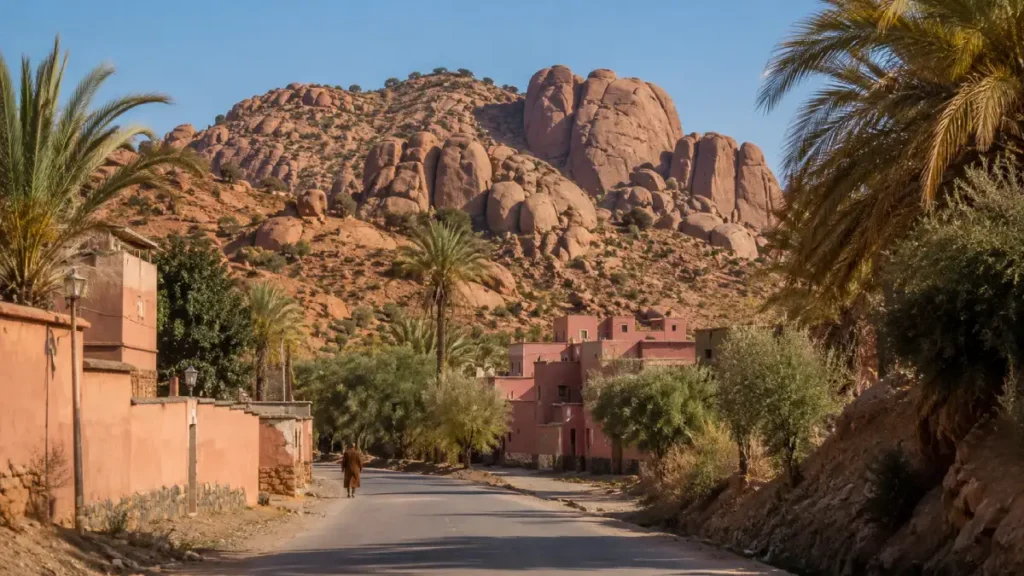
Taroudant and Tafraoute are excellent winter choices for travelers who want southern Morocco without the busy feeling of Marrakech. Taroudant has old walls, markets, and a relaxed local atmosphere. Tafraoute and the Anti-Atlas offer rocky landscapes, mountain villages, palm valleys, and, in some years, almond blossoms around late winter.
This region is especially good for travelers who want something less obvious. It feels quieter, warmer, and more rural than many northern routes.
Local expert tip: Tafraoute is not for travelers who want fast sightseeing. It is for people who enjoy landscapes, village roads, photography, and slow travel.
Atlas Mountains and Ifrane
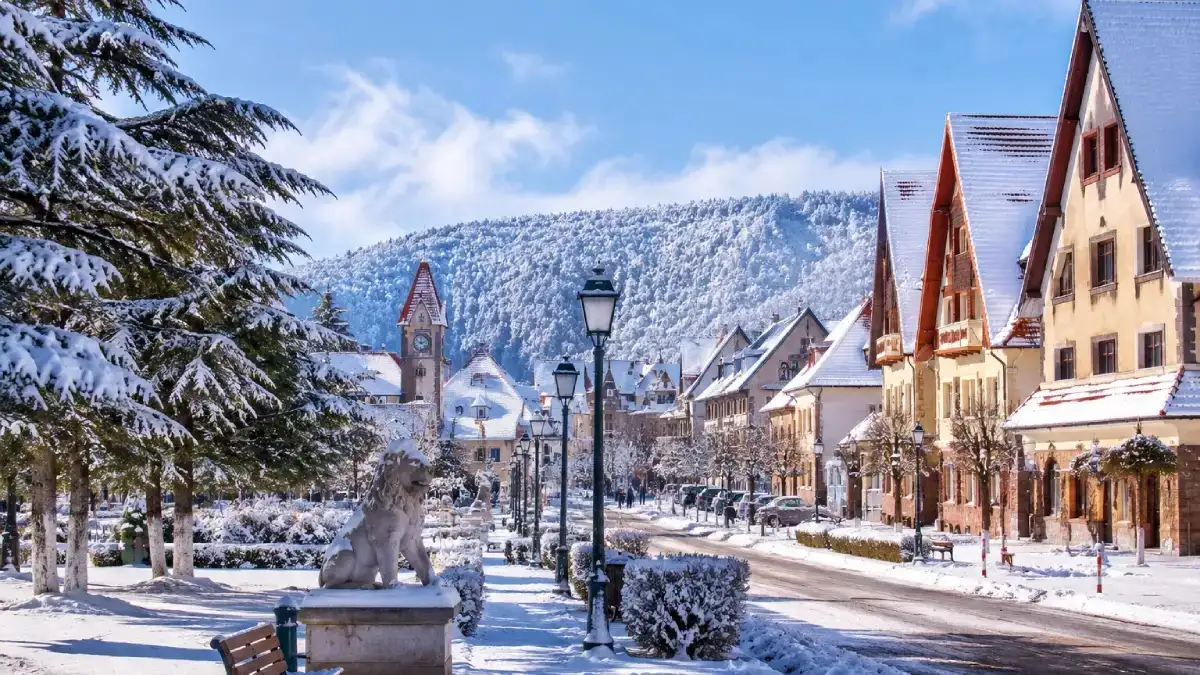
Winter in the Atlas Mountains can be beautiful, but you need to plan carefully. Snow on the mountains can make the views from Marrakech spectacular, and places like Ifrane can feel completely different from what many travelers expect in Morocco.
Ifrane is known for its alpine feeling and colder winter weather. Oukaïmeden, near Marrakech, can also receive snow, although conditions vary. The High Atlas can be stunning in winter, but roads, weather, and mountain conditions must be respected.
Local expert tip: do not plan mountain routes too tightly in winter. Snow, rain, or road delays can change your day. A private driver with local knowledge is very useful in mountain weather.
Sahara Desert in Winter: Beautiful Days, Cold Nights
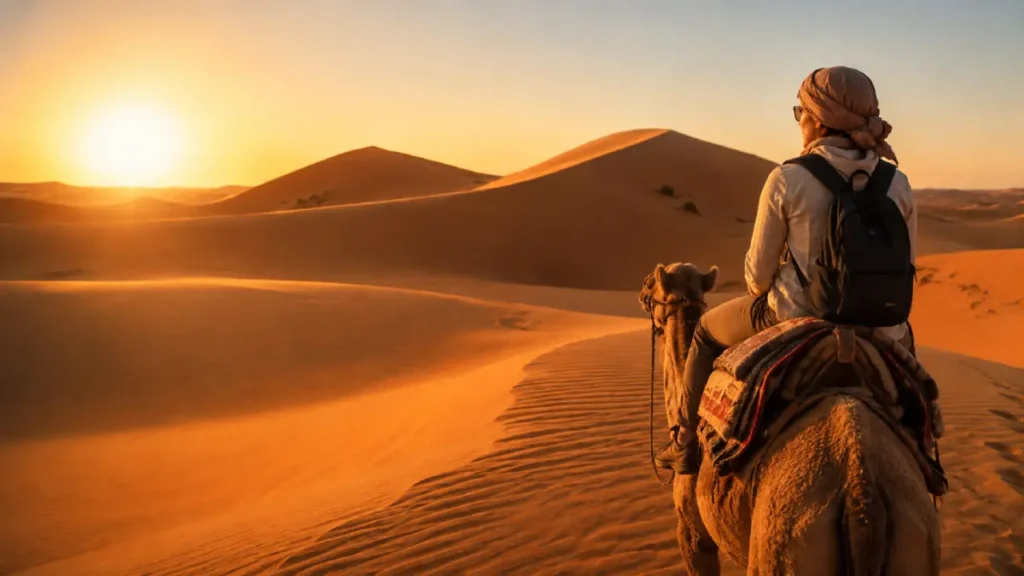
The Sahara Desert in winter is one of Morocco’s great travel experiences, but only if you understand the contrast. During the day, it can feel peaceful, sunny, and comfortable. You can enjoy camel rides, dune walks, photography, tea, music, and sunset without the extreme heat of summer.
At night, everything changes. Temperatures can drop quickly after sunset, especially in December and January. You will want warm layers, socks, a proper jacket, and a camp with good blankets. Do not arrive with only light clothes because you spent the afternoon in the sun.
A good winter desert experience depends on three things: timing, camp quality, and packing. Start road days early because winter daylight is shorter. Choose a camp that takes winter comfort seriously. Pack for the night, not only for the day.
If you want the full desert planning picture, combine this winter guide with my Merzouga Sahara Desert Travel Guide when you prepare your route.
Snow in Morocco: Atlas Mountains, Ifrane, and Winter Views
Yes, it snows in Morocco. This surprises many travelers, but it should not. Morocco has high mountains, and winter can bring real snow to parts of the Atlas and Middle Atlas.
From Marrakech, the snow-capped High Atlas can look beautiful in winter. Around Ifrane and the Middle Atlas, winter can feel almost European in atmosphere. In the High Atlas, villages, valleys, and mountain passes can become dramatic and cold.
But snow also means slower logistics. Mountain roads can be affected by weather, especially after storms. If you plan to visit mountain areas in winter, check conditions, avoid rushing, and do not assume every road will behave like it does in spring.
Winter mountain travel is beautiful when planned with respect.
What to Wear in Morocco in Winter
Winter clothing in Morocco should be based on layers. You do not need heavy winter clothing for every day, but you do need enough warmth for mornings, evenings, desert nights, mountain areas, and colder riads.
During the day in Marrakech or southern Morocco, you may be comfortable in a light sweater or long-sleeve shirt. In the evening, you will usually want a jacket. In the desert, bring warm clothes for night. In Fes, Chefchaouen, Ifrane, or the Atlas Mountains, you may need more serious layers.
For women, comfortable trousers, long skirts, sweaters, cardigans, scarves, light jackets, and walking shoes work well. For men, trousers, shirts, sweaters, a jacket, and comfortable shoes are enough. Morocco is still culturally modest, so winter is actually easier for respectful dressing than summer.
For more detail, use my Morocco Packing List and How to dress in Morocco guide before you pack.
What to Pack for Winter in Morocco
A smart winter packing list should include warm and light clothing together. This is where many travelers make mistakes. They pack for either “Africa” or “Europe,” but winter Morocco can feel like both in the same trip.
Bring comfortable walking shoes, light daytime clothes, sweaters, a warm jacket, socks, sunglasses, a scarf, lip balm, moisturizer, and a small umbrella or rain jacket if you are visiting the north or coast. For the Sahara, add warmer sleepwear and layers for the evening.
A scarf is especially useful in winter. It helps with cold mornings, wind on the coast, dust in the desert, and modesty in traditional places.
Local tip: if you are staying in riads, pack something warm for indoors too. Some traditional buildings can feel cold after sunset.
Best Winter Itinerary Ideas for Morocco
7 Days in Morocco in Winter
For 7 days, keep the route realistic. A good winter route can include Marrakech, the High Atlas, Ait Ben Haddou, Dades Valley, and Merzouga, ending back in Marrakech. This gives you cities, mountains, kasbahs, and desert, but it includes long drives.
If you want a softer 7-day route, choose Marrakech, Essaouira, and the Atlas Mountains or Agafay. This is easier for families, older travelers, and people who do not want many road days.
10 Days in Morocco in Winter
With 10 days, you can build a strong classic route. Start in Marrakech, cross the High Atlas, visit Ait Ben Haddou, continue through Dades or Todra, spend a night in Merzouga, then travel to Fes. From Fes, you can add Rabat or Chefchaouen depending on your pace.
This works well in winter because the desert is comfortable by day and the cities are easier to explore. Just remember that nights are cold and daylight is shorter.
14 Days in Morocco in Winter
With 14 days, Morocco becomes much easier to enjoy. You can include Marrakech, the Atlas Mountains, Sahara Desert, Fes, Chefchaouen, Rabat, Casablanca, Essaouira, and maybe Taroudannt or Tafraoute if you want a southern winter feeling.
A longer winter itinerary gives you breathing space. You are not just moving from place to place. You are enjoying sunny lunches, fireside evenings, desert silence, medina walks, and coastal air.
For more route ideas, my Morocco Itinerary 7, 10 & 14 Days guide will help you compare routes by travel style and pace.
Winter Travel Costs and Crowds in Morocco
Winter is mixed when it comes to crowds and prices. December can be busy around Christmas and New Year, especially in Marrakech, Fes, Essaouira, and desert camps. January is usually quieter after the holiday period. February begins to feel more active again as spring gets closer.
Do not assume winter always means cheap. The best riads, comfortable desert camps, boutique hotels, and private drivers can still book early during popular weeks. But compared with peak spring and autumn periods, winter can feel calmer in many places.
If you are flexible, winter can offer good value. If you want a specific riad, a trusted guide, or a quality desert camp, book ahead.
Local Mistakes to Avoid in Winter
The first mistake is packing like Morocco is always hot. Winter days can be sunny, but nights can be cold.
The second mistake is booking a desert camp without checking winter comfort. Ask about blankets, bedding, bathrooms, and how cold nights are handled.
The third mistake is choosing a beautiful riad without heating. Traditional riads can feel cold in winter, especially in Fes and Marrakech evenings.
The fourth mistake is expecting beach weather. Winter is good for coastal walks, seafood, surf, and atmosphere, but not guaranteed sunbathing.
The fifth mistake is rushing desert routes. Winter daylight is shorter, roads are long, and the journey deserves time.
The sixth mistake is ignoring mountain weather. Snow can make the Atlas beautiful, but it can also slow travel.
Winter in Morocco with Kids
Winter can work well for families if you plan carefully. The cooler weather makes Marrakech, Fes, and sightseeing easier than summer. Children often enjoy the desert more in winter because daytime heat is not as intense.
But you need warm clothes, flexible pacing, and good accommodation. Desert nights can be cold for children, so choose comfortable camps or desert-edge hotels carefully. Avoid routes with too many long driving days in a row.
For families, I often recommend fewer stops and better bases. Marrakech with day trips, Essaouira, Agafay, or a carefully planned Sahara route can work well. The goal is not to see everything. The goal is to enjoy Morocco without exhausting everyone.
Winter in Morocco vs Other Seasons
Winter is best for travelers who want calmer cities, Sahara Desert trips, cultural travel, photography, food, and less heat. It is not the best season for beach holidays or travelers who want warm nights.
Spring in Morocco is greener and excellent for valleys, flowers, mountains, cities, and desert routes. Summer in Morocco is best for the coast, but hard inland. Autumn in Morocco is one of the strongest seasons overall for full Morocco itineraries.
Winter has its own beauty. It gives Morocco a quieter face. The light is softer, the air is clearer, and the contrast between sunny days and cold nights gives the trip a special feeling.
Final Thoughts: Is Winter in Morocco Worth It?
Yes, winter in Morocco is worth it if you understand what kind of trip you are planning. It is not summer. It is not beach season everywhere. It is not warm all night. But it can be one of the best times for Marrakech, Fes, the Sahara, southern Morocco, food, photography, cultural travel, and travelers who prefer comfort over heat.
My local advice is simple: pack layers, choose accommodation carefully, respect desert nights, start road days early, and do not rush the route. Winter rewards travelers who plan with the season instead of fighting it.
If Agadir is your winter-sun base, compare Agadir’s hotel areas and confirm that the pool is genuinely heated before booking.
If you are planning a winter trip and feel unsure where to go, remember this simple rule: build your route around the season, not only the map. If you want help planning a private Morocco route, you can contact me.
FAQs About Winter in Morocco
Is Morocco cold in winter?
Morocco can be cold in winter, especially at night, in the mountains, in the desert, and in northern cities. During the day, places like Marrakech, southern Morocco, and the Sahara can still feel sunny and pleasant. The key is to pack layers.
Is Marrakech warm in winter?
Marrakech is often mild and sunny during winter days, but evenings and mornings can feel cold. Rooftop lunches can be beautiful, while dinners outside usually need a jacket. Choose accommodation with heating if you are sensitive to cold.
Can you visit the Sahara Desert in winter?
Yes, winter is one of the best times to visit the Sahara Desert during the day. Camel rides, dune walks, and scenic drives are much more comfortable than summer. The main challenge is the cold at night, so bring warm layers and choose a good camp.
Does it snow in Morocco?
Yes, Morocco gets snow in the Atlas Mountains and Middle Atlas regions, including areas around Ifrane and higher mountain zones. Snow can make landscapes beautiful, but it can also affect road conditions, so plan carefully.
What should I wear in Morocco in winter?
Wear layers. Bring light clothes for sunny days, sweaters for mornings and evenings, a warm jacket for desert and mountain nights, comfortable walking shoes, and a scarf. If you visit Fes, the Atlas Mountains, or the Sahara, pack warmer than you think.
Is December a good time to visit Morocco?
December can be a good time to visit Morocco, especially for Marrakech, Fes, the Sahara, southern Morocco, and cultural travel. Christmas and New Year can be busy, so book riads, camps, and drivers early.
Is January a good time to visit Morocco?
January is good for quiet travel, Sahara trips, city sightseeing, and travelers who do not mind cold evenings. It is often one of the coldest months, especially at night, so packing properly is important.
Is February a good time to visit Morocco?
February can be a lovely time to visit Morocco as winter begins to soften. It is good for Marrakech, southern Morocco, the Sahara, and early signs of spring in some regions. Nights can still be cold, so layers are still necessary.
Can you swim in Morocco in winter?
Winter is not the best season for swimming in most of Morocco. Coastal towns like Essaouira, Agadir, and Taghazout are better for walks, surf, seafood, and fresh air than classic beach holidays. Some hotels with heated pools may still work for swimming.
Is winter good for a Morocco itinerary?
Yes, winter is good for a Morocco itinerary if you plan around shorter days, cold nights, and regional weather differences. Marrakech, Fes, the Sahara, Essaouira, Rabat, Taroudannt, and Tafraoute can all work well in winter.