Morocco in February: 10 Things to Know Before You Go
A local guide to Morocco weather in February, what to pack, winter desert trips, surfing, Ramadan notes, and a realistic 10-day itinerary.
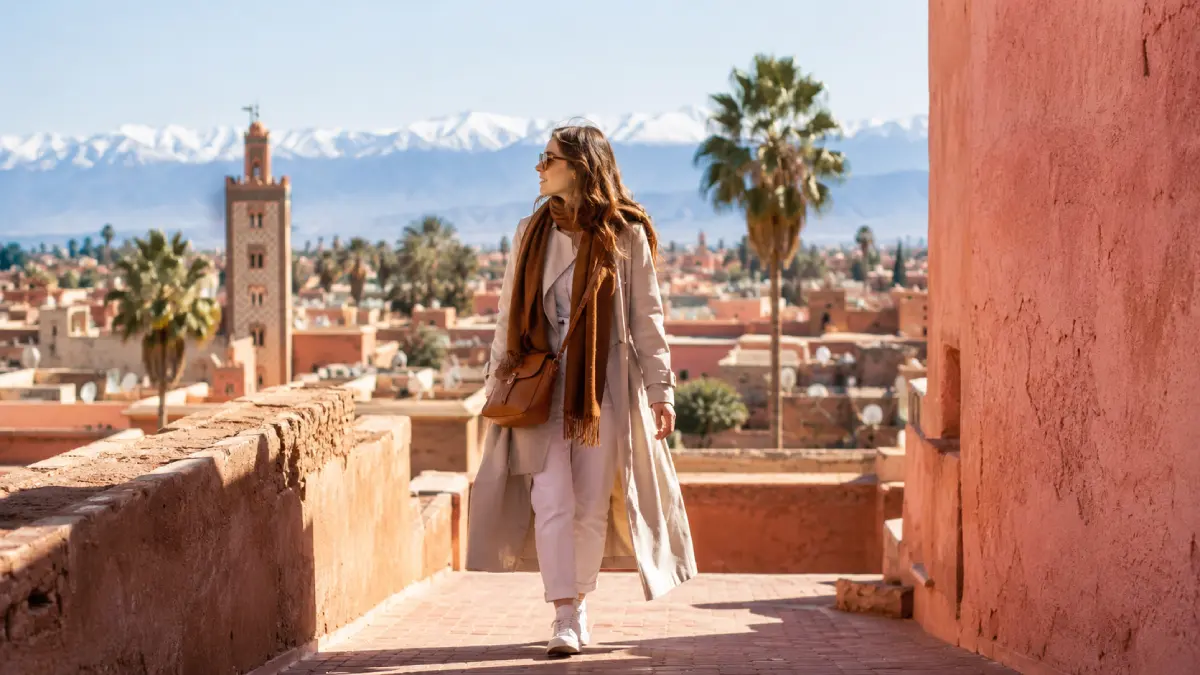
Morocco in February is one of those travel secrets that many visitors only understand after they arrive. On paper, it looks like winter. On the ground, it often feels like a soft second spring. You can drink mint tea on a sunny Marrakech rooftop at lunchtime, see snow shining on the High Atlas Mountains in the distance, and then sit beside a fireplace in your riad at night wearing a jacket.
I always tell my guests the same thing when they arrive in February: do not trust the sun too much. Morocco gives you a “three-season day” in this month. By noon, you may be walking in a t-shirt. By sunset, especially in Marrakech, Fes, the Atlas Mountains, or the Sahara Desert, you will be reaching for your fleece again. Dress like an onion. Layers are your best friend because you will peel them off during the day and put them all back on before dinner.
For travelers who want culture, photography, desert landscapes, winter sun, and fewer crowds, February can be a beautiful time to visit Morocco. It is usually quieter than March, April, September, and October, and many riads and hotels can be better value than during the spring peak. It is also one of the most dramatic months for photos: green valleys, snowy mountain peaks, golden dunes, blue Atlantic light, and medina streets that feel more relaxed than in high season. My Morocco Travel Guide and Best Time to Visit Morocco guide can help you choose the right route before you book.
Table of Contents
Table of Contents
Morocco in February: Is It a Good Time to Visit?
Yes, February is a very good time to visit Morocco, especially if you enjoy mild days, cooler nights, and a mix of city, desert, mountain, and coast. It is not the month for a lazy hot beach holiday like July or August, but it is one of the best months for sightseeing, desert tours, walking in the medinas, surfing, photography, food experiences, hammams, and longer itineraries.
The big advantage is comfort. In summer, Marrakech can become too hot for many travelers. In February, you can walk through the souks, visit Bahia Palace, explore Ben Youssef Madrasa, and enjoy Jardin Majorelle without feeling cooked by the heat. The Sahara Desert is also much easier during the day because you avoid the dangerous summer temperatures. Camel rides, dunes, and stargazing feel more comfortable, as long as you prepare for the cold nights.
February is also part of Morocco low season travel, which means you can sometimes find riads and hotels around 20–40% cheaper than spring peak prices. This depends on the property, the city, and special events, but in general, February is a bargain month compared with April. The only thing I always warn guests about is heating. A beautiful riad is not always a warm riad, and that detail matters in February.
For the bigger winter planning picture, my Winter in Morocco guide explains how December, January, and February compare for weather, Sahara Desert nights, Atlas snow, packing layers, riad comfort, and realistic itinerary planning.
Morocco Weather in February: The Three-Season Day
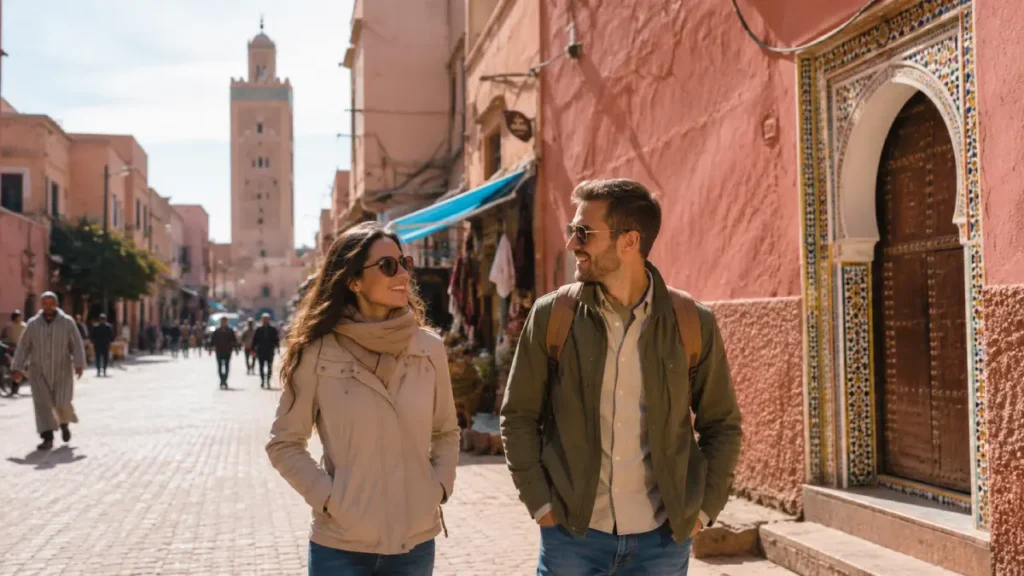
Morocco weather in February changes a lot depending on where you go. This is the mistake many travelers make. They check only Marrakech weather and think the whole country will feel the same. It will not. Marrakech, Agadir, Fes, Chefchaouen, the Atlas Mountains, and the Sahara Desert can all feel different in the same week.
Here is a simple local guide to what you can expect.
| Region | Day Temperature | Night Temperature | What It Feels Like |
|---|---|---|---|
| Marrakech & Inland Cities | 18–23°C | 8–13°C | Warm sun by day, chilly evenings |
| Agadir & Southern Coast | 21–25°C | 14–17°C | The warmest and softest winter weather |
| Sahara Desert | 18–23°C | 0–5°C | Pleasant days, very cold nights |
| Atlas Mountains | 6–13°C | Below 0°C | Snow possible, winter gear needed |
| Fes, Tangier & North | 14–20°C | 6–11°C | Cooler, with possible light rain |
Some links in this guide may earn a small commission at no extra cost to you. I only recommend services I trust for planning a Morocco trip.
In Marrakech, February can feel like a gift. The sun is often bright, the light is beautiful, and the afternoons are perfect for rooftop lunches. But after sunset, the temperature drops quickly. If your riad room has tile floors and no proper heating, you will feel that cold inside the building, not only outside.
Agadir and the southern Atlantic coast are usually the warmest areas of Morocco in February. This is why many travelers who want winter sun choose Agadir, Taghazout, Tamraght, or Essaouira after visiting Marrakech. The weather differences between Marrakech and Agadir in February can be very clear: Marrakech has warmer inland afternoons but colder nights, while Agadir feels softer and more stable because of the ocean.
Northern cities such as Tangier, Chefchaouen, and Fes can get refreshing winter showers. It does not usually rain all day like in northern Europe, but you should be ready for cloudy moments and wet streets. If you are visiting Fes medina for photography, the softer winter light can be wonderful, especially early in the morning.
Ramadan, Festivals, and Events in February
February can be a very interesting month culturally, but travelers need to understand the calendar. Morocco follows both the regular calendar and the Islamic lunar calendar, so some important dates move every year.
Ramadan in Morocco in February
Some years, Ramadan falls in February. For example, Ramadan in Morocco began around mid-February in 2026, and Ramadan 2027 is expected to begin around February 8, depending on the official moon sighting. The Islamic calendar moves about 10–11 days earlier each year, so you should always check the current dates before booking your trip.
Visiting Morocco during Ramadan can be beautiful, but it changes the feeling of the day. Mornings can be quiet, especially in local neighborhoods. Some cafés and small restaurants may open later or close during daylight hours. Around sunset, the whole country changes. Families gather for iftar, the meal that breaks the fast, and the streets become alive again after people eat.
As a tourist, you are not expected to fast, but you should be respectful. Avoid eating, drinking, or smoking openly in very local public spaces during daylight, especially outside tourist restaurants. Hotels, riads, and many restaurants in Marrakech, Fes, and tourist areas still serve visitors, but planning becomes more important.
Almond Blossom Festival in Tafraoute
The Almond Blossom Festival in Tafraoute usually happens in February, often around the second week, depending on the bloom and local schedule. It celebrates the almond trees, Amazigh culture, music, and the beautiful pink and white flowers that appear across the Anti-Atlas landscape.
This is one of the most beautiful winter moments in southern Morocco. Tafraoute is not on every first-time Morocco itinerary because it sits far south in the Anti-Atlas, but for travelers who love nature, photography, and slower travel, it can be very special. The landscape is different from Marrakech and the Sahara. You see granite rocks, small villages, almond trees, and mountain light that feels very pure.
1-54 Contemporary African Art Fair in Marrakech
Marrakech also has a strong contemporary African art scene in February. In 2026, the 1-54 Contemporary African Art Fair took place from February 5–8 at La Mamounia, bringing galleries, artists, collectors, and cultural energy into the city.
For future trips, always check the official dates before booking, because the fair usually happens around early February but the exact schedule can change each year. If your visit overlaps with a major art event, book your riad and restaurants earlier than usual. February is normally quieter than spring, but cultural events can make the best places fill up quickly.
Best Places to Visit in Morocco in February
Marrakech: Winter Sun, Gardens, Rooftops, and Hammams
Marrakech in February is one of my favorite versions of the city. The air is cooler, the gardens look fresh, and walking around the medina is much easier than in summer. You can visit the main sights without feeling exhausted by the heat.
For Jardin Majorelle and the Secret Garden, February is excellent because you can actually enjoy the plants and colors without the big April crowds. Go early if you want a calmer experience. For Ben Youssef Madrasa, I recommend arriving at opening time. The light is softer, the courtyard is quieter, and your photos will be much better.
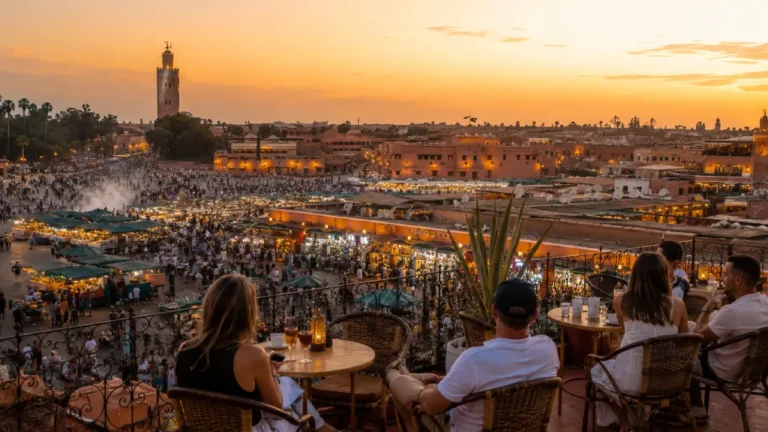
A long rooftop lunch in the medina is one of the simple pleasures of Marrakech winter sun. You sit above the lanes, order a tagine or salad, and feel the sun on your face while the High Atlas Mountains sit white in the distance after snow. Later in the day, when the cold returns, a traditional hammam and scrub is the perfect February experience. It warms your body, clears the travel dust, and gives you a real Moroccan ritual instead of just another museum stop.
Dar El Bacha is also perfect in February. It gives you history, architecture, and a refined coffee break in a beautiful setting. For more ideas, read my Marrakech Travel Guide and Things to Do in Marrakech.
The Sahara Desert: Comfortable Days, Freezing Nights
The Sahara Desert in February is beautiful, but you must respect the cold. During the day, Erg Chebbi near Merzouga can feel perfect. The sun is warm, the sky is often clear, and walking on the dunes is much easier than in summer. This is why February is a great month for a Sahara Desert winter tour.
But after sunset, everything changes. Desert nights can drop to 0–5°C. I strongly recommend choosing a luxury desert camp with heating if your budget allows. Standard camps can be authentic and charming, but heavy blankets are not always enough for travelers used to central heating. A private tent with heating and a hot shower can completely change your experience.
This matters especially for sunrise. Everyone imagines waking up early, walking into the dunes, and watching the first light touch the sand. That moment is magical when you are warm enough. It is less magical when you spent the whole night shivering. Before booking, compare desert tours carefully and check what is included for February nights: heating, private bathroom, hot water, bedding, transport quality, and arrival time.
For more detail, read my Merzouga Sahara Desert Guide and my Morocco Transportation Guide, because winter travel days can be slower through the mountains.
The Atlas Mountains: Snow, Berber Villages, and Real Winter
The Atlas Mountains snow is one of the reasons February feels so special in Morocco. From Marrakech, you can sometimes see the snowy peaks clearly, especially after rain. This contrast is powerful: palm trees and rooftop cafés in the city, then snow above the horizon.
Ourika Valley is a good day trip if you want mountain scenery without going too far. Imlil is better if you want a deeper mountain village experience, Berber hospitality, and tea by a wood fire. For serious winter trekking in the Atlas Mountains with a guide, do not treat February like summer. You need proper shoes, warm layers, and local advice about weather and trail conditions.
Oukaïmeden is worth mentioning as a quirky side note. It is often called Africa’s highest ski resort, but do not imagine the Alps. It is basic, very dependent on snowfall, and best approached with flexible expectations. If there is snow and the road is open, it can be a fun day trip. If conditions are poor, choose Ourika, Imlil, or a scenic mountain lunch instead.
For desert routes, Aït Benhaddou via the Tizi n’Tichka pass is one of the most dramatic February journeys. The road crosses the High Atlas, and the snow-capped views can be spectacular. But snow and bad weather can sometimes slow the journey or close high sections temporarily, so do not plan your itinerary too tightly.
Surfing Morocco in February: Taghazout, Tamraght, Imsouane, and Agadir
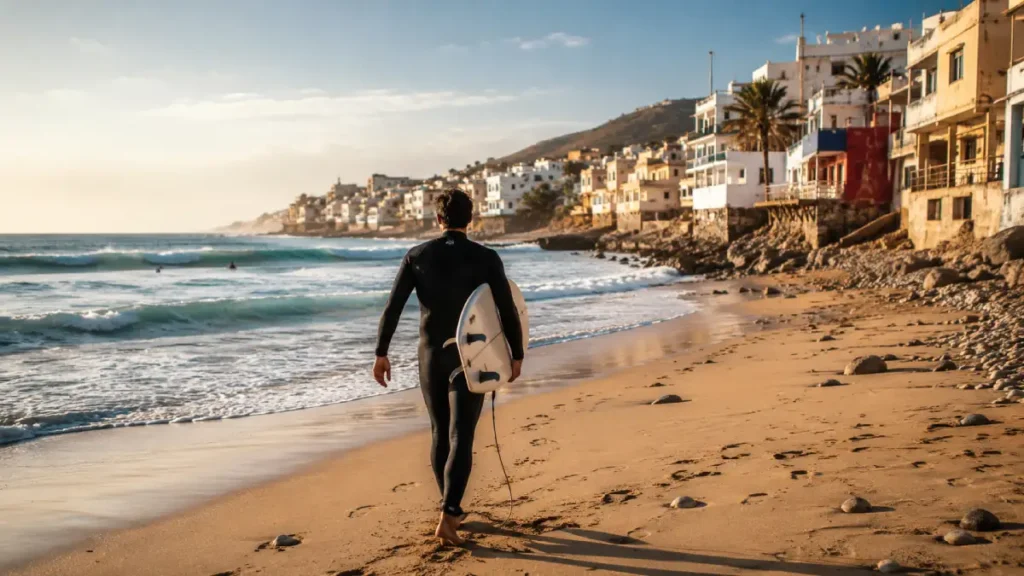
Surfing Morocco in February is a strong reason to visit the Atlantic coast. Winter brings good swell, and the surf towns around Agadir are full of energy without feeling like the summer beach season.
Taghazout and Tamraght are popular for surf camps, beginner lessons, yoga retreats, cafés, and long relaxed days near the ocean. For beginners, Tamraght can feel a little easier and calmer, while Taghazout is more famous and lively. Imsouane is known for “The Bay,” often described as one of Africa’s longest waves, and it is a special place if you want that slow surf village feeling.
Agadir surfing February weather is usually softer than Marrakech nights. Days can reach the low to mid-20s Celsius, and the coast feels warmer in the evening than inland cities. But the ocean is still cool. For casual swimming, February is not ideal unless you are comfortable with refreshing water. For surfing, a wetsuit makes it much better.
Essaouira is also beautiful in February, especially for coastal walks, seafood, photography, and a slower medina experience. It is windier than Agadir and not always a sunbathing destination, but the atmosphere is wonderful. If you want coast without surfing, Essaouira may be the better choice.
What to Pack for Morocco in February
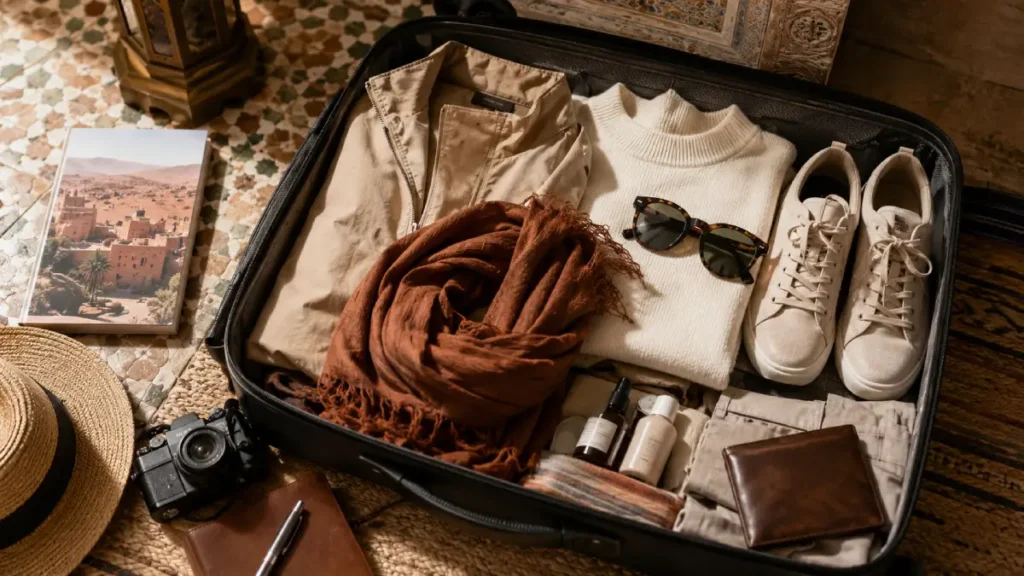
What to pack for Morocco in February depends on your route, but the secret is layering. You are packing for warm sun, cold rooms, chilly evenings, possible rain, mountain wind, and maybe desert nights close to freezing.
For a normal February trip, I recommend:
- Light t-shirts or breathable tops for warm afternoons
- Long-sleeve shirts for sun protection and modest comfort
- A fleece or warm sweater for evenings
- A medium-weight jacket or puffer jacket
- Comfortable walking shoes for medinas
- Warm socks, especially for riads with cold tile floors
- A scarf for wind, sun, and cultural comfort
- Sunglasses and sunscreen because the winter sun is still strong
- A small umbrella or light rain jacket for Fes, Tangier, Chefchaouen, and the north
- Thermal base layers if you visit the Sahara or Atlas Mountains
This is the best traditional Moroccan clothing for winter layering: a good scarf, a warm djellaba-style outer layer if you buy one locally, or an open caftan/kimono for breezy afternoons in a riad. You do not need to dress like a Moroccan, but local pieces can be practical and beautiful.
For women, modest clothing is still useful in February. Long trousers, long skirts, relaxed dresses with layers, and covered shoulders help you feel comfortable in medinas and villages. Morocco is used to tourists, but dressing with respect makes travel easier, especially outside beach towns. For more detail, read my What to Wear in Morocco guide and my Morocco packing list guide.
Practical Logistics: What Many Visitors Do Not Realize
The first thing many visitors do not expect is the infrastructure gap. Morocco can feel warm outside and cold inside. Many older riads and traditional homes do not have central heating. Beautiful tile floors, high ceilings, and open courtyards are part of the charm, but in February they can hold the cold. Before booking boutique riads with heating in Fes and Marrakech, read reviews carefully. Search for words like “heating,” “warm room,” “fireplace,” “cold,” and “blankets.”
For solo female travelers, Morocco can be a very rewarding destination, but you need confidence and boundaries. In busy medinas, some people may try to sell, guide, or start conversations. My advice is simple: do not react to every voice. Walk calmly, say “no thank you” once if needed, and keep moving. A good riad manager can also give excellent advice about which streets to use at night, where to eat nearby, and when to take a taxi.
For health and safety, drink bottled or properly filtered water, especially if your stomach is sensitive. Be careful with street animals too. Cats are everywhere in Morocco and many are friendly, but bites and scratches should be taken seriously because rabies exists in the region. You do not need to be afraid, just be sensible and avoid touching unknown animals.
Transport also needs more planning in February. Mountain routes can be slower, especially around Tizi n’Tichka or high Atlas roads after snow. If you are planning Marrakech to Merzouga, do not underestimate the distance. A private driver can be worth it in winter because you get better timing, safer flexibility, and fewer rushed stops. Budget group tours can work for young travelers, but they often move fast and may not give you the comfort you need in February.
For costs, February can help your budget. Riads and hotels may be 20–40% cheaper than spring peak rates, especially outside major events. Hammams range from cheap local neighborhood baths costing only a few euros to luxury spa experiences in historic palaces. A 10-day Morocco February itinerary can vary widely depending on comfort, transport, and hotels, but mid-range travelers should plan carefully because private transport and good winter accommodation are worth paying for.
For a deeper budget breakdown, read my Morocco Travel Costs guide.
Morocco February Itinerary: 10 Days of Winter Contrast
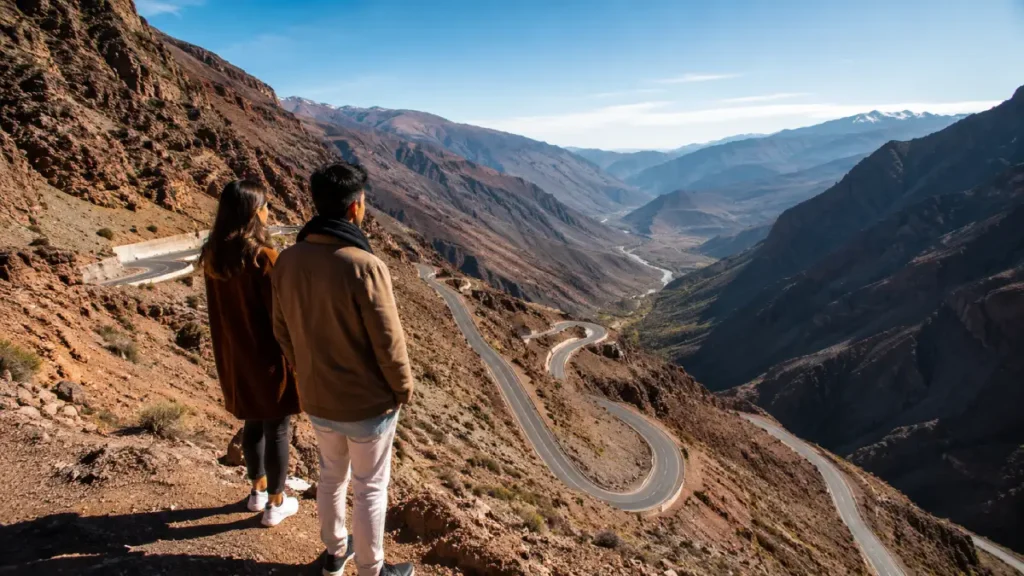
A good Morocco February itinerary should not be rushed. The best plan uses the season instead of fighting it: warm city days, snowy mountain views, cold desert nights, and a softer Atlantic coast finish.
Days 1–3: Marrakech
Start in Marrakech because it gives you the perfect February introduction. Spend your first day slowly exploring the medina, Jemaa el-Fna, Koutoubia area, and a rooftop lunch. On the second day, visit Ben Youssef Madrasa early, then continue to the Secret Garden, Dar El Bacha, or Bahia Palace. Add a hammam in the late afternoon when the temperature drops.
On your third day, you can take a gentle trip to Ourika Valley, Agafay Desert, or stay in Marrakech for gardens and food. If you are tired from travel, do not overpack the day. February rewards slower movement.
Days 4–6: Atlas Mountains, Aït Benhaddou, and Merzouga
Leave Marrakech toward the High Atlas and cross Tizi n’Tichka if the road conditions are good. Stop at Aït Benhaddou for history, kasbah views, and photography. Continue through the valleys toward the desert region with one night on the way, depending on your route and pace.
For Merzouga, try to arrive before sunset. This is important in February because daylight is shorter and nights get cold quickly. Enjoy the camel ride or 4×4 transfer, dinner at camp, stargazing, and sunrise over Erg Chebbi. Choose heating if possible. This is not a small detail; it can decide whether your desert night feels magical or difficult.
Days 7–10: Atlantic Coast
After the desert, finish on the coast. Essaouira is best for culture, seafood, coastal walks, and a relaxed medina. Taghazout and Tamraght are better if you want surf lessons, beach cafés, and beginner-friendly surf culture. Agadir is the warmest and easiest option if you want hotel comfort and softer weather.
This route gives you the best of February: Marrakech winter sun, Atlas Mountains snow, Sahara Desert stars, and Atlantic air. For travelers with less time, use my Morocco Itinerary 7, 10 & 14 Days guide to choose a version that fits your real schedule.
My Honest Advice About Visiting Morocco in February
Morocco in February is not perfect beach weather, and it is not summer heat. That is exactly why I like it. It gives you a more comfortable, more textured, more honest version of the country. You feel the sun, but you also feel the cold stone of the riad floor. You see palm trees in Marrakech and snow in the Atlas. You can ride camels in the Sahara without heat exhaustion, then wrap yourself in blankets under a sky full of stars.
My best advice is simple: plan for contrast. Pack layers, book warm accommodation, respect mountain distances, choose desert camps carefully, and leave space in your itinerary for weather. February is a month where Morocco can surprise you in the best way, but only if you come prepared.
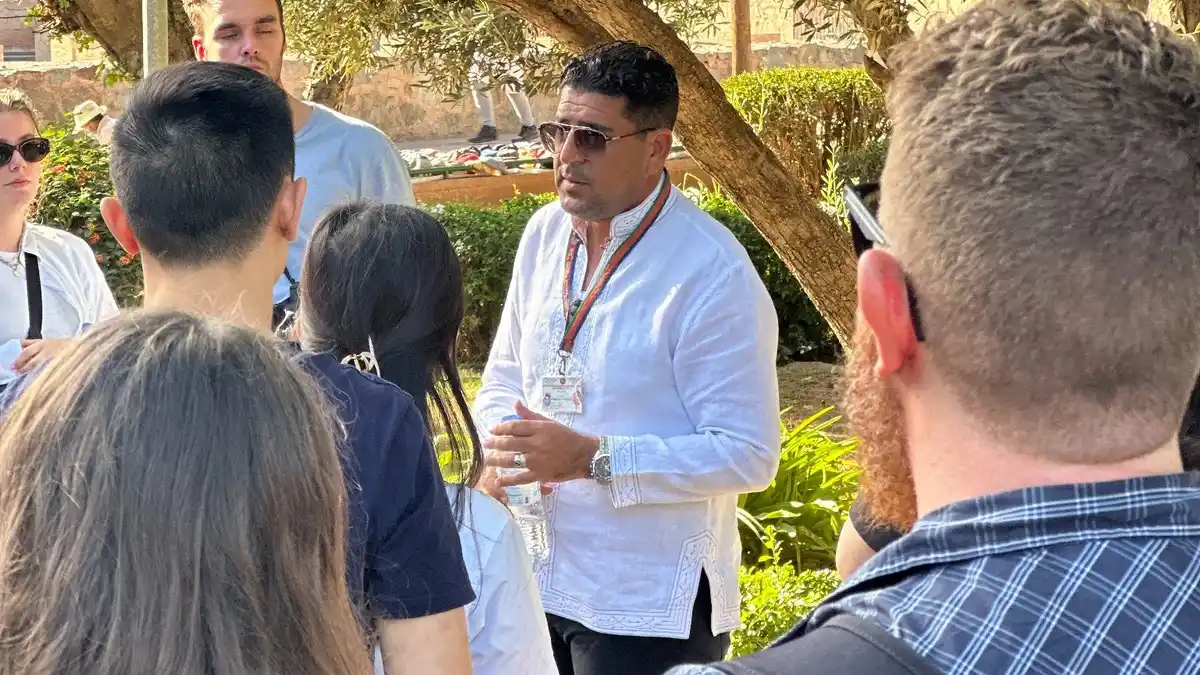
If you want help choosing the right route, desert camp, mountain stop, or Marrakech experience, you can contact me directly . I’m Kamal, a licensed Moroccan guide based in Marrakech, and I created this blog to help you plan Morocco with real local advice, not guesswork.
Some links in this guide may be affiliate links. This means I may earn a small commission if you book through them, at no extra cost to you. I only recommend experiences, hotels, tours, and travel services that I believe can genuinely help you plan a better trip to Morocco. Thank you for supporting Morocco Tips and my work as a local guide.
FAQ About Morocco in February
Is February a good time to visit Morocco?
Yes, February is a great time to visit Morocco if you want mild days, fewer crowds, better hotel value, and comfortable sightseeing. It is especially good for Marrakech, the Sahara Desert, the Atlas Mountains, and the Atlantic coast. Just remember that evenings can be cold, especially inland and in the desert.
What is Morocco weather in February like?
Morocco weather in February depends on the region. Marrakech often has sunny days around 18–23°C, Agadir can reach 21–25°C, and the Sahara Desert can be pleasant by day but very cold at night. The Atlas Mountains can have snow, while northern cities may see occasional rain.
What should I pack for Morocco in February?
Pack layers. You need light clothes for sunny afternoons, a fleece or sweater for evenings, a warm jacket for nights, comfortable walking shoes, and warm socks for riads. If you visit the Sahara or Atlas Mountains, bring thermal layers and a proper jacket.
Is the Sahara Desert too cold to visit in February?
No, the Sahara is not too cold to visit in February, but the nights are very cold. Days are often comfortable, but nights can drop to 0–5°C. I recommend booking a good camp with heating if your budget allows.
Can you swim in Morocco in February?
You can swim in heated hotel pools, but the ocean is usually too cold for casual swimming. Atlantic water is often around 17–19°C, which feels refreshing or chilly depending on your body. For surfing Morocco in February, wear a wetsuit.
Where is the warmest place in Morocco in February?
Agadir and the southern Atlantic coast are usually the warmest parts of Morocco in February. Taghazout, Tamraght, and Agadir often have soft winter sun and milder evenings than inland cities. Marrakech can be warm during the day but colder at night.
Is February good for surfing in Morocco?
Yes, February is one of the best months for surfing Morocco, especially around Taghazout, Tamraght, Imsouane, and Agadir. Winter swell is strong, and surf camps are active. Beginners should choose proper lessons and wear a wetsuit because the water is cool.
Is Morocco safe for solo female travelers in February?
Morocco is generally safe for solo female travelers, but confidence and awareness are important. Dress modestly, avoid reacting to every street comment, and ask your riad manager for local advice about safe routes and restaurants. In busy medinas, walk with purpose and use official taxis when needed at night.
Does it snow in Morocco in February?
Yes, it can snow in the Atlas Mountains and Middle Atlas regions such as Ifrane. Oukaïmeden near Marrakech may have snow depending on the year, but conditions vary. High mountain passes can occasionally be affected by snow, so keep your route flexible.
Is February cheaper than other months in Morocco?
Often, yes. February is usually cheaper than the spring peak, with many riads and hotels offering better value. Prices can still rise around special events, school holidays, or popular boutique properties, so book your favorite places early if they matter to you.