
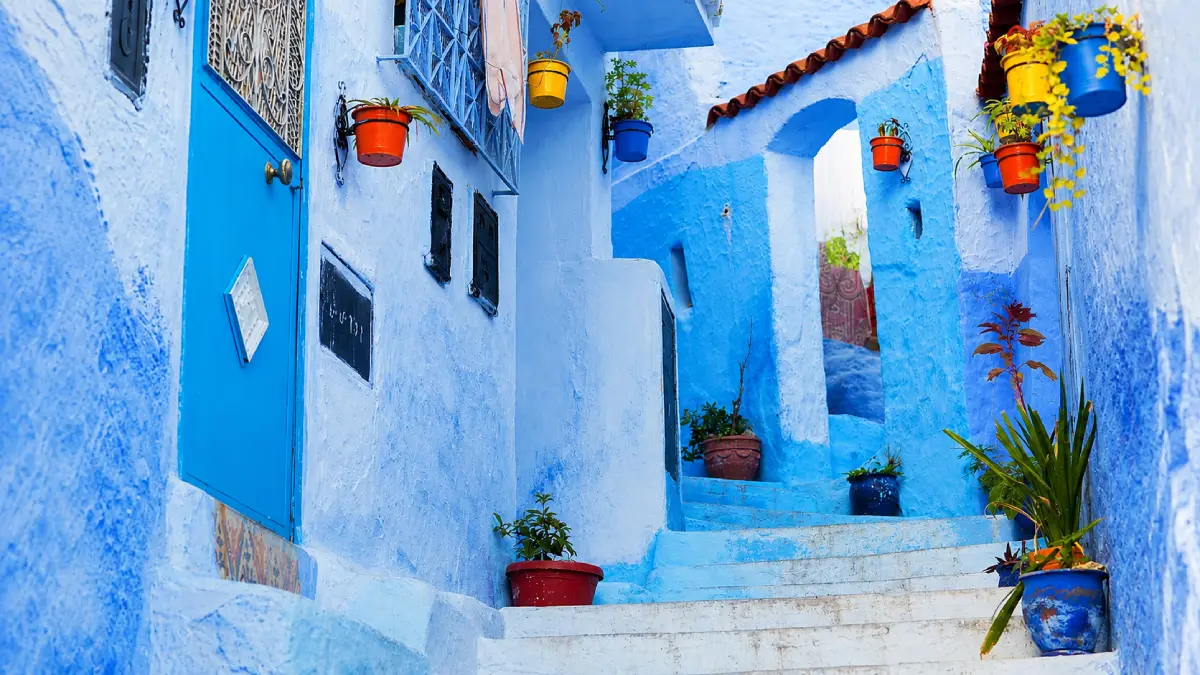
Chefchaouen is one of Morocco’s easiest cities to enjoy slowly. The blue-painted Medina, mountain setting and relaxed atmosphere make it very different from Marrakech, Fes or Casablanca.
I’m Kamal, a licensed Moroccan tour guide, and one thing I tell travelers about Chefchaouen is not to rush it. You do not need a long sightseeing checklist here. The city works best when you leave time to walk, stop for tea, enjoy the views and explore the Medina at an easy pace.
This Chefchaouen travel guide will help you decide how long to stay, when to visit, how to get there, where to stay, what to eat and what you should know before you arrive.
If Chefchaouen is part of a longer trip around the country, start with my Morocco Travel Guide to plan the wider route.
Table of Contents
Table of Contents
Chefchaouen Travel Guide at a Glance
Best for: slow travel, photography, couples, solo travelers, mountain scenery and northern Morocco itineraries.
How long to stay: one night works well; two nights are better if you want a slower visit or a trip to Akchour.
Best time: spring and autumn for comfortable walking and pleasant mountain weather.
Getting there: by road from Tangier, Tetouan, Fes or other northern cities. Chefchaouen is not on Morocco’s railway network.
Best place to stay: inside or close to the Medina for most first-time visitors.
Getting around: mainly on foot. Expect hills, stairs and uneven lanes.
My local tip: if your itinerary allows it, stay overnight instead of arriving and leaving in the middle of the day.
Is Chefchaouen Worth Visiting?
Yes, especially if you want a slower stop between Morocco’s larger cities. Chefchaouen is small, walkable and surrounded by the Rif Mountains, so the experience feels very different from Marrakech or Fes.
Most travelers come for the blue-painted Medina, but the city is also worth visiting for its mountain views, relaxed cafés, small shops and the simple pleasure of walking without a packed sightseeing schedule.
I recommend Chefchaouen most for travelers who enjoy photography, local atmosphere and slower travel. If your Morocco itinerary is already very short, however, I would not force it into the route just because it looks beautiful in photos. The journey takes time, so it works best when it fits naturally between places such as Fes, Tangier or northern Morocco.
If you are building a wider northern route, my Northern Morocco Travel Guide will help you connect Chefchaouen with the rest of the region.
Why Is Chefchaouen Blue?
The blue streets are Chefchaouen’s most famous feature, but the exact origin of the tradition is not completely certain. You will hear several explanations, including stories connected with Jewish communities, spirituality, cooling the houses or even keeping insects away, but it is better not to present one explanation as proven fact.
Chefchaouen was founded in the 15th century and later received Muslim and Jewish communities arriving from Andalusia. Over time, the town developed the distinctive blue appearance visitors know today.
What matters more when you visit is remembering that the Medina is still a living neighborhood. Families live behind the blue doors, children use the streets and many of the beautiful corners you see online are private homes. Enjoy the colors, but always respect the people who live there.
How Many Days Do You Need in Chefchaouen?
For most travelers, one or two nights is enough.
Chefchaouen is compact, so you do not need several days just to see the main sights. What makes staying overnight worthwhile is having time to experience the Medina before the busiest part of the day and again after many day visitors have left.
One Day in Chefchaouen
One full day works if Chefchaouen is a smaller stop in a longer Morocco itinerary. You can wander through the blue Medina, spend time around Uta el-Hammam Square, visit Ras El Ma and walk toward the Spanish Mosque viewpoint without needing to rush.
The main issue is not the size of Chefchaouen. It is the travel time required to reach it. If you are coming from far away and returning the same day, too much of your visit can disappear on the road.
One Night in Chefchaouen
One night is what I recommend for travelers who want Chefchaouen in their itinerary but cannot give it several days.
You get the evening after many visitors have left, then another opportunity to walk through the Medina early the following morning. That gives you a much better feeling for the town without adding too much time to your route.
Two Nights in Chefchaouen
Two nights are ideal if you enjoy slow travel, photography or nature.
You can explore Chefchaouen without watching the clock on your first day, then use the second day for Akchour, a longer walk or simply more time enjoying the town.
I would stay longer mainly if hiking and the Rif Mountains are an important part of your trip.
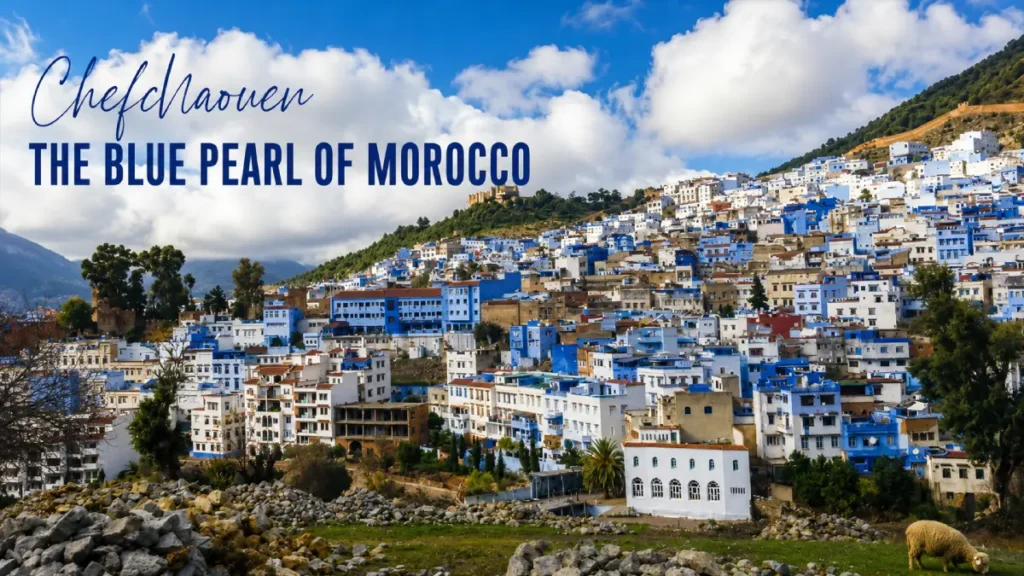
Best Time to Visit Chefchaouen
Chefchaouen can be visited throughout the year, but its location in the Rif Mountains means the weather can feel different from Marrakech, the Sahara or Morocco’s Atlantic coast.
Spring
Spring is one of my favorite times for Chefchaouen. Temperatures are usually comfortable for walking, the surrounding mountains are greener and outdoor trips such as Akchour are particularly enjoyable.
It is also a popular season, so I recommend booking well-located accommodation earlier if your dates are fixed.
Summer
Chefchaouen is in the mountains, but summer days can still become hot.
Walk through the Medina earlier in the morning, slow down during the hottest part of the afternoon and explore again later in the day. Weekends and holiday periods can also feel busier because Chefchaouen is popular with Moroccan visitors as well as international travelers.
Autumn
Autumn is another excellent time to visit. Temperatures are usually comfortable for walking and the town often feels easier after the busiest summer period.
If I were choosing mainly for sightseeing and atmosphere, spring and autumn would be my first choices.
Winter
Winter can be peaceful, but do not assume that Morocco is warm everywhere. Chefchaouen can have cold evenings, rain and changing mountain weather.
Bring layers and check the forecast carefully if you plan to hike around Akchour or farther into the Rif Mountains.
For a country-wide seasonal comparison, read my Best Time to Visit Morocco guide.
How to Get to Chefchaouen
Chefchaouen does not have a train station, so the final part of your journey will be by road.
Your main options are an intercity bus, private transfer, grand taxi or rental car. Which one is best depends on where you are coming from and where you plan to travel afterward.
For a complete explanation of trains, buses, taxis, rental cars and private transfers, see my Morocco Transportation Guide.
Tangier to Chefchaouen
Tangier is one of the easiest gateways to Chefchaouen. The drive normally takes around two to two and a half hours depending on traffic and your exact starting point.
This makes Tangier and Chefchaouen a natural combination, especially if you arrive in northern Morocco by plane, ferry or train.
If Tangier is also part of your itinerary, read my Tangier Travel Guide.
Fes to Chefchaouen
Fes to Chefchaouen takes longer than many first-time visitors expect. By road, I would plan for roughly three and a half to four and a half hours depending on traffic, stops and the type of transport you use. Buses can take longer.
This matters if you are considering a day trip. Traveling from Fes to Chefchaouen and returning the same evening can mean spending a large part of the day sitting in a vehicle.
If your itinerary allows it, I prefer traveling from Fes, spending the night in Chefchaouen and continuing north instead of immediately backtracking.
For the Fes part of your journey, use my Fes Travel Guide.
Tetouan to Chefchaouen
Tetouan is much closer to Chefchaouen, with the drive usually taking around one and a half hours.
Travelers sometimes overlook Tetouan when planning northern Morocco, but geographically it combines very naturally with Chefchaouen and Tangier.
Casablanca to Chefchaouen
I would not treat Casablanca to Chefchaouen as a short transfer. It is a long travel day if you drive the whole distance.
One option is to travel north by train toward Tangier and continue to Chefchaouen by road. A rental car can also work if Chefchaouen is part of a wider road trip through northern Morocco.
If you plan to drive yourself, read my Rent a Car in Morocco guide before booking.
Taking the Bus to Chefchaouen
CTM is one of the main intercity bus companies travelers use for Chefchaouen.
Schedules can change depending on the date and season, so check the current timetable before building your itinerary around a specific departure. I also recommend booking earlier when your plans depend on a particular morning bus or when traveling during busy periods.
Chefchaouen as a Day Trip or Overnight?
This is one of the most important decisions when planning a visit.
From Tangier or Tetouan, a Chefchaouen day trip can work because the road journey is relatively manageable. From Fes, it is possible, but I would choose it only if your itinerary gives you no better option.
A Fes round trip can turn into a very long transport day. You may technically see Chefchaouen, but you miss much of the relaxed atmosphere that makes the town special.
If you can reorganize your route, I prefer Fes → Chefchaouen → Tangier, or the reverse. You avoid unnecessary backtracking and get to experience Chefchaouen in the evening and early morning when it feels much calmer.
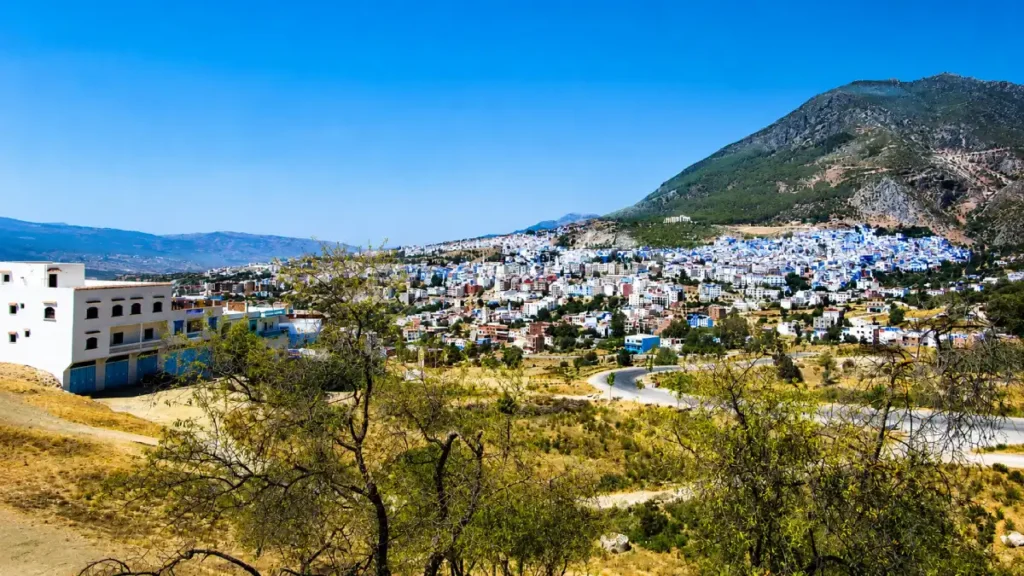
What to Do in Chefchaouen
You do not need a long sightseeing checklist to enjoy Chefchaouen.
The main experience is wandering through the blue Medina, but places such as Uta el-Hammam Square, the Kasbah, Ras El Ma and the Spanish Mosque viewpoint are also worth including. Small artisan shops, cafés and the surrounding Rif landscape are part of what makes the town enjoyable.
For a closer look at the sights, viewpoints and experiences I would prioritize, read my Things to Do in Chefchaouen guide.
Where to Stay in Chefchaouen
For most first-time visitors, the main decision is whether to stay inside the Medina or close to its edge.
Inside the Medina gives you the atmosphere people come to Chefchaouen for. You can step outside early in the morning, return easily during the day and enjoy the streets again after many day visitors leave.
Staying just outside the Medina can be better if you have heavy luggage, are arriving by car, want easier vehicle access or prefer more open mountain views.
Chefchaouen is hilly, so never judge accommodation only by how close it looks on a map. A short distance can still involve stairs and steep streets.
For specific riads, hotels, location advice and easier-access options, read my Where to Stay in Chefchaouen guide.
What to Eat in Chefchaouen
Food in Chefchaouen fits the town: relaxed, simple and connected with northern Morocco.
Look for local goat cheese, tagines, couscous, bissara, Moroccan breads, msemen, baghrir, fresh juices and mint tea.
You do not need to schedule every meal before arriving. I prefer choosing a few restaurants based on recent reviews and then leaving some meals flexible. A rooftop or terrace can be especially enjoyable because the mountain setting is part of the experience.
If you are trying to estimate food, hotel and transport costs across the country, read my Morocco Travel Costs guide.
Should You Visit Akchour?
If you have an extra day and enjoy nature, yes.
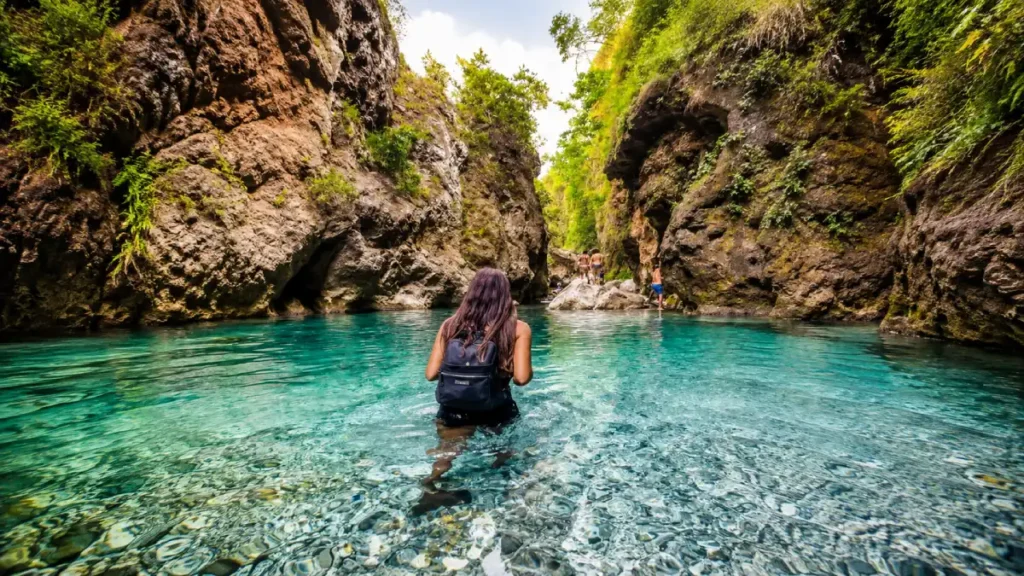
Akchour is one of the best-known outdoor trips from Chefchaouen, with rivers, waterfalls and mountain scenery in the Rif region.
Do not assume every Akchour visit involves the same walk. The route you choose, weather, water conditions and how much hiking you want can change the experience considerably.
Wear proper footwear, bring water and check local conditions before setting out. If hiking is an important part of your trip, I would give Chefchaouen at least two nights instead of trying to squeeze Akchour into an already rushed itinerary.
How to Get Around Chefchaouen
Once you arrive, walking is the main way to explore Chefchaouen.
The Medina has narrow pedestrian lanes, stairs and hills. You do not need a car for sightseeing inside it, and having one can actually create extra problems with parking and luggage.
Taxis are useful outside the Medina and for reaching other parts of town. For Akchour or longer trips, a shared taxi, private transport or organized excursion is more practical.
Good walking shoes matter here. Chefchaouen looks gentle in photos, but several hours of walking uphill and downhill can become tiring.
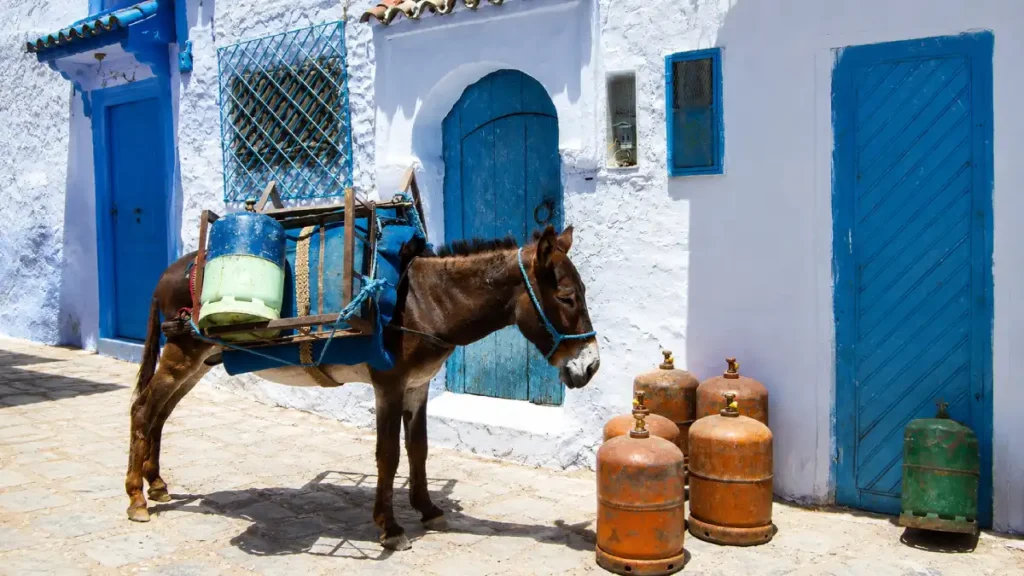
What to Know Before Visiting Chefchaouen
Bring Some Cash
Do not assume every café, small shop or guesthouse accepts cards.
Keep some Moroccan dirhams available for smaller purchases, simple restaurants and taxis. You do not need to carry all of your travel money, but having enough cash for the day makes things easier.
Think About Luggage Before Booking
This is one of the most useful Chefchaouen tips I can give.
If your riad is deep inside the Medina or higher up the hill, you may need to walk from the nearest vehicle-access point. Before arriving, ask your accommodation exactly where a driver or taxi can stop and whether someone can help with your luggage.
Respect Residential Streets
Not every blue staircase, doorway or courtyard is a tourist attraction.
Ask before photographing people, avoid blocking entrances for long photo sessions and respect signs asking visitors not to enter or photograph private spaces.
Chefchaouen is much more enjoyable when you remember that the famous Medina is also somebody’s neighborhood.
Pack for a Mountain Town
Comfortable walking shoes are essential. Depending on the season, a jacket or extra layer can also be useful because evenings may feel cooler than travelers expect.
For country-wide packing advice, read my Morocco Packing List.
Safety in Chefchaouen
Chefchaouen generally feels calmer than Morocco’s largest tourist cities, but normal travel awareness still applies.
Keep track of your valuables, understand how to get back to your accommodation after dark and be cautious if somebody insists on taking you somewhere you did not ask to go.
For broader practical advice, read my Safety in Morocco guide.
Common Chefchaouen Mistakes
Underestimating the journey: Chefchaouen may not look far from Fes on a map, but road travel takes a significant part of the day.
Visiting only at midday: the Medina feels much calmer early in the morning and later in the afternoon or evening.
Booking accommodation only from photos: check stairs, luggage access and the distance from the nearest road before booking.
Treating private homes like photo sets: many of the famous blue doors and staircases belong to local families.
Trying to do too much: Chefchaouen is one of those places where a slower schedule usually creates a better experience.
How Chefchaouen Fits Into a Morocco Itinerary
Chefchaouen makes the most sense when the geography works in your favor.
A natural northern route can be Tangier → Chefchaouen → Tetouan or Asilah, especially for travelers arriving through northern Morocco.
Another very practical route is Fes → Chefchaouen → Tangier. Instead of traveling from Fes to Chefchaouen and then driving all the way back again, you continue north.
If your itinerary is centered on Marrakech, the Sahara and southern Morocco and you only have one week, think carefully before forcing Chefchaouen into the same trip. Morocco can look much smaller on a map than it feels when you are actually traveling between cities.
For help putting the whole route together, use my Plan Your Trip to Morocco guide.
Final Advice for Visiting Chefchaouen
A good Chefchaouen travel guide should make planning simple, because the town itself does not need to be complicated.
Give yourself enough time to see the Medina outside the busiest hours. Choose accommodation with access that suits your luggage and mobility. Do not underestimate the journey from Fes. Leave enough time to walk without trying to photograph every corner.
If you do those things, Chefchaouen becomes much more than a blue stop on a Morocco itinerary. It becomes a quieter pause between larger cities that can make the whole journey feel better.
For sightseeing ideas, continue with my Things to Do in Chefchaouen guide. For accommodation, use my Where to Stay in Chefchaouen guide.
FAQs About Visiting Chefchaouen
Is Chefchaouen worth visiting?
Yes. Chefchaouen is worth visiting if you enjoy atmospheric towns, photography, mountain scenery and slower travel. I would include it when it fits naturally into a northern Morocco or Fes-to-Tangier route rather than adding it at the cost of excessive driving.
How many days should I spend in Chefchaouen?
One night is enough for many travelers. Two nights are better if you want a relaxed pace, early-morning photography or a day trip to Akchour.
Can you travel to Chefchaouen by train?
No. Chefchaouen does not have a train station. Travelers usually continue by bus, taxi, private transfer or rental car from cities such as Tangier or Fes.
Can Chefchaouen be visited as a day trip from Fes?
Yes, but I do not recommend it for most travelers. The road journey is long enough that a return trip can take up most of the day. Staying one night gives you more time in Chefchaouen and usually creates a better route if you continue toward Tangier afterward.
Is Chefchaouen easy to walk around?
The center is compact, but it is hilly. Expect slopes, stairs and uneven Medina streets. Comfortable walking shoes make a big difference.
Is Chefchaouen safe for tourists?
Chefchaouen generally feels calm for visitors, but normal travel awareness still applies. Look after your valuables, know how to reach your accommodation and be respectful in quieter residential areas.
Why is Chefchaouen painted blue?
There are several popular explanations for Chefchaouen’s blue streets, but the precise origin of the tradition is disputed. It is better to see the blue as part of Chefchaouen’s evolving local identity rather than treating one popular story as proven fact.