Can You Eat Salad in Morocco? Honest Local Guide Advice for Travelers
Can you eat salad in Morocco? Yes, you can, but you should choose carefully, especially if it is your first time visiting the country. Many travelers search “can you eat salad in Morocco” because they want to enjoy local food without getting an upset stomach.
As a local guide, this is one of the most common food questions travelers ask me. They want to try Moroccan food, but they also worry about losing a day in Marrakech, Fes, the Sahara, or the Atlas Mountains because of one bad meal.
The honest local answer is simple: cooked Moroccan salads are usually safer than raw salads for first-time visitors. Raw salads can also be fine in clean restaurants, good riads, and trusted places, but you should be more careful in very cheap restaurants, roadside stops, or places where hygiene does not look good.
Moroccan food is not something to fear. The goal is not to avoid everything fresh. The goal is to understand the difference between cooked salads, raw salads, clean restaurants, and risky situations.
Before your trip, I also recommend reading my Morocco Food Guide, What to Eat in Morocco, and What Not to Eat in Morocco guides. They will help you enjoy Moroccan food with more confidence and less stress. If this is your first time visiting Morocco, I also recommend reading my Morocco Travel Guide before your trip. It gives you the bigger picture of how to plan your route, understand local culture, stay safe, manage money, and enjoy Moroccan food without stress.
Table of Contents
Table of Contents
Is Salad Safe to Eat in Morocco?
The simple answer to “can you eat salad in Morocco” is yes, but cooked Moroccan salads are usually the safest choice for first-time visitors. Raw salads can also be fine, but only when they come from clean restaurants, trusted riads, or good hotels. Yes, salad can be safe to eat in Morocco, especially in clean restaurants, trusted riads, and good hotels. Cooked Moroccan salads like zaalouk, taktouka, cooked carrots, lentils, and eggplant are usually safer choices because they are prepared with heat.
Raw salads are the ones where you need more caution. Lettuce, cucumber, tomato, and mixed raw vegetables should be eaten only in places that look clean and trustworthy. If you are unsure, choose cooked salad instead.
| Type of Salad | Is It Safe? | My Local Advice |
|---|---|---|
| Zaalouk | Usually yes | Cooked eggplant and tomato. A good safe choice because it is cooked and served fresh in many Moroccan restaurants. |
| Taktouka | Usually yes | Cooked peppers and tomato, often served with bread. This is one of the better choices for travelers. |
| Cooked carrots | Usually yes | A common Moroccan salad and usually safe because the carrots are cooked before serving. |
| Lentil salad | Usually yes | Cooked, filling, and usually a safe option when served in a clean restaurant or riad. |
| Raw tomato salad | Depends | Fine in clean places, but avoid it in doubtful spots where hygiene or washing water is not clear. |
| Lettuce salad | Be careful | Only eat it in trusted restaurants, riads, or hotels because washing water and handling matter a lot. |
| Mixed raw salad | Be careful | Hygiene and washing water matter. Sensitive stomachs should be careful with mixed raw vegetables. |
| Hotel salad buffet | Depends | Choose fresh-looking items and avoid anything that has been sitting out too long, especially in warm weather. |
Some links in this guide may earn a small commission at no extra cost to you. I only recommend services I trust for planning a Morocco trip.
Moroccan Salads Are Not Always Raw
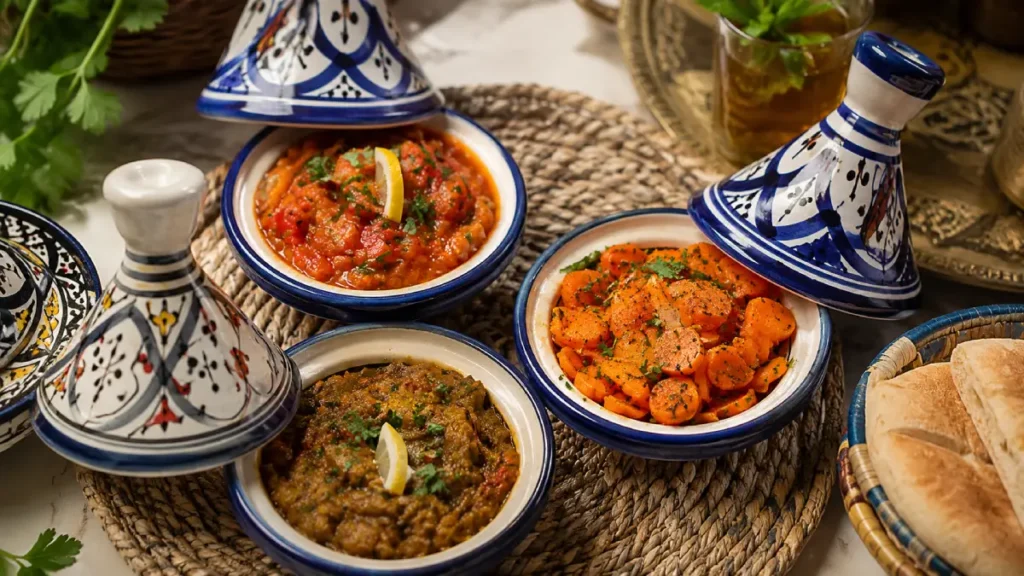
Many travelers hear the word “salad” and think of lettuce, cucumber, and raw vegetables. In Morocco, salad often means something different.
Moroccan salads are often cooked. They may be served cold or warm, but many are prepared with heat, olive oil, spices, garlic, herbs, and vegetables. This is why they are usually easier for travelers to enjoy.
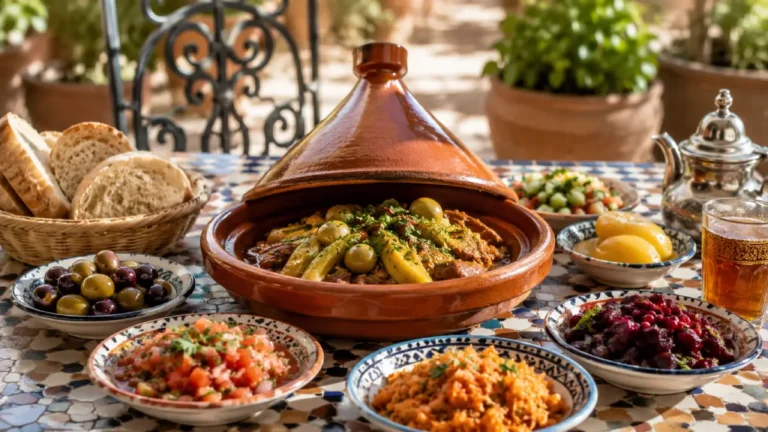
Some of the most common Moroccan cooked salads include zaalouk, made with cooked eggplant and tomato; taktouka, made with cooked peppers and tomato; cooked carrots with cumin; lentils; beans; and beetroot salad.
These dishes are often served at the beginning of a meal with bread. They are flavorful, local, and usually safer than raw salads because cooking reduces many of the risks that worry travelers.
If you want to enjoy Moroccan food safely, cooked salads are one of the best places to start.
Raw Salad in Morocco: When to Be Careful
Raw salads are not automatically dangerous in Morocco. Many travelers eat them without any problem. But raw food always depends on washing, storage, and kitchen hygiene.
In good restaurants, quality riads, and trusted cafés, raw salads are usually fine. These places are used to serving travelers and usually understand hygiene standards.
But in very cheap restaurants, roadside stops, empty tourist restaurants, or places that look careless, I would avoid raw salad. The problem is not the vegetable itself. The problem is how it was washed, how long it has been sitting, and whether the kitchen is clean.
Lettuce is the one I am most careful with. It can hold water and dirt more easily than some other vegetables. If you have a sensitive stomach, skip lettuce unless you trust the place.
My local advice: when in doubt, choose cooked Moroccan salads instead of raw salad. You still enjoy local food, but with less risk. The same idea applies if you plan to try food stalls or snacks in the medina. Before you go, read my guide Is Street Food Safe in Morocco? because the safest street food is usually fresh, hot, busy, and clean.
Can You Eat Salad in Marrakech?
Yes, you can eat salad in Marrakech, but choose the place carefully. Marrakech has excellent restaurants, rooftops, riads, cafés, and food experiences, but it also has tourist traps and places that serve food without much care.
In good restaurants and riads, salads are usually safe. Many places in Marrakech serve beautiful Moroccan salad plates with cooked vegetables, zaalouk, taktouka, carrots, olives, and other small dishes. These are often a better choice than a Western-style raw salad.
In Jemaa el-Fna or very busy food areas, use your eyes. If the food looks fresh, the stall is busy, and locals are eating there, that is a better sign. If salad looks old, wet, uncovered, or tired, skip it.
If you are visiting Marrakech and still feel unsure about what to eat safely, a guided food walk can help you understand which places are fresh, busy, and trusted. I explain how to choose a good local experience in my guide to the best food tours in Marrakech.
So if you are wondering, “can you eat salad in Morocco, especially in Marrakech?” the answer is yes, but choose restaurants and riads that look clean, busy, and well managed.
For Marrakech food planning, read my Where to Eat in Marrakech, Marrakech Travel Guide, and Marrakech Souks Guide.
Can You Eat Salad in Riads and Hotels?
In most good riads and hotels, salad is usually fine. These places are used to international guests and usually take more care with food preparation.
Riad meals are often some of the safest and most enjoyable meals travelers have in Morocco. Many riads prepare food fresh, in smaller quantities, and with more personal attention than large tourist restaurants.
Hotel buffets need a little more attention. A breakfast or lunch buffet can be fine, but avoid salad that looks like it has been sitting too long, especially in warm weather. Fresh-looking food that is being replaced often is better than food that looks tired.
My advice: in riads, salad is usually a good choice. In buffets, look carefully before taking raw items. And if breakfast is part of your riad stay, read my full guide to Moroccan Breakfast to understand what locals really eat in the morning beyond hotel buffets.
Can You Eat Salad on Desert Tours?
On desert tours, I am more careful with raw salads. The route from Marrakech to Merzouga or Fes includes long travel days, roadside restaurants, and places where food quality can vary.
Some restaurants on desert routes are good and clean. Others are average and serve many tourists quickly. On these travel days, I usually recommend choosing hot cooked food: tagine, omelet, soup, grilled chicken, cooked vegetables, or Moroccan cooked salads.
At good desert camps, dinner is usually prepared fresh and is often safe. But again, cooked food is the smarter choice if your stomach is sensitive.
If you are planning the Sahara, read my Best Desert Camps in Merzouga, Merzouga Sahara Desert Travel Guide, and 3 Days Desert Tour from Marrakech guides.
What About Salad in Local Homes?
If you are invited to a Moroccan home, salad is usually prepared with care. Moroccan families take hospitality seriously, and food is a big part of welcoming guests.
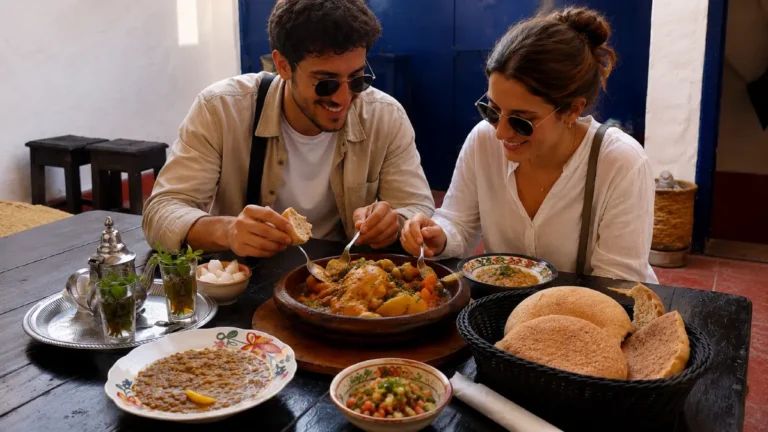
You may be served several small salads before the main meal. Many of these are cooked Moroccan salads, which are usually easy to enjoy. If raw salad is served and you feel unsure, you can take a small amount or simply focus on the cooked dishes.
In Moroccan culture, you do not need to explain too much. A smile, a kind “thank you,” and eating what feels comfortable is enough.
Because raw salads depend on washing and kitchen hygiene, it also helps to read Can You Drink Tap Water in Morocco?. This guide explains tap water, bottled water, ice, and why cooked Moroccan salads are often easier for first-time visitors.
Best Moroccan Salads for Travelers to Try
The best salads for first-time visitors are usually the cooked ones.
Zaalouk is one of my favorites. It is made with cooked eggplant, tomato, garlic, olive oil, and spices. It is soft, flavorful, and eaten with Moroccan bread.
Taktouka is made with cooked peppers and tomato. It is simple, colorful, and very common in Moroccan meals.
Cooked carrot salad with cumin is another safe and easy choice. It is light, traditional, and usually served as part of a salad plate.
Lentil salad and white bean salad are also good choices because they are cooked and filling.
These dishes help you enjoy Moroccan flavors without taking unnecessary risks.
How to Know If a Salad Is Safe
Use simple signs. Is the restaurant clean? Are other people eating there? Does the salad look fresh? Is the place busy? Does the food smell good? Are the tables and plates clean?
A busy local restaurant is often a good sign because food moves quickly. A quiet place with old-looking food is not a good sign.
Fresh salad should look fresh. It should not look dry, tired, warm, or watery from sitting too long.
Also trust your instinct. If something does not feel right, skip it. In Morocco, there is always another dish to enjoy.
Should You Avoid Lettuce in Morocco?
You do not have to avoid lettuce everywhere, but lettuce is one of the raw foods I would be more careful with.
In good restaurants, hotels, and riads, lettuce is usually fine. But in cheap or doubtful places, I would skip it. Lettuce can be harder to clean well, and it is often eaten raw.
If you have a sensitive stomach, avoid lettuce during the first few days of your trip. Start with cooked Moroccan salads instead.
Is Tomato Salad Safe in Morocco?
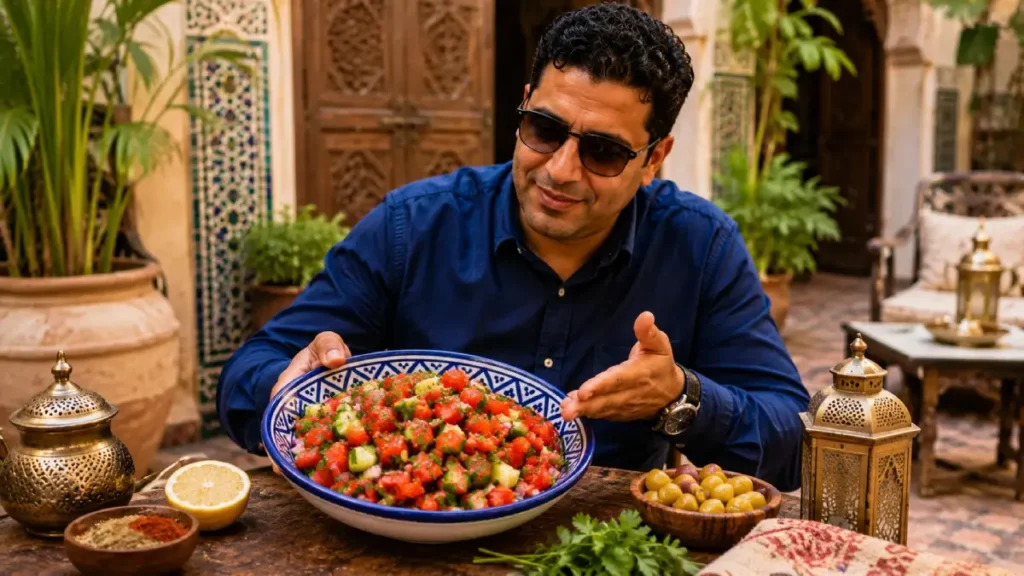
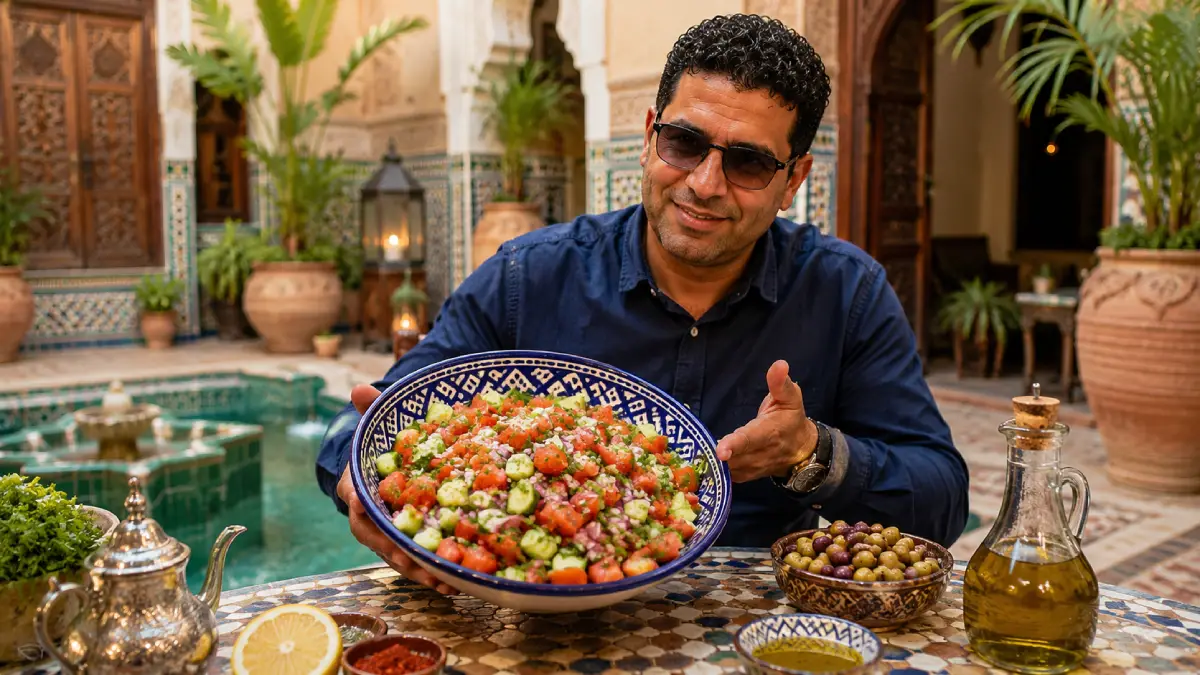
Tomato salad can be fine when it is fresh and prepared in a clean place. Moroccan tomato and onion salad is common, especially with grilled food.
The main question is hygiene. If the restaurant is clean and busy, tomato salad is usually okay. If it looks like it has been sitting for a long time, skip it.
Again, cooked tomato salads like taktouka are safer than raw tomato salads.
Food Safety Tips for Eating Salad in Morocco
Choose cooked Moroccan salads when you are unsure. Eat raw salads only in clean, trusted places, and avoid lettuce in doubtful restaurants. Be careful with salad buffets if the food looks old or has been sitting too long. Choose busy restaurants with fresh turnover, drink bottled water if your stomach is sensitive, and start slowly in the first few days.
Do not eat too many rich foods, sweets, juices, and raw foods all at once. These small habits make a big difference, especially when your stomach is still adjusting to Moroccan food.
For extra travel health guidance, the UK government’s Morocco travel advice recommends checking health information before traveling and knowing how to access medical help if needed. The CDC food and water safety advice for travelers also recommends being careful with food and water while traveling, especially when eating raw foods or drinking water from unfamiliar sources.
My Honest Local Guide Advice
If you are visiting Morocco, do not be afraid of salads. Moroccan salads are part of the food experience, and many of them are delicious. But choose wisely.
For first-time visitors, I recommend starting with cooked salads like zaalouk, taktouka, carrots, lentils, and beans. Once you feel comfortable and you are eating in trusted places, raw salads can be fine too.
The mistake is not eating salad. The mistake is eating raw salad anywhere without looking at the place, the freshness, and your own stomach.
Moroccan food should be enjoyed with confidence, not fear. Eat smart, choose clean places, and let cooked Moroccan salads become part of your trip.
Final Thoughts: Can You Eat Salad in Morocco?
Yes, you can eat salad in Morocco, but choose it with common sense. Cooked Moroccan salads are usually the best and safest choice for first-time visitors. Raw salads can also be fine in clean, trusted places, but they are not something I recommend eating everywhere without thinking.
As a local guide, my advice is simple: do not avoid Moroccan food out of fear. Just learn the difference between safe choices and risky situations. Choose cooked salads when unsure, eat in busy and clean places, drink bottled water, and trust your instinct.
Moroccan salads are part of the country’s food culture. Enjoy them slowly, choose wisely, and let them add flavor to your trip.
In the end, the question is not only “can you eat salad in Morocco?” but where the salad is prepared, whether it is cooked or raw, and how clean the place looks.
FAQs About Eating Salad in Morocco
Can tourists eat salad in Morocco?
Yes, tourists can eat salad in Morocco, especially in clean restaurants, good riads, and trusted hotels. Cooked Moroccan salads are usually safer than raw salads.
Are Moroccan salads cooked or raw?
Many Moroccan salads are cooked, such as zaalouk, taktouka, carrots, lentils, and beans. Some salads are raw, such as tomato, cucumber, onion, or lettuce salads.
Is lettuce safe to eat in Morocco?
Lettuce can be safe in clean restaurants and hotels, but it is better to avoid it in doubtful places. If you have a sensitive stomach, choose cooked salads instead.
Can you eat raw vegetables in Morocco?
Yes, but only in places you trust. Raw vegetables depend on washing and hygiene. Cooked vegetables are the safer choice when you are unsure.
Can you eat salad in Marrakech?
Yes, you can eat salad in Marrakech. Choose good restaurants, riads, and trusted cafés. Be more careful with raw salad in very cheap or unclear places.
What Moroccan salads are safest?
Cooked Moroccan salads are usually safest. Good choices include zaalouk, taktouka, cooked carrots, lentils, beans, and beetroot salad.
Should I avoid salad on desert tours?
You do not need to avoid all salad, but on long desert road trips, cooked food is usually the safer choice. Choose hot tagine, soup, omelet, grilled food, or cooked salads.
Can I eat salad in Moroccan riads?
Yes, salads in good riads are usually safe because food is often prepared fresh and with care. Cooked salads are especially good.
What should I do if I have a sensitive stomach?
Start with cooked dishes, bottled water, peeled fruit, and simple meals. Avoid raw salad in the first few days until your stomach adjusts.