Can You Drink Tap Water in Morocco? Honest Local Guide Advice
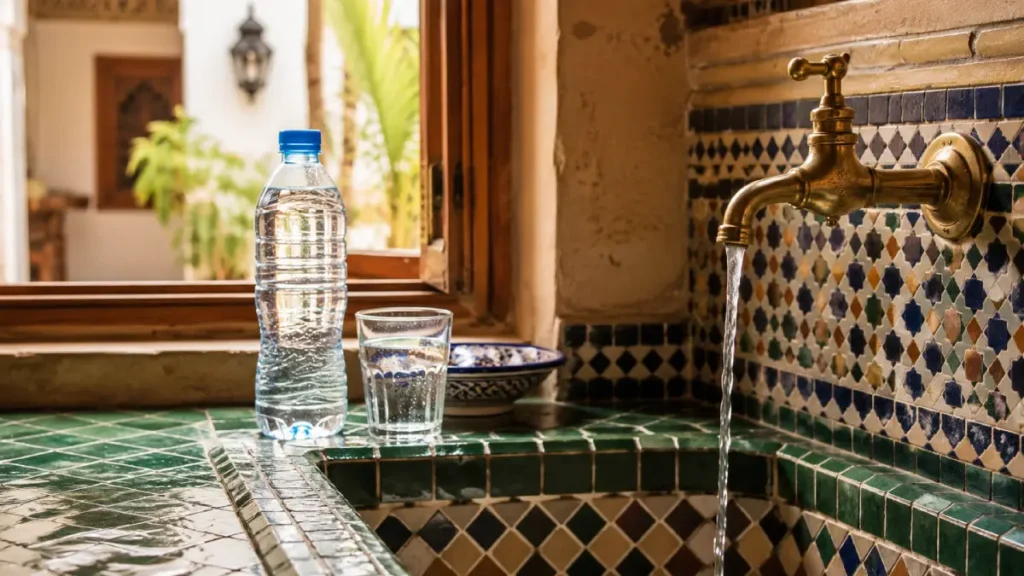
Can you drink tap water in Morocco? In many Moroccan cities, tap water is treated, and many locals drink it. But for most tourists, especially on a first trip, I recommend drinking bottled water to avoid stomach problems.
This does not mean Moroccan tap water is dangerous everywhere. The real issue is that your stomach may not be used to the local water, minerals, or small differences in treatment. Even if the water is safe for locals, it can still upset a traveler’s stomach.
As a local guide, I always give visitors simple advice: use bottled water for drinking, especially during your first days in Morocco. It is cheap, easy to find, and removes one unnecessary risk from your trip.
Morocco is a country where food and drink are part of the experience. You should enjoy mint tea, fresh orange juice, tagine, couscous, and Moroccan salads without fear. But with water, it is better to be careful and relaxed.
Before your trip, I recommend reading my Morocco Food Guide, What Not to Eat in Morocco, and Is Street Food Safe in Morocco guides. They will help you understand food and drink safety without becoming afraid of everything.
Table of Contents
Table of Contents
Is Tap Water Safe to Drink in Morocco?
Tap water in Morocco is treated in many cities, but most tourists should drink bottled water. Locals may drink tap water in places like Marrakech, Rabat, Casablanca, Fes, and Tangier, but travelers can still get an upset stomach because their bodies are not used to it.
For drinking, bottled water is the safest and easiest choice. For brushing your teeth, many travelers use tap water without problems, but if you have a sensitive stomach, use bottled water for that too.
| Situation | My Advice |
|---|---|
| Drinking tap water | Better to use bottled water, especially during your first days in Morocco. |
| Brushing teeth | Usually fine for many travelers, but use bottled water if you have a sensitive stomach. |
| Ice in hotels | Usually fine in good hotels, riads, and trusted restaurants. |
| Ice in unknown places | Better to avoid it if you are not sure about the place or how the ice was made. |
| Mint tea | Usually fine because the water is boiled before serving. |
| Fresh orange juice | Usually fine if made fresh in front of you and served from a clean stall. |
| Desert tours | Always carry bottled water, especially on long drives, camel rides, and hot days. |
| Sensitive stomach | Use bottled water for drinking and brushing teeth, at least for the first few days. |
Why Tourists Should Be Careful With Tap Water in Morocco
Some links in this guide may earn a small commission at no extra cost to you. I only recommend services I trust for planning a Morocco trip.
The main reason tourists should be careful with tap water in Morocco is not panic or fear. It is simple travel logic.
When you travel, your body meets new food, new spices, new bacteria, new routines, heat, long walking days, and sometimes less sleep. Your stomach is already adjusting. Drinking unfamiliar tap water can add one more thing for your body to handle.
Some travelers drink tap water in Morocco and feel completely fine. Others drink a small amount and get stomach discomfort. You cannot always know in advance how your body will react.
This is why bottled water is the safer choice. It keeps things simple.
You do not come to Morocco to worry about water. You come to enjoy the country. Bottled water lets you focus on the trip instead of asking yourself every day if your stomach will be okay.
Official Travel Health Advice for Visitors
International travel health guidance is usually cautious about drinking water abroad. The CDC advises travelers that factory-sealed bottled water is often the safest option, and its food and water guidance also recommends avoiding ice when water safety is uncertain. NHS Wales travel health advice also recommends bottled, boiled, filtered, or treated water when traveling, with sealed bottled drinks and hot drinks made with boiled water usually considered safer.
For Morocco, this matches the practical advice I give as a local guide: tap water may be treated in many cities, but bottled water is still the easier and safer choice for most visitors. This is not because every glass of tap water is dangerous. It is because travelers may not be used to local water, building pipes, storage tanks, minerals, or small differences that locals tolerate more easily.
So if you want the simple rule, follow this: drink sealed bottled water, avoid unknown ice, enjoy mint tea and coffee because the water is boiled, and use bottled water for brushing your teeth if your stomach is sensitive.
Tap Water in Moroccan Cities: Local Guide Advice
Tap water is treated in many Moroccan cities, but I still recommend bottled water for tourists. The real question is not only whether the water is treated. The question is whether your stomach is used to it, and whether the building, pipes, or area are reliable.
| City or Area | My Advice for Tourists | Local Note |
|---|---|---|
| Marrakech | Drink bottled water | Heat, medina walking, and long days make hydration important. |
| Fes | Drink bottled water | Older medina buildings can vary, so bottled water is the easier choice. |
| Casablanca | Drink bottled water | It is a big modern city, but bottled water is still simpler for travelers. |
| Rabat | Drink bottled water | Usually comfortable, but tourists should still stay cautious with drinking water. |
| Tangier | Drink bottled water | Especially in older medina areas or small local places. |
| Essaouira | Drink bottled water | The coastal wind can dehydrate you quickly even when the weather feels cool. |
| Agadir | Drink bottled water | Resort hotels may filter water, but bottled water is still the simplest option. |
| Chefchaouen | Drink bottled water | It is a small mountain city, but for travelers it is better not to risk it. |
| Atlas Mountains | Avoid untreated local water | Carry bottled water or ask your guide or host what is safe in that village. |
| Sahara Desert | Always carry bottled water | Dry air, long drives, camel rides, and camp nights make water essential. |
| Rural villages | Be careful | Ask your host or guide before drinking tap, well, or spring water. |
Is Tap Water Safe in Marrakech?
Tap water in Marrakech is treated, and many locals use it. But for tourists, I still recommend bottled water for drinking.
Marrakech can be hot, dry, and busy. Travelers often walk a lot in the medina, visit souks, drink mint tea, try new foods, and spend long hours outside. Dehydration is common, especially in warmer months.
If you drink enough bottled water, you lower the chance of headaches, tiredness, and stomach issues. This is especially important if you are visiting in summer or doing day trips to the Atlas Mountains, Agafay Desert, or Essaouira.
For Marrakech planning, read my Marrakech Travel Guide, Where to Eat in Marrakech, and Is Marrakech Safe for Tourists? guides.
Is Tap Water Safe in Fes?
Fes is an old city with a very historic medina. Tap water is treated, but for tourists I still recommend bottled water.
The main thing in Fes is not only the city water system, but also where you are staying. Some riads are inside old medina buildings, and plumbing can vary from place to place. This is one reason bottled water is easier for travelers.
Fes is also a city where you may walk a lot inside narrow streets, visit tanneries, markets, and traditional workshops. Carrying bottled water makes the day easier.
If you are staying in a riad, ask the staff what they recommend. Local staff know their building and neighborhood better than anyone.
Is Tap Water Safe in Casablanca and Rabat?
Casablanca and Rabat are modern major cities, and tap water is treated. Many locals drink it or use it for cooking and tea.
But again, tourists do not need to take the risk. Bottled water is easy to find and inexpensive. If you are staying in a hotel, you may also find bottled water in the room or minibar.
Casablanca and Rabat are less intense than Marrakech in terms of heat and medina walking, but the same advice applies: drink bottled water, especially at the beginning of your trip.
Is Tap Water Safe in Tangier, Chefchaouen, and Northern Morocco?
In Tangier and northern Morocco, tap water is also treated in many places, but bottled water is still the better choice for travelers.
Tangier has modern areas and old medina areas, and water experience can vary depending on the building. Chefchaouen is a mountain city, and many visitors assume mountain water is always fine. But tourists should still drink bottled water unless a trusted local host or guide tells them otherwise.
If you are traveling through the north, especially between Tangier, Chefchaouen, Tetouan, and rural areas, keep bottled water with you.
For planning this region, I recommend reading my Northern Morocco Travel Guide, Chefchaouen Travel Guide, and Tangier Travel Guide. These guides will help you understand the north better, from blue mountain towns to coastal cities and old medinas.
Is Tap Water Safe in Essaouira and Agadir?
Essaouira and Agadir are coastal cities where bottled water is still the best choice for tourists.
In Essaouira, many travelers do not realize how much the coastal wind can dehydrate them. You may not feel as hot as Marrakech, but after walking the medina, beach, port, and ramparts, you still need water.
Agadir is more resort-focused, and many hotels are comfortable for international travelers. Some hotels may use filtered water, but bottled water remains the simplest option for drinking.
If you are eating seafood on the coast, drink bottled water with your meal and enjoy the food without stress.
For coastal planning, read my Essaouira Travel Guide, Things to Do in Essaouira, and Best Beaches in Morocco.
Tap Water in Rural Morocco, Mountains and Desert Areas
In rural Morocco, mountain villages, and desert regions, you should be more careful with water. Some areas use wells, springs, local storage, or smaller water systems. Even when locals drink the water, tourists may not be used to it.
If you are hiking in the Atlas Mountains, visiting remote villages, or traveling deep into desert areas, do not drink water from unknown springs, wells, or taps unless your guide or host confirms it is safe.
This is especially important on long drives, hikes, desert tours, and rural stays. Your body may already be tired from travel, sun, walking, and new food. Drinking unfamiliar water can make the day harder than it needs to be.
For most travelers, the safest habit is simple: carry bottled water, especially outside cities.
If you are doing serious trekking or staying in remote areas, a filter bottle can be useful. But for normal tourist routes, bottled water is easy enough.
Can You Brush Your Teeth With Tap Water in Morocco?
Most travelers brush their teeth with tap water in Morocco and have no problem. A small amount of tap water while brushing is usually not the same as drinking a full glass.
That said, if you have a very sensitive stomach, or if you are traveling with young children, you may prefer to use bottled water for brushing your teeth too. This is an easy habit and removes worry.
In hotels and riads, you can keep a small bottle near the sink. It is a simple solution.
My local advice: if you are not sure, use bottled water for brushing during the first few days. Once you feel comfortable, you can decide.
Is Ice Safe in Morocco?
Ice depends on where you are.
In good hotels, riads, modern restaurants, and trusted cafés, ice is usually fine. These places often use filtered or safe water and are used to serving travelers.
In very local places, street stalls, or unknown cafés, I would be more careful with ice. If your stomach is sensitive, ask for drinks without ice.
This is especially important with juices, smoothies, and cold drinks. Fresh orange juice is popular in Morocco and usually fine from clean, busy stalls, but unknown ice is not always worth the risk.
For more street food advice, read my Is Street Food Safe in Morocco guide.
Is Mint Tea Safe to Drink in Morocco?
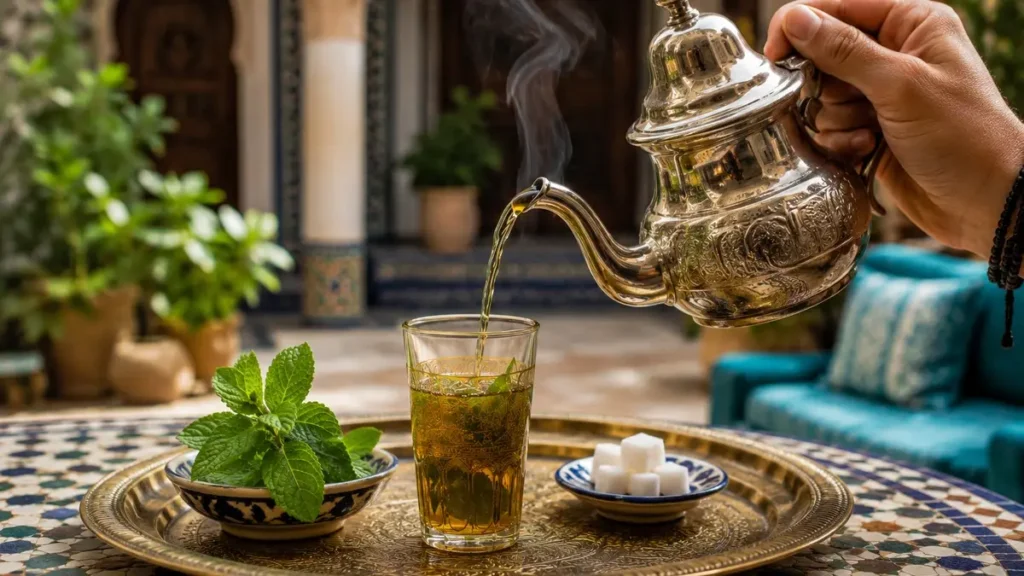
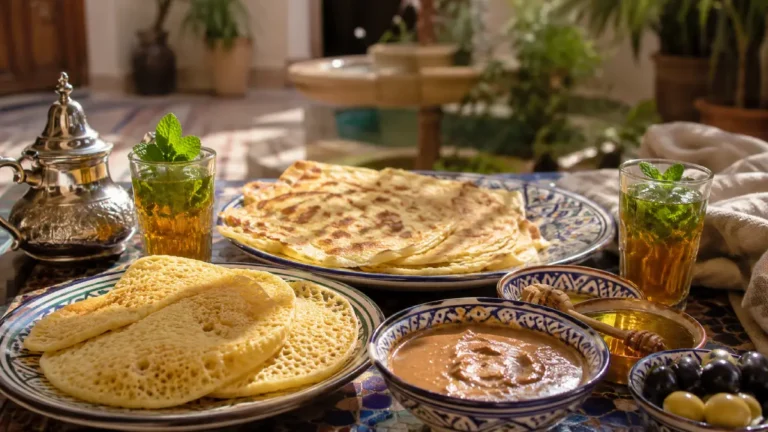
Yes, mint tea is generally safe to drink in Morocco. The water is boiled, which makes it much safer than drinking cold tap water directly.
Mint tea is part of Moroccan hospitality. You will find it in riads, shops, restaurants, homes, desert camps, mountain villages, and cafés. It is one of the most beautiful parts of the Moroccan experience.
The main thing to remember is that Moroccan mint tea is often sweet. If you do not like too much sugar, you can ask for less sugar or no sugar.
You can say: “bila sucre” or “no sugar.”
Can You Drink Coffee in Morocco?
Yes, coffee is generally safe in Morocco. In cafés, restaurants, hotels, and riads, coffee is prepared with heated water, so it is usually not a concern for travelers.
Morocco has many cafés, especially in cities like Marrakech, Casablanca, Rabat, Tangier, and Agadir. Coffee culture is part of daily life, and many travelers enjoy sitting at cafés while watching the street.
If you are in a very remote place and unsure about hygiene, choose a busy café where locals are drinking too.
Is Bottled Water Easy to Find in Morocco?
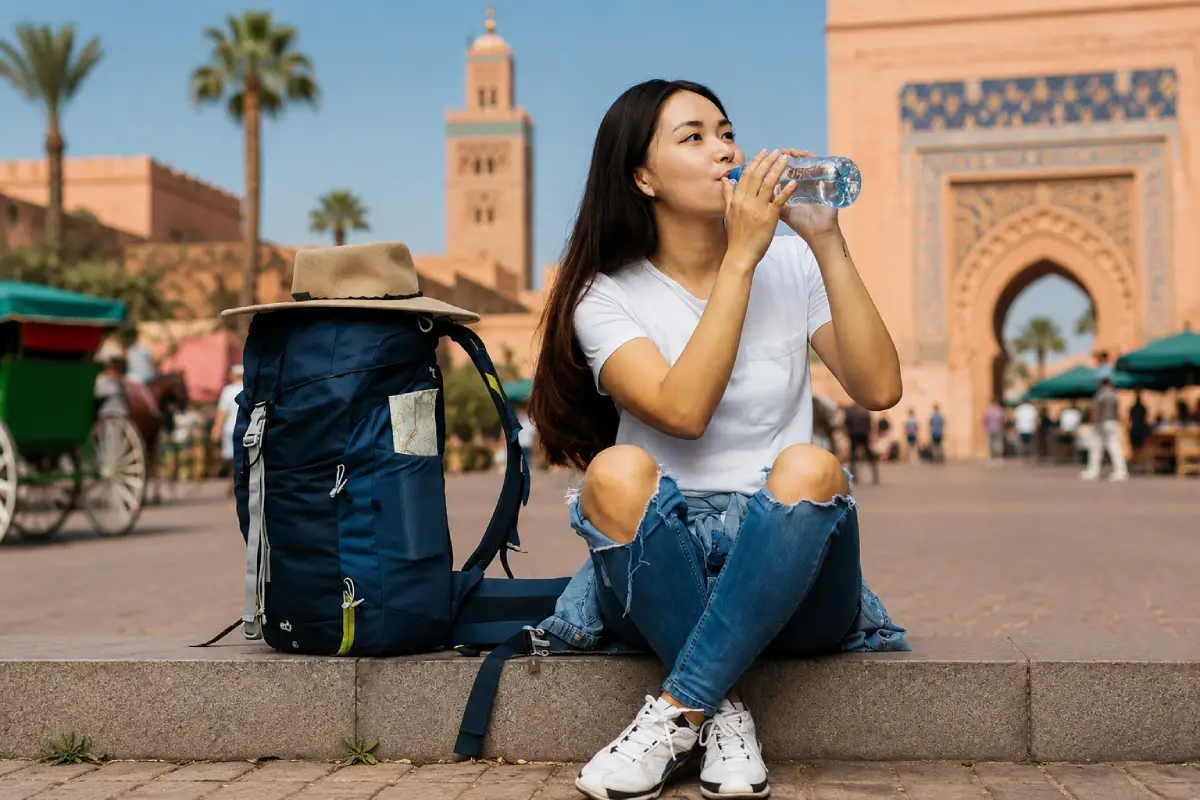
Yes, bottled water is very easy to find in Morocco. You can buy it in small shops, supermarkets, cafés, restaurants, hotels, riads, gas stations, train stations, and roadside stops.
Small bottles are useful for walking around cities. Larger bottles are better for your hotel room, riad, or long car journeys.
Always check that the bottle seal is closed before drinking. This is a simple habit anywhere you travel.
Bottled water is not expensive, but if you buy it in tourist restaurants, hotels, airports, or tourist attractions, it may cost more. Small shops usually have better prices.
For money and daily costs, read my Money in Morocco and Morocco Travel Costs guides.
Best Bottled Water Brands in Morocco
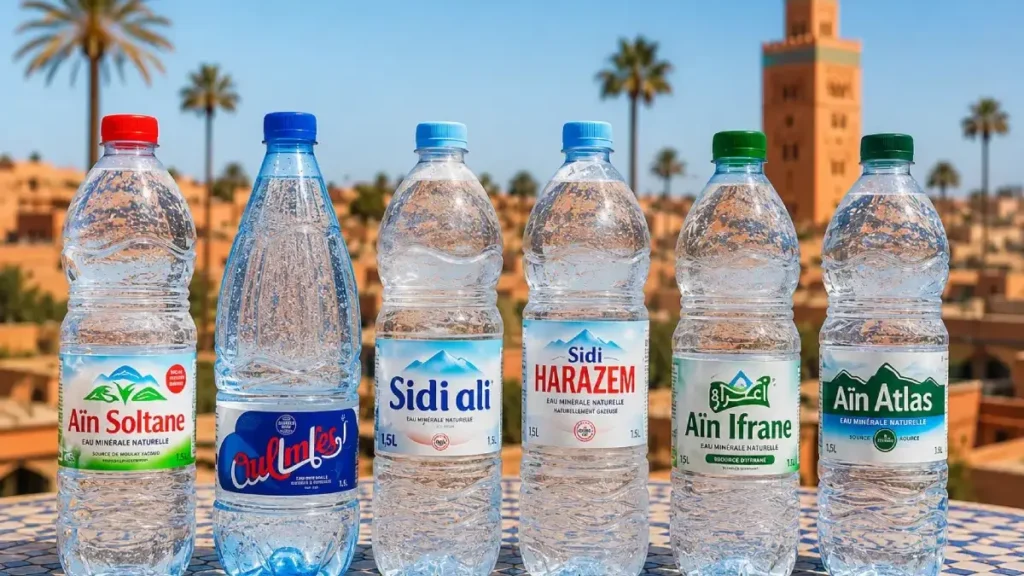
Bottled water is easy to find in Morocco, and several local brands are sold almost everywhere. You do not need to overthink the brand. The most important thing is to buy sealed bottles from normal shops, supermarkets, hotels, or trusted cafés.
| Brand | Type | My Local Advice |
|---|---|---|
| Sidi Ali | Still water | Very common and easy to find in shops, restaurants, supermarkets, and gas stations. |
| Ain Saiss | Still water | Popular in many areas and a simple everyday choice for travelers. |
| Ain Ifrane | Still water | Light taste and a good option if you find it in shops or supermarkets. |
| Ain Atlas | Still water | Good everyday choice and easy to drink during city walks or road trips. |
| Sidi Hrazem | Still water | Common in Morocco, with a stronger mineral taste than some other brands. |
| Ain Sultan | Still water | Often available in Marrakech and on southern routes, including desert road stops. |
| Oulmès | Sparkling water | Good with meals if you like sparkling water, but not everyone enjoys the strong bubbles. |
How Much Does Bottled Water Cost in Morocco?
Bottled water in Morocco is easy to find and usually inexpensive. In small shops, supermarkets, and kiosks, a small bottle of water often costs around 3–6 MAD. Larger bottles usually cost more, but they are still affordable and useful for hotel rooms, riads, road trips, and desert tours.
Prices can be higher in airports, tourist restaurants, hotels, and major attractions. This is normal, but if you want the best price, buy water from a small neighborhood shop or supermarket.
For most travelers, bottled water is one of the easiest and cheapest ways to avoid stomach worries in Morocco. Look for sealed bottles from common brands like Sidi Ali, Ain Saiss, Ain Atlas, Ain Ifrane, Ain Sultan, Sidi Hrazem, or Oulmès if you prefer sparkling water.
My local advice: when you arrive in Morocco, buy one large bottle for your room and one or two small bottles for walking around. Always check that the seal is closed before drinking.
Should You Drink Bottled Water From Small Shops?
Yes, bottled water from small shops is usually fine. In Morocco, small neighborhood shops sell water every day to locals and travelers. Just check that the bottle is sealed.
Small shops are often cheaper than hotels and tourist restaurants, so they are often the best place to buy water during your trip. A large bottle is useful for your room, and smaller bottles are easier for walking around the medina, taking taxis, or joining day trips.
If a bottle looks damaged, dirty, opened, or strange, choose another one. This is rare, but checking the seal is a good habit anywhere you travel.
What Water Should You Use on Desert Tours?
On desert tours, bottled water is essential. The Sahara, Dades Valley, Todra Gorge, and long roads between Marrakech, Merzouga, and Fes can be dry and tiring.
Always carry water in the car. Do not wait until you feel thirsty. In desert regions, the air can be dry, and you may not notice dehydration quickly.
Most drivers stop at shops where you can buy water along the way. Some tours include water, but many do not, so ask before you leave.
At desert camps, bottled water is usually available, but sometimes it is not included in the price. Ask in advance or bring extra.
For desert planning, read my Best Desert Camps in Merzouga, Merzouga Sahara Desert Travel Guide, and 3 Days Desert Tour from Marrakech.
Can You Use Tap Water for Tea or Cooking?
Yes, tea and cooked food are usually fine because the water is boiled or heated. In Morocco, mint tea is served everywhere, and most travelers drink it without any issue.
Restaurants, riads, and homes may use tap water for cooking. This is normal. When water is boiled in soup, tea, coffee, or cooked dishes, the risk is much lower than drinking cold tap water directly.
This is why I tell travelers not to worry too much about tea, soup, tagine, or cooked meals. The bigger concern is drinking cold tap water, unknown ice, or eating raw foods washed in water in places that do not look clean.
For food advice, read my What Not to Eat in Morocco, and Morocco Food Guide.
Can You Wash Fruit With Tap Water?
Locals often wash fruit and vegetables with tap water. For travelers, it depends on your comfort level.
If you are washing fruit that you will peel, like oranges, bananas, mandarins, or pomegranates, tap water is usually fine. If you are washing fruit you will eat directly, like grapes, strawberries, or apples with skin, you may want to use bottled or filtered water if your stomach is sensitive.
The safest fruits for travelers are fruits you can peel yourself: bananas, oranges, mandarins, pomegranates, and some seasonal fruits.
For food safety, read my Is street food safe in Morocco? and What to eat in Morocco guides.
Can You Eat Salads Washed With Tap Water?
This is where travelers often worry, and it is a fair question. Raw salads depend on washing, freshness, and kitchen hygiene.
In good riads, hotels, and trusted restaurants, salads are usually fine. But in cheap or unclear places, raw salads can be more risky because you do not know how they were washed or how long they have been sitting.
Cooked Moroccan salads are usually safer. Zaalouk, taktouka, cooked carrots, lentils, and beans are often better choices for first-time visitors because they are cooked and full of local flavor.
If you are unsure, choose cooked salads instead of raw lettuce.
For the full answer, read my Can You Eat Salad in Morocco? guide.
Can Water Cause Stomach Problems in Morocco?
Yes, unfamiliar water can cause stomach problems for some travelers, but it is not the only reason people get stomach issues in Morocco.
Sometimes the cause is heat, dehydration, too much walking, rich food, spices, new oils, lack of sleep, or eating too many new things too quickly. Many travelers blame the water, but the real issue can be a mix of everything.
This is why I recommend keeping water simple. Drink bottled water, then enjoy the food slowly. Do not overload your stomach on the first day.
If your stomach is sensitive, start with cooked food, bottled water, mint tea, bread, soup, tagine, peeled fruit, and simple meals. For the morning, keep breakfast simple with bread, mint tea, eggs, or fresh items from a trusted riad or café. You can read my full guide to Moroccan Breakfast to understand which local breakfast foods are easiest to try first.
Should You Bring a Filter Bottle to Morocco?
You can bring a filter bottle if you already use one when traveling, but it is not required for most visitors. Bottled water is easy to find almost everywhere tourists go.
A reusable bottle can be useful if your hotel, riad, or tour company provides filtered water. Some eco-conscious travelers prefer this to reduce plastic use.
If you are trekking, hiking, or visiting remote areas, a filter bottle can be more useful. But if you are visiting Marrakech, Fes, Casablanca, Rabat, Tangier, Essaouira, Agadir, or Merzouga on normal tourist routes, bottled water is the simplest option.
How Much Water Should You Drink in Morocco?
You should drink more water than you think, especially in Marrakech, the Sahara, summer months, and long walking days.
Many travelers feel tired or get headaches because they are dehydrated, not because something is wrong with the trip. The sun, dry air, walking, and excitement can make you forget to drink.
Carry water with you in the medina, on day trips, and during desert tours. If you drink mint tea or coffee, still drink water too.
My local advice: in hot weather, do not wait until you are very thirsty. Drink small amounts often.
Useful Phrases for Ordering Water in Morocco
You do not need perfect French or Darija in Morocco, but a few simple phrases can help.
| English | French / Darija |
|---|---|
| Bottled water, please | Eau minérale, s’il vous plaît / Ma m‘adani, afak |
| Still water | Eau plate |
| Sparkling water | Eau gazeuse / Oulmès |
| Without ice | Sans glaçons / Bla telj |
| Is this bottle sealed? | La bouteille fermée? / Wach msduda? |
| Mint tea without too much sugar | Atay bla sukkar bzaf |
What If You Accidentally Drink Tap Water?
Do not panic. Many travelers accidentally drink a little tap water while brushing teeth, eating salad, or having drinks with ice, and nothing happens.
If you drink some tap water, just continue carefully. Drink bottled water, eat simple food, and watch how your body feels.
If your stomach feels uncomfortable, rest, hydrate, and eat light food for a while. Moroccan pharmacies are easy to find in cities, and pharmacists are used to helping travelers with common stomach issues.
If symptoms feel serious or last longer than expected, ask for medical help.
This is not something to fear, just something to handle calmly.
My Local Guide Advice
If you ask me as a local guide, I would say this: do not spend your trip worrying about tap water. Just drink bottled water and move on.
This is one of the easiest travel decisions in Morocco. Bottled water is cheap, available, and simple. It helps you avoid unnecessary stomach issues, especially during your first days.
Use tap water for showering and washing hands. Use bottled water for drinking. Use bottled water for brushing if your stomach is sensitive. Be careful with unknown ice. Enjoy mint tea because the water is boiled.
That is enough.
Morocco has too many beautiful things to enjoy for water to become a big stress.
Final Thoughts: Should Tourists Drink Tap Water in Morocco?
So, can you drink tap water in Morocco? Technically, in many cities, the water is treated. But for tourists, bottled water is the safer and easier choice.
This is not about fear. It is about comfort. Your stomach may not be used to local water, and there is no reason to take unnecessary risks when bottled water is easy to find.
Use bottled water for drinking. Use bottled water for brushing your teeth if you are sensitive. Be careful with unknown ice. Enjoy mint tea and coffee because the water is boiled.
As a local guide, my advice is simple: save your energy for the medina, the food, the mountains, the Sahara, and the people. Do not let water become a stress. Choose bottled water and enjoy Morocco with confidence.
FAQs About Drinking Tap Water in Morocco
Can you drink tap water in Morocco?
Tap water is treated in many Moroccan cities, but most tourists should drink bottled water to avoid stomach issues. Locals may drink tap water, but travelers are not always used to it.
Is tap water safe in Marrakech?
Tap water in Marrakech is treated, but tourists should usually drink bottled water. Marrakech is hot and busy, so staying hydrated with bottled water is the safest choice.
Is tap water safe in Fes?
Tap water in Fes is treated, but tourists should drink bottled water. Older medina buildings and different plumbing can make bottled water the easier choice.
Can you brush your teeth with tap water in Morocco?
Most travelers brush their teeth with tap water without problems. If you have a sensitive stomach, use bottled water for brushing too.
Is ice safe in Morocco?
Ice is usually fine in good hotels and trusted restaurants, but it is better to avoid unknown ice in local stalls or unclear places if your stomach is sensitive.
Is bottled water expensive in Morocco?
No, bottled water is usually inexpensive, especially from small shops and supermarkets. It may cost more in hotels, tourist restaurants, and airports.
What bottled water brands are common in Morocco?
Common bottled water brands in Morocco include Sidi Ali, Ain Saiss, Ain Ifrane, Ain Atlas, Sidi Hrazem, Ain Sultan, and Oulmès for sparkling water.
Is mint tea safe in Morocco?
Yes, mint tea is generally safe because the water is boiled. It is one of the most common drinks in Morocco.
Can you drink coffee in Morocco?
Yes, coffee is generally safe in cafés and restaurants. Hot drinks are usually safer because the water is heated.
Should children drink bottled water in Morocco?
Yes, bottled water is the safest choice for children visiting Morocco, especially if they are not used to local water.
Can you use tap water to wash fruit?
For fruit you peel, tap water is usually fine. For fruit eaten directly, sensitive travelers may prefer bottled or filtered water.
Do riads provide bottled water?
Some riads provide bottled water in the room, while others do not. You can always buy water nearby or ask the staff.
Should I use bottled water in the Sahara Desert?
Yes, always use bottled water in the Sahara Desert. Carry extra water on long drives, desert tours, and camel rides because the air is dry and dehydration can happen quickly.