Morocco Travel Budget : What Travelers Really Spend in Morocco
Is Morocco Still Affordable?
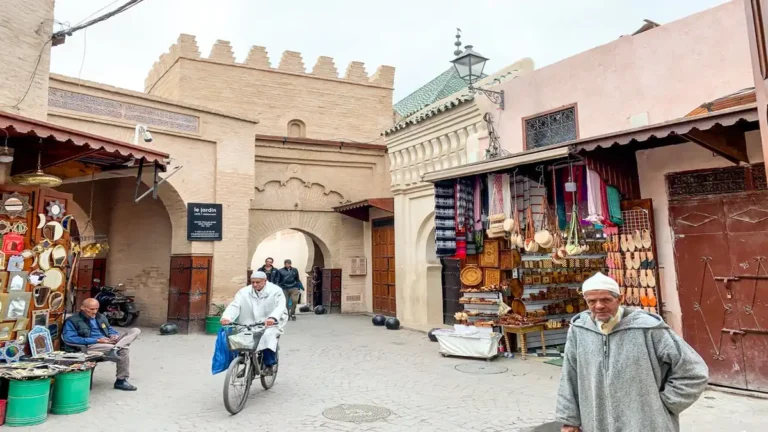
One of the questions travelers ask me all the time is simple: “Kamal, how much should I budget for Morocco?” And my honest answer is always the same: Morocco can still be a very good value destination, but only if you understand where your money actually goes. This Morocco Travel Budget guide is not written from a desk far away. It comes from what I see with real guests in Marrakech, Fes, the Sahara Desert, the Atlas Mountains, riads, taxis, souks, rooftop restaurants, and long travel days.
Morocco is often cheaper than Western Europe for local food, taxis, guesthouses, trains, and daily life. A good tagine in a neighborhood restaurant can cost less than a coffee and sandwich in Europe. But Morocco is not cheap in every situation. Marrakech rooftop dinners, luxury riads, alcohol, private drivers, serious shopping, hammams, and Sahara Desert tours can raise the budget quickly.
As a local guide, I do not only look at prices online. I see what guests actually pay after the taxi, the tip, the rooftop dinner, the porter, the desert stop, the small shopping in the souks, and the extra bottle of water when the day is hot. That is the difference between a normal price list and a real Morocco trip budget. If you are still building your full route, my Morocco Travel Guide will help you connect your budget with the best cities, routes, seasons, and travel style before you book.
If you want the full guide to cash, cards, ATMs, exchange offices, Wise, euros, and small bills, read Money in Morocco. This article is different. Here, we focus on the bigger picture: what travelers actually spend per day, what kind of trip each budget gives you, where to save, and where not to be too cheap.
Table of Contents
Table of Contents
Morocco Travel Budget at a Glance
Most travelers should plan around 300–500 MAD per day for budget travel, 800–1,500 MAD per day for mid-range travel, and 2,500 MAD+ per day for luxury travel, excluding international flights and major shopping.
Budget Traveler
Hostels, local food, walking, buses, and simple activities. This works best for travelers who are happy to keep things simple and live close to local life.
Mid-Range Traveler
Nice riads, local lunches, some rooftop meals, taxis, guides, trains, and a few special experiences without going fully luxury.
Luxury Traveler
High-end riads, private drivers, fine dining, spas, luxury desert camps, and more comfortable private travel around Morocco.
From what I see with travelers, the mid-range budget is the sweet spot in Morocco. This is where the country gives you beautiful value. You can sleep in a charming riad, eat local food, enjoy a few special dinners, take taxis without stress, and still feel connected to real Moroccan life.
Some links in this guide may earn a small commission at no extra cost to you. I only recommend services I trust for planning a Morocco trip.
The Real Morocco Trip Cost Per Day by Travel Style
The real Morocco trip cost per day depends on how you sleep, eat, move, and choose experiences. The same city can feel cheap, comfortable, or expensive depending on your choices.
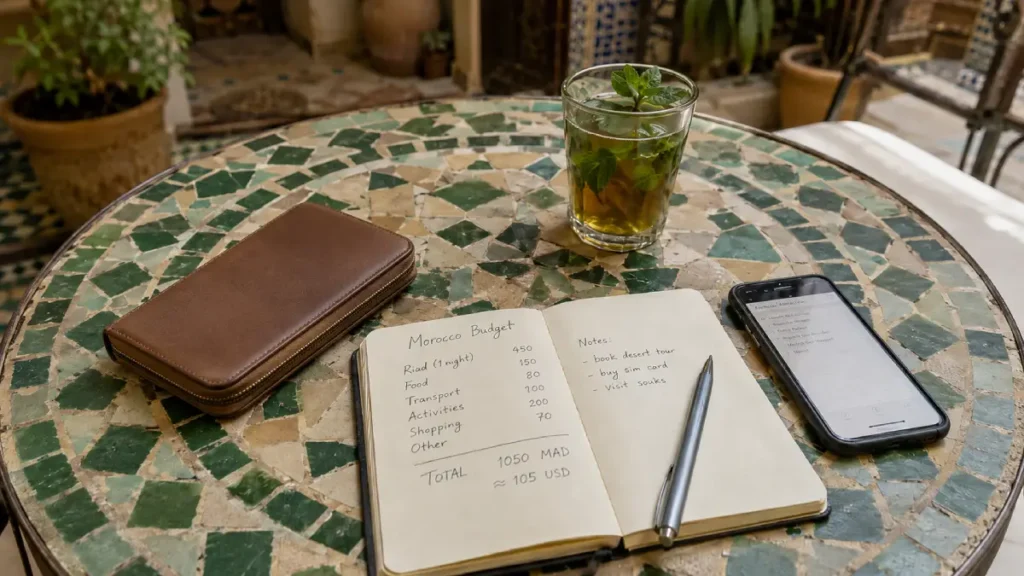
| Travel Style | Accommodation | Food | Transport | Activities & Extras |
|---|---|---|---|---|
| Budget traveler | 100–150 MAD | 100–150 MAD | 50–100 MAD | 50–100 MAD |
| Mid-range traveler | 500–800 MAD | 200–350 MAD | 100–250 MAD | 150–400 MAD |
| Luxury traveler | 1,500–2,500+ MAD | 600–1,000 MAD | 500–1,000 MAD | 500–1,500+ MAD |
Budget Traveler: 300–500 MAD Per Day
A budget traveler can manage Morocco on 300–500 MAD per day, but you must understand what that feels like. At 300 MAD, you are walking a lot, choosing hostels or very simple guesthouses, eating harira, msemen, sandwiches, and local tagines, and keeping paid activities limited.
If you stick to 300 MAD, you are eating harira and walking everywhere. At 500 MAD, you can afford a few taxis and a nice tagine in a local neighborhood. That extra 200 MAD makes the day feel more comfortable.
This style works well for backpackers, solo travelers, students, and people who enjoy simple travel. Good Morocco budget travel tips matter here: eat where locals eat, use buses or trains, stay near the medina but not always inside the most expensive streets, and do not pay for every small “help” offered in tourist areas.
Mid-Range Traveler: 800–1,500 MAD Per Day
For many travelers, 800–1,500 MAD per day is the best balance. This budget lets you enjoy Morocco without feeling careless. You can stay in a nice riad, eat local lunches, enjoy one rooftop dinner, take taxis, visit monuments, and maybe hire a guide in a complicated medina like Fes.
800 MAD is honest if you are two people sharing a 600 MAD riad. If you want a private guide for the day or a nice bottle of Moroccan wine with dinner, you will be closer to 1,500 MAD.
This is the style I often recommend for couples and first-time visitors. You do not need luxury every day. Sometimes the best rhythm is simple: local breakfast at the riad, a guided medina walk, a neighborhood lunch, mint tea on a rooftop, and a special dinner only when it feels worth it.
Luxury Traveler: 2,500 MAD+ Per Day
Morocco does luxury very well, especially in Marrakech, the desert, and some high-end coastal or mountain stays. For 2,500 MAD, you start to live like a Sultan. This can cover a palace-style riad, a private driver, and dinner at one of Marrakech’s best rooftop spots.
Luxury here is not only a bigger room. It can mean carved cedar ceilings, zellige tiles, quiet courtyards, private plunge pools, hammams, excellent service, a driver waiting outside, and desert camps where the night sky feels like part of the experience.
But the ceiling is high. High-end riads can start around 1,500–2,500 MAD per night and go far above that. Fine dining with drinks can cost 600–1,000 MAD. Private transfers, exclusive guides, and special experiences can add 500–1,000 MAD or more per day.
Real Trip Budgets: 3, 7, 10, and 14 Days in Morocco
For trip planning, daily numbers are helpful, but total trip budgets are easier to imagine. These estimates exclude international flights and big shopping.
| Trip Length | Budget Traveler | Mid-Range Traveler | Luxury Traveler |
|---|---|---|---|
| 3 days | 900–1,500 MAD | 2,400–4,500 MAD | 7,500 MAD+ |
| 7 days | 2,100–3,500 MAD | 5,600–10,500 MAD | 17,500 MAD+ |
| 10 days | 3,000–5,000 MAD | 8,000–15,000 MAD | 25,000 MAD+ |
| 14 days | 4,200–7,000 MAD | 11,200–21,000 MAD | 35,000 MAD+ |
One important thing travelers forget: moving too fast costs more. A route that jumps from Marrakech to Fes to Chefchaouen to the Sahara to Essaouira in a short time can become expensive and tiring. Transport, luggage, guides, transfers, and one-night stays all add pressure. For a smarter route, use my Morocco Itinerary 7, 10, and 14 Days guide before booking.
Accommodation Costs in Morocco: Why a Good Riad Changes the Trip
A budget riad in Marrakech may cost around 250–450 MAD per night. It can be simple, traditional, and perfectly fine if you only need a clean place to sleep. But budget riads can vary a lot. Some are charming and honest. Others may be noisy, hard to access, weak on service, or not as beautiful as the photos.
A nice mid-range riad usually costs around 600–1,200 MAD per night. This is where many travelers find the best value. You may get a calm courtyard, a rooftop, better breakfast, helpful staff, porter support, and useful local advice. After a long day in the medina, a peaceful riad is not just decoration. It changes how you feel.
A luxury riad may cost 1,500–3,500+ MAD per night. Here you are paying for space, design, service, spa feeling, personal attention, and sometimes a level of beauty that feels like staying inside Moroccan architecture, not just visiting it.
In Marrakech especially, I do not recommend choosing accommodation only by the lowest price. Location, access, quiet sleep, breakfast, and staff help matter. A riad that saves you 200 MAD but costs you stress every day is not always a bargain. For planning the city properly, read Marrakech Travel Guide.
Morocco Food Prices: Local vs Tourist Areas
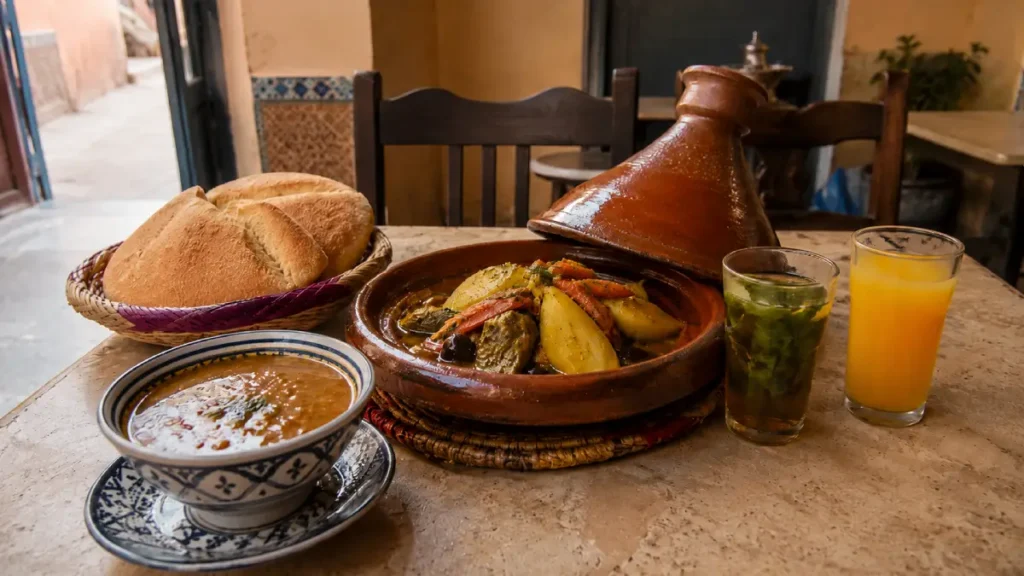
Eating local is one of the best Morocco budget travel tips because it saves money without lowering the quality of the trip. Sometimes a tagine in a plastic-chair neighborhood place tastes better than one on a famous tourist terrace.
| Item | Local Price | Tourist / Rooftop Price | Kamal’s Local Advice |
|---|---|---|---|
| Harira | 5–15 MAD | 30–60 MAD | Best simple soup, especially in local neighborhoods. |
| Msemen / harcha | 5–15 MAD | 25–50 MAD | Great for breakfast or a small snack. |
| Local tagine | 40–70 MAD | 100–180 MAD | Neighborhood tagines can be excellent value. |
| Tourist restaurant tagine | 100–180 MAD | 150–220 MAD+ | You often pay for location, view, and service. |
| Coffee | 10–15 MAD | 25–45 MAD | Local cafés are good for people-watching. |
| Fresh orange juice | 5–10 MAD | 20–40 MAD | Prices rise near tourist spots. |
| Rooftop dinner | Not typical | 200–400 MAD | Good for one special night, not every meal. |
Alcohol is a budget buster. Morocco is not a dry country, but alcohol is limited compared with Europe. Licensed restaurants, hotels, and rooftops can charge high prices for beer, wine, and cocktails. If you are controlling your Morocco travel costs, watch drinks carefully.
Transport Costs: Trains, Buses, Taxis, and Private Drivers
Transport in Morocco can be good value, but the country is bigger than many first-time visitors imagine. Marrakech to Merzouga is not a short ride. Fes to Chefchaouen takes time. Essaouira is easy from Marrakech, but still needs a proper travel day.
Trains are useful between major cities like Marrakech, Casablanca, Rabat, Tangier, and Fes. The Al Boraq high-speed train between Tangier, Rabat, and Casablanca is comfortable and saves time. For many solo travelers and budget travelers, train travel is one of the smartest ways to control the Morocco trip cost per day.
CTM and Supratours buses are useful for routes where trains do not go, including Essaouira, Chefchaouen, and some desert connections. They are usually better for budget travelers than random local buses when comfort and timing matter.
Petit taxis are for city rides. Grand taxis are often used between towns or on local routes. They can be affordable, but you need to understand whether the taxi is shared or private. Always ask clearly before you start.
Private drivers cost more, but they can be worth it for families, late arrivals, Atlas Mountains day trips, desert routes, travelers with luggage, tight schedules, or anyone who wants comfort. In Morocco, sometimes paying more for transport saves time, energy, and confusion.
Sahara Desert Tour Prices: Where Not to Be Too Cheap
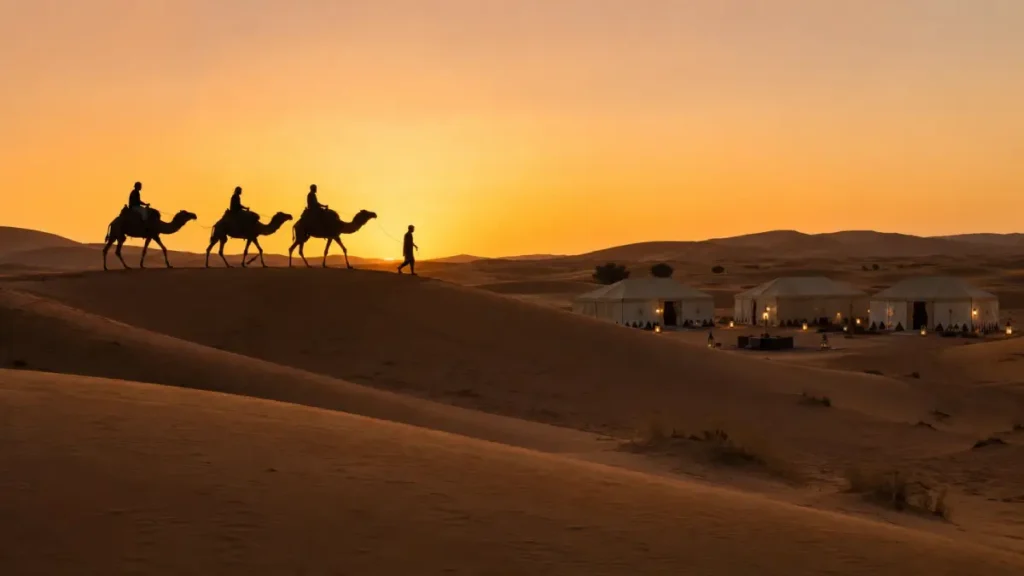
The Sahara Desert is often the dream of a Morocco trip, and it is also one of the biggest expenses. The cost of a 3-day desert tour from Marrakech can vary a lot depending on shared or private transport, camp quality, hotel quality, route, and what is included.
A shared budget 3-day desert tour may cost around $80–$130 per person. This can work for travelers who only want the lowest price, but very cheap tours often come with trade-offs: big groups, rushed stops, basic hotels, shopping stops, weak timing, and less flexibility.
A private 3-day desert tour for a couple may cost around $300–$500 total, depending on vehicle, driver, accommodation, camp, and inclusions. Luxury camp stays can range from about $150–$400 per person per night, especially when the camp includes dinner, breakfast, private tents, better comfort, and special service.
My honest advice: if the Sahara is the dream of your trip, do not make it the cheapest part of the itinerary. The road is long, and the difference between a rushed trip and a well-planned route is huge. Read 3 Days Desert Tour from Marrakech and Best Desert Camps in Merzouga before choosing only by price.
Morocco Currency Exchange Guide: Cash, Cards, and Small Bills
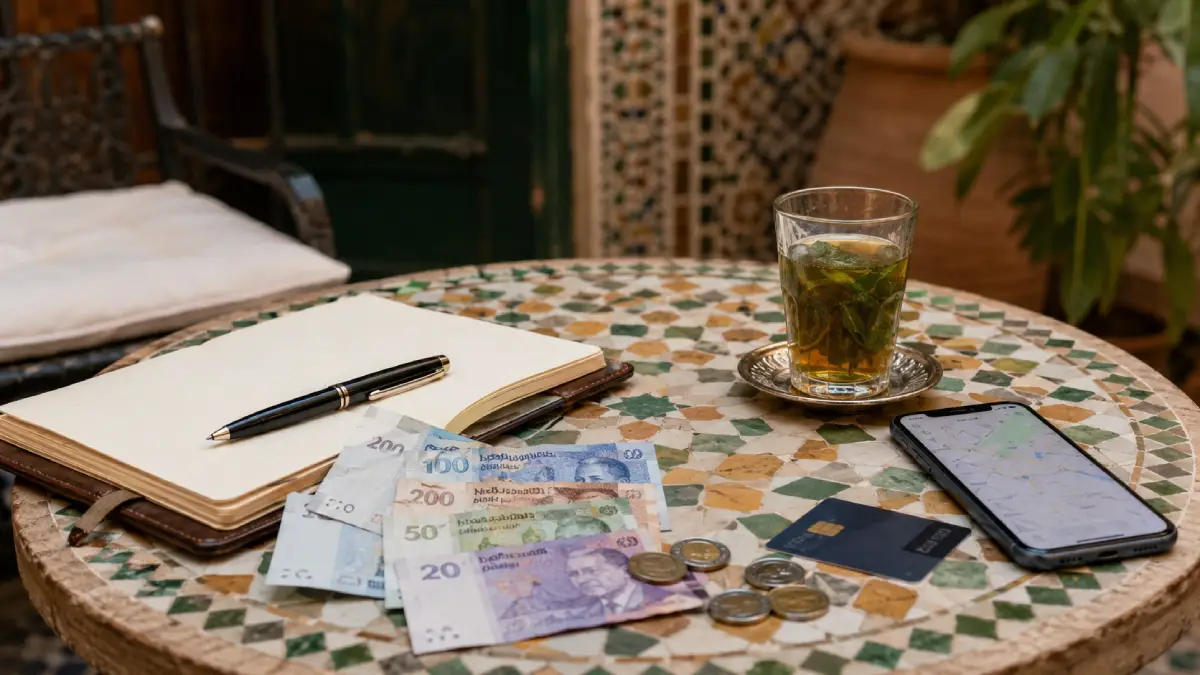
Morocco uses the Moroccan Dirham, and your budget will be easier if you understand how cash works. This is not the full Morocco currency exchange guide, but here is the important budget point: cards are useful, ATMs are common in cities, but small cash still matters every day.
Keep 10, 20, and 50 MAD notes when you can. These small bills help with taxis, tips, toilets, coffee, water, snacks, porters, and small souk purchases. A 200 MAD note is useful, but it is not always easy for small payments.
Wise or Revolut cards can help with tracking spending and withdrawals. A Wise travel card can be useful for some travelers, but it does not replace cash in Morocco. You still need dirhams for taxis, tips, souks, toilets, small cafés, porters, and rural stops.
Also watch dynamic currency conversion at ATMs. If the machine asks whether to charge you in your home currency or in MAD, choosing Moroccan dirhams is usually better because your own bank or card provider handles the conversion. For the complete payment guide, read How Much Cash Should I Bring to Morocco.
Daily Cash Needs Morocco 2027: What Will Still Matter
Prices may change a little in 2027, but the daily cash habits will stay similar. Morocco is modern in many ways, but daily life still uses cash for small payments. If you want to understand where cards work and where cash is still better, read Can You Use Credit Cards in Morocco?
For daily cash needs in Morocco in 2027, I would still use this simple guide: 300–500 MAD for light city days, 500–1,000 MAD for active sightseeing days, and 1,000 MAD+ for shopping, family days, day trips, or desert travel.
The exact amount may change, but the logic stays the same. Keep small bills for taxis, tips, toilets, snacks, souks, and small cafés. Do not carry all your money in one place. Do not wait until remote areas to look for cash. For the full money system, including cash, cards, ATMs, exchange offices, and Moroccan dirhams, read Money in Morocco.
City-by-City Budget Notes
Marrakech: Most Expensive for First-Time Visitors
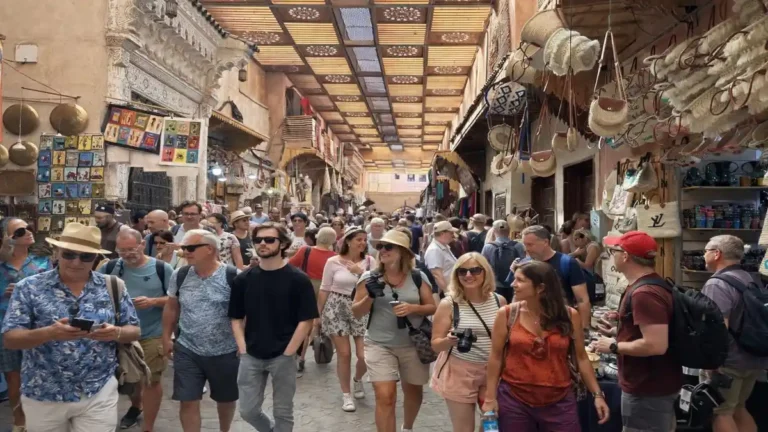
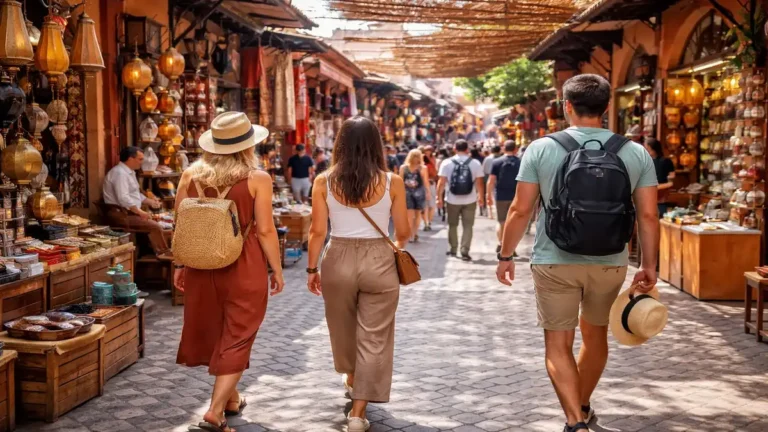
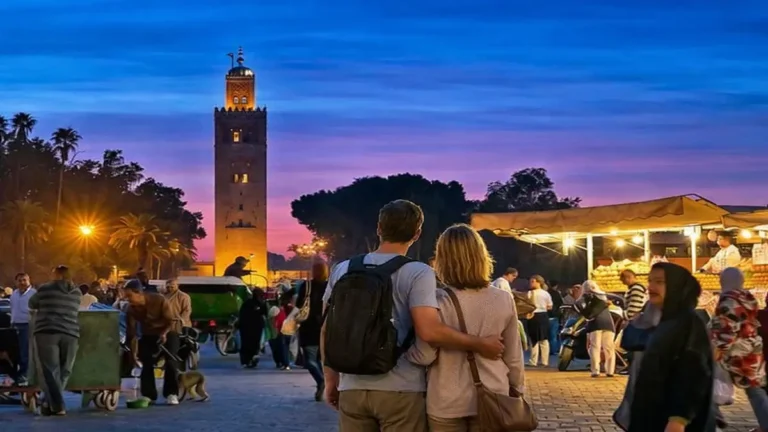
Marrakech is often the most expensive city for first-time visitors because it is polished, busy, and full of temptations. Jemaa el-Fna, rooftop restaurants, hammams, taxis, riads, and souks can all raise the budget if you do everything in tourist mode.
But Marrakech can still be affordable if you eat local, walk smartly, choose your rooftop dinners carefully, and avoid shopping without a plan. You do not need a fancy terrace for every meal. One special rooftop dinner is beautiful. Three or four in a row can quickly change your Marrakech budget.
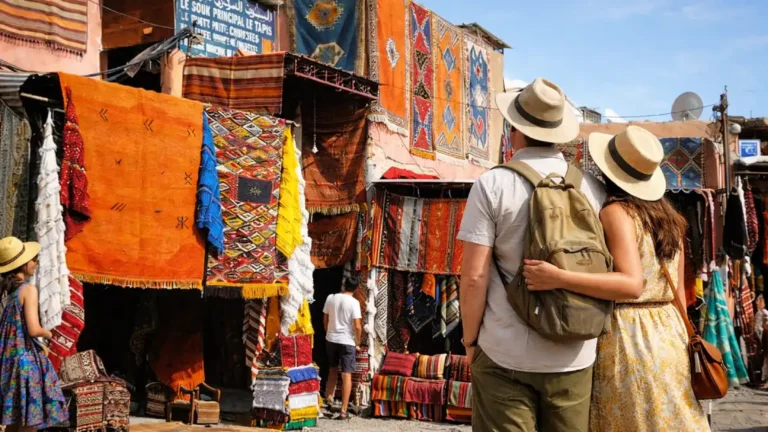
For shopping, prices vary a lot by quality, shop, and your bargaining style. Read Marrakech Souks Guide before you enter the medina ready to buy.
Fes: Better Value for Tradition and Crafts
Fes can offer better value for travelers who love traditional crafts, medina life, and history. The city feels less polished than Marrakech in many ways, and this can be good for travelers who want depth.
A guide can be worth the money in Fes because the medina is deep, old, and confusing. A good guide saves time and helps you understand artisans, food streets, leather, ceramics, and neighborhoods. Sometimes spending money on the right guide saves you from wasting money on confusion.
For planning the city well, use Fes Travel Guide.
Essaouira: Good Value by the Coast
Essaouira is usually good value because it is walkable, relaxed, and less intense than Marrakech. You can enjoy seafood, the port, ramparts, cafés, a calm medina, and the beach without paying for many attractions.
Accommodation can still be expensive in high season or during busy weekends, but daily spending is often easier to control.
Chefchaouen: Pretty, Smaller, and Often Affordable
Chefchaouen is smaller and often affordable for simple stays, cafés, viewpoints, and walking. You do not need a big activity budget here. The town is about slow movement, blue streets, mountain views, and relaxed mornings.
The main cost is getting there and staying in a good location, especially if you visit during busy periods. For planning the city well, use Chefchaouen Guide.
Merzouga and the Sahara: Usually Bundled
Merzouga and the Sahara are different because many costs are bundled into packages. Transport, camp, dinner, breakfast, camel ride, and sometimes stops are included. But extra cash is still needed for drinks, tips, toilets, scarves, snacks, and small stops.
This is where travelers sometimes misunderstand the budget. A prepaid tour does not mean a cash-free trip.
Agafay: Easy Desert Feeling Near Marrakech
Agafay is much closer to Marrakech than the Sahara, so it saves time. But sunset dinners, camel rides, quads, transport, and camp-style experiences can still add up. It is not the Sahara, but it can be a good option for travelers with short time.
If you want desert atmosphere without the long drive, read Agafay Desert before booking.
Hidden Costs Travelers Forget
Tipping Etiquette Morocco
Morocco tipping etiquette is not a surprise tax, but it is part of service culture. In restaurants, 5–10% is appreciated when service is good. Porters may receive 10–20 MAD depending on bags and distance. Drivers, guides, hammam staff, and desert camp staff also appreciate tips.
If you do not prepare small bills, tipping becomes awkward. For the full guide, read Tipping in Morocco.
Toilets, Luggage, and Small Fees
Public toilets may cost 2–5 MAD. Luggage help, small porter support, and little services can cost a few dirhams here and there. These are not big expenses, but they happen often enough that you should carry small cash.
Photo Etiquette in Jemaa el-Fna
If you take photos of performers in Jemaa el-Fna, expect to pay. Depending on the situation, 20–50 MAD can be normal. Always ask before taking photos, especially of performers, musicians, traditional characters, or anyone working in the square.
Hammams and Spas
A local hammam can be very affordable, sometimes around 20–150 MAD depending on what is included. A luxury riad spa or hotel hammam can cost 400–1,000 MAD+.
Both can be good experiences, but they are not the same budget. Do not compare a neighborhood hammam to a hotel spa. They serve different travelers.
Alcohol and Rooftop Restaurants
Alcohol and rooftop restaurants can raise your budget quickly. A dinner that looks affordable on the food menu becomes much more expensive when you add wine, cocktails, service, and taxis back to the riad.
If you want to save money, eat local lunches and choose only one or two special dinners.
Morocco Budget Travel Tips From a Local Guide
The best Morocco budget travel tips are not only about spending less. They are about spending in the right places.
Eat local lunches and save rooftop dinners for special nights. Use trains or CTM buses when the route is simple. Book good-value riads early, especially in high season. Avoid choosing the cheapest desert tour blindly. Carry small bills every day. Visit in January, February, or late November if you want better value; some riads and hotels can be 30–50% lower than peak periods depending on property and dates.
Ask prices before taxis, photos, services, and informal help. If someone offers to guide you in the street, be clear before following. Not every mistake is dangerous, but small misunderstandings can cost money and energy. For practical street advice, read Morocco Travel Scams.
Use a guide when it saves stress. In Fes, a guide can help you understand the medina. In Marrakech, a good shopping guide can help you understand crafts, quality, and fair prices. DIY is good when the route is simple. A guide is worth it when confusion costs more than help.
Friday, Ramadan, Eid, and Seasonal Budget Planning
Friday, Ramadan, Eid, public holidays, and high season can affect your Morocco budget. Around Friday midday prayer, roughly 12:30–14:00, many small shops and some services slow down or close. If you need cash, shopping, errands, or a specific visit, do it earlier.
During Ramadan, the rhythm of the day changes. Some restaurants may close during daylight, and sunset becomes an important family and food time. During Eid, many businesses close, drivers can be busy, and families travel. This can affect transport prices, availability, restaurants, and cash planning.
High season also matters. Christmas, New Year, spring, autumn, Easter periods, and major festivals can raise accommodation prices. For the best timing, read Best Time to Visit Morocco before booking.
Is Morocco Cheaper Than Spain or Portugal?
Yes, Morocco is often cheaper than Spain or Portugal for budget and mid-range daily life, especially local food, taxis, guesthouses, simple cafés, and some guided experiences. A local Moroccan lunch can be much cheaper than a similar meal in Southern Europe.
But luxury is different. High-end Marrakech, private drivers, luxury riads, alcohol, fine dining, and desert glamping can match Southern European prices. Morocco is a value destination, not automatically cheap everywhere.
This is why planning matters. You can have a rich trip without wasting money, but you need to know where your budget goes.
Common Budget Mistakes Travelers Make in Morocco
The first mistake is thinking Morocco is cheap everywhere. It is not. Local food can be cheap, but Marrakech rooftops, private drivers, luxury riads, alcohol, and serious shopping are not cheap.
The second mistake is underestimating Marrakech. Many travelers arrive with a small budget, then spend on taxis, hammams, rooftop dinners, entrance tickets, and souks every day.
The third mistake is booking the cheapest desert tour. If the Sahara is important to you, choose carefully. A very cheap tour can mean rushed stops, big groups, weak timing, and little flexibility.
The fourth mistake is forgetting tips. Tipping is part of the rhythm of travel in Morocco, and small bills help.
The fifth mistake is eating every meal on tourist terraces. Views are beautiful, but local restaurants often give better value and sometimes better flavor.
The sixth mistake is not carrying small cash. This makes taxis, toilets, tips, snacks, and souks more stressful.
The seventh mistake is forgetting transport distances. Morocco looks easy on a map, but the roads to the desert, mountains, and northern towns take time.
The eighth mistake is shopping without a limit. Souks are beautiful, but they can quickly change your budget.
The ninth mistake is trying to see too much in a short trip. Fast travel costs more and gives you less time to feel the country.
The tenth mistake is not checking what is included in tours. Ask about meals, entrance fees, guides, camel rides, camp level, luggage, and transport before paying.
My Honest Local Budget Advice
My honest local advice is simple: save on the things that do not change the soul of the trip, and spend on the things that protect your comfort, time, and experience.
Save on local lunches, simple cafés, trains, walking, and off-season stays. You do not need a fancy restaurant for every meal. You do not need private transport for every easy city-to-city route. You do not need to buy something in every shop.
Spend on good riads, safe desert tours, official guides where useful, comfortable long-distance transport, and family comfort. A good riad can make Marrakech feel peaceful. A good driver can make a long day feel easy. A good guide in Fes can turn confusion into understanding. A better desert tour can change the memory of your whole trip.
As a local guide, I want travelers to enjoy Morocco without feeling tricked, rushed, or surprised. The best budget is not always the lowest one. The best budget is honest.
Morocco Travel Budget Checklist
Before you arrive, prepare your money system and your expectations:
Bring two cards if possible.
Bring small backup cash in euros, dollars, or pounds.
Withdraw Moroccan dirhams after arrival.
Keep 20 and 50 MAD notes for daily life.
Budget for tipping.
Plan extra cash for toilets, taxis, snacks, and small stops.
Book good riads early in high season.
Do not choose desert tours only by the cheapest price.
Download offline maps before walking in old medinas.
Use Morocco Travel Guide to connect your budget with your full trip plan.
Final Words: Spend Smart, Not Blind
Morocco can be affordable, but the best trips are planned smartly, not blindly. A good Morocco Travel Budget gives you enough room for real food, comfortable sleep, local experiences, tips, transport, and the few special moments that make the trip unforgettable.
If you are a budget traveler, Morocco can welcome you with 300–500 MAD per day. If you are mid-range, 800–1,500 MAD per day can give you a beautiful and balanced trip. If you want luxury, Morocco can offer palace-style comfort from 2,500 MAD per day and far beyond.
I love showing people the real Morocco. If you need help planning your desert route, choosing the right riad in Marrakech, or understanding where to spend and where to save, send me a message. I want you to enjoy my country in a good way, with fewer surprises and better memories.
FAQs About Morocco Travel Budget
What is a realistic Morocco trip cost per day in ?
A realistic Morocco trip cost per day is 300–500 MAD for budget travelers, 800–1,500 MAD for mid-range travelers, and 2,500 MAD+ for luxury travelers. These estimates exclude international flights, major shopping, and high-end private tours unless planned separately.
How much cash should I bring to Morocco for 7 days?
For 7 days, do not bring your whole budget in cash. A mid-range traveler may spend around 5,600–10,500 MAD total across one week, but it is better to withdraw in stages and keep daily cash separate. Read How Much Cash Should I Bring to Morocco for the full cash plan.
Is Morocco cheaper than Spain or Portugal?
Morocco is often cheaper than Spain or Portugal for local food, taxis, guesthouses, and many mid-range experiences. Luxury Marrakech, alcohol, private drivers, and high-end desert camps can be similar to Southern Europe prices.
Can I use US dollars or euros in Morocco?
Some tourist shops and hotels may accept euros or dollars, but Moroccan dirhams are better for daily life. Paying in foreign currency can give you a weaker exchange rate and may create confusion with change.
How much does a meal cost in Morocco?
A local tagine can cost around 40–70 MAD in a neighborhood restaurant. Near tourist streets or on rooftops, a tagine may cost 100–180 MAD or more. A rooftop dinner can cost around 200–400 MAD depending on the place and drinks.
How much does a riad cost in Marrakech?
A budget riad in Marrakech may cost around 250–450 MAD per night. A nice mid-range riad often costs 600–1,200 MAD. Luxury riads can start around 1,500 MAD and go far above 3,500 MAD.
What is the cost of a 3-day desert tour from Marrakech?
A shared budget 3-day desert tour may cost around $80–$130 per person. A private 3-day tour for a couple may cost around $300–$500 total, while luxury camps can cost $150–$400 per person per night.
Do I need to tip taxi drivers and guides in Morocco?
For taxis, rounding up is common when service is fair. For guides, drivers, porters, and hotel staff, tipping depends on the service and length of time. Small notes like 10, 20, and 50 MAD make tipping much easier.
Is tap water safe to drink in Marrakech?
Many locals drink tap water, but travelers with sensitive stomachs are usually safer with sealed bottled water or filtered water. Bottled water is easy to find and not expensive.
What is a closed currency and how does it affect my trip?
The Moroccan dirham is controlled, so travelers usually withdraw or exchange money after arriving in Morocco. You should not plan to bring or take out large amounts of dirhams. For most visitors, this is simple: use ATMs or official exchange offices during the trip.
Are Wise or Revolut cards useful in Morocco?
Wise or Revolut cards can be useful for tracking spending, ATM withdrawals, and exchange rates. But they do not replace cash in Morocco. You still need Moroccan dirhams for taxis, tips, souks, toilets, cafés, porters, and rural stops.
What are the best Morocco budget travel tips?
The best Morocco budget travel tips are to eat local lunches, use trains or CTM buses when practical, book good-value riads early, carry small bills, avoid choosing the cheapest desert tour blindly, and save rooftop dinners for special nights. Spend where it improves the trip, not where it only looks fancy.