Buying Leather in Marrakech: How to Choose a Good Bag
Buying leather in Marrakech can be a rewarding part of a souk visit, especially when you find a bag you will use long after your holiday. The difficult part is choosing between pieces that look similar on the shelf but feel very different when you carry them.
My advice is simple: choose the bag for your everyday needs, inspect the exact piece you will take home, and compare the construction before discussing the price. A low price does not make an uncomfortable or badly finished bag a good purchase.
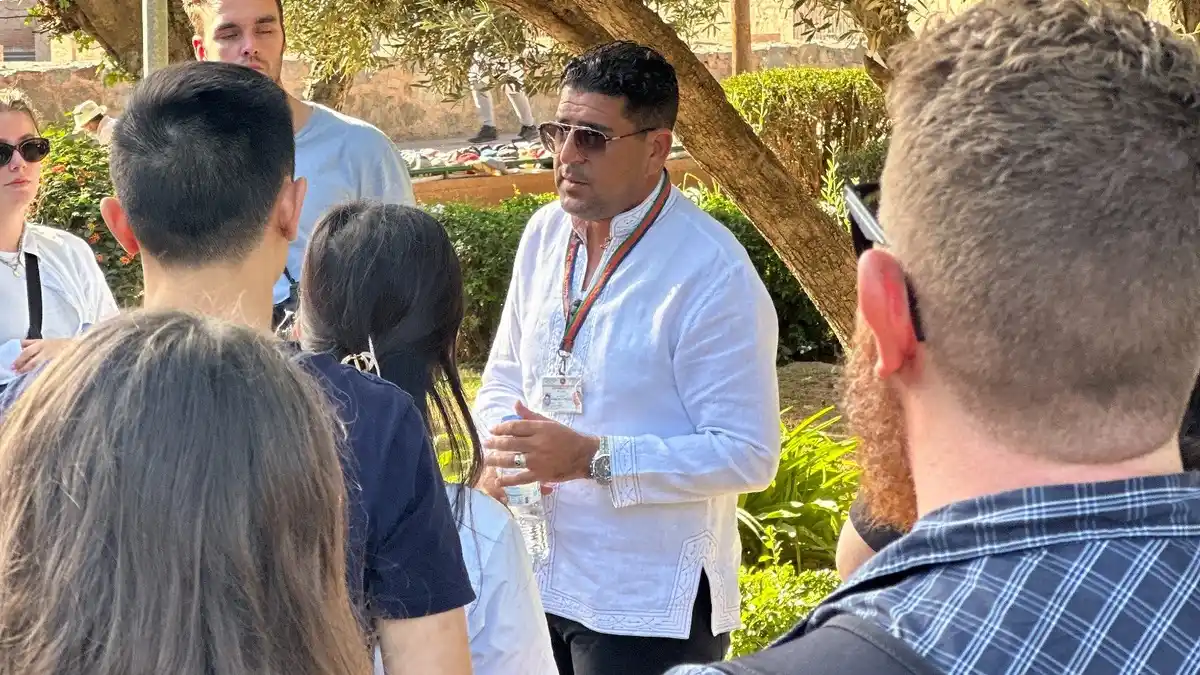
If leather is on your shopping list, you can plan a private Marrakech shopping tour with me around your interests. There is no obligation to buy, and we can take time to compare pieces rather than rush into the first shop.
Table of Contents
Table of Contents
Buying leather in Marrakech: start with the bag you need
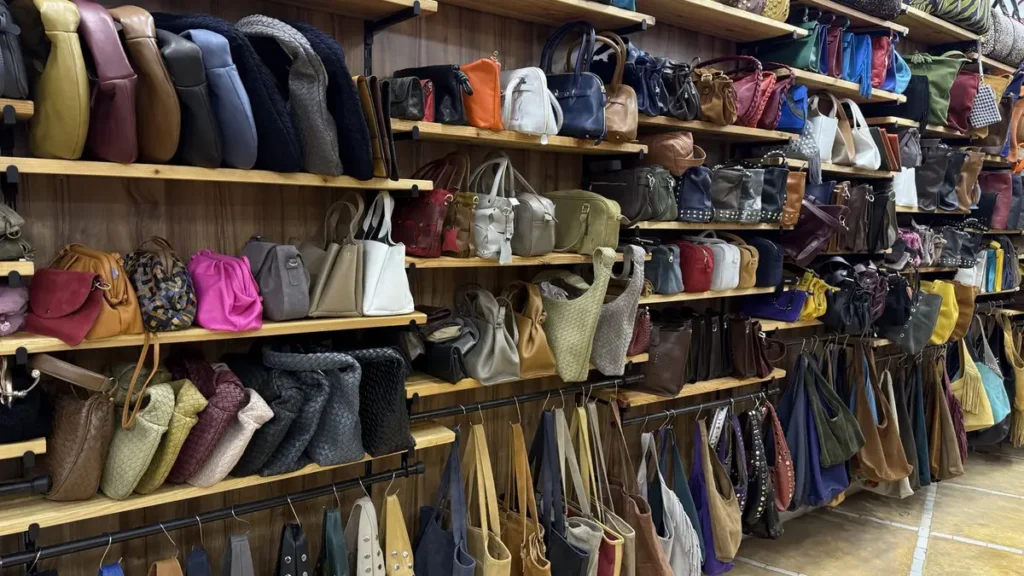
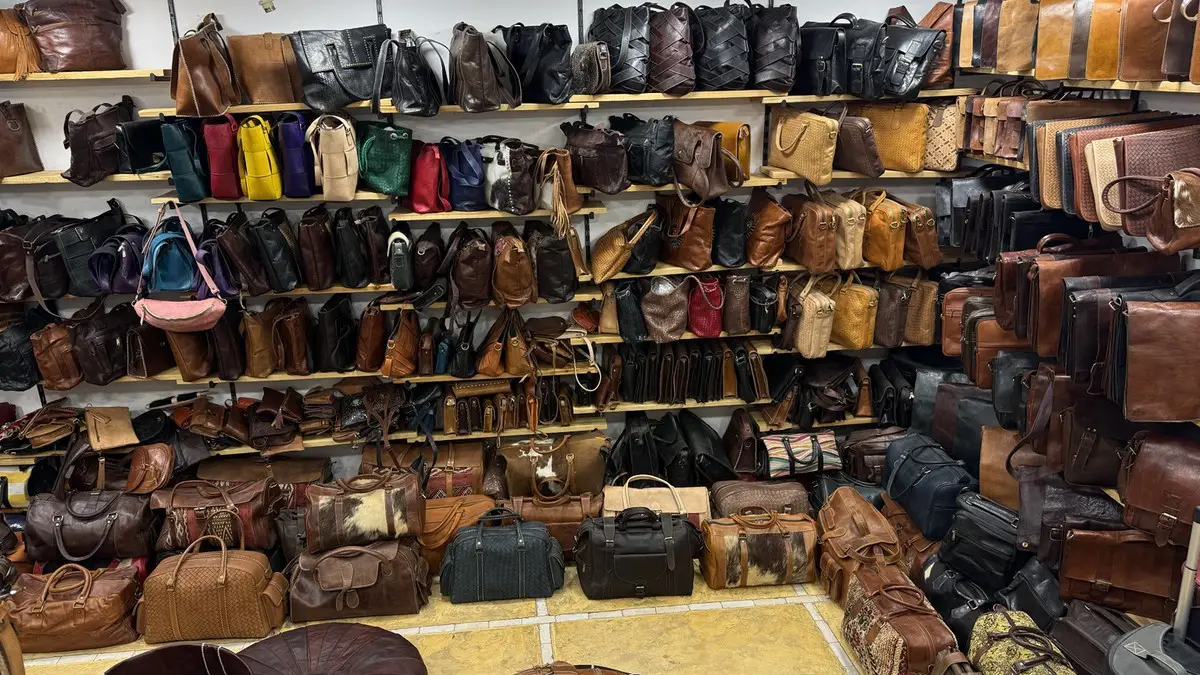
Before browsing, decide what you want to carry. For a daily shoulder bag, check that your phone, wallet and other essentials fit without forcing the closure. For a larger travel bag, consider the weight when empty: you will add more weight once you fill it.
Try the strap over your shoulder and across your body if it is adjustable. Check its shortest and longest settings. A beautiful bag that sits awkwardly or has a narrow strap digging into your shoulder may spend more time in your wardrobe than outside.
Think about access, too. Do you prefer a zip, a buckle or an open compartment? Can you open it comfortably while wearing it? If you are buying a gift, a simple shape and a practical closure may be easier to choose than a very specific style.
Where to look for leather bags in Marrakech
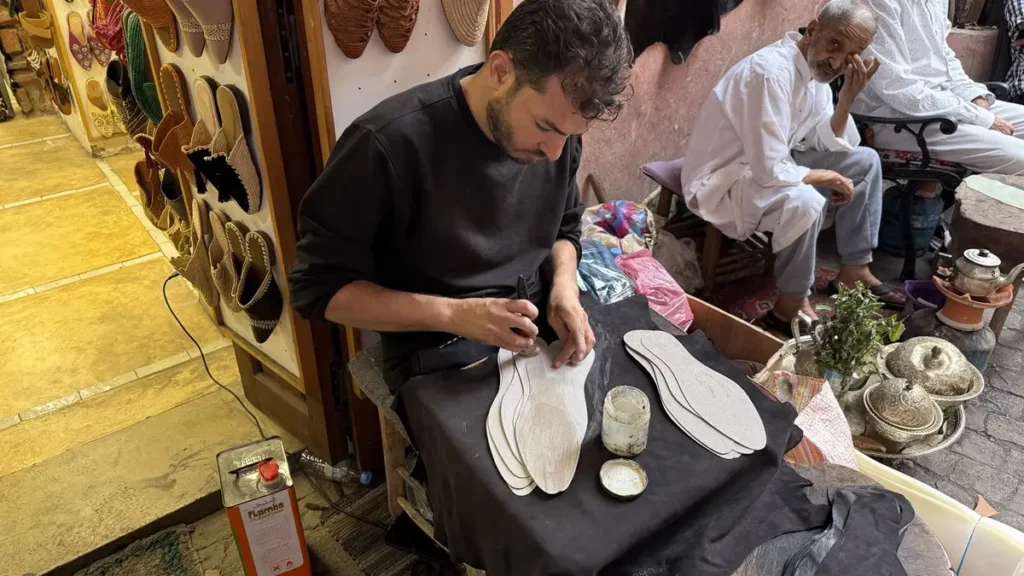
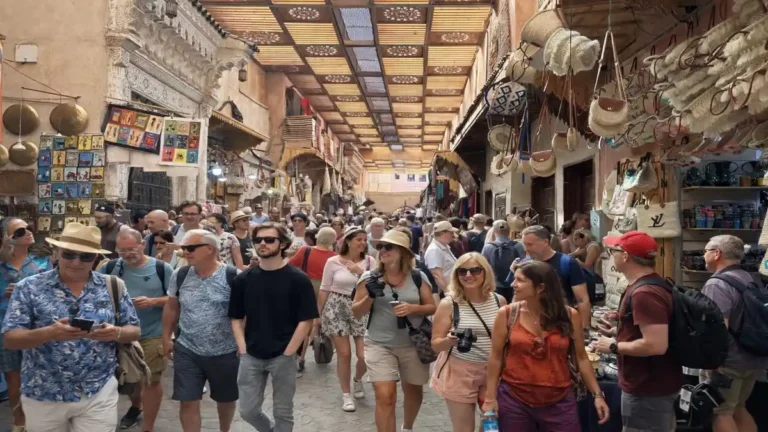
The medina is a natural starting point for browsing leather goods. Compare a few shops and ask who made each piece. A shop location alone does not guarantee the origin or quality of the items on display.
You can also compare a souk purchase with a fixed-price boutique or a maker selling directly. Ask who made the piece and where it was assembled. A clear explanation is more useful than a general claim that everything is handmade.
For help understanding the medina before you visit, read my Marrakech souks guide. This leather guide concentrates on choosing the item itself; the souks guide explains the wider visit.
Check these details before you buy
Straps and handles: look closely at the points where they join the bag. Check for loose threads, gaps and attachments that already look strained. Ask the seller to show you how the strap can be adjusted or replaced.
Stitching: inspect the corners, seams and areas around pockets. Look for skipped stitches or sections that are coming apart. A decorative pattern can catch your eye, but the construction underneath deserves just as much attention.
Zips, buckles and fastenings: open and close them several times, gently. Check that the zip moves smoothly and that a flap closes without being pulled out of shape. Test the hardware on the exact bag you want, rather than another display sample.
Inside the bag: open every compartment. Look at the lining, pocket joins and the bottom. Check for stains, torn fabric or finishing that would bother you once you use it. Confirm whether the item is sold as new or as a vintage piece.
Surface and shape: examine it in good light. Decide whether variations are part of the appearance you like or damage you do not want. Ask about any marks before payment. Photographs can help you remember which bag you compared in each shop.
How can you tell whether the leather is genuine?
Do not rely on smell alone, or on a seller saying “genuine leather.” A quick look or touch cannot reliably prove the material, the tanning method or the grade. Ask which parts are leather, whether the lining and straps use the same material, and what the seller can tell you about the maker.
A label such as “full-grain” should prompt a question, not end the conversation. If the explanation is vague, treat that uncertainty as part of your decision. You can still like a bag without paying a premium for a material claim you cannot verify.
Avoid burn tests, soaking a bag or scratching the surface to test it. These can damage the merchandise and still leave you without a dependable answer. For an expensive purchase, reliable maker information matters more than a dramatic shop demonstration.
Compare value before bargaining
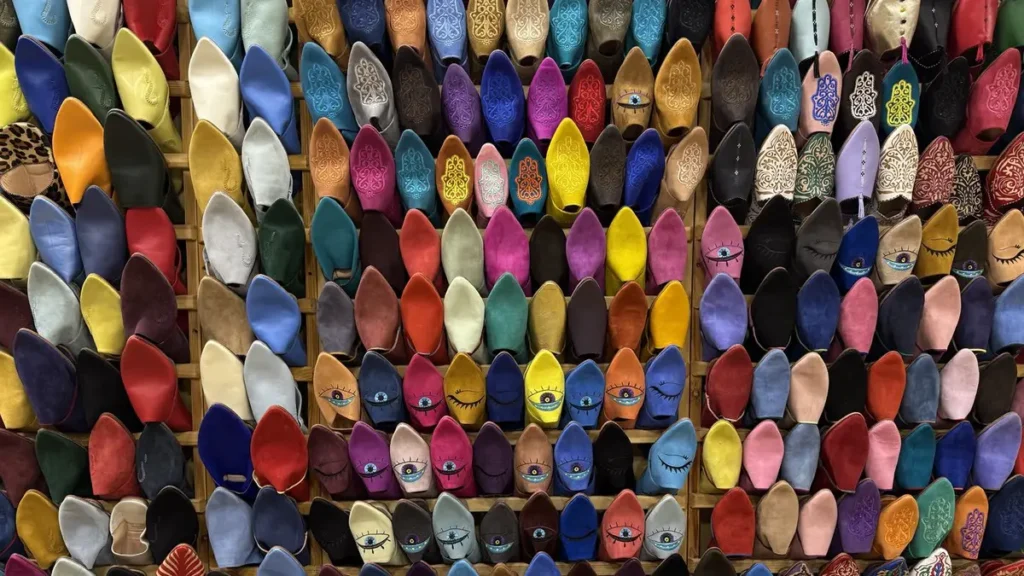
There is no single fair price for every leather bag in Marrakech. Size, material, construction, hardware, finishing and the sales setting all affect the comparison. Two similar-looking bags can have different straps, linings and closures.
Compare a few pieces with similar features first. Then decide the maximum you would be comfortable paying for the one you prefer. Ask whether the price is fixed or open to discussion, keep the conversation polite, and leave yourself room to walk away.
Avoid using a universal discount percentage as your target. The opening price and the item both matter. For a broader shopping budget, see my guide to what to buy in Morocco, which also helps you prioritise other souvenirs.
Questions to ask before payment
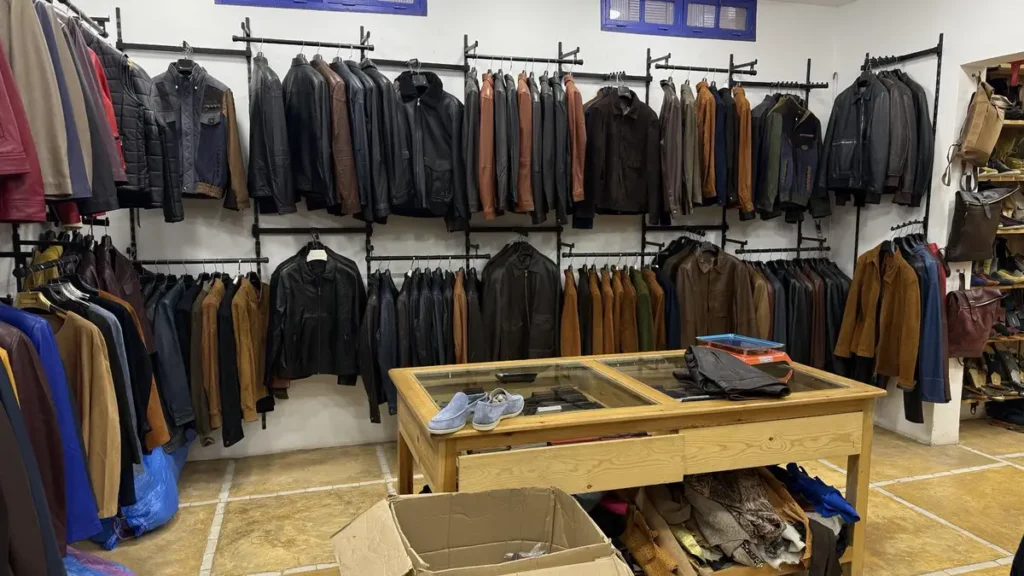
Confirm the final amount and currency, whether any adjustment is included, and whether you are receiving the exact bag you inspected. If an alteration is promised, agree when it will be ready and how you will check the finished work.
Ask for a receipt and the seller’s contact details. Discuss any return or exchange policy before paying rather than assuming you can return later. If you need delivery, ask for the packing method, delivery cost, tracking and damage terms in writing.
Taking your leather purchase home
Think about luggage space before choosing a large bag. Ask the maker or seller for care instructions for that particular finish. Avoid experimenting with oils, polish or cleaning products on a new purchase without suitable guidance.
Keep the receipt and care instructions together. If you arrange shipping, photograph the bag before packing and retain the written delivery details. A spoken promise is harder to check once you have left Marrakech.
Would a private shopping tour help?
A guide can help you organise the visit, explain conversations and keep the route focused on what you want to buy. That does not replace your own checks or guarantee the authenticity of every item. You should feel free to compare, ask questions and decide against a purchase.
My private Marrakech shopping tour lasts around 3–4 hours and costs €60 total for a private group of 2–4 people, payable on arrival. Purchases, shipping and vehicle transfers are separate. We agree the meeting arrangements and booking terms in writing.
Ask Kamal about a private shopping tour on WhatsApp. Tell me your travel date and what you would like to browse. The message box opens empty so you can write in your own words.
Questions about buying leather in Marrakech
Is a leather bag a good Marrakech souvenir?
It can be, if the size, comfort and construction suit you. Buy something you will use, rather than choosing only because it looks attractive in the shop.
Should I bargain in every leather shop?
Ask first. Some shops negotiate and others use fixed prices. Compare the item and its finishing before deciding what you want to offer.
Can I visit shops without buying?
Yes, browsing does not require a purchase. Be clear when you are comparing options, and avoid agreeing a purchase price unless you intend to buy.
Does joining a shopping tour mean I must buy a bag?
No. My private shopping tour has no obligation to buy. We can browse leather alongside other interests and you decide whether anything is right for you.