
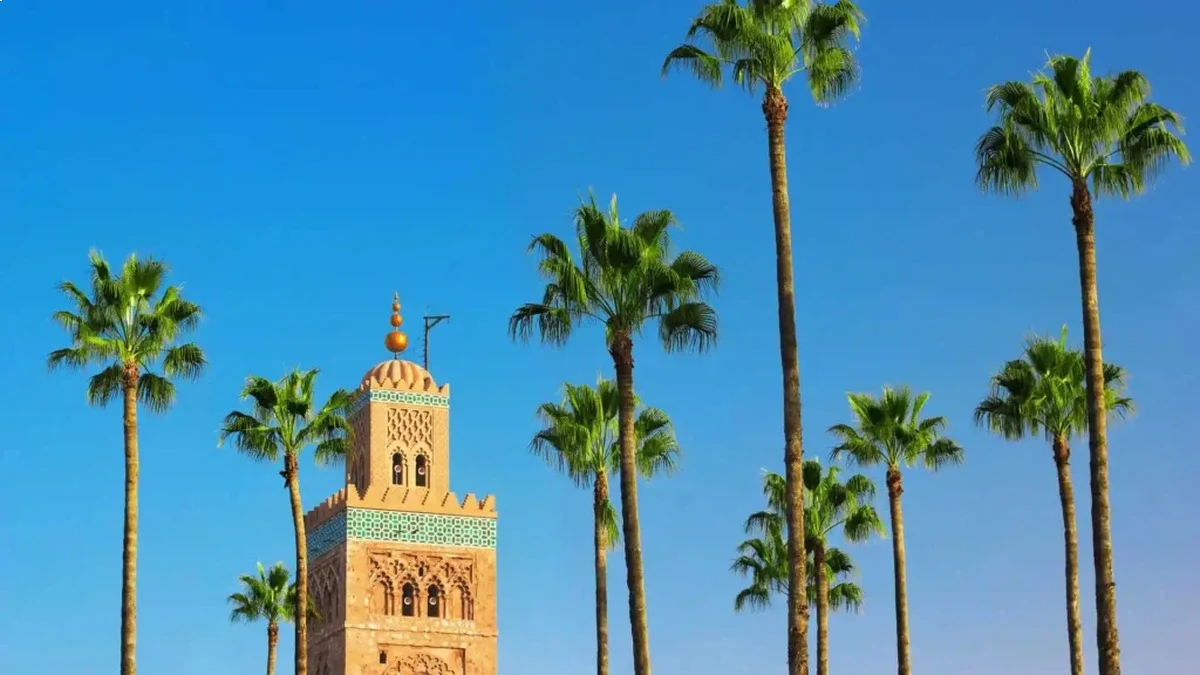
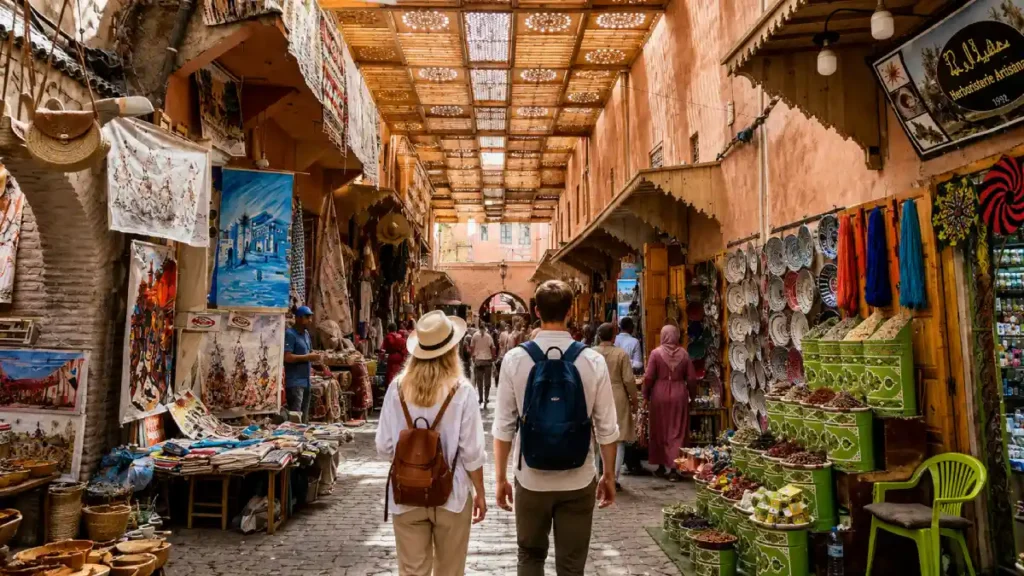
Marrakech can feel exciting and overwhelming at the same time, especially on a first visit. The Medina is busy, scooters move through narrow streets, the souks can feel like a maze, and peaceful riads are often hidden behind doors you would never notice from outside.
I’m Kamal, a licensed Moroccan tour guide based in Marrakech, and this Marrakech Travel Guide covers the things I think visitors should understand before they arrive: when to visit, how many days to stay, where to base yourself, how to get around, what to eat, safety, cultural etiquette and the small practical details that can make the city much easier to enjoy.
Marrakech rewards travelers who do not try to rush it. Give yourself time to understand the Medina, take breaks when you need them and accept that getting slightly lost is sometimes part of the experience.
Table of Contents
Table of Contents
Why Visit Marrakech?
Marrakech is one of the easiest places to experience several sides of Morocco in one city. You have historic palaces and mosques, traditional souks, riads, gardens, Moroccan food, hammams and modern neighborhoods such as Gueliz and Hivernage.
It is also a useful starting point for a wider Morocco trip. Marrakech has an international airport, good accommodation at different price levels and easy connections toward the Atlas Mountains, Essaouira and southern Morocco.
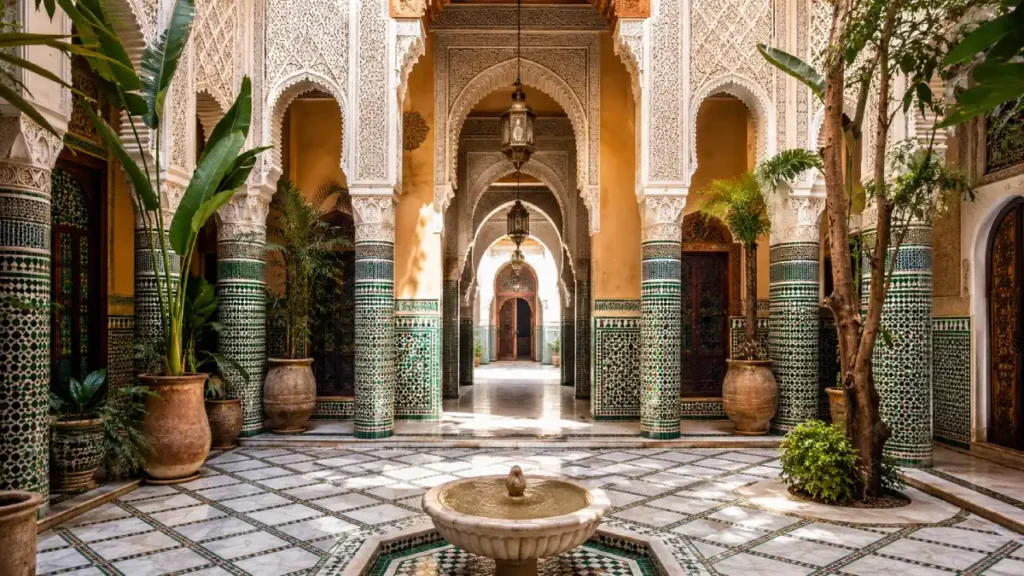
What makes the city memorable for me is the contrast. You can walk through a crowded souk filled with voices, spices and workshops, then step through a riad door and suddenly hear almost nothing except a fountain in the courtyard.
For a broader introduction to traveling around the country, read my Morocco Travel Guide. If Marrakech is your arrival city, my Marrakech Airport Transfer guide explains what to expect between the airport and your accommodation. Arriving through Casablanca instead? My Casablanca Airport to Marrakech guide compares the train, taxi and private-transfer options. This Marrakech Travel Guide focuses on the practical details that matter once you have decided to spend time in the city. If Marrakech is one part of a short wider trip, my five-day Morocco itinerary compares routes that use the city as a starting point.
When Is the Best Time to Visit Marrakech?
For most travelers, the best times to visit Marrakech are spring and autumn, especially March to May and October to November. These months usually give you more comfortable temperatures for walking through the Medina, visiting monuments, eating on rooftops and taking day trips.
Summer can be very hot, particularly in July and August. If you visit then, plan sightseeing early in the morning, rest during the hottest part of the afternoon and go back out later in the day.
Winter can also be a good time to visit. Days are often pleasant, but mornings and evenings can feel much cooler than many travelers expect, especially inside traditional riads.
The best month for you depends on whether you care most about comfortable sightseeing weather, lower crowds, prices or combining Marrakech with the Atlas Mountains, coast or Sahara.
For a month-by-month comparison across the country, read my Best Time to Visit Morocco guide. If you are visiting later in autumn, my Marrakech in November guide explains the weather, crowds, what to wear and how I would plan the month. If you are planning a winter trip, my Marrakech in January guide covers daytime weather, cold evenings, crowds and riad heating.
What to See and Do in Marrakech
Marrakech has more to see than most first-time visitors can comfortably fit into one or two days. The main highlights include Jemaa el-Fna, the souks, Bahia Palace, Ben Youssef Madrasa, Koutoubia Mosque from outside, Le Jardin Secret and Jardin Majorelle.
For a first visit, I would not try to tick off every attraction. Choose a few important places, leave time to walk through the Medina, stop for tea or lunch on a rooftop and give yourself space to enjoy the city between monuments.
If you want the full list with detailed local advice for each attraction and experience, read my Things to Do in Marrakech guide.
If coffee inside Dar El Bacha is on your list, my Bacha Coffee Marrakech guide explains the entry fees, coffee prices and waiting time so you can plan the stop realistically.
If you have more time in the city, my 7 Days in Marrakech Itinerary shows how to combine sightseeing with food, hammams and day trips without rushing.
Where Should You Stay in Marrakech?
The best area to stay in Marrakech depends on the kind of trip you want. For a first visit, I usually recommend the Medina if you want traditional riads, souks, rooftops and the atmosphere of the old city.
If you prefer modern hotels, easier taxi access, restaurants and nightlife, Gueliz or Hivernage may suit you better. If you are staying longer and working online, Guéliz is usually more practical than the Medina because of modern apartments, easier transport and better access to coworking. See my Digital Nomad Morocco guide for my full remote-work advice. Travelers who want larger resorts, pools and more space can also look at Agdal or Palmeraie, although these areas put you farther from the historic center.
One detail matters more than many travelers expect: access. Some riads are deep inside narrow Medina lanes, so check how far you will need to walk with luggage and whether the property can arrange someone to meet you on arrival.
For a full neighborhood comparison, riad-versus-hotel advice and specific accommodation recommendations, read my Where to Stay in Marrakech guide.
What to Eat in Marrakech
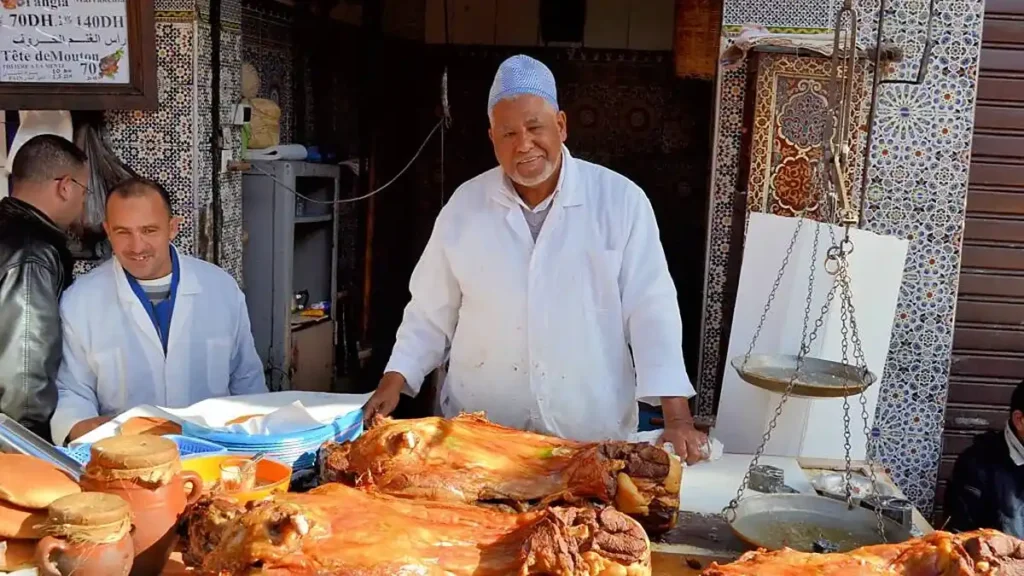
Marrakech is a great city for Moroccan food, and there is one local dish I especially recommend trying: tanjia, a slow-cooked Marrakech specialty traditionally prepared with meat, preserved lemon, garlic and spices.
You will also find tagine, couscous, harira, msemen, Moroccan salads, pastries and mint tea throughout the city. Quality can vary considerably, especially around the busiest tourist areas, so I prefer places that cook fresh food and have a steady flow of customers.
Jemaa el-Fna food stalls are part of the Marrakech experience, but you do not need to eat there every night. Traditional restaurants, riads and rooftops can give you a calmer way to discover Moroccan cooking.
For specific restaurants, rooftops and places I recommend, read my Where to Eat in Marrakech guide. For a broader introduction to Moroccan dishes across the country, see my What to Eat in Morocco guide.
How Many Days Do You Need in Marrakech?
One of the questions I am asked most often when people read my Marrakech Travel Guide is how many days they really need in the city. For most first-time visitors, 3 days is the minimum I recommend for Marrakech, while 4 days gives you a much more comfortable pace.
With 3 days, you can explore the Medina, visit the main historic sights, spend time around Jemaa el-Fna, see Jardin Majorelle or Gueliz, and still leave room for a hammam or food experience.
With 4 days, you can add a day trip to the Atlas Mountains, Ourika Valley or Agafay Desert without making the city itself feel rushed.
If you have 5 days or more, you can slow down, spend more time in the souks, try a cooking class, enjoy a rooftop lunch, or add a second day trip.
For travelers staying longer, my 7 Days in Marrakech Itinerary gives a complete day-by-day route with sightseeing, food, hammams and day trips.
Continuing to Fes after Marrakech? Treat the transfer as a separate travel day. My guide to taking the train from Marrakech to Fes explains booking, classes and the journey from Fes station to your riad.
Best Day Trips from Marrakech
Marrakech is a very good base for exploring beyond the city, especially if you have four days or more.
For mountains and village scenery, I usually recommend the Atlas Mountains or Ourika Valley. If you want an easy sunset experience close to Marrakech, Agafay Desert works well, although it is a rocky desert and not the Sahara.
Essaouira is my choice for travelers who want the coast, seafood and a slower atmosphere, while Ouzoud Waterfalls and Ait Ben Haddou suit travelers who do not mind a longer day on the road.
The right trip depends on how much driving you are comfortable with and what you want from the day. Some places that look close on a map can still involve several hours in the vehicle.
For travel times, pros and cons and a full comparison of each option, read my Best Day Trips From Marrakech guide. Agadir is better treated as a separate coastal stay, not a Marrakech day trip; use my Agadir travel guide.
Marrakech Cultural Etiquette and Local Tips
Marrakech is used to international visitors, so you do not need to overthink every small cultural detail. A little respect and awareness goes a long way.
Dress comfortably but reasonably modestly, especially when walking through the Medina and traditional neighborhoods. You do not need to cover your hair, but very revealing beach-style clothing can feel out of place away from pools and resorts.
Always ask before taking close photos of people, especially artisans, shopkeepers and performers. In the souks, bargaining is normal, but keep it friendly and only negotiate seriously if you are interested in buying.
During Ramadan, be respectful around people who are fasting, especially during daylight hours. Tourist restaurants and hotels usually continue serving visitors, but the rhythm of the city can change.
Most mosques in Marrakech, including Koutoubia Mosque, are not open to non-Muslim visitors, so enjoy them from the outside.
For deeper cultural advice, read my Morocco Culture & Etiquette guide. For clothing advice, see How to Dress in Morocco, and for cash, cards and payments, use my Money in Morocco guide.
Is Marrakech Safe?
Marrakech is generally safe for visitors, but the Medina can feel intense at first because of crowds, scooters, narrow streets, persistent sellers and the possibility of overcharging or pickpocketing in busy areas.
Use normal city awareness: keep your phone and wallet secure, avoid poorly lit alleys late at night if you do not know the area, agree on taxi prices when the meter is not used, and be cautious with anyone who approaches you offering unsolicited help or claiming to be an official guide.
For solo female travelers, unwanted attention can be tiring in some areas, but most visits are trouble-free with sensible precautions and a well-chosen place to stay.
If you want a full breakdown of common scams, night-time safety, solo travel and practical precautions, read my Is Marrakech Safe? guide.
How to Get Around Marrakech
The easiest way to explore the Marrakech Medina is on foot. Many streets are too narrow for cars, and taxis can only reach certain gates and access points.
For places outside the Medina, such as Jardin Majorelle, Gueliz, Hivernage, Agdal and Palmeraie, petit taxis are usually the simplest option. Use the meter when possible, or agree on the fare before the ride starts.
If you are arriving from the airport, my Marrakech Airport Transfer guide explains the easiest options for arriving in the city.
Google Maps can help inside the Medina, but it is not always accurate in narrow lanes. Do not worry if you take a wrong turn; it happens to almost everyone on a first visit.
If you are planning to drive outside Marrakech during a longer Morocco trip, read my Rent a Car in Morocco guide before booking. If you are planning to drive outside Marrakech, see my guide to renting a car at Marrakech Airport before booking.
Practical Marrakech Travel Tips Before You Go
The practical advice in this Marrakech Travel Guide comes from the small problems I see travelers encounter most often. Marrakech becomes much easier when you prepare for a few small details before arrival.
Save the exact location of your riad or hotel before you travel. If you are staying inside the Medina, also ask for the nearest car-accessible gate or meeting point. A property can look close on a map but still require several minutes of walking through narrow lanes with luggage.
Wear comfortable walking shoes. You will probably walk much more than expected between monuments, souks, restaurants and your accommodation, and some Medina streets are uneven.
Carry some small Moroccan dirhams. Taxis, tips, small cafés, market purchases and porters are often easier with cash, even though cards are increasingly accepted in hotels and larger restaurants. For payment details, read my Money in Morocco guide.
Keep mobile data available. A local SIM or eSIM makes it easier to use maps, contact your riad, confirm restaurant reservations and message drivers. My Best eSIM for Morocco guide explains the main options before you arrive.
Do not plan every hour of the day. Marrakech is more enjoyable when you leave time for getting lost, stopping for tea, returning to your riad for a break or changing plans when the Medina feels busier than expected.
Finally, keep addresses and important reservations saved offline. Mobile coverage is generally good in Marrakech, but having your accommodation details available without internet can make arrivals much easier.
Explore Marrakech With a Local Guide
If you want more than a list of monuments, I can help you experience Marrakech at a comfortable pace and understand what you are seeing along the way.
For a walk focused on crafts and shopping, see my private Marrakech shopping tour. You can explore the souks at your own pace, get help comparing quality and bargaining, and request a price and availability for your group.
If you would like help during your stay, contact me directly and tell me your travel dates, group size and what you would most like to experience in Marrakech.
FAQ About Visiting Marrakech
Is Marrakech good for first-time visitors to Morocco?
Yes. Marrakech is one of the easiest cities for a first trip to Morocco because it has an international airport, a wide choice of accommodation, restaurants, guided experiences and good connections to other parts of the country. The Medina can feel intense during the first few hours, but it becomes much easier once you understand the main areas and how to move around.
How many days do you need in Marrakech?
I recommend at least 3 days in Marrakech for a first visit. Four days gives you a more comfortable pace and enough time to explore the city without rushing, while five days or more lets you slow down and add experiences outside the Medina.
Is Marrakech easy to explore on foot?
The Medina is best explored on foot because many streets are too narrow for cars. Outside the old city, areas such as Gueliz, Hivernage and Jardin Majorelle are easier to reach by petit taxi. Comfortable walking shoes make a big difference because you may walk much farther than expected.
What should I know before arriving in Marrakech?
Save the exact location of your accommodation before you arrive, especially if you are staying inside the Medina. Ask your riad for the nearest car-accessible entrance, keep some small Moroccan dirhams with you and make sure you have mobile data or your important addresses saved offline.
Can you visit Marrakech without a guide?
Yes. You can explore much of Marrakech independently, especially once you understand the main streets and landmarks. A licensed local guide can be useful at the beginning of your stay if you want to understand the Medina, history and souks rather than simply finding your way from one attraction to another.
Do I need cash in Marrakech?
It is useful to carry some Moroccan dirhams. Hotels, larger restaurants and many modern businesses accept cards, but taxis, small shops, tips, market purchases and some cafés are still easier with cash. I recommend carrying smaller notes rather than relying only on large bills.